Posted on Leave a comment

CRISPR Therapies: Treating Genetic Diseases
CRISPR Therapies: Treating Genetic Diseases

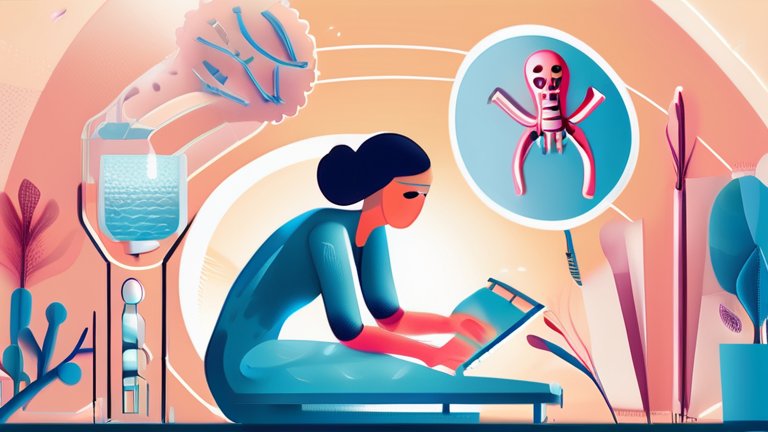
The landscape of modern medicine is undergoing a seismic shift, moving from symptomatic management to curative precision. At the forefront of this revolution is CRISPR-Cas9, a gene-editing tool derived from bacterial immune systems. Originally discovered as a mechanism bacteria use to fight off viral infections, CRISPR has been repurposed by scientists to act as molecular scissors, capable of cutting and modifying DNA sequences with unprecedented accuracy. This technological leap is not merely incremental; it represents a fundamental change in how we approach hereditary conditions that have plagued humanity for centuries.

Latest Developments in Clinical Applications

Recent years have witnessed the transition of CRISPR from benchtop experiments to bedside treatments. The most significant milestone arrived with the approval of Casgevy, the first CRISPR-based therapy, for the treatment of sickle cell disease and transfusion-dependent beta-thalassemia. Unlike traditional gene therapies that add a functional copy of a gene, CRISPR edits the patient’s own existing DNA to correct the specific mutation responsible for the disease. This “ex vivo” approach involves extracting hematopoietic stem cells, editing them in a laboratory, and reinfusing them into the patient. Early clinical trials have shown remarkable success, with many patients becoming free from the severe pain crises associated with sickle cell disease.

If you want to dig deeper, check out our guide on Quantum Computing Hits Commercial Viability: What It Means f.

Furthermore, researchers are now exploring “in vivo” applications, where the editing machinery is delivered directly into the body via lipid nanoparticles or viral vectors. This method is particularly promising for treating liver disorders and certain neurological conditions, such as hereditary transthyretin amyloidosis. The latest developments also include base editing and prime editing, newer iterations of CRISPR that offer higher precision and reduce the risk of unintended off-target effects, thereby enhancing safety profiles.

Specifications and Technical Mechanisms

Technically, CRISPR therapies rely on a guide RNA molecule that directs the Cas9 enzyme to a specific location in the genome. Once bound, Cas


Related Articles

Posted on Leave a comment

How Wearable Tech Predicts Health Crises Early

How Wearable Tech Predicts Health Crises Early

The landscape of personal health monitoring has undergone a revolutionary transformation in recent years. No longer confined to clinical settings, advanced diagnostics now sit comfortably on our wrists. Wearable technology, once limited to basic step counting, has evolved into sophisticated health companions capable of detecting subtle physiological changes that often precede serious medical events. This shift represents a paradigm move from reactive treatment to proactive prevention, empowering individuals to take charge of their well-being with unprecedented precision.

At the core of this technological advancement is the ability to track biometric data in real-time. Modern devices utilize photoplethysmography (PPG) sensors to monitor heart rate variability (HRV), a critical indicator of autonomic nervous system balance. A sudden drop in HRV can signal impending illness, stress overload, or even cardiovascular distress days before symptoms manifest. Furthermore, continuous glucose monitors (CGMs) provide insights into metabolic health, allowing users to identify patterns that may lead to type 2 diabetes or energy crashes. By aggregating this data, algorithms can establish a personalized baseline, making deviations immediately noticeable.

If you want to dig deeper, check out our guide on Lab-Grown Meat Clears Major Regulatory Hurdles.

However, technology alone is not a silver bullet. The true value lies in how we interpret and act upon this information. Science-backed advice suggests that users should view wearables as diagnostic aids rather than definitive medical tools. For instance, irregular heartbeat notifications should prompt a consultation with a healthcare provider rather than self-diagnosis. Consistency is key; sporadic use yields fragmented data, whereas daily tracking creates a comprehensive historical record that doctors can utilize for more accurate diagnoses.

To maximize the benefits of wearable tech, integrate it into a holistic wellness routine. First, ensure proper fit and sensor cleanliness to maintain data accuracy. Second, correlate your biometric data with lifestyle factors. Notice how poor sleep quality affects your next-day stress levels or heart rate. Third, use the data to motivate healthy habits. If your device indicates elevated stress, consider incorporating mindfulness exercises or deep-breathing techniques into your morning routine. Finally, share your data with your healthcare team during regular check-ups. This collaborative approach bridges the gap between daily monitoring and professional

Related Articles

Posted on Leave a comment

Remote Work Mandates: Why Hybrid Models Are Bringing Employees Back

Remote Work Mandates: Why Hybrid Models Are Bringing Employees Back

The global workplace landscape has undergone a seismic shift in recent years, moving from a rigid office-centric model to a more flexible, distributed structure. However, as the initial enthusiasm for fully remote work begins to wane, a new paradigm is emerging: the hybrid work model. This approach, which mandates a specific number of days in the office while allowing remote flexibility, is becoming the standard for major tech firms and corporations alike. The question is no longer whether to return to the office, but how to make it meaningful. Recent developments suggest that hybrid mandates are not just about surveillance or control, but are driven by a genuine need to rebuild company culture, enhance collaboration, and leverage advanced collaborative technologies.

Industry leaders have taken varied approaches to this transition. Companies like Facebook (Meta), Google, and Amazon have implemented policies requiring employees to return to the office two to three days a week. These mandates are often coupled with significant investments in office infrastructure. The goal is to transform the office from a place of solitary work into a hub for innovation, social interaction, and strategic planning. This shift is particularly evident in the tech sector, where spontaneous interactions and brainstorming sessions are crucial for product development. By mandating physical presence, these companies aim to recapture the serendipitous creativity that is often lost in digital communication channels.

Modern hybrid office space with collaborative zones

Technological advancements have played a pivotal role in enabling and sustaining the hybrid model. High-quality video conferencing tools, virtual whiteboards, and project management software have made it easier for distributed teams to stay connected. However, the latest developments in collaborative technology focus on enhancing the in-office experience. For instance, AI-driven meeting assistants, real-time translation services, and immersive virtual reality workspaces are being integrated to bridge the gap between remote and in-office workers. These technologies ensure that remote participants are not left out of the loop, fostering a more inclusive environment. The spec sheets of modern office equipment now prioritize seamless integration with digital platforms, highlighting the importance of a unified tech stack that supports both remote and on-site collaboration.

The impact on the industry has been profound. Real estate markets in major tech hubs have seen fluctuations as companies downsize

Posted on Leave a comment

7 Simple Lifestyle Hacks for a Healthier, Happier You

7 Simple Lifestyle Hacks for a Healthier, Happier You

In our fast-paced modern world, the pursuit of wellness often feels like an exhausting marathon rather than a joyful journey. We are bombarded with complex detox plans, rigorous fitness regimens, and expensive wellness retreats that promise transformation but often deliver burnout. However, true health and happiness rarely stem from drastic overhauls. Instead, they are cultivated through small, sustainable adjustments to our daily routines. By integrating these seven simple lifestyle hacks into your life, you can create a foundation for lasting well-being without the stress.

First, embrace the power of digital detoxification. We spend hours scrolling through social media, comparing our behind-the-scenes with everyone else’s highlight reels. This constant connectivity drains our mental energy. Try setting a strict “no-phone” hour before bed. Replace this time with reading a physical book or practicing gentle stretching. This simple boundary protects your sleep hygiene and reduces anxiety, allowing your mind to rest and recover.

A serene morning routine with coffee and a journal

Second, prioritize mindful eating over restrictive dieting. Instead of cutting out entire food groups, focus on adding nutrient-dense foods to your plate. Incorporate more colorful vegetables and whole grains. Eat slowly, savoring each bite, which improves digestion and increases satisfaction. This approach fosters a healthier relationship with food, shifting the focus from restriction to nourishment and gratitude.

Third, make movement a celebration, not a punishment. You do not need to run marathons to stay healthy. Find physical activities that bring you joy, whether it is dancing in your living room, hiking in nature, or practicing yoga. When exercise feels like play, consistency becomes natural. This perspective shift transforms fitness from a chore into a daily gift you give to your body.

Fourth, cultivate curiosity through cultural exploration. You do not need expensive flights to broaden your horizons. Visit a local museum, try a new cuisine from a culture you know little about, or listen to music from a different continent. Engaging with diverse cultures stimulates the brain, reduces prejudice, and sparks creativity. It reminds us that the world is vast and

Posted on Leave a comment

Master Mindfulness Meditation in 10 Minutes

Step-by-Step Tutorial: How to Master Mindfulness Meditation in 10 Minutes

In our fast-paced digital world, finding a moment of true peace can feel like an impossible task. However, mastering mindfulness meditation does not require hours of silence or a mountain retreat. With the right technique, you can cultivate a profound sense of calm and focus in just ten minutes a day. This guide will walk you through the essential steps to begin your journey, ensuring that every second counts toward mental clarity and emotional balance.

Person meditating in a peaceful outdoor setting

Step 1: Prepare Your Environment

Before you begin, create a sanctuary for your mind. Find a quiet corner in your home where you will not be disturbed. Dim the lights if possible, or sit near a window to let in natural light. Ensure your phone is on silent mode and placed out of sight to prevent digital distractions. Sit on a cushion or chair with your back straight but not stiff. This posture allows for optimal breathing and alertness. Take a moment to close your eyes and take three deep breaths, inhaling through your nose and exhaling slowly through your mouth. This simple act signals to your brain that it is time to shift into a state of rest and awareness.

Step 2: Focus on the Breath

Once settled, bring your attention to your natural breath. Do not try to control it; simply observe it. Notice the cool air entering your nostrils and the warm air leaving your body. Feel the rise and fall of your chest or abdomen. This anchor to the present moment is the core of mindfulness. If your mind wanders, which it inevitably will, gently acknowledge the thought without judgment and return your focus to the sensation of breathing. This process of returning is not a failure; it is the actual exercise of strengthening your mental muscle.

Step 3: Scan Your Body

After five minutes of breath awareness, shift your attention to a body scan. Start at the top of your head and slowly move your focus downward.

Related Articles

Posted on Leave a comment

10 Simple Lifestyle Hacks to Transform Your Daily Routine

10 Simple Lifestyle Hacks to Transform Your Daily Routine

In the bustling rhythm of modern life, finding balance often feels like an impossible quest. We juggle careers, social obligations, and personal aspirations, often leaving little room for genuine rest or joy. However, transformation does not require a complete overhaul of your existence. Instead, it begins with small, intentional adjustments. By integrating ten simple lifestyle hacks into your daily routine, you can cultivate a sense of calm, purpose, and vitality that permeates every aspect of your day.

First, consider your morning ritual. Instead of reaching for your phone immediately upon waking, try a five-minute mindfulness meditation or gentle stretching. This sets a peaceful tone for the hours ahead, reducing anxiety and increasing focus. Next, prioritize hydration. Keeping a reusable water bottle within arm’s reach ensures you stay hydrated, boosting energy levels and cognitive function throughout the day.

If you want to dig deeper, check out our guide on How Quantum Computing Solves Complex Drug Discovery Models.

When it comes to nutrition, embrace the power of mindful eating. Instead of rushing through meals, take the time to savor each bite. This practice not only improves digestion but also enhances your appreciation for the diverse flavors and cultures represented in your food. Experiment with new recipes from different cuisines to broaden your palate and connect with global traditions.

For those seeking personal growth, dedicate fifteen minutes each evening to reading or journaling. This habit encourages self-reflection and helps process daily experiences, fostering emotional resilience. Additionally, incorporate short bursts of physical activity into your routine. A brisk walk during lunch or a quick yoga session in the evening can significantly improve mental clarity and physical health.

Travel, even in small doses, can inject fresh perspective into your life. Explore a new neighborhood in your city, visit a local museum, or try a new hobby. These micro-adventures break the monotony of routine and stimulate creativity. Furthermore, cultivate meaningful connections by scheduling regular check-ins with friends and family. Human connection is vital for emotional well-being and provides a support network during challenging times.

Finally, practice digital detoxing. Designate specific times of the day where you disconnect from screens to recharge

Related Articles

Posted on Leave a comment

Personalized Nutrition via DNA Analysis: Eat for Your Genes

Personalized Nutrition via DNA Analysis: Eat for Your Genes

The era of one-size-fits-all dietary advice is rapidly fading, giving way to a sophisticated revolution in health management: personalized nutrition via DNA analysis. This burgeoning industry leverages genetic data to tailor dietary recommendations, promising higher efficacy in weight management, disease prevention, and overall wellness. By understanding how an individual’s genome influences nutrient metabolism, businesses can offer precise, actionable insights that standard generic advice simply cannot match.

Market Analysis: A Rapidly Expanding Sector

The global personalized nutrition market is projected to reach significant valuations by 2030, driven by rising consumer health consciousness and advancements in genomic sequencing technologies. According to recent industry reports, the sector is experiencing double-digit annual growth, fueled by increasing demand for preventive healthcare solutions. Consumers are increasingly skeptical of generic diet plans, seeking instead data-driven strategies that account for their unique biological makeup. The integration of artificial intelligence with genetic databases has further lowered costs, making these services accessible to a broader demographic. Key market drivers include the growing prevalence of lifestyle-related diseases such as obesity and diabetes, which patients hope to manage more effectively through targeted nutritional interventions.

Strategic Insights for Business Leaders

For companies entering this space, trust and transparency are paramount. Strategy must focus on building robust data privacy frameworks to protect sensitive genetic information, a critical concern for consumers. Furthermore, businesses should aim for seamless integration with existing health ecosystems, such as fitness apps and electronic health records, to provide a holistic view of the user’s health. Partnerships with healthcare providers and dietitians can enhance credibility, ensuring that genetic insights are interpreted correctly and applied safely. Marketing efforts should emphasize the scientific validity of the service while avoiding overpromising results. Education is key; consumers need to understand that DNA is just one piece of the puzzle, alongside lifestyle and environmental factors.

Case Studies: Success in Action

Consider NutriGenetics, a pioneer in the field, which saw a 40% increase in customer retention after introducing personalized meal kits based on genetic profiles. Their success lies in combining genetic data with practical, ready-to

Related Articles

Posted on Leave a comment

Quantum Computing Hits Commercial Viability: What It Means

Quantum Computing Hits Commercial Viability: What It Means

The dawn of commercially viable quantum computing marks a pivotal shift in our technological landscape, promising unprecedented processing power that could revolutionize fields from medicine to finance. However, for the average individual concerned with health and wellness, the immediate implications might seem abstract or distant. Yet, the intersection of advanced computing and human biology is closer than you think. As quantum algorithms begin to solve complex molecular simulations, they accelerate drug discovery and personalized medicine, offering hope for targeted treatments that minimize side effects and maximize efficacy. This technological leap is not just about faster calculations; it is about a more precise understanding of the human body at a quantum level, potentially unlocking cures for previously untreatable conditions.

If you want to dig deeper, check out our guide on Top 10 Tech Trends Reshaping the Future in 2024.

To harness the benefits of this era, we must adopt a proactive approach to our well-being. Science-backed advice suggests that staying informed about medical advancements allows for better health decisions. For instance, as quantum computing enhances genomic sequencing, individuals can anticipate personalized nutrition plans based on their unique DNA profiles. Until such services become mainstream, you can start by focusing on foundational health pillars. Prioritize sleep hygiene, as rest is crucial for cognitive function and immune resilience, especially in an increasingly digital world. Incorporate mindfulness practices like meditation to reduce stress, which negatively impacts cellular health.

Lifestyle tips for the modern age include limiting screen time to protect your circadian rhythm and mental clarity. Engage in regular physical activity, which boosts neuroplasticity and overall vitality. Embrace a diet rich in antioxidants and omega-3 fatty acids to support brain health. Remember, while quantum computing transforms the macro-scale of data processing, our micro-scale health choices remain in our hands. By balancing technological engagement with holistic self-care, we prepare ourselves for a future where precision medicine is the norm. Stay curious, stay healthy, and embrace the synergy between cutting-edge science and personal wellness. The quantum revolution is not just coming; it is here, and it invites us to rethink how we care for our bodies and minds in an interconnected world.

Related Articles

Posted on Leave a comment

Redefining Retail: How Circular Economy Models Are Changing Shopping

Redefining Retail: How Circular Economy Models Are Changing Shopping

The modern retail landscape is undergoing a profound transformation, shifting away from the traditional “take-make-waste” linear model toward a sustainable circular economy. This paradigm shift is not merely an environmental imperative but a significant opportunity for enhancing personal health and wellness. As consumers become increasingly aware of the hidden health costs associated with fast fashion and disposable goods, the demand for ethically sourced, durable, and non-toxic products has surged. Understanding this transition allows individuals to make choices that support both planetary health and their own physical well-being.

One of the most critical aspects of circular retail is the elimination of harmful chemicals often found in conventional manufacturing. Fast fashion items, for instance, are frequently treated with flame retardants, formaldehyde, and phthalates—substances linked to hormonal disruptions and skin irritation. By choosing second-hand or sustainably produced goods, consumers reduce their exposure to these toxins. Furthermore, circular models emphasize material transparency, encouraging brands to disclose ingredients and sourcing methods. This transparency empowers shoppers to make informed decisions, reducing the cognitive load associated with deciphering complex supply chains and fostering a sense of control over one’s health environment.

If you want to dig deeper, check out our guide on 10 Simple Lifestyle Habits to Boost Your Daily Happiness.

Adopting circular economy principles also promotes mental wellness through mindful consumption. The act of repairing, reselling, or sharing items fosters a deeper connection to our possessions, combating the disposable mentality that often leads to clutter and stress. Studies suggest that minimalism and intentional living can significantly lower cortisol levels and improve overall life satisfaction. When we buy less but better, we free up mental space and financial resources, allowing for greater investment in experiences and holistic health practices. This shift encourages a lifestyle rooted in quality over quantity, which is essential for long-term psychological balance.

To integrate these principles into daily life, start by auditing your current wardrobe and home goods. Identify items that can be repaired or donated rather than discarded. Support local businesses that offer repair services or take-back programs. Embrace the joy of thrifting, where you can find high-quality, unique items without the environmental burden. Additionally, prioritize buying from brands that use organic

Related Articles

Posted on Leave a comment

How AI Agents Autonomously Manage Enterprise Workflows

The Digital Nomad’s New Co-Pilot: How AI Agents Are Redefining the Art of Travel

For decades, the quintessential travel experience was defined by chaos. It was the frantic search for lost boarding passes, the endless scrolling through disparate review sites to find that one perfect hidden-gem restaurant, and the anxiety of coordinating complex itineraries across time zones. But a quiet revolution is underway, transforming the way we explore the world. We are moving from the era of manual planning to the age of autonomous agency, where Artificial Intelligence does not just suggest—it acts.

Imagine waking up in a bustling market in Marrakech. Your phone buzzes, not with a generic ad, but with a personalized notification from your AI travel agent. It has already analyzed your sleep patterns, local weather forecasts, and your recent comments about wanting “spicy, authentic street food.” Without you lifting a finger, it has rebooked your morning tour to a later slot to account for your jet lag and reserved a table at a family-run tagine house that has a forty-minute waitlist. The agent autonomously navigated the booking system, secured the reservation, and updated your calendar. This is not science fiction; it is the emerging reality of enterprise-grade AI agents applied to personal lifestyle management.

If you want to dig deeper, check out our guide on Remote Work Mandates Face Legal Challenges.

These AI agents function like tireless concierges. Unlike traditional chatbots that rely on rigid scripts, autonomous agents possess the ability to perceive, reason, and act. In the enterprise world, they manage supply chains and customer support tickets. Now, they are permeating our leisure time. They monitor prices for flights and hotels in real-time, executing trades when thresholds are met. They handle the mundane friction of logistics, allowing us to focus on the essence of travel: connection and discovery.

The cultural implication is profound. When the administrative burden is lifted, the traveler becomes more present. You spend less time staring at screens to resolve issues and more time engaging with the local culture. Your AI agent might even curate a playlist of local music or suggest a museum exhibit based on a fleeting interest you expressed days ago. It bridges

Related Articles