
Mental Health Apps Now Integrate with Wearables for Better Care
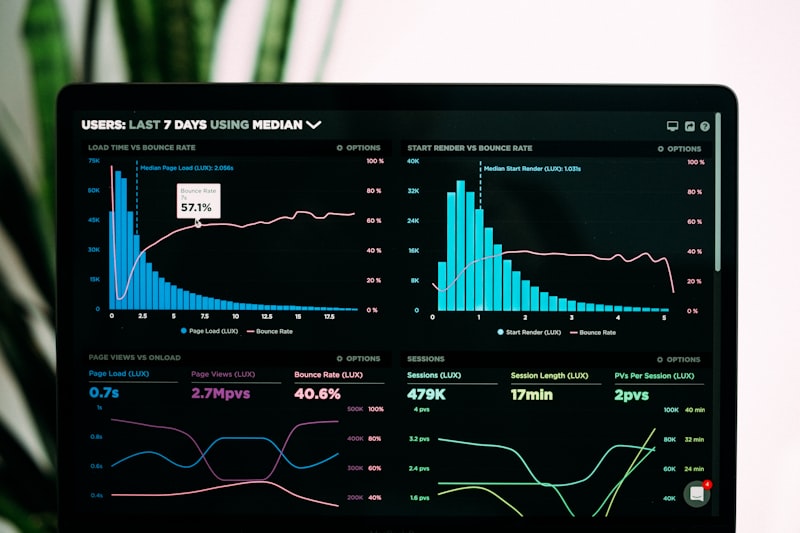
The landscape of personal healthcare is undergoing a profound transformation. For years, physical fitness trackers and mental health meditation applications operated in separate digital silos. However, a new wave of technological convergence is bridging this gap, creating a holistic approach to well-being that leverages the power of data. By integrating mental health apps with wearable devices, users can now gain unprecedented insights into the intricate connection between their physiological state and their emotional well-being.
The Science of Heart Rate Variability
At the core of this integration is the concept of Heart Rate Variability (HRV). Unlike a steady heartbeat, HRV measures the subtle time variations between heartbeats. Scientifically, HRV serves as a key indicator of autonomic nervous system activity. High HRV generally suggests that your body is resilient and capable of handling stress, while low HRV can indicate stress, fatigue, or poor recovery.
Modern mental health applications are beginning to utilize this data to provide context-aware interventions. For instance, if a wearable detects a sudden drop in HRV or a spike in resting heart rate, it can prompt the user to engage in a brief breathing exercise via their paired app. This proactive approach moves mental health care from reactive crisis management to proactive stress prevention. Studies have shown that biofeedback using HRV data can significantly reduce symptoms of anxiety and improve emotional regulation.

Personalized Lifestyle Tips for Digital Wellness
To maximize the benefits of this technology, users must adopt mindful habits. First, prioritize consistency in wearing your device. Data accuracy improves when you wear your wearable consistently, especially during sleep and rest.