How Sustainable Urban Farming Cuts City Food Miles
The modern city is often viewed as a concrete jungle, a place disconnected from the earth that produces our daily sustenance. We buy apples in plastic wrap, unaware of the thousands of miles they have traveled from orchards in distant states or countries. This disconnection creates a significant environmental burden, primarily through “food miles”—the distance food travels from farm to plate. However, a quiet revolution is taking place on our rooftops, in vacant lots, and within community centers. Sustainable urban farming is not just a hobby; it is a vital mechanism for reducing carbon footprints and reconnecting us with the source of our nourishment.
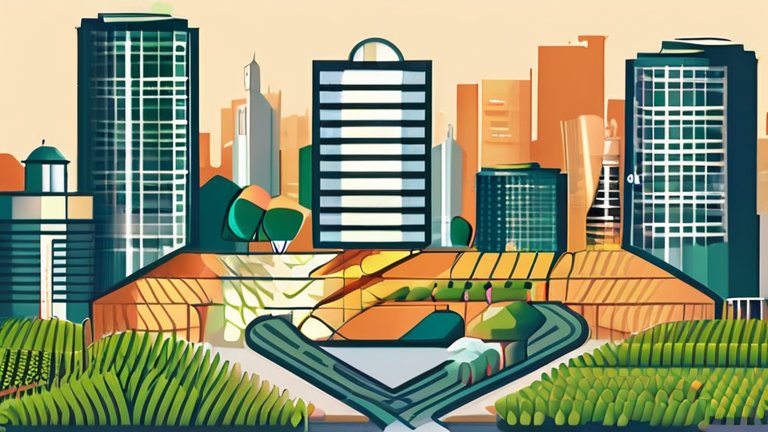
Consider the average head of lettuce. In a traditional supply chain, this vegetable might be grown in California, shipped via diesel-powered trucks to a distribution center in Chicago, and then transported by refrigerated vans to local supermarkets. By the time it reaches your dinner table, it may have traveled over 2,000 miles. The energy consumed during refrigeration, transportation, and packaging is substantial. In contrast, imagine buying that same lettuce from a rooftop farm in Chicago itself. The food miles drop to nearly zero. The carbon emissions associated with long-haul trucking evaporate. This simple shift demonstrates the immediate and measurable impact of localized agriculture on environmental sustainability.
If you want to dig deeper, check out our guide on 10 Lifestyle Hacks for a Happier, Healthier You.
Beyond the environmental benefits, urban farming offers profound cultural and personal growth opportunities. In cities like New York, London, and Singapore, community gardens have become social hubs where neighbors from diverse backgrounds come together to cultivate soil and share harvests. These spaces foster a sense of community that is often missing in large metropolitan areas. They provide a tangible connection to the cycles of nature, teaching residents about patience, biology, and the rewards of manual labor. For many, tending to a small plot of land is a meditative practice, a way to decompress from the fast-paced urban environment and find grounding in the physical act of growing food.