
How Remote Work Is Reshaping Urban Cities
The traditional 9-to-5 commute is disappearing, leaving behind a vacuum that is being rapidly filled by a new rhythm of urban life. For decades, cities functioned as engines of productivity, where the central business district was the undisputed heart of economic activity. Today, that heart has expanded, pulsating into neighborhoods that were once quiet residential enclaves. This shift is not merely about where we work; it is fundamentally altering how we live, eat, travel, and connect with our communities.
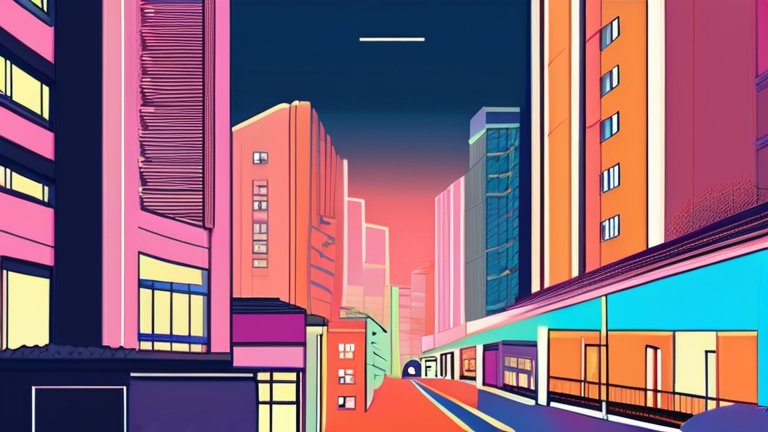
The most visible change is the decentralization of daily routines. When the office is no longer a mandatory destination, the concept of “going somewhere” changes. People are no longer rushing to downtown skyscrapers at 8:00 AM. Instead, they are spending their mornings in local coffee shops, libraries, and co-working spaces within their own neighborhoods. This has breathed new life into local economies that had been starving during the pandemic. Independent bookstores, artisanal bakeries, and boutique fitness studios are seeing a resurgence, not from tourists, but from residents who treat their immediate surroundings as their primary social hub.
Food culture, in particular, has undergone a significant transformation. The lunch rush, once dominated by corporate workers grabbing quick, standardized meals, has evolved into a slower, more experiential affair. Remote workers have the luxury of time to explore local culinary offerings. They are discovering hidden gems, engaging with chefs, and participating in community dinners that foster genuine connections. The urban dining scene is becoming less about efficiency and more about exploration and personal growth through gastronomy.
Travel patterns are also shifting. The rigid structure of weekly commutes has been replaced by the possibility of “workations.” Many professionals are now adopting a hybrid model, spending part of the week in their home city and part in secondary cities or rural areas. This trend is redistributing wealth from major metropolitan hubs to smaller towns. These smaller communities are investing in high-speed internet and public spaces to accommodate this influx of digital nomads, leading to a revitalization of infrastructure and a cross-pollination of ideas between city dwellers and local residents.
However, this resh