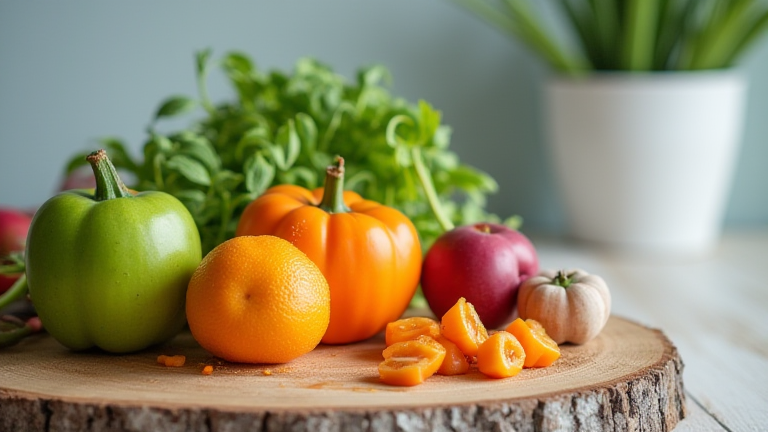
TL;DR: You do not need to spend a fortune on superfoods to achieve optimal health, as nutrient-dense options are often affordable and locally available. Prioritizing whole, unprocessed ingredients over trendy, expensive supplements allows you to maintain wellness while practicing financial frugality.
The Myth of the Superfood Budget
In the modern wellness industry, there is a pervasive narrative that health requires a significant financial commitment. We are bombarded with advertisements for acai bowls, kale chips, and exotic berries that cost a premium at the grocery store. However, true health is not defined by the price tag of your ingredients but by the quality of your relationship with food. Frugality, often misunderstood as mere saving, is actually a powerful tool for sustainable living. By shifting our perspective, we can discover that some of the most potent nutritional powerhouses are humble, inexpensive staples that have sustained cultures for centuries.
If you want to dig deeper, check out our guide on Top 10 Tech Trends Shaping 2026: What You Need to Know.
Returning to Roots for Growth
Consider the cultural richness found in traditional diets. Many indigenous communities thrived on simple ingredients like lentils, brown rice, oats, and seasonal root vegetables. These foods are not only incredibly affordable but also deeply connected to the land and local seasons. Embracing frugality in your kitchen is an act of personal growth. It forces you to become more creative, to plan meals intentionally, and to appreciate the subtle flavors of whole foods. Instead of relying on expensive processed health snacks, you can experiment with spices, herbs, and basic cooking techniques that transform simple beans into complex, satisfying dishes. This approach reduces waste and encourages mindfulness, key components of both mental and physical well-being.
Smart Shopping Strategies
To adopt this frugal mindset, start by visiting local farmers’ markets towards the end of the day when prices often drop. Buy in bulk for staples like dried beans, nuts, and grains, which offer the best cost-per-nutrient ratio. Frozen fruits and vegetables are another excellent option, often packed at peak ripeness and retaining their nutritional value while costing less than their fresh counterparts. By focusing on variety and balance rather than hype, you create a diet that supports your body without draining your wallet. Health is a journey, not a purchase, and the most valuable ingredient you can add is consistency, not cash.
FAQ
Q: Are expensive superfoods actually better for you?
A: No, many superfoods are just nutrient-dense regular foods with marketing hype. Common items like spinach, blueberries, and quinoa are often cheaper alternatives that provide similar or better nutritional benefits.
Q: How can I save money on healthy eating?
A: Focus on buying seasonal produce, purchasing dry beans and grains in bulk, and cooking at home. Meal planning is also essential to reduce food waste and impulse buys.
Q: Is frugality compatible with a high-performance lifestyle?
A: Absolutely. Frugality encourages mindful consumption and resourcefulness, which can enhance mental clarity and reduce stress, supporting overall performance without the financial burden.