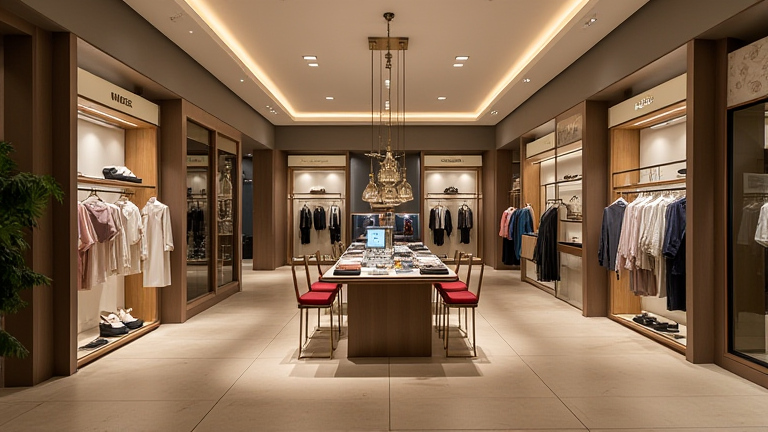
TL;DR: Luxury brands are not abandoning physical stores entirely, but they are increasingly adopting an online-first strategy to reach younger, digital-native consumers. The future lies in a hybrid model where digital channels drive initial engagement and sales, while physical spaces serve as experiential brand temples rather than traditional retail outlets.
The Digital Shift in High-End Retail
The traditional notion of luxury retail, defined by opulent flagship stores in major global capitals, is undergoing a profound transformation. While the idea that major luxury houses are selling “only” online is a myth, the weight of their commercial strategy is shifting decisively toward digital platforms. According to recent market data from McKinsey & Company, digital channels now account for approximately 25% to 30% of total luxury sales globally, a figure that has skyrocketed since the onset of the pandemic. This surge is not temporary; it represents a structural change in consumer behavior, particularly among Millennials and Gen Z, who constitute the fastest-growing segment of luxury consumers.
If you want to dig deeper, check out our guide on How to Fix iPhone 15 Screen Replacement Costs: A Complete Gu.
Expert insights suggest that this shift is driven by the demand for convenience, personalization, and seamless omnichannel experiences. Luxury brands are leveraging artificial intelligence and data analytics to create hyper-personalized shopping journeys online. For instance, brands like Gucci and Balenciaga have invested heavily in virtual showrooms and augmented reality try-on features, allowing customers to engage with products from anywhere in the world. These innovations reduce the friction of traditional shopping while maintaining the exclusivity and allure associated with high-end goods.
Furthermore, the cost structure of maintaining physical stores is becoming increasingly unsustainable for many brands. With rising real estate costs and operational expenses, digital channels offer a higher return on investment. However, this does not mean the end of brick-and-mortar retail. Instead, physical stores are being reimagined as brand experience centers. They focus on immersive experiences, clienteling, and community building rather than sheer transaction volume. This strategic pivot allows brands to maintain their heritage and tactile appeal while capitalizing on the efficiency and reach of e-commerce.
Future Predictions and Market Evolution
Looking ahead, the luxury industry will likely see a further consolidation of digital capabilities. We predict that by 2025, over 50% of luxury transactions will involve some form of digital interaction, even if the final purchase occurs in-store. Brands will continue to integrate online and offline channels more seamlessly, using data to inform inventory management and personalized marketing. Additionally, the rise of Web3 and the metaverse presents new opportunities for luxury brands to create digital-only products and virtual experiences, potentially creating entirely new revenue streams that exist solely online.
Despite the digital boom, the tactile nature of luxury goods remains a critical factor. Therefore, a complete abandonment of physical stores is unlikely. Instead, the trend will move towards smaller, more strategic physical locations that complement the online shopping experience. Brands will focus on creating memorable, Instagrammable moments in-store that drive social media engagement and online traffic. This symbiotic relationship between digital and physical channels will define the next era of luxury retail, balancing efficiency with exclusivity.
FAQ
Q: Are luxury brands completely closing their physical stores?
A: No, luxury brands are not closing all physical stores. They are reimagining them as experiential spaces while increasing their focus on digital sales channels.
Q: Why are luxury brands investing so much in online sales?
A: Brands are investing in online sales to reach younger, digital-native consumers, reduce operational costs, and provide personalized, convenient shopping experiences.
Q: What is the future of physical luxury retail?
A: Physical stores will likely become smaller, experience-focused “temples” that complement online channels by offering immersive brand experiences rather than just transactional spaces.