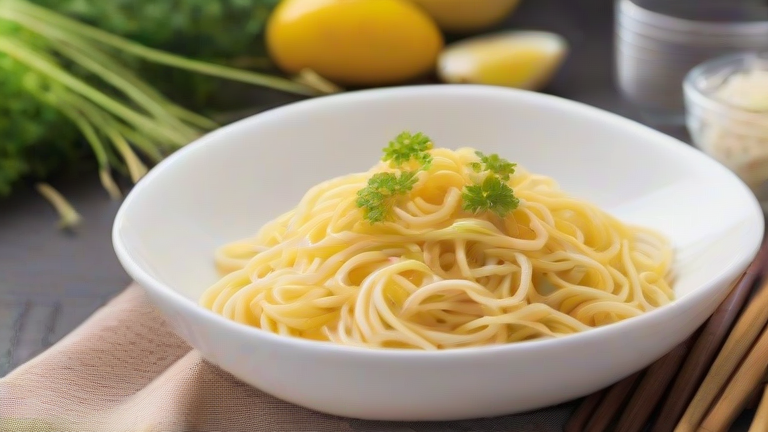
TL;DR: Salmonella contamination in noodles is rare but possible, primarily due to cross-contamination or improper storage rather than the dried product itself. You can handle it safely by maintaining strict hygiene, washing hands thoroughly, and ensuring noodles are cooked to the appropriate temperature to kill any potential pathogens.
Understanding the Risk
While most commercially packaged dry noodles are shelf-stable and low-risk, incidents of Salmonella have been reported in the food industry. According to the Centers for Disease Control and Prevention (CDC), Salmonella is a common cause of foodborne illness. In the context of noodles, the risk usually stems from wet ingredients like eggs, milk, or fresh herbs added during preparation, or from cross-contamination in shared kitchens. Dried wheat or rice noodles are generally safe because the drying process inhibits bacterial growth. However, if a package is compromised, or if fresh egg noodles are stored improperly, bacteria can multiply rapidly. It is crucial to recognize that “safe” handling begins long before you boil the water. This involves checking expiration dates, inspecting packaging for damage, and storing dry goods in a cool, dry place away from pests. Fresh egg noodles, on the other hand, must be refrigerated and consumed within a few days. Understanding these distinctions helps you identify where the actual danger lies. By differentiating between dry and fresh products, you can apply the correct safety protocols. This awareness is the first line of defense against foodborne illness.
If you want to dig deeper, check out our guide on Big Tech Spends $500M to Stop Universal Basic Income.
Prevention and Safe Handling Tips
Prevention is far easier than treatment when it comes to food safety. The first rule is hand hygiene. Wash your hands with soap and warm water for at least twenty seconds before handling any food, including noodles. This simple habit removes pathogens that may have transferred from other surfaces. Next, prevent cross-contamination. Use separate cutting boards and utensils for raw meats and ready-to-eat foods like noodles. If you are making a stir-fry, ensure that the vegetables and noodles are cooked separately from raw meats to avoid juice transfer. When cooking, always follow the package instructions. For most dried noodles, boiling in water for the recommended time ensures they are fully hydrated and any surface contaminants are killed. For fresh egg noodles, cook until they are tender and reach an internal temperature of at least 165°F (74°C). Never leave cooked or raw noodles at room temperature for more than two hours. Bacteria thrive in the “danger zone” between 40°F and 140°F. If you are unsure about the safety of a batch of noodles, trust your senses. Discard any product that smells sour, looks discolored, or has visible mold. Finally, consider your overall lifestyle. A strong immune system helps your body fight off minor exposures. Ensure you are getting adequate sleep, staying hydrated, and consuming a balanced diet rich in fruits and vegetables. These lifestyle factors support gut health and overall resilience, making you less susceptible to illness even if you encounter minor food safety lapses.
FAQ
Q: Can dried noodles actually contain live Salmonella?
A: It is highly unlikely for dried noodles to contain live Salmonella because the low moisture content inhibits bacterial growth, but cross-contamination during manufacturing or packaging is a rare possibility.
Q: How long should I boil noodles to ensure they are safe to eat?
A: Follow the package directions, but generally, boil dried noodles for 8-12 minutes until tender, ensuring the water remains at a rolling boil to maintain a temperature high enough to kill bacteria.
Q: What are the signs that noodles have gone bad?
A: Look for signs of spoilage such as an off or sour smell, discoloration, visible mold, or a slimy texture, and discard any product that exhibits these characteristics immediately.