What Bothered You About Sugar? Sugar Substitute Users Speak
TL;DR: Modern sugar substitutes have evolved from simple sweeteners to complex, multi-functional ingredients that address texture, stability, and metabolic health simultaneously. Users are no longer just seeking sweetness but are driving demand for high-fidelity, low-calorie solutions that mimic sucrose’s physical properties without the glycemic spike.
The Shift from Artificial to Functional
The landscape of alternative sweeteners has undergone a radical transformation in the last eighteen months. Gone are the days when consumers had to choose between the metallic aftertaste of early saccharin and the bloating issues associated with certain polyols. The latest developments focus on “clean label” alternatives that utilize advanced fermentation and enzymatic processing. Companies are now producing high-intensity sweeteners that are structurally similar to sucrose, allowing them to integrate seamlessly into baking applications without compromising volume or browning. This technological leap addresses the primary complaint of long-time diet soda users: the lack of culinary versatility.
If you want to dig deeper, check out our guide on Lab-Grown Meat: How Synthetic Bio Mimics Wild Game Flavor.
Technical Specifications and Chemical Engineering
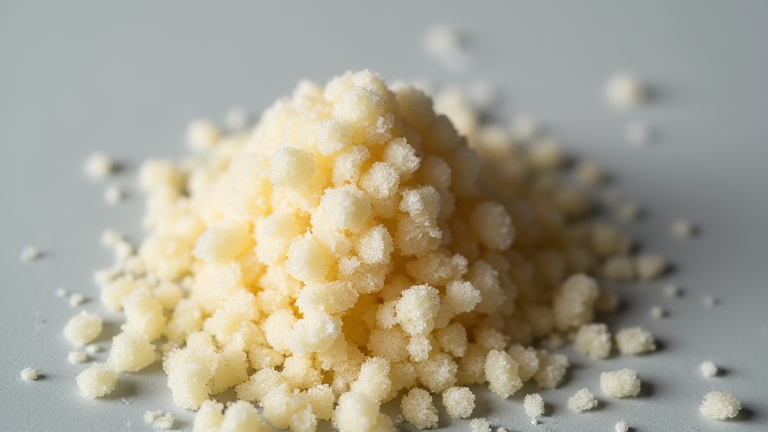
Recent industry white papers highlight the rise of allulose and allulose blends as the new benchmark for sugar replacement. Unlike traditional sugar alcohols, allulose is a rare sugar that is not metabolized by the human body, resulting in near-zero calories. Its molecular weight is comparable to glucose, which grants it similar viscosity and solubility characteristics. In high-heat environments, allulose undergoes Maillard reactions similar to sucrose, producing desirable crust colors and flavors in baked goods. Furthermore, the latest generation of stevia derivatives, such as Reb M and Reb A, have been modified to eliminate the bitter anise-like aftertaste that plagued earlier iterations. These specifications are critical for industrial applications where taste profiles must remain consistent across millions of units.
Industry Impact and Supply Chain Dynamics
The food and beverage industry is rapidly adapting to these shifts. Major manufacturers are reformulating flagship products to reduce added sugars by up to 70% while maintaining consumer satisfaction scores. This trend is driven by regulatory pressure in the EU and North America regarding sugar-sweetened beverage taxes. The impact on the supply chain is profound; fermentation facilities are being repurposed to handle the specific biological catalysts required for allulose production. This has led to a consolidation in the biotechnology sector, with smaller specialty chemical firms being acquired by larger agricultural conglomerates to secure raw material stability. Additionally, the rise of personalized nutrition apps is influencing product development, allowing brands to create micro-batches of beverages tailored to specific metabolic profiles, further reducing the reliance on uniform sugar formulations.
Consumer Sentiment and Market Feedback
Surveys conducted in Q3 indicate a significant shift in consumer perception. Users who previously abandoned sugar substitutes due to digestive distress are returning to the category, citing the improved tolerability of new low-dose formulations. The primary remaining concern is the cost premium, which averages 15-20% higher than sucrose-based products. However, this is offset by the perceived health benefits and the reduction in long-term medical costs associated with diabetes and obesity. Brands that transparently communicate the scientific basis of their new formulations are seeing higher retention rates. The dialogue has moved from “is it fake?” to “is it smart?”, reflecting a more educated and discerning consumer base that values functional ingredients over mere calorie counting.
FAQ
Q: Are new sugar substitutes safe for long-term consumption?
A: Regulatory bodies like the FDA and EFSA have approved the latest high-intensity sweeteners for daily use, with no evidence of adverse metabolic effects when consumed within established safe daily limits.
Q: Do these substitutes affect gut health?
A: Modern formulations like allulose are generally well-tolerated and do not ferment in the colon, unlike older polyols, thus minimizing bloating and gastrointestinal discomfort for most users.
Q: Can I replace sugar 1:1 with these new substitutes in recipes?
A: While some blends are designed for direct substitution, others require adjusted ratios due to differences in bulk