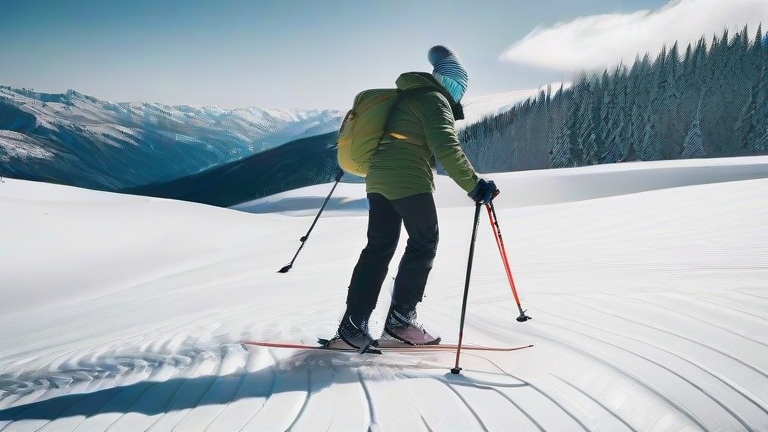
TL;DR: Pack versatile, moisture-wicking layers rather than bulky single items to maximize warmth and mobility. Focus on high-quality insulation and compact footwear to minimize luggage weight while ensuring safety in variable European weather conditions.
The Science of Layering for Efficiency
Effective winter sports packing relies on the principle of thermal regulation. Your body generates heat through metabolism, but wind and moisture can rapidly strip this warmth. Scientific studies indicate that dry air trapped between clothing layers provides superior insulation compared to wet fabric. Therefore, the foundation of your pack is a base layer made from synthetic materials or merino wool, which wicks sweat away from your skin. Cotton, while comfortable in mild weather, is detrimental in cold environments because it retains moisture, leading to rapid heat loss and potential hypothermia. By prioritizing synthetic or wool bases, you ensure that your core temperature remains stable, reducing the physical stress on your cardiovascular system.
If you want to dig deeper, check out our guide on Why Shopify Plus Is Better Than Magento for High-Volume B2C.
Maximizing Utility with Minimal Bulk
When traveling to Europe, space in your luggage is often limited. High-loft synthetic insulation or down jackets offer the best warmth-to-weight ratio. Unlike heavy parkas, these can be compressed into small stuff sacks. However, down loses its insulating properties when wet, so consider a synthetic shell if you plan on activities where moisture exposure is likely, such as hiking through snow or skiing in slushy conditions. Furthermore, versatile footwear is crucial. Instead of packing multiple pairs, select one pair of waterproof, insulated boots with good traction. Look for models with removable liners; these dry quickly overnight and can be worn indoors, eliminating the need for separate indoor slippers. This approach reduces your gear count significantly while maintaining hygiene and comfort.
Lifestyle Tips for Sustainable Packing
Adopt a capsule wardrobe mindset. Choose neutral colors that mix and match easily, allowing you to create multiple outfits from fewer items. This not only saves space but also reduces decision fatigue during your trip. Additionally, research the specific climate of your destination. Alpine regions in Austria or Switzerland differ vastly from coastal areas in Norway. Checking local forecasts allows you to pack precise amounts of gear, avoiding overpacking. Finally, consider renting specialized equipment like skis or snowboards locally. This eliminates the need to transport bulky, heavy items, allowing you to focus on personal clothing and essentials. By combining scientific knowledge of thermal dynamics with practical travel strategies, you can enjoy European winter sports comfortably without being burdened by excessive luggage.
FAQ
Q: Is it better to pack down or synthetic insulation for European winter sports?
A: Down is lighter and more compressible, making it ideal for dry conditions, while synthetic insulation retains warmth when wet, offering better versatility for variable weather.
Q: How many base layers should I pack for a one-week trip?
A: Pack two or three moisture-wicking base layers to allow for rotation and drying, ensuring you always have a clean, dry layer available for daily activities.
Q: Can I get away with packing only one pair of boots?
A: Yes, provided they are high-quality, waterproof, and feature removable liners that can dry quickly, allowing you to reuse them daily without discomfort or odor.