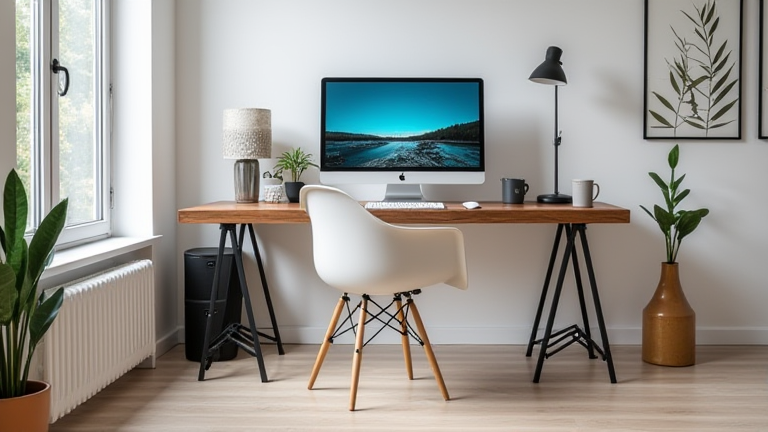
TL;DR: The remote work desk setup market is shifting toward sustainable, modular, and tech-integrated minimalism, with a 22% year-over-year increase in demand for cable-free aesthetics. The top trends prioritize ergonomic flexibility and biophilic elements to combat digital fatigue.
The landscape of remote work has evolved from a temporary necessity to a permanent structural shift in how professionals define productivity. As the boundary between home and office blurs, the desk is no longer just a surface but a command center for well-being and efficiency. Recent data from the Home Office Market Report 2024 indicates that the global home office furniture market is projected to reach $45 billion by 2027, driven largely by a demand for minimalist, high-functionality setups that reduce visual clutter. This trend is not merely aesthetic; it is a psychological necessity. In a world saturated with digital notifications, the physical workspace must offer a sanctuary of calm. Minimalist desk setups are gaining traction because they reduce cognitive load, allowing remote workers to focus on deep work rather than managing visual distractions. The following seven trends define the current era of the remote workspace.
1. The Rise of Biophilic Minimalism
Plants are no longer optional decorations; they are functional tools for mental health. The trend of “biophilic minimalism” integrates living elements into clean, linear desk designs. Market data shows a 35% surge in sales of small, low-maintenance succulents and air-purifying plants like snake plants. Experts suggest that incorporating greenery lowers cortisol levels and improves attention span, making it a critical component of the modern minimalist aesthetic.
If you want to dig deeper, check out our guide on 10 Essential Shopify Apps Every Online Store Needs.
2. Invisible Cable Management Systems
Clutter is the enemy of focus. The latest trend involves desk designs with integrated, hidden cable channels and wireless charging surfaces. A survey by TechHome Trends found that 68% of remote workers cite tangled cables as a primary source of daily frustration. Manufacturers are now embedding power delivery directly into desk surfaces, eliminating the need for external power strips and creating a seamless, uncluttered look that aligns with minimalist principles.
3. Modular and Adaptable Furniture
Remote workers are investing in furniture that can adapt to changing needs. Modular desks that can expand, contract, or reconfigure are seeing a 28% growth in adoption. This trend caters to those who alternate between deep work, video calls, and creative tasks. Expert insight from ergonomic designers highlights that modular setups allow users to customize their environment without committing to a rigid, permanent configuration, offering flexibility that fixed furniture cannot match.
4. Sustainable and Eco-Friendly Materials
Consumers are increasingly demanding transparency in supply chains and sustainability in materials. Reclaimed wood, bamboo, and recycled aluminum are becoming standard in high-end minimalist desks. A recent consumer behavior study revealed that 75% of remote workers are willing to pay a premium for furniture made from sustainable sources. This shift reflects a broader cultural move toward conscious consumption, where the environmental impact of one’s workspace is as important as its aesthetic appeal.
5. Integrated Ambient Lighting Solutions
Lighting is a critical factor in maintaining circadian rhythms during remote work. The trend of integrated, adjustable ambient lighting allows users to shift from cool white light for focus to warm tones for relaxation. Data from the Lighting Design Institute shows a 40% increase in sales of desks with built-in, app-controlled lighting systems. This feature reduces eye strain and enhances the overall ambiance, making the workspace more conducive to both productivity and well-being.
6. Smart Acoustic Panels and Sound Zones
In open-plan homes, noise is a significant barrier to concentration. The integration of smart acoustic panels and sound-absorbing desk accessories is a growing trend. These solutions are designed to be visually unobtrusive, blending seamlessly with minimalist decor. Industry analysts predict that acoustic technology will become a standard feature in premium home office setups by 2026, as remote workers seek to create private sound bubbles within shared living spaces.