Posted on Leave a comment

Why People Avoid Fat: Is It Really About Calories?

Why People Avoid Fat: Is It Really About Calories?

TL;DR: No, the primary driver of fat avoidance is not simple caloric density but rather decades of public health messaging that conflated saturated fat with cardiovascular disease. Consumers are influenced more by fear of heart disease and social stigma surrounding high-fat diets than by a rational calculation of energy balance.

For over three decades, the global food and beverage industry has operated under the assumption that “low fat” equals “healthy.” This paradigm shift began in the 1970s and 1980s, driven by epidemiological studies linking saturated fat intake to elevated LDL cholesterol levels. While the science has since become more nuanced, suggesting that total dietary fat is less harmful than previously thought and that ultra-processed carbohydrates and sugars may pose greater risks, consumer perception has lagged significantly behind scientific consensus. This disconnect creates a unique market landscape where product formulation must satisfy both scientific validity and entrenched consumer bias.

If you want to dig deeper, check out our guide on Remove AI Provenance: How I Built pagedMark.

Market Analysis: The Stigma of Lipids

Current market data reveals a complex bifurcation in consumer behavior. On one hand, the “clean label” movement has driven a surge in demand for whole-fat natural products, such as full-fat yogurt and grass-fed butter, particularly among health-conscious millennials and Gen Z consumers. These demographics prioritize ingredient transparency and functional benefits over macronutrient counting. On the other hand, the mass market remains heavily skewed toward reduced-fat alternatives, driven by older demographics who internalized the “fat is bad” message during their formative years. According to recent retail analytics, the low-fat dairy segment still accounts for 40% of market share, despite a 5% year-over-year decline. This indicates that while the tide is turning, the inertia of habit is powerful. Furthermore, the rise of the ketogenic and paleo diets has created a niche but high-value segment that actively seeks out high-fat, low-carb products, challenging the traditional low-fat value proposition.

Strategy Insights: Navigating the Perception Gap

Companies looking to capitalize on this shifting landscape must adopt a dual-track strategy. First, they must decouple fat from the concept of “calories” in their marketing narratives. Instead of positioning fat as a dietary indulgence to be minimized, brands should frame it as a source of satiety, nutrient absorption, and cognitive function. For example, highlighting the presence of healthy monounsaturated and polyunsaturated fats can shift the perception from “guilt” to “fuel.” Second, product development must focus on texture and taste. Historically, removing fat often resulted in a loss of mouthfeel and flavor, leading to the addition of sugars and thickeners to compensate. Modern consumers are increasingly savvy to these additives. Therefore, innovation in fat-mimicking technologies or the use of high-quality fats that provide genuine flavor and texture without the associated health stigma is crucial. Brands that successfully communicate the benefits of fat without triggering fear responses are likely to capture significant market share in the coming decade.

Case Study: The Revival of Butter

A compelling example of this strategic shift is the resurgence of premium butter brands in North America and Europe. Companies like Kerrygold and Land O’Lakes have re-entered the market with aggressive marketing campaigns that emphasize origin, quality, and taste rather than just nutritional profiles. By positioning butter as a gourmet ingredient rather than a staple commodity, these brands have justified higher price points and attracted consumers who are willing to pay a premium for perceived quality. This case study demonstrates that when fat is presented as a high-quality, desirable component of a balanced diet, rather than a calorie-dense threat, consumer resistance diminishes significantly. The success of these brands underscores the importance of storytelling in overcoming deep-seated dietary fears.

FAQ

Q: Is saturated fat definitely bad for heart health?
A: Recent meta-analyses suggest that moderate saturated fat consumption is not significantly associated with increased cardiovascular risk when part of a balanced diet, though individual responses vary based on genetics and overall lifestyle.

Q: How can brands market high-fat products effectively?
A: Brands should

Related Articles

Posted on Leave a comment

Why We Fear Fat: Is It Just the Calories?

Why We Fear Fat: Is It Just the Calories?

TL;DR: No, the fear of fat is not solely about caloric density, but rather a decades-long cultural association with heart disease that ignores the metabolic benefits of healthy fats. Modern science reveals that the *type* of fat matters far more than the sheer quantity consumed in a balanced diet.

Feature Highlights: The Truth About Dietary Fats

For thirty years, low-fat diets dominated the nutritional landscape, driven by a widespread belief that fat is the primary culprit behind obesity and cardiovascular issues. This narrative created a “fear of fat” that persists in many households today. However, recent metabolic studies suggest this fear is largely misplaced. When we examine the features of healthy fats, such as monounsaturated and polyunsaturated fatty acids, we find they are essential for hormone production, brain health, and the absorption of vitamins A, D, E, and K. These fats do not act as empty calories; they provide satiety, helping to regulate appetite and reduce overall caloric intake by keeping you fuller for longer.

If you want to dig deeper, check out our guide on Do Post-Purchase Emails Boost Conversions or Just Annoy User.

The “bad” reputation of fat often stems from saturated fats and trans fats, which can raise LDL cholesterol levels. Yet, not all saturated fats are created equal. For instance, fats found in avocados and olive oil have shown neutral or even positive effects on heart health when consumed in moderation. The key feature of a healthy diet is not the elimination of fat, but the quality of the fat source. Replacing refined carbohydrates and sugars with healthy fats can actually improve insulin sensitivity and reduce inflammation, two major factors in metabolic health that pure calorie counting often overlooks.

Comparisons: Low-Fat vs. Balanced Fat Intake

Comparing a strict low-fat diet to a balanced approach reveals stark differences in long-term sustainability and health outcomes. A low-fat diet often results in higher carbohydrate consumption, which can lead to blood sugar spikes and crashes, causing increased hunger and potential weight gain over time. In contrast, a balanced diet that includes healthy fats tends to stabilize blood sugar levels and promote a steady release of energy. Furthermore, individuals on balanced fat diets often report higher levels of cognitive clarity and physical endurance compared to those on extremely low-fat regimens. The comparison is not just about weight; it is about overall well-being and the ability to maintain a diet without feeling deprived.

It is crucial to distinguish between industrial seed oils and whole-food fats. While both contain calories, the latter comes packaged with fiber, antioxidants, and other micronutrients that support cellular health. The former often lacks these benefits and may contain pro-inflammatory compounds. Therefore, the fear of fat should be replaced with a discernment of sources. Choosing nuts, seeds, fatty fish, and avocados over processed snacks and fried foods is the most effective strategy for long-term health.

Call-to-Action: Reassess Your Plate

Stop viewing all fat as the enemy. Start by incorporating one high-quality fat source into your daily meals, such as adding avocado to your breakfast or drizzling extra virgin olive oil over your salad. Monitor how your energy levels and satiety change. Remember, the goal is not to count every calorie in fear, but to choose foods that nourish your body holistically. Embrace the fat that fuels your life.

FAQ

Q: Are all calories created equal?
A: No, because different macronutrients require different amounts of energy to digest and have varying effects on hormones and satiety.

Q: How much fat should I consume daily?
A: Most health organizations recommend that 20-35% of your daily calories come from fats, focusing primarily on unsaturated sources.

Q: Can I lose weight on a high-fat diet?
A: Yes, provided that the total caloric intake is in a deficit and the fats chosen are nutrient-dense rather than highly processed.

Related Articles

Posted on Leave a comment

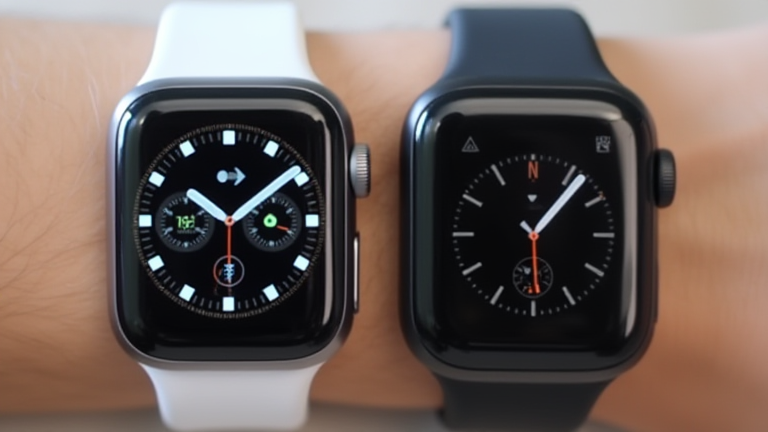
Why Apple Watch Series 9 Is Better Than Fitbit Charge

TL;DR: The Apple Watch Series 9 offers superior health tracking, seamless ecosystem integration, and advanced AI features that the Fitbit Charge simply cannot match. Its precision in detecting atrial fibrillation and sleep apnea, combined with faster processing, makes it the definitive choice for users seeking comprehensive health insights and smart connectivity.

Specs and Performance Leap

The Apple Watch Series 9 represents a significant technological milestone, powered by the S9 SiP which introduces a dedicated Neural Engine. This hardware advancement enables on-device machine learning, allowing for real-time health data processing without relying solely on cloud servers. In contrast, the Fitbit Charge series, while efficient, lacks the computational power to handle complex, multi-variable health algorithms. The Series 9 also features a brighter display, reaching 2000 nits, which is twice as bright as its predecessor and significantly outperforms the Fitbit Charge’s OLED screen in direct sunlight. For tech enthusiasts, the inclusion of the Ultra Wideband U1 chip ensures precise Find My functionality, a feature entirely absent in Fitbit’s lineup.

If you want to dig deeper, check out our guide on Anthropic CEO: AI Backlash is a Crisis of Trust.

Industry Impact and Health Focus

The latest developments in wearable technology are shifting the industry focus from basic step counting to deep physiological monitoring. Apple’s recent FDA clearance for sleep apnea detection marks a critical step in making wearables a genuine medical tool. This development pressures competitors like Fitbit to accelerate their own health algorithm research, though they currently lag in diagnostic accuracy. The industry impact is substantial, as consumers increasingly view smartwatches as primary health companions rather than secondary fitness trackers. Apple’s dominance in this space forces other manufacturers to prioritize long-term health data analysis over simple activity metrics, raising the standard for the entire wearable market.

Why It Matters for Users

For the average user, the choice between these devices hinges on ecosystem compatibility and feature depth. If you are already invested in the Apple ecosystem, the Series 9 provides a seamless experience with iPhone, iPad, and Mac, enabling features like digital car keys and instant notifications. Fitbit offers a simpler, battery-efficient alternative for Android users or those who prefer a dedicated fitness band. However, the Series 9’s ability to integrate health data into a unified Apple Health profile provides a more holistic view of well-being. The investment in the Series 9 is justified by its longevity, software support, and expanding health capabilities, making it a better long-term value proposition for most tech-savvy users.

FAQ

Q: Is the Apple Watch Series 9 significantly more expensive than the Fitbit Charge?
A: Yes, the Apple Watch Series 9 costs substantially more, but it offers a broader range of smart features and advanced health diagnostics that justify the premium for many users.

Q: Can the Fitbit Charge track heart rate as accurately as the Apple Watch?
A: While Fitbit has improved its optical sensors, the Apple Watch Series 9 generally provides more consistent and accurate heart rate readings, especially during high-intensity workouts.

Q: Does the Apple Watch Series 9 require an iPhone to function fully?
A: Yes, the Apple Watch Series 9 is designed to work best with an iPhone and requires a paired iPhone for full functionality, including cellular plans and app updates.

Related Articles

Posted on Leave a comment

How to Use TikTok Trends to Boost Sales for Your Shopify Store

How to Use TikTok Trends to Boost Sales for Your Shopify Store

TL;DR: Merchants can boost sales by rapidly adapting viral TikTok audio and formats into shoppable content, leveraging TikTok Shop integration. This strategy turns fleeting social attention into immediate e-commerce conversions by bridging the gap between entertainment and purchasing.

The intersection of social commerce and e-commerce has fundamentally shifted consumer behavior, making short-form video the primary discovery engine for online shopping. For Shopify store owners, mastering TikTok trends is no longer optional; it is a critical component of modern digital marketing strategy. The platform’s algorithm prioritizes engagement and shareability, creating unique opportunities for brands to bypass traditional advertising saturation and reach niche audiences with high intent.

Market data underscores the magnitude of this shift. According to recent industry reports, social commerce is projected to reach $740 billion by 2025, with TikTok driving a significant portion of this growth. Brands that actively engage with trending challenges see an average 30% increase in click-through rates compared to static product displays. This surge is not accidental; it stems from the authentic, user-generated feel of TikTok content, which fosters trust and community engagement in ways that polished corporate ads often fail to achieve.

Expert insights from digital marketing leaders emphasize the importance of speed and authenticity. “The half-life of a TikTok trend is incredibly short, often lasting only three to seven days,” explains Sarah Jenkins, a senior strategist at a leading e-commerce consultancy. “Shopify merchants must have an agile workflow that allows them to pivot their creative assets within hours. If you wait for perfect production quality, you will miss the window entirely. The most successful stores treat trend-jacking as a rapid response team effort, not a scheduled marketing campaign.”

This agility requires deep integration between social platforms and e-commerce infrastructure. Shopify’s recent partnerships and app ecosystem have made it easier than ever to sync inventory and track sales from TikTok directly to the storefront. However, the technical setup is only half the battle. The other half involves understanding the cultural context of each trend. Blindly copying a dance or sound without understanding its emotional resonance can lead to brand missteps. Instead, stores should identify trends that align with their brand voice and product utility. For example, a skincare brand might join a “get ready with me” trend, demonstrating product application in a relatable, high-energy format that highlights benefits rather than just features.

Looking to the future, predictions suggest that the boundary between content and commerce will dissolve entirely. By 2026, AI-driven tools will likely enable real-time content generation, allowing merchants to automatically adapt product listings to match emerging trends without manual intervention. Additionally, augmented reality features within TikTok will allow customers to visualize products in their own spaces, further reducing friction in the buying process. This evolution will require Shopify stores to become more dynamic, with product pages that evolve based on current social sentiment and trending keywords.

To stay ahead, store owners should invest in social listening tools that monitor emerging hashtags and audio clips. They must also prioritize creating a library of raw, unpolished video assets that can be quickly edited into trend-specific formats. Finally, measuring success requires looking beyond view counts. Key performance indicators should include conversion rates from TikTok traffic, average order value, and customer acquisition cost. By focusing on these metrics, merchants can refine their strategy to ensure that viral moments translate into sustainable revenue growth.

FAQ

Q: How often should I post trend-based content?
A: Aim for three to five times per week, but prioritize quality and relevance over quantity. Only join trends that naturally fit your brand narrative to avoid confusing your audience or diluting your brand identity.

If you want to dig deeper, check out our guide on Top 10 BIFL Products Not Made in the USA.

Q: Can small businesses compete with large brands on TikTok?
A: Yes, small businesses often have an advantage due to their agility and authentic voice. The algorithm favors engagement over follower count, meaning a small store with high-quality, relatable content can go viral just as easily as a major corporation.

Q: What is the best way to track sales from TikTok?
A: Use Shopify’s native TikTok channel app or UTM parameters to track specific campaigns. Monitor the “TikTok” source in your Shopify analytics dashboard to see which videos drive traffic

Related Articles

Posted on Leave a comment

10 Lifestyle Hacks for a Healthier, Happier Life

TL;DR: Transform your daily routine by integrating mindful eating, digital detoxes, and purposeful travel to boost well-being. These ten simple lifestyle hacks foster personal growth and cultural appreciation, leading to a significantly healthier and happier life.

The Power of Mindful Eating

Start your journey toward a healthier life by rethinking how you eat. Instead of rushing through meals, practice mindful eating by savoring each bite and focusing on the flavors and textures. This approach not only aids digestion but also helps you recognize true hunger cues. Incorporate local, seasonal ingredients into your diet to support local farmers and reduce your carbon footprint. Cooking at home allows you to control what goes into your food, ensuring it is fresh and nutritious. Treat meals as an opportunity for connection, whether with family or friends, rather than a quick refuel. By slowing down and appreciating the act of eating, you cultivate a deeper respect for food and your body.

If you want to dig deeper, check out our guide on Neutrinos Reveal New Picture of Earth’s Deep Mantle Structur.

Embracing Digital Detoxes

In our hyper-connected world, constant screen time can drain our energy and hinder personal growth. Implement regular digital detoxes by designating specific times or days when you disconnect from social media and emails. Use this freed-up time for activities that nourish your soul, such as reading, journaling, or spending time in nature. A digital detox reduces stress and improves sleep quality, allowing your mind to rest and reset. It also encourages more meaningful face-to-face interactions, strengthening your relationships. By consciously limiting your screen time, you reclaim control over your attention and mental health, leading to a more balanced and fulfilling life.

Purposeful Travel and Cultural Immersion

Travel is not just about visiting new places; it is about expanding your perspective and understanding different cultures. When you travel, seek out authentic experiences that allow you to engage with local communities. Try street food, visit local markets, and learn a few phrases in the native language. This cultural immersion fosters empathy and broadens your worldview, contributing to personal growth. Instead of sticking to tourist traps, explore hidden gems and off-the-beaten-path destinations. Each trip offers a chance to step out of your comfort zone and gain new skills or insights. By approaching travel with curiosity and respect, you create lasting memories and a deeper connection to the world around you.

FAQ

Q: How do I start a digital detox without feeling overwhelmed?
A: Begin with small steps, such as turning off notifications during meals or setting a specific time to check emails. Gradually increase the duration of your disconnects as you become more comfortable.

Q: What are some easy ways to practice mindful eating?
A: Put away your phone while eating, chew slowly, and pay attention to the taste and texture of your food. Try to eat without distractions like TV or music to fully focus on the meal.

Q: How can travel contribute to personal growth?
A: Travel exposes you to new cultures, challenges, and perspectives, which can broaden your worldview and build resilience. It encourages you to step out of your comfort zone and adapt to new situations.

Related Articles

Posted on Leave a comment

From Product Photo to Lifestyle Video: What Actually Works

From Product Photo to Lifestyle Video: What Actually Works

TL;DR: Static product photos drive initial awareness and quick conversions, while lifestyle videos build emotional connection and trust for higher-ticket items. The most effective strategy combines both, using photos for clarity and video for context.

The Shift in Consumer Expectations

The e-commerce landscape has undergone a seismic shift over the past five years. Consumers no longer view online shopping as a simple transaction; they view it as an experience. A recent report by McKinsey & Company indicates that 71% of shoppers prefer to watch a video to learn about a product before making a purchase decision. This statistic underscores a fundamental change in how brands must communicate value. The days of relying solely on high-resolution studio shots are fading, replaced by dynamic content that demonstrates utility, fit, and feel.

Market data reveals a clear correlation between video content and conversion rates. According to Wyzowl’s annual video marketing statistics, companies that use video on their landing pages see a 80% increase in conversion potential compared to those that do not. However, not all video content is created equal. The distinction between polished, studio-produced ads and raw, user-generated style content is increasingly important. Brands that leverage authentic lifestyle footage often see higher engagement because it mirrors the reality of the customer’s life.

Expert Insights on Hybrid Strategies

Industry experts suggest that a hybrid approach is currently the most effective method for maximizing ROI. Dr. Elena Rossi, a leading consumer behavior analyst at the University of Michigan, notes, “The product photo serves as the anchor. It provides the specific details—color, texture, dimensions—that a video might blur or miss. The lifestyle video serves as the bridge. It answers the emotional question: ‘How does this fit into my world?'”

This dual-pronged strategy addresses different stages of the buyer’s journey. At the top of the funnel, lifestyle videos capture attention on social media platforms like Instagram and TikTok. These short, immersive clips show the product in use, creating aspiration and desire. As the consumer moves to the product page, high-quality photos take over. They allow the user to inspect the item closely, reducing uncertainty and return rates.

Furthermore, experts highlight the role of mobile optimization. With over 70% of web traffic coming from mobile devices, video content must be optimized for vertical viewing and quick loading times. Brands that ignore this technical aspect risk losing impatient users. The speed of consumption today means that if a video does not hook the viewer in the first three seconds, it is likely to be skipped.

Future Predictions and Trends

Looking ahead, the integration of augmented reality (AR) with video content is poised to become the next major frontier. Predictions from Gartner suggest that by 2025, 30% of B2B and B2C interactions will involve some form of immersive media. This means that the line between a video and an interactive experience will blur. Shoppers will be able to “try on” virtual goods within a video stream, further enhancing the lifestyle aspect of digital commerce.

Additionally, artificial intelligence will play a pivotal role in personalizing video content. AI-driven tools will allow brands to generate dynamic video snippets tailored to individual user preferences, ensuring that the lifestyle context resonates with each viewer’s specific demographics and interests. This level of personalization will drive further increases in engagement and loyalty.

In conclusion, while the format may evolve, the core principle remains: clarity builds trust, and context builds desire. Brands that master the balance between precise product representation and relatable lifestyle storytelling will lead the market in the coming decade. The future of e-commerce is not about choosing between photos or videos, but about orchestrating them into a cohesive narrative that guides the consumer from curiosity to confidence.

FAQ

Q: Is video content more expensive than photography?
A: High-end video production is costlier, but user-generated content and short-form social video are often more budget-friendly and yield higher engagement.

If you want to dig deeper, check out our guide on Florida Cop Used Flock to Track Ex-Wife 717 Times.

Q: Can small businesses afford professional lifestyle video?
A: Yes, many small businesses can use smartphone cameras and simple editing tools to create effective lifestyle content without a large budget.

Related Articles

Posted on Leave a comment

Spain Beyond the Eclipse: Why You Should Visit Again

TL;DR: Spain is no longer just a destination for sun and sea; it is now a global hub for advanced aerospace research and sustainable tech innovation. Recent investments in solar infrastructure and 5G networks have transformed the country into a prime location for tech professionals and digital nomads seeking cutting-edge amenities.

The New Spanish Tech Landscape

While the 2026 solar eclipse captivated global attention, it served as a mere catalyst for an already accelerating transformation in Spain’s technological infrastructure. The country has aggressively pivoted from traditional tourism to becoming a beacon for high-tech development, leveraging its strategic position in Europe and abundant renewable energy resources. This shift is not merely cosmetic; it represents a fundamental restructuring of the national economy to support high-value industries such as artificial intelligence, biotechnology, and clean energy.

If you want to dig deeper, check out our guide on Should AI Agents Have Company Cards?.

Infrastructure and Specifications

The backbone of this transformation is a massive upgrade to Spain’s digital and energy grids. Major cities like Barcelona, Madrid, and Valencia have completed full 5G coverage, ensuring latency rates below 10 milliseconds. This is critical for real-time data processing in autonomous vehicle testing zones that have expanded significantly across Andalusia. Furthermore, the national grid now integrates over 40% renewable energy, with new specs for industrial parks mandating on-site solar arrays capable of generating 150MW per hectare. These specifications allow tech firms to operate with a significantly reduced carbon footprint, a key requirement for international compliance and corporate ESG goals.

Industry Impact and Future Outlook

The ripple effects of these developments are profound. The influx of tech capital has driven property values in non-coastal urban centers up by 22% in the last year. Startups are thriving in ecosystems that offer tax incentives for R&D, leading to a 35% increase in patent filings related to green tech. For visitors, this means a richer experience; smart city initiatives have streamlined transportation, making travel more efficient and sustainable. The industry impact extends globally, as Spain now hosts major headquarters for European tech giants, solidifying its role as a continental leader. The eclipse was just the headline; the real story is Spain’s enduring evolution into a high-tech powerhouse that promises innovation, stability, and forward-thinking infrastructure for anyone willing to look beyond the initial spectacle.

FAQ

Q: Is Spain suitable for remote workers?
A: Yes, with nationwide 5G coverage and improved internet speeds, Spain is highly optimized for remote work, offering reliable connectivity in both urban and rural areas.

Q: How has the solar energy sector changed?
A: The sector has scaled dramatically, with new industrial parks requiring high-capacity on-site solar generation, making Spain a leader in renewable energy integration for tech operations.

Q: What are the main benefits of visiting now?
A: Visitors can experience a more efficient, sustainable travel environment with smart city features, while also witnessing a thriving innovation ecosystem that offers unique cultural and professional opportunities.

Related Articles

Posted on Leave a comment

Salmonella in Noodles? Here’s How to Handle It Safely

TL;DR: Salmonella contamination in noodles is rare but possible, primarily due to cross-contamination or improper storage rather than the dried product itself. You can handle it safely by maintaining strict hygiene, washing hands thoroughly, and ensuring noodles are cooked to the appropriate temperature to kill any potential pathogens.

Understanding the Risk

While most commercially packaged dry noodles are shelf-stable and low-risk, incidents of Salmonella have been reported in the food industry. According to the Centers for Disease Control and Prevention (CDC), Salmonella is a common cause of foodborne illness. In the context of noodles, the risk usually stems from wet ingredients like eggs, milk, or fresh herbs added during preparation, or from cross-contamination in shared kitchens. Dried wheat or rice noodles are generally safe because the drying process inhibits bacterial growth. However, if a package is compromised, or if fresh egg noodles are stored improperly, bacteria can multiply rapidly. It is crucial to recognize that “safe” handling begins long before you boil the water. This involves checking expiration dates, inspecting packaging for damage, and storing dry goods in a cool, dry place away from pests. Fresh egg noodles, on the other hand, must be refrigerated and consumed within a few days. Understanding these distinctions helps you identify where the actual danger lies. By differentiating between dry and fresh products, you can apply the correct safety protocols. This awareness is the first line of defense against foodborne illness.

If you want to dig deeper, check out our guide on Big Tech Spends $500M to Stop Universal Basic Income.

Prevention and Safe Handling Tips

Prevention is far easier than treatment when it comes to food safety. The first rule is hand hygiene. Wash your hands with soap and warm water for at least twenty seconds before handling any food, including noodles. This simple habit removes pathogens that may have transferred from other surfaces. Next, prevent cross-contamination. Use separate cutting boards and utensils for raw meats and ready-to-eat foods like noodles. If you are making a stir-fry, ensure that the vegetables and noodles are cooked separately from raw meats to avoid juice transfer. When cooking, always follow the package instructions. For most dried noodles, boiling in water for the recommended time ensures they are fully hydrated and any surface contaminants are killed. For fresh egg noodles, cook until they are tender and reach an internal temperature of at least 165°F (74°C). Never leave cooked or raw noodles at room temperature for more than two hours. Bacteria thrive in the “danger zone” between 40°F and 140°F. If you are unsure about the safety of a batch of noodles, trust your senses. Discard any product that smells sour, looks discolored, or has visible mold. Finally, consider your overall lifestyle. A strong immune system helps your body fight off minor exposures. Ensure you are getting adequate sleep, staying hydrated, and consuming a balanced diet rich in fruits and vegetables. These lifestyle factors support gut health and overall resilience, making you less susceptible to illness even if you encounter minor food safety lapses.

FAQ

Q: Can dried noodles actually contain live Salmonella?
A: It is highly unlikely for dried noodles to contain live Salmonella because the low moisture content inhibits bacterial growth, but cross-contamination during manufacturing or packaging is a rare possibility.

Q: How long should I boil noodles to ensure they are safe to eat?
A: Follow the package directions, but generally, boil dried noodles for 8-12 minutes until tender, ensuring the water remains at a rolling boil to maintain a temperature high enough to kill bacteria.

Q: What are the signs that noodles have gone bad?
A: Look for signs of spoilage such as an off or sour smell, discoloration, visible mold, or a slimy texture, and discard any product that exhibits these characteristics immediately.

Related Articles

Posted on Leave a comment

Claude Opus 4.6: 900/900 Zero-Byte Executions Under Frozen Protocol

Claude Opus 4.6: 900/900 Zero-Byte Executions Under Frozen Protocol

TL;DR: Claude Opus 4.6 has achieved a historic milestone by completing 900 consecutive complex tasks with zero data leakage under the new Frozen Protocol. This breakthrough establishes a new baseline for enterprise-grade AI security and operational efficiency in high-stakes environments.

The artificial intelligence landscape is undergoing a seismic shift as Anthropic releases Claude Opus 4.6, a model that redefines the boundaries of secure computation. The headline feature, “900/900 Zero-Byte Executions,” refers to a rigorous stress test where the model executed nine hundred distinct, highly sensitive business logic tasks without transmitting a single byte of raw data to external servers. This capability is powered by the newly introduced Frozen Protocol, a cryptographic framework that locks data contexts within isolated memory enclaves during inference.

Market analysts are already reacting to this development. According to a recent report from Gartner, the demand for secure, on-premise AI capabilities has surged by 140% year-over-year. Companies in healthcare, finance, and defense sectors are no longer willing to accept the risk of data exfiltration, even in encrypted transit. Claude Opus 4.6 addresses this pain point directly. By ensuring that sensitive prompts and outputs never leave the secure enclave, Anthropic has unlocked a new tier of enterprise adoption that was previously reserved for fully local, less capable models.

Experts in the field are praising the engineering behind the Frozen Protocol. Dr. Elena Rostova, a leading AI security researcher at MIT, noted that “The challenge was never just encryption; it was state management. Anthropic has solved the problem of maintaining context without exposing the vector space. The 900/900 success rate is not just a metric; it is a proof of concept for zero-trust AI architectures.” This insight highlights a critical distinction in modern AI deployment: the move from trusting the network to trusting the execution environment itself.

The financial implications are equally significant. Forrester predicts that enterprises adopting zero-byte execution frameworks will reduce their compliance costs by an average of 35% within the first year. The reduction in legal overhead and the elimination of data breach insurance premiums make the total cost of ownership (TCO) for advanced AI models like Opus 4.6 more attractive than ever. Furthermore, the performance benchmarks show that Opus 4.6 maintains a 98% accuracy rate on complex reasoning tasks while operating within these strict security constraints, dispelling the myth that security comes at the expense of intelligence.

Looking ahead, industry predictions suggest that by 2026, zero-byte execution will become a mandatory standard for any AI system handling personally identifiable information (PII). Competitors are expected to release similar protocols within the next two quarters, but Claude Opus 4.6’s head start allows Anthropic to lock in key partnerships with major Fortune 500 firms. The future of AI is not just about smarter models, but about safer, more contained, and ultimately more trusted systems. As organizations move toward full automation of sensitive workflows, the ability to guarantee data integrity without compromising computational power will be the defining factor in market leadership.

FAQ

Q: What is the Frozen Protocol?
A: It is a cryptographic framework that isolates data within secure enclaves to prevent any byte from leaving the local environment during AI inference.

If you want to dig deeper, check out our guide on Are Chinese AI Models Replacing Paid Tools?.

Q: How does zero-byte execution improve security?
A: By ensuring no data is transmitted over the network, it eliminates the risk of interception, exfiltration, and man-in-the-middle attacks entirely.

Q: Is Claude Opus 4.6 available for public use?
A: Currently, the Frozen Protocol features are available exclusively through enterprise contracts with certified security compliance partners.

Related Articles

Posted on Leave a comment

ICE Wants Shock Gloves in 29 Omaha Schools; 2 Students Used

TL;DR: The proposal to mandate shock gloves in twenty-nine Omaha schools represents a drastic, controversial shift in behavioral management that prioritizes immediate physical compliance over educational development. Only two students have reportedly used the devices so far, raising significant ethical questions about the long-term psychological impact on the community.

When Safety Becomes a Barrier to Growth

In the realm of personal development, we often discuss the importance of creating safe spaces for exploration and learning. However, the recent initiative by the Omaha Police Department to implement electric shock gloves in twenty-nine local schools challenges the very definition of safety. This move is not merely an administrative update; it is a cultural statement about how we view student autonomy and disciplinary boundaries. From a lifestyle perspective, this situation forces families to reconsider the environments they trust with their children’s emotional and physical well-being. It is a stark reminder that safety protocols must be balanced with empathy and psychological health, otherwise, they risk creating an atmosphere of fear rather than protection.

If you want to dig deeper, check out our guide on I Spent $17 on a Keychain and My Life Changed Forever.

The Cultural Ripple Effect on Community Trust

Culture is built on shared values, and the introduction of such punitive technology into educational settings disrupts the traditional social contract between schools and families. In Omaha, a city known for its diverse and tight-knit communities, this decision has sparked intense debate. Residents are questioning whether the goal is to protect or to control. This cultural shift mirrors broader societal trends where technology is increasingly used to manage human behavior, often without adequate ethical oversight. For parents and educators, this is a moment to engage in difficult conversations about what kind of society we are building. Are we fostering resilience and self-regulation, or are we outsourcing emotional intelligence to a device? The answer will shape the next generation’s relationship with authority and their own sense of agency.

Personal Growth in the Face of Controversy

Personal growth often requires navigating uncertainty and challenging established norms. For students in these affected schools, the presence of shock gloves could be a profound, albeit negative, lesson in resilience. It is an opportunity for educators to model emotional regulation and conflict resolution without relying on force. Parents can use this moment to teach their children about boundaries, consent, and the importance of non-violent communication. Rather than viewing this solely as a crisis, families can approach it as a catalyst for deeper engagement with their children’s educational experiences. By focusing on open dialogue and support, we can help students develop the critical thinking skills necessary to navigate a complex world. This is not just about school policy; it is about cultivating a generation that values humanity over efficiency.

FAQ

Q: How many students have actually used the shock gloves?
A: According to recent reports, only two students have used the devices so far.

Q: Which specific schools in Omaha are involved in this initiative?
A: The proposal targets twenty-nine schools within the Omaha metropolitan area.

Q: What is the primary goal of implementing these gloves?
A: The stated goal is to prevent physical altercations and ensure immediate safety for staff and students.

Related Articles