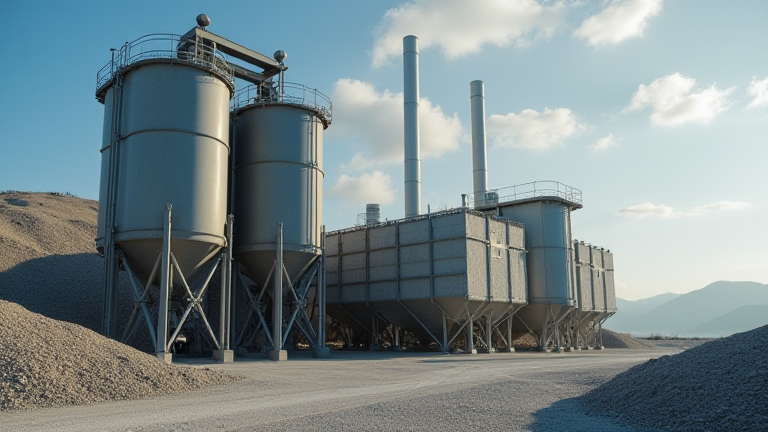
TL;DR: Cement plants can remove CO₂ from the atmosphere by integrating carbon capture, utilization, and storage (CCUS) technologies with mineral carbonation processes that permanently lock carbon into solid forms. By repurposing captured emissions for concrete production, the industry transforms from a major polluter into a potential carbon sink, creating a circular economy model.
The Carbon Dilemma and the Opportunity
The cement industry is responsible for approximately eight percent of global carbon dioxide emissions, making it one of the most challenging sectors to decarbonize. Traditionally, the focus has been on reducing emissions through energy efficiency and alternative fuels. However, a paradigm shift is occurring. Companies are now exploring methods to actively remove CO₂ from the atmosphere or capture it directly at the source. This transition is not merely an environmental imperative but a strategic business opportunity. As carbon pricing mechanisms expand globally, the ability to sequester carbon becomes a valuable asset, opening new revenue streams through carbon credits and sustainable product premiums.
If you want to dig deeper, check out our guide on Feeling Lost After Teenage Creativity? 5 Ways to Reclaim You.
Market Dynamics and Strategic Insights
The market for carbon removal technologies is projected to grow exponentially over the next decade. Investors are increasingly prioritizing companies that demonstrate tangible progress in net-zero commitments. For cement manufacturers, the strategy involves a dual approach: operational decarbonization and direct air capture or industrial carbon capture. Strategic partnerships with technology providers are crucial. By collaborating with engineering firms specializing in CCUS, cement producers can integrate capture units into existing kilns without disrupting production. Furthermore, leveraging artificial intelligence to optimize capture efficiency reduces operational costs, making the technology more economically viable. Early movers in this space are positioning themselves as leaders in green construction materials, appealing to environmentally conscious developers and governments.
Case Studies in Innovation
Several pioneering projects illustrate the feasibility of these strategies. CarbonCure Technologies has successfully integrated CO₂ into concrete mixes, permanently mineralizing the gas within the material. This process not only sequesters carbon but also improves the concrete’s compressive strength, offering a performance benefit to clients. Another notable example is the Norcem Brevik plant in Norway, which aims to become the world’s first carbon-neutral cement factory. By capturing CO₂ emissions and storing them deep underground, Norcem demonstrates the technical viability of large-scale industrial decarbonization. These cases highlight that while the technology is complex, the economic and environmental returns justify the initial capital investment.
Conclusion
The path to a carbon-negative cement industry requires innovation, investment, and collaboration. By adopting CCUS and mineralization technologies, cement plants can turn a liability into an asset, contributing significantly to global climate goals while securing their long-term business sustainability.
FAQ
Q: Is carbon capture technology expensive for cement plants?
A: While initial capital costs are high, long-term operational savings from energy efficiency and revenue from carbon credits can offset expenses, making it increasingly viable as technology scales.
Q: How does mineral carbonation work in cement production?
A: Mineral carbonation involves reacting captured CO₂ with calcium-rich industrial by-products to form stable carbonate minerals, effectively locking the carbon in a solid state permanently.
Q: Will consumers pay more for carbon-negative cement?
A: Yes, many green building certifications and environmentally conscious developers are willing to pay a premium for low-carbon construction materials to meet sustainability targets.