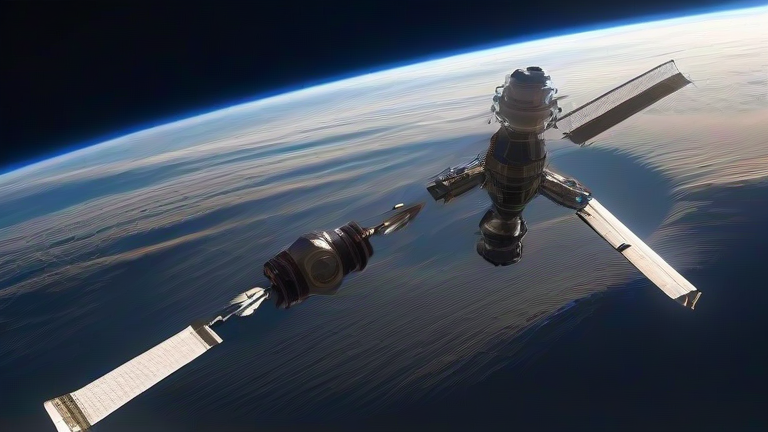
Space Tourism Is Now Commercially Viable: Here’s What It Means

The era of space tourism has officially transitioned from science fiction to commercial reality. With recent successful suborbital flights by private aerospace companies, the dream of viewing Earth from orbit is no longer reserved for government-trained astronauts. However, this rapid advancement in commercial spaceflight raises critical questions about human health, physiological adaptation, and the long-term viability of such experiences for the general public. Understanding the biological implications is essential for anyone considering this frontier journey.
The Immediate Physiological Impact
Before reaching the stars, passengers face significant physical stresses. The primary concern during launch is the intense G-force, which can range from 3 to 5 Gs. This pressure forces blood away from the brain, potentially leading to temporary vision loss or unconsciousness if the body is not conditioned. Health experts advise that prospective travelers undergo rigorous cardiovascular screening to ensure they can withstand these sudden shifts in acceleration. Additionally, the cabin pressure changes mimic high-altitude flight, requiring passengers to manage oxygen saturation levels carefully.
Microgravity and Bone Density
Once in orbit, the absence of gravity presents unique challenges. Even short-duration flights expose the body to microgravity, which begins to affect bone mineral density and muscle mass almost immediately. Studies on International Space Station (ISS) astronauts show that bone loss can occur at a rate of 1-2% per month. While a few hours in space may not cause permanent damage, it can lead to temporary vestibular disturbances, commonly known as space motion sickness. To mitigate this, travelers are advised to stay hydrated and consult with flight surgeons about anti-nausea protocols before departure.
Psychological Well-being
The “Overview Effect” is a well-documented cognitive shift reported by astronauts who see Earth from space—a profound sense of awe and interconnectedness. However, this experience can also trigger existential anxiety or post-space depression upon return. Mental health professionals suggest that individuals interested in space tourism should prepare psychologically