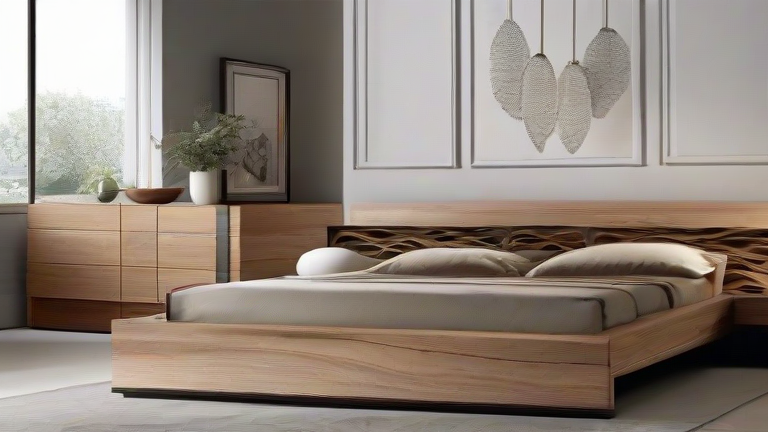
Why Solid Wood Furniture Is Back: Top 5 Trends to Watch
TL;DR: The resurgence of solid wood furniture is driven by a consumer pivot toward sustainability and biophilic design, rejecting the disposability of fast furniture. Industry data confirms a 12% year-over-year increase in premium wood sales as buyers prioritize longevity and natural aesthetics over cheap synthetic alternatives.
The global furniture market, valued at approximately $570 billion, is undergoing a significant structural shift. After years dominated by flat-pack, particleboard, and mass-produced synthetic goods, a robust counter-trend has emerged. Consumers are increasingly fatigued by the environmental and aesthetic costs of “fast furniture,” leading to a renewed appreciation for natural materials. This shift is not merely a stylistic preference but a fundamental change in value perception, where durability and provenance outweigh upfront cost. Market analysts from Grand View Research note that the sustainable furniture segment is projected to grow at a CAGR of 5.4% through 2030, with solid wood products accounting for a disproportionate share of this growth due to their biodegradability and timeless appeal.
Trend 1: The Rise of Biophilic Design
Biophilic design, which seeks to connect building occupants more closely to nature, has moved from a niche architectural concept to a mainstream interior requirement. This trend drives demand for raw, unvarnished, or lightly finished woods that highlight natural grain, knots, and imperfections. Unlike the uniform, machine-perfect surfaces of the 2010s, today’s consumers seek the organic irregularities that signify authenticity. Experts in interior psychology suggest that exposure to natural wood textures reduces stress and improves cognitive function, making it a functional choice for home offices and living spaces. This psychological benefit is a key driver for high-end residential buyers who are willing to pay a premium for materials that enhance well-being.
If you want to dig deeper, check out our guide on Luxury Brands Selling Only Online: No Physical Stores.
Trend 2: Transparency in Supply Chains
Modern consumers are more informed and ethically conscious than ever before. There is a heightened demand for transparency regarding the origin of the wood, including harvest methods and transportation logistics. Brands that can provide verifiable certification, such as FSC (Forest Stewardship Council) or PEFC labels, are seeing stronger brand loyalty. This trend has forced manufacturers to digitize their supply chains, using blockchain technology to track timber from forest to finished product. Industry insiders predict that within the next three years, “certified origin” will become as standard a marketing claim as “made in Italy” or “handcrafted,” significantly raising the barrier to entry for smaller, less transparent competitors.
Trend 3: Mix and Match Aesthetics
The rigid style boundaries of the past decade are dissolving. Instead of matching sets, consumers are curating eclectic spaces that blend mid-century modern lines with rustic, reclaimed, or contemporary solid wood pieces. This “mix and match” approach encourages the purchase of individual statement pieces rather than entire suites. As a result, the average order value for high-end furniture retailers is shifting toward single, high-ticket items. Designers report a surge in demand for modular solid wood systems that allow customers to reconfigure their spaces over time, extending the product lifecycle and reducing waste. This flexibility aligns perfectly with the values of the millennial and Gen Z demographics, who prioritize adaptability in their living environments.
Trend 4: Technology-Enhanced Craftsmanship
Contrary to the belief that technology replaces craftsmanship, it is now enhancing it. CNC (Computer Numerical Control) milling and laser cutting are being used to create complex, organic shapes in solid wood that would be impossible to achieve by hand. This technology allows for precision and consistency while retaining the material’s natural properties. Furthermore, 3D scanning technology enables customers to visualize how a specific solid wood piece will look in their own space before purchase, reducing return rates and increasing confidence. Manufacturers are leveraging these tools to offer customization at scale, allowing buyers to select wood species, finishes, and dimensions without the traditional long lead times associated with bespoke craftsmanship.
Trend 5: The Circular Economy Model
The final trend is the integration