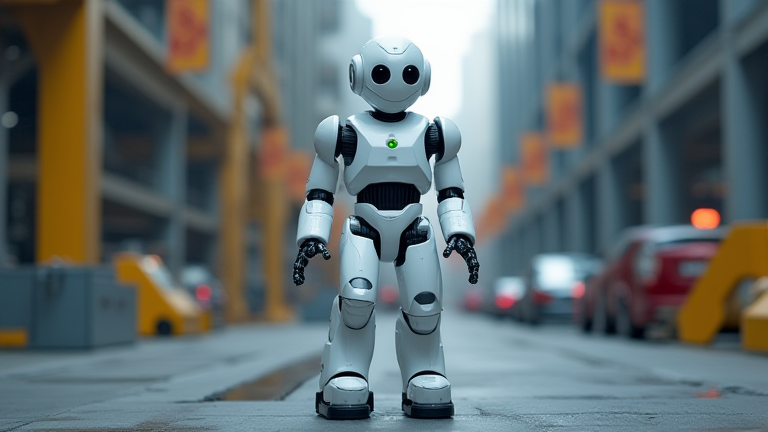
TL;DR: No, robots won’t eliminate all manual labor, but they will shift human roles toward oversight, creativity, and care—especially in travel, food, and personal growth. The future isn’t a world without work, but a world where we choose work that feels less like toil and more like purpose.
The Kitchen That Never Sleeps—And the Chef Who Finally Can
I stood in a Tokyo ramen shop last spring, watching a pair of robotic arms ladle broth into ceramic bowls with a precision no human hand could match—every 12 seconds, same temperature, same swirl. The owner, a 68-year-old master named Mr. Tanaka, didn’t look threatened. He looked relieved. “For 40 years, my wrists ached,” he told me through a translator. “Now the machine does the repetitive part. I taste, I adjust, I greet customers. I finally have time to teach my granddaughter the art of the broth.”
If you want to dig deeper, check out our guide on Epigenetic Age Test: DTC Longevity Clinics & Clocks.
That’s the real story of automation in the food world. It’s not about replacing the soul of a meal—it’s about removing the burnout that has driven so many passionate cooks out of the industry. In Barcelona, I visited a tapas bar where a robotic prep line chopped vegetables and cleaned dishes, while the two human chefs spent their evenings designing new sauces and chatting with regulars. The food was better, not worse. The humans were happier, not obsolete.
Travel Without Luggage—And With More Time to Wander
On a trip to Singapore’s Changi Airport, I watched autonomous carts ferry suitcases from check-in to plane holds, guided by sensors and AI. No more back-breaking loading zones. Meanwhile, in Kyoto, a boutique hotel uses robot porters to carry bags to rooms, freeing front-desk staff to spend five extra minutes recommending hidden shrines or booking a last-minute tea ceremony. The travel industry, historically built on human stamina, is being redesigned around human curiosity. You don’t need to haul, lift, or scrub. You need to explore, connect, and reflect.
That shift has a personal growth angle, too. When manual labor disappears from your daily life—think laundry, dishwashing, even grocery carrying—you reclaim hours. I met a digital nomad in Lisbon who used a robot vacuum and a meal-prep machine to cut her chores from three hours a day to 20 minutes. She used that time to learn Portuguese, start a journal, and hike the coast. She didn’t become lazy. She became more herself.
The Real Future: Human Work Becomes Human
Critics fear a dystopia of mass unemployment, but the data from early adopters tells a different story. In factories, warehouses, and farms where robots handle the heavy lifting, workers haven’t vanished—they’ve been promoted to troubleshooters, schedulers, and quality inspectors. These roles demand judgment, empathy, and adaptability—traits no robot can fake. The manual labor we hate (the aching back, the repetitive motion, the dangerous climb) is exactly what machines should do. The labor we love—teaching, healing, cooking with flair, storytelling, and building community—is what we’ll finally have time for.
So next time you see a robot flipping burgers or hauling crates, don’t mourn the human touch. Celebrate it. Because the human who used to flip that burger now has the energy to ask you how your day was—and actually listen to the answer.
FAQ
Q: Will robots completely replace all physical jobs within 10 years?
A: No. Robots will automate repetitive, dangerous, and high-volume tasks, but jobs requiring adaptability, emotional intelligence, and complex problem-solving—like nursing, teaching, and artisan crafts—will remain human-centric for decades.
Q: How can I personally benefit from this shift without losing my job?
A: Focus on skills that machines struggle with: creativity, interpersonal communication, and strategic oversight. Learn to operate or supervise robotic tools in your field, and reinvest saved time into learning, travel, or