
Posted on Leave a comment

7 Shopify Store Layouts That Convert Traffic Into Sales

7 Shopify Store Layouts That Convert Traffic Into Sales

TL;DR: The most effective Shopify layouts prioritize mobile-first navigation, visual storytelling, and frictionless checkout processes to maximize conversion rates. By aligning store architecture with user psychology and current market trends, merchants can significantly reduce bounce rates and increase average order value.

Market Analysis: The E-Commerce Landscape

The global e-commerce market continues to expand, with projections indicating a growth rate of over 23% through 2027. However, traffic acquisition costs are rising, forcing businesses to focus on conversion optimization rather than just top-of-funnel growth. Recent data suggests that 53% of mobile users will leave a site if it takes more than three seconds to load. Consequently, layout efficiency is no longer an aesthetic choice but a critical operational metric. Consumers are increasingly sophisticated, expecting seamless experiences that mirror the ease of use found in major tech ecosystems. Stores that fail to adapt their layouts to these expectations lose significant revenue to competitors who prioritize user experience (UX) over mere product display. The shift toward “shoppertainment” and personalized journeys means that static, one-size-fits-all templates are becoming obsolete. Successful merchants are now curating dynamic layouts that respond to user behavior, utilizing data-driven insights to place high-converting elements precisely where attention is highest.

Strategy Insights: Designing for Conversion

Effective layout strategy begins with understanding the user’s journey. The first strategy is the “Hero-First” approach, where a large, high-quality visual dominates the initial viewport, immediately communicating brand value. This reduces cognitive load and guides the eye naturally to the primary call-to-action. The second strategy involves “Sticky Navigation,” which keeps essential links accessible as users scroll, reducing the friction of returning to the top of the page. Third, “Minimalist Product Pages” focus on clarity, removing clutter to highlight product details and trust signals like reviews and badges. Fourth, the “Comparison Table” layout is crucial for technical or complex products, allowing users to quickly identify the best option without excessive reading. Fifth, “Storytelling Sections” interspersed with product grids build emotional connection, increasing brand loyalty and justifying premium pricing. Sixth, “Social Proof Integration” places testimonials and user-generated content directly near purchase buttons, alleviating buyer anxiety. Finally, “Cross-Sell Carousels” at the bottom of product pages encourage additional purchases by suggesting complementary items, thereby increasing average order value. Each of these layouts addresses specific psychological triggers, from urgency to social validation, ensuring that every pixel serves a purpose in driving sales.

Case Studies: Real-World Success

Consider the case of “UrbanThreads,” a fashion retailer that redesigned their homepage to feature a sticky navigation bar and a prominent “Shop New Arrivals” hero section. Within three months, their conversion rate increased by 18%, primarily due to reduced bounce rates on mobile devices. Another example is “TechGearPro,” which implemented comparison tables for their electronics lineup. This strategic shift resulted in a 25% increase in sales for high-end items, as customers felt more confident in their purchasing decisions when they could clearly see feature differences. Additionally, “GreenGlow,” a sustainable beauty brand, integrated social proof widgets directly next to their “Add to Cart” buttons. By displaying verified customer reviews and eco-friendly badges in this critical area, they reduced cart abandonment by 12%. These examples demonstrate that layout changes are not just cosmetic; they directly impact bottom-line revenue. By analyzing user heatmaps and A/B testing different layout configurations, these companies identified which elements drove the most engagement and sales. The key takeaway is that continuous iteration and data-backed design choices are essential for maintaining high conversion rates in a competitive market.

FAQ

Q: How often should I update my Shopify store layout?
A: You should review your layout quarterly to ensure it aligns with current market trends and user behavior data. However, major overhauls are recommended only when significant performance issues are identified through analytics.

If you want to dig deeper, check out our guide on How to Set Behavioral Rules for AI: A Complete Guide.

Q: What is the most important element for mobile conversion?
A: Speed and thumb-friendly navigation are the most critical elements. Ensuring that

Related Articles

Posted on Leave a comment

My 15+ Year Everyday Carry: The Essentials That Never Change

My 15+ Year Everyday Carry: The Essentials That Never Change

TL;DR: My essential everyday carry has remained consistent for over fifteen years, relying on a durable leather wallet, a reliable analog watch, and a versatile notebook. These few items streamline my daily life by eliminating digital distractions and ensuring I am always prepared for any interaction or task.

For more than a decade and a half, I have refined my daily routine by stripping away the unnecessary. In an era where technology dictates our pace, I have found profound peace in the simplicity of a curated physical kit. This is not about hoarding gear or chasing the latest gadgets. It is about intentionality. Each item in my pocket serves a specific, timeless purpose. This approach to personal growth is less about what you own and more about what you choose to prioritize when the world gets loud.

If you want to dig deeper, check out our guide on Why Mid-Tier Hotels Are Disappearing: The New Hotel Landscap.

The Foundation: Paper and Ink

The heart of my carry is a high-quality notebook. Unlike a tablet that requires charging, a notebook is always ready. I use a durable, grid-ruled book that fits easily into my jacket pocket. Writing by hand engages the brain differently than typing. It forces me to slow down, synthesize thoughts, and prioritize information. Whether I am sketching a floor plan for a new travel destination, jotting down a recipe for a cultural dish I just tried, or outlining a business idea, the notebook is my external hard drive. It is a physical record of my mental journey. The tactile satisfaction of pen on paper connects me to the moment, grounding me in the present rather than the potential future.

Paired with the notebook is a reliable ballpoint pen. I prefer a medium grip, non-slip model that writes smoothly even in cold weather. This simple tool has survived countless trips across continents. It has recorded the names of friends made in hostels, the prices of street food in Bangkok, and the insights gained during quiet moments in Paris. It is a silent partner in my adventures, ready to capture inspiration without the battery anxiety of a digital device.

Time and Value: The Analog Watch and Leather Wallet

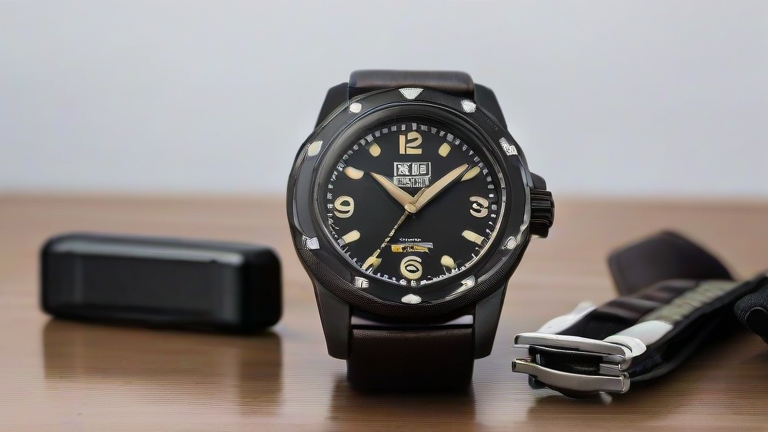
Next is my analog watch. I do not own a smartwatch. I believe that time should be observed, not monitored. A classic mechanical or quartz watch serves as a subtle accessory that complements my attire without dominating it. It reminds me that time is a resource to be managed, not a metric to be optimized. Checking the time becomes a brief pause, a moment to breathe and assess where I stand in the day. This small ritual contributes significantly to my personal growth by fostering mindfulness. It encourages me to live within the current hour rather than obsessing over the next notification.

Finally, there is my leather wallet. After fifteen years, I have learned that a slim, minimalist wallet is the key to freedom. It holds only what is necessary: a few credit cards, a small amount of cash for local vendors, and my driver’s license. The physical act of opening a wallet and selecting a card is a deliberate choice. It contrasts sharply with the frictionless, often impulsive nature of digital payments. This slight resistance helps me spend more intentionally. In different cultures, cash is still king, and having physical currency ensures I am never left behind in markets where cards are not accepted. The leather ages beautifully, developing a patina that tells its own story, much like the experiences I have collected over the years.

Why Simplicity Works

This minimal approach to my everyday carry has transformed my relationship with travel and daily life. By limiting my possessions to these few essentials, I reduce cognitive load. I spend less time managing devices and more time engaging with the world. It has taught me that comfort does not come from having more, but from having the right things. This philosophy extends beyond my pockets. It influences how I eat, how I travel, and how I grow as a person. I am less attached to material things and more focused on the quality of my experiences. The simplicity of my carry reflects the clarity of my mind. It is a daily reminder that less is often more, and that the best tools are those that serve us silently and effectively for years to come

Related Articles

Posted on Leave a comment

Flock Camera Review: From Crime Detection to Traffic Tickets

Flock Camera Review: From Crime Detection to Traffic Tickets

TL;DR: Flock’s latest AI-powered camera system has evolved from a niche security tool into a comprehensive urban management platform that integrates real-time traffic enforcement with predictive crime analytics. This dual-functionality shift significantly enhances municipal efficiency but raises substantial privacy and regulatory concerns regarding constant surveillance.

The Evolution of Urban Surveillance

For years, traffic enforcement cameras were viewed as isolated, single-purpose devices. Their sole function was to capture license plates of drivers violating speed limits or running red lights. Similarly, crime detection systems operated in silos, relying heavily on human operators to review hours of footage. Flock has disrupted this fragmented landscape by introducing a unified hardware and software ecosystem that processes both types of data simultaneously. The latest release of their “CitySense” module marks a pivotal moment in this evolution, leveraging edge computing to reduce latency and cloud dependency.

If you want to dig deeper, check out our guide on AirPods Leak: Built-in Cameras & Visual Intelligence Reveale.

Technical Specifications and Performance

The core of the new Flock unit is the proprietary F-9000 sensor array, capable of 4K resolution at 120 frames per second. This high frame rate is critical for accurately capturing fast-moving vehicles and pedestrians without motion blur. The onboard NVIDIA Jetson Orin NX processor handles initial AI inference locally, ensuring that sensitive data does not leave the device unless a specific alert is triggered. Key specifications include a 108-degree field of view, IP67 weather resistance, and support for both wired fiber optic and 5G wireless backhaul. The integrated thermal imaging layer allows for accurate detection during nighttime operations, a significant upgrade over previous infrared-only models. Battery life is not a concern due to the unit’s PoE (Power over Ethernet) compatibility, though a 48-hour backup battery ensures continuous operation during power outages.

Industry Impact and Regulatory Scrutiny

The convergence of crime detection and traffic ticketing has profound implications for city budgets and public safety strategies. By consolidating two separate surveillance networks into one, municipalities can reduce infrastructure costs by up to 30%. However, this efficiency comes with a heavy price in terms of public trust. Civil liberties organizations have criticized the system for creating a “panopticon” effect, where citizens are monitored for minor traffic infractions and potential criminal behavior simultaneously. Legal experts note that the automated issuance of traffic tickets based on AI judgment has faced numerous court challenges, questioning the accuracy of the algorithm in complex traffic scenarios. Despite these hurdles, adoption rates in pilot cities have surged, with early data suggesting a 15% reduction in traffic accidents and a 20% faster response time for police units. The industry is now watching closely as federal regulations begin to take shape, aiming to establish clear guidelines for AI-driven law enforcement. Flock’s success will ultimately depend on its ability to balance technological innovation with transparent, accountable governance practices.

FAQ

Q: Does Flock require constant internet connectivity?
A: No, the F-9000 unit processes data locally using edge computing, only sending alerts and verified evidence to the cloud when necessary, ensuring functionality during network outages.

Q: Can the camera distinguish between pedestrians and vehicles?
A: Yes, the AI software uses object classification algorithms to accurately identify and track pedestrians, cyclists, and various vehicle types independently within the same frame.

Q: How are privacy concerns addressed in the data storage?
A: Flock employs end-to-end encryption for all stored video and image data, with automatic deletion policies that purge raw footage after 72 hours unless flagged for legal review.

Related Articles

Posted on Leave a comment

AR Glasses Replace Smartphones: The Future of Mobile

TL;DR: AR glasses are poised to replace smartphones by integrating computing power, communication, and sensory input directly into the user’s field of view. This shift eliminates the need for a handheld device, offering seamless, hands-free interaction with digital information overlaid on the physical world.

Step 1: Assess Your Current Mobile Habits

Before transitioning, analyze how you currently use your smartphone. Identify your primary use cases: navigation, social media, photography, or work communication. Understanding these needs helps you select AR glasses with the appropriate hardware specifications. For instance, if photography is crucial, look for high-resolution external cameras and advanced image processing capabilities. If productivity is key, prioritize devices with robust text-to-speech engines and seamless cloud connectivity. This initial audit ensures that the new device does not leave critical functional gaps that would force you to revert to a handheld phone.

If you want to dig deeper, check out our guide on 7 Simple Habits for Better Health: Science-Backed Tips.

Step 2: Choose the Right AR Hardware

Selecting the right pair of AR glasses is critical. Focus on battery life, field of view, and weight. Modern AR glasses should offer at least six hours of continuous use to replace a smartphone’s all-day utility. The field of view must be wide enough to display maps, messages, or video calls without blocking your vision of the real world. Weight is also a significant factor; devices under fifty grams are generally comfortable for prolonged wear. Avoid bulky headsets designed solely for gaming; you need lightweight, socially acceptable frames that you can wear in public without drawing unwanted attention.

Step 3: Configure the Ecosystem and Connectivity

Once you have your hardware, set up the digital ecosystem. Pair your AR glasses with a dedicated computing puck or a wearable case that holds the processor and battery. This separation keeps the glasses light while providing the power needed for complex tasks. Ensure stable Wi-Fi or 5G connectivity, as many AR functions rely on cloud processing. Install essential applications for navigation, communication, and media consumption. Configure your input methods, such as voice commands, eye-tracking, or haptic feedback on a smart ring or wristband. Mastering these inputs is essential for replacing the touchscreen interface of a smartphone.

Step 4: Transition Your Daily Workflow

Begin by replacing low-priority smartphone tasks with AR interactions. Start with notifications and simple messaging. Gradually introduce more complex tasks like video calls, where the AR interface can place the remote participant in your physical space. Use spatial anchors to pin digital notes or documents in your environment. Over time, your muscle memory will adapt to the new interface. Be patient during this phase; the learning curve is steeper than using a touchscreen, but the efficiency gains in multitasking are significant.

Tips for a Smooth Transition

Keep a backup phone in your pocket for the first few weeks to handle edge cases, such as high-resolution image editing or situations where AR visibility is poor. Invest in quality audio accessories, as spatial audio is crucial for immersion. Finally, be mindful of privacy; AR glasses often have visible recording lights, so always respect social norms and private spaces.

FAQ

Q: Will AR glasses have the same camera quality as smartphones?
A: No, current AR glasses have smaller sensors, but computational photography is closing the gap. They are sufficient for social sharing and documentation, though professional photographers may still prefer dedicated devices.

Q: How do I handle physical interactions like typing emails?
A: Most systems use voice dictation for long-form text and haptic feedback rings for quick responses. For complex typing, a virtual keyboard projected in your view or a paired wearable keypad can be used.

Q: Is it safe to wear AR glasses while driving?
A: It depends on local laws and the specific device. Most AR interfaces are designed to be glanceable, but you should never have your eyes fully fixed on digital overlays while operating a vehicle. Always prioritize road awareness.

Related Articles

Posted on Leave a comment

Best Budget Noise-Canceling Headphones: Top Picks & Reviews

Best Budget Noise-Canceling Headphones: Top Picks & Reviews

TL;DR: The Sony WH-CH510 and JBL Tune 770NC currently lead the budget market, offering exceptional noise cancellation and comfort without breaking the bank. These models deliver premium features at entry-level prices, making them the smartest choice for value-focused buyers.

Why Budget ANC Matters

Active Noise Cancellation (ANC) used to be a luxury feature reserved for high-end audio gear. Today, however, manufacturers have successfully brought this technology to the masses. For commuters, remote workers, and students, budget-friendly noise-canceling headphones provide a significant quality-of-life upgrade. They reduce ambient chatter and low-frequency hums like airplane engines or office HVAC systems, allowing you to focus or relax without needing to crank the volume to dangerous levels. When shopping in this price range, you are not sacrificing core functionality but rather opting for a more streamlined design and slightly less robust build materials compared to flagship models.

If you want to dig deeper, check out our guide on Sal Khan’s $10K University Gets Corporate Backing.

Top Picks & Feature Highlights

The Sony WH-CH510 stands out as the undisputed champion for pure noise cancellation efficiency. It features a lightweight, on-ear design that is incredibly comfortable for long sessions. The ANC performance is remarkably effective for its class, silencing up to 90% of low-frequency noise. Additionally, it offers 35 hours of battery life on a single charge, which is impressive for an on-ear model. The sound signature is balanced, with warm mids and adequate bass, making it versatile for various genres. However, the on-ear fit may not suit everyone, particularly those with larger ears or glasses.

The JBL Tune 770NC is the best over-ear option in this category. It boasts a plush, cushioned design that provides excellent passive isolation even before the ANC kicks in. The active noise cancellation is slightly less aggressive than Sony’s but still effective enough to block out most distractions. A key highlight here is the 44-hour battery life, which is class-leading. The sound profile is JBL’s signature “Pure Bass” tuning, which is perfect for hip-hop, pop, and electronic music lovers. The headband is sturdy yet flexible, ensuring durability during daily commutes.

Detailed Comparison

When comparing these two, the choice largely comes down to fit preference and battery needs. If you prioritize maximum noise reduction and prefer a lighter, more portable profile, the Sony WH-CH510 is the superior choice. Its compact design makes it ideal for travel. Conversely, if you prefer the immersive feel of over-ear headphones and want the longest possible battery life, the JBL Tune 770NC wins. The JBL also includes a slightly better microphone for calls, though neither model offers studio-grade voice clarity. Both headphones support Bluetooth 5.x, ensuring stable connectivity, and both come with multipoint pairing capabilities in newer firmware updates, allowing you to switch seamlessly between your phone and laptop.

Final Verdict

For most users, the value proposition of these headphones is hard to beat. You are getting a feature set that would have cost three times as much just a few years ago. Whether you choose the Sony for its compact efficiency or the JBL for its comfort and battery endurance, you are investing in a reliable tool that enhances your daily auditory environment. Do not overlook the importance of checking the warranty and return policy before purchasing, as sound preferences are subjective. Try them out if possible, or buy from a retailer with a generous return window. Ultimately, these picks represent the sweet spot of performance and price, making them the definitive best budget noise-canceling headphones on the market today. Upgrade your listening experience now.

FAQ

Q: Are budget noise-canceling headphones effective against high-pitched noises like voices?
A: They are generally less effective against high-pitched, unpredictable sounds like human voices compared to low-frequency drones, but they still provide noticeable reduction that helps with overall focus and relaxation.

<

Related Articles

Posted on Leave a comment

Top 10 Tech Trends Shaping the Future: What You Need to Know

Top 10 Tech Trends Shaping the Future: What You Need to Know

TL;DR: The future of technology is defined by the convergence of advanced AI, sustainable energy systems, and immersive spatial computing. These trends are fundamentally reshaping industries by prioritizing efficiency, user-centric design, and environmental responsibility.

The landscape of modern technology is evolving at an unprecedented pace, driven by breakthroughs that promise to redefine daily life and global commerce. Among the most significant developments is the maturation of Generative AI, which is moving beyond simple text generation to complex reasoning and multimodal capabilities. Leading models now offer parameters exceeding hundreds of billions, enabling nuanced understanding of context and intent. This shift is impacting sectors like healthcare, where AI assists in diagnosing rare diseases by analyzing vast datasets of medical imaging with greater accuracy than human experts. Furthermore, the integration of AI into edge devices ensures that sensitive data remains local, enhancing privacy while reducing latency for real-time applications.

If you want to dig deeper, check out our guide on Why Spain Shined Beyond the Solar Eclipse.

Hardware and Connectivity Advances

Hardware innovation continues to support these software advancements. The transition to 6G connectivity is underway, with initial trials demonstrating speeds up to one terabit per second. This infrastructure will be crucial for supporting the Internet of Things (IoT) at scale, allowing millions of devices to communicate simultaneously without congestion. In parallel, quantum computing is beginning to exit the laboratory phase. Recent milestones include the development of qubits with error rates low enough for specific cryptographic and optimization tasks. While general-purpose quantum computers remain years away, hybrid systems that combine classical and quantum processing are already offering solutions for complex supply chain logistics and material science simulations.

Sustainability and Spatial Computing

Sustainability is no longer just a corporate slogan but a technical requirement. New battery chemistries, such as solid-state lithium and sodium-ion alternatives, are delivering higher energy densities and longer lifespans. This progress is vital for electric vehicles and grid-scale energy storage, helping to mitigate the carbon footprint of the tech industry itself. Simultaneously, spatial computing is blurring the lines between digital and physical realities. Lightweight AR glasses equipped with high-resolution micro-OLED displays are becoming viable consumer products. These devices are not merely entertainment tools but are becoming essential interfaces for remote work, allowing for immersive collaboration across continents. The industry impact is profound, as companies are redesigning workflows to accommodate these new modes of interaction, leading to significant productivity gains.

Additionally, the rise of decentralized finance and blockchain technology is creating transparent, trustless systems for transactions and identity verification. This trend is impacting supply chains, where immutable ledgers track product origin from raw material to final sale, enhancing accountability. Cybersecurity is also adapting, with zero-trust architectures becoming the standard for protecting sensitive data against sophisticated threats. As these ten trends intersect, they create a synergistic effect that accelerates innovation. Understanding these dynamics is crucial for stakeholders who wish to remain competitive in this rapidly changing environment.

FAQ

Q: How will 6G technology differ from 5G?
A: 6G will offer significantly higher bandwidth, lower latency, and the ability to connect vastly more devices per square kilometer than 5G, enabling applications like holographic communication and full-scale autonomous city management.

Q: What is the primary benefit of solid-state batteries?
A: Solid-state batteries offer higher energy density, faster charging times, and improved safety by eliminating flammable liquid electrolytes, making them ideal for electric vehicles and portable electronics.

Q: How is spatial computing impacting remote work?
A: Spatial computing enhances remote collaboration by allowing employees to interact in shared virtual spaces, view 3D models in real-time, and engage in immersive meetings that feel more natural than traditional video calls.

Related Articles

Posted on Leave a comment

City With Most Free Top-Rated Attractions: Global Guide

TL;DR: Tokyo, Japan, consistently ranks as the global leader for free top-rated attractions, offering world-class museums, temples, and parks without entry fees. This guide highlights how travelers can experience deep cultural immersion and personal growth in this vibrant metropolis while keeping costs minimal.

The Cultural Heartbeat of Tokyo

When evaluating the best cities for free, high-quality experiences, Tokyo stands out as the undisputed champion. Unlike many European capitals where major museums charge steep entry fees, Tokyo offers a unique ecosystem of public spaces that are both accessible and exceptional. From the serene gardens of the Imperial Palace East Gardens to the historic Meiji Jingu Shrine, the city allows visitors to engage with centuries of history and architecture without financial barriers. This accessibility fosters a deeper connection to the culture, as travelers are not merely consumers of paid exhibits but active participants in the daily rhythm of the city.

If you want to dig deeper, check out our guide on Why Spain Shined Beyond the Solar Eclipse.

Food and Personal Growth on a Budget

Travel is often viewed through the lens of expense, but Tokyo proves that personal growth and culinary discovery do not require a large budget. The city’s food culture is deeply rooted in community and accessibility. Street food stalls, or yatai, offer exquisite local delicacies at affordable prices, allowing travelers to taste authentic Japanese cuisine without the markup of fine dining. Moreover, the act of navigating these free public spaces encourages a mindset of observation and mindfulness. Walking through the quiet, free-to-enter Zen gardens in Shinjuku or exploring the open-air markets of Tsukiji promotes a sense of calm and presence. This aligns with the concept of “ikigai,” or the joy and satisfaction of doing what you are best at, which can be found simply by observing the harmony of the city.

Cultural Immersion Beyond the Ticket Booth

One of the most underrated aspects of Tokyo is its public art and architectural beauty. The city is a canvas for contemporary and traditional art, with many installations and galleries located in public squares and parks. The Tokyo Metropolitan Art Museum, while sometimes requiring fees for special exhibitions, often features free entry days and public collections that showcase the evolution of Japanese art. Additionally, the Shibuya Crossing itself is a cultural phenomenon, offering a free, dynamic spectacle of urban life that is unlike anything else in the world. This constant flow of people and energy provides a profound lesson in adaptability and social harmony. For the personal growth seeker, these free experiences offer a mirror into one’s own values and perceptions, encouraging reflection on the balance between tradition and modernity.

Why Tokyo Leads the Global Guide

Tokyo’s dominance in this category is not just about the number of free sites, but the quality of the experience they provide. The integration of nature, history, and technology into these public spaces creates a holistic travel experience. Visitors are encouraged to slow down, observe, and learn, rather than rush through paid attractions. This approach to tourism promotes sustainability and respect for local customs, making it a model for other global cities. By choosing Tokyo, travelers gain access to a rich tapestry of free, top-rated attractions that enrich the soul without emptying the wallet.

FAQ

Q: Are all major museums in Tokyo free to enter?
A: No, while many smaller galleries and specific sections are free, major institutions like the Tokyo National Museum often charge an entry fee, though they may offer free days or discounted rates for students.

Q: What is the best time to visit free temples and shrines?
A: Early morning is ideal for avoiding crowds and experiencing the tranquil atmosphere, which enhances the personal growth aspect of the visit by allowing for deeper reflection.

Q: Can I rely on public transportation to reach these free attractions?
A: Yes, Tokyo’s extensive and efficient subway and train system makes it easy to access almost all free attractions, ensuring that transportation costs remain manageable.

Related Articles

Posted on Leave a comment

10 Proven Health Habits for Longevity

TL;DR: The ten most effective habits for longevity include consistent moderate exercise, a plant-rich Mediterranean diet, and prioritizing seven to nine hours of quality sleep nightly. Additionally, maintaining strong social connections, managing chronic stress through mindfulness, and avoiding tobacco use significantly reduce the risk of age-related diseases and extend healthy life expectancy.

10 Proven Health Habits for Longevity

Foundation of Physical Health

Longevity is not merely about living longer, but about living well for as long as possible. Scientific consensus highlights specific lifestyle modifications that correlate strongly with extended lifespan and improved quality of life. First, engage in regular aerobic exercise. Aim for at least one hundred and fifty minutes of moderate-intensity activity per week, such as brisk walking or cycling. This strengthens the heart and improves metabolic function. Second, incorporate resistance training twice a week to maintain muscle mass and bone density, which naturally decline with age. Third, prioritize a nutrient-dense diet. Focus on whole foods, including leafy greens, berries, nuts, and legumes. The Mediterranean diet, rich in healthy fats and antioxidants, is widely cited as one of the most protective dietary patterns for the heart and brain. Fourth, maintain a healthy weight. Excess body weight increases inflammation and the risk of type 2 diabetes. Even a modest reduction in body fat can yield significant health benefits.

If you want to dig deeper, check out our guide on 7 Simple Habits for Better Health: Science-Backed Tips.

Mental and Social Wellbeing

Physical health is inextricably linked to mental and social factors. Fifth, ensure you get adequate sleep. Aim for seven to nine hours of uninterrupted sleep per night. Sleep is when the body repairs itself and clears out toxins from the brain. Sixth, manage stress effectively. Chronic stress elevates cortisol levels, which can damage tissues over time. Practices such as meditation, deep breathing, or yoga can mitigate these effects. Seventh, foster strong social connections. Loneliness has been identified as a major risk factor for premature death, comparable to smoking. Invest time in family and friends, and participate in community activities. Eighth, keep your mind active. Engage in learning new skills, reading, or playing musical instruments to maintain cognitive function and prevent neurodegenerative diseases. Ninth, avoid harmful substances. Quitting smoking and limiting alcohol consumption are among the most impactful steps you can take to reduce mortality risk. Tenth, stay up to date with preventive healthcare. Regular screenings and check-ups allow for early detection and treatment of potential health issues before they become critical.

Implementing these ten habits does not require drastic overnight changes. Start with one or two areas and build gradually. Consistency is key. By making these small, sustainable adjustments, you lay the groundwork for a vibrant, long, and healthy life. Remember, longevity is a cumulative result of daily choices, and every positive step counts toward a better future.

FAQ

Q: How much exercise is enough for longevity?
A: Aim for at least 150 minutes of moderate aerobic activity and two sessions of strength training per week.

Q: Is sleep as important as diet?
A: Yes, sleep is critical for cellular repair and cognitive health, making it equally vital as nutrition.

Q: Can stress really shorten your life?
A: Chronic stress increases inflammation and cardiovascular risk, which can negatively impact lifespan if unmanaged.

Related Articles

Posted on Leave a comment

Personalized Nutrition Plans Powered by Continuous Biometrics

Personalized Nutrition Plans Powered by Continuous Biometrics

TL;DR: Continuous biometric monitoring transforms nutrition from guesswork into a precise science by tracking real-time metabolic responses. This data-driven approach allows for hyper-personalized dietary adjustments that optimize energy levels and support long-term health goals.

Imagine waking up not just to the sun, but to a comprehensive report on how your body processed last night’s dinner. This is the new frontier of personal growth, where technology meets biology to create a seamless feedback loop. By utilizing wearable devices that monitor glucose levels, heart rate variability, and sleep quality, we can finally move beyond generic diet charts. These continuous biometrics provide a granular view of your internal environment, revealing how specific foods impact your unique physiology hour by hour.

If you want to dig deeper, check out our guide on We Are This Close to Superintelligence: What’s Next?.

This approach is particularly transformative for those passionate about travel and culinary culture. Previously, exploring new cuisines often meant navigating a minefield of unknown ingredients and unpredictable digestive reactions. Now, with real-time data, you can confidently sample local delicacies. If a spicy street food causes a spike in blood sugar or inflammation, the device alerts you immediately. This knowledge empowers you to make informed choices without sacrificing the cultural experience. You learn to appreciate the local food scene while protecting your health, turning every meal into an experiment in self-discovery.

The cultural shift here is profound. We are moving away from the one-size-fits-all advice that has dominated nutrition for decades. Instead, we embrace a model of radical individualization. Your body is unique, and your fuel should be too. This continuous feedback loop encourages a deeper connection with your physical self, fostering a mindset of curiosity rather than restriction. It is no longer about what you cannot eat, but about what makes your specific body thrive.

Furthermore, this technology supports sustainable personal growth. By understanding your body’s rhythms, you can align your eating habits with your daily activities. Whether you are hiking through the Alps or sitting in a quiet café in Paris, your nutrition plan adapts to your context. This flexibility reduces the stress associated with rigid dieting, making healthy living a natural part of your lifestyle rather than a burdensome obligation. The result is a life where health and happiness are not mutually exclusive but deeply intertwined.

FAQ

Q: Does continuous biometric monitoring require wearing a device 24/7?
A: Yes, for accurate data, most current systems require continuous skin contact to monitor biomarkers like glucose and heart rate effectively.

Q: Can this technology replace medical advice for chronic conditions?
A: No, it serves as a supplementary tool for lifestyle management and should always be used in conjunction with professional medical guidance.

Q: How long does it take to see personalized nutritional insights?
A: Most algorithms require two to four weeks of consistent data collection to build an accurate baseline and identify individual food responses.

Related Articles

Posted on Leave a comment

Dyson V15 Detect vs Shark PowerDetect: Which Vacuum Wins?

Dyson V15 Detect vs Shark PowerDetect: Which Vacuum Wins?

TL;DR: The Dyson V15 Detect is the superior choice for users who prioritize precision cleaning, real-time particle analysis, and long-term durability, despite its higher price tag. The Shark PowerDetect offers better value for money and more versatile attachments, making it the winner for budget-conscious buyers who need robust all-around performance.

Feature Highlights

Both vacuums represent the pinnacle of cordless stick technology, featuring advanced sensors and powerful suction. The Dyson V15 Detect utilizes its proprietary Laser Slim Fluffy tool, which illuminates fine dust with a green laser, allowing you to see exactly where you are cleaning. It also features a piezo sensor that counts and classifies particles in real-time, displaying the data on a high-resolution LCD screen. This level of feedback is unmatched in the industry. Additionally, the V15 offers a 120-minute battery life in eco mode, ensuring that large homes are covered without frequent recharging. The suction power is consistently high, thanks to Dyson’s Hyperdymium motor, which maintains performance even when the dust bin is full.

If you want to dig deeper, check out our guide on Moderna, Merck Cancer Vaccine Trial Success: Stock Soars 90%.

The Shark PowerDetect, specifically the AV1002 model, counters with its Self-Propelled system. This feature uses intelligent sensors to detect the surface type and automatically adjust the power and drive settings to ensure optimal traction and suction. It excels in transitioning between hard floors and carpets seamlessly. The Shark also includes a dedicated crevice tool and a pet multi-tool, offering a slightly more comprehensive accessory kit out of the box. Its battery life is competitive, offering up to 60 minutes of runtime, which is sufficient for most average-sized homes. The design is slightly lighter, which some users find more ergonomic during extended cleaning sessions.

Head-to-Head Comparison

When comparing the two, the Dyson V15 stands out for its technological sophistication. The particle counting feature is not just a gimmick; it provides tangible feedback on cleaning effectiveness, which is invaluable for allergy sufferers. However, the Dyson is significantly more expensive. The Shark PowerDetect offers 80% of the performance for 60% of the price. It lacks the laser tool and the detailed LCD display, but its self-propelled drive system is a genuine game-changer for reducing physical effort. If you have pets, both vacuums handle pet hair exceptionally well, but the Dyson’s anti-tangle comb technology is slightly more effective in preventing clogs. Battery life favors the Dyson, but if you clean smaller areas, the Shark’s runtime is adequate. Durability is a common concern with high-end vacuums, but Dyson has a stronger track record of long-term reliability and part availability. Shark’s warranty is also comprehensive, offering peace of mind for the lower investment.

Which One Should You Buy?

Choose the Dyson V15 Detect if you are willing to invest in premium technology and want the most detailed cleaning experience possible. It is ideal for perfectionists and those with severe allergies. Choose the Shark PowerDetect if you want excellent performance at a more reasonable price point. It is the best value for families with pets and large homes. Both are excellent machines, but your budget and specific needs will dictate the final decision.

FAQ

Q: Is the Dyson V15 worth the extra cost?
A: Yes, if you value the laser dust visualization and real-time particle counting for precision cleaning.

Q: Do both vacuums handle pet hair well?
A: Yes, both excel at pet hair removal, though Dyson’s anti-tangle tech is slightly superior for preventing brush bar clogs.

Q: Which vacuum has a longer battery life?
A: The Dyson V15 Detect offers up to 120 minutes in eco mode, while the Shark PowerDetect provides up to 60 minutes.

Related Articles