Posted on Leave a comment

Vertical Farming: How It Scales Urban Food Production

TL;DR: Vertical farming scales urban food production by utilizing stacked layers and controlled-environment agriculture to maximize yield per square foot while minimizing resource consumption. This innovative approach ensures a consistent, year-round supply of nutrient-dense produce directly within city limits, drastically reducing transportation emissions and enhancing food security for dense populations.

Redefining the Urban Pantry

As metropolitan areas continue to expand, the traditional model of agriculture faces insurmountable logistical and environmental hurdles. Long supply chains mean produce loses nutritional value before it ever reaches your plate. Vertical farming offers a revolutionary solution, transforming unused urban spaces like abandoned warehouses and high-rise rooftops into lush, productive ecosystems. By stacking growing trays vertically and employing sophisticated hydroponic or aeroponic systems, growers can produce up to 100 times more food per square foot than conventional farming methods. This density is not just about quantity; it is about quality and accessibility.

The Science Behind the Greens

At the heart of vertical farming lies precise environmental control. Unlike outdoor farming, which is subject to weather volatility, pests, and soil degradation, indoor farms operate in sterile, controlled environments. LED lighting systems are tuned to specific spectrums that optimize photosynthesis, ensuring plants grow faster and more efficiently. Research published in the *Journal of Agricultural Science* indicates that crops grown in controlled-environment agriculture often contain higher levels of antioxidants and vitamins because they are harvested at peak ripeness and consumed almost immediately. Furthermore, these systems use up to 95% less water than traditional field farming by recirculating nutrient solutions. This closed-loop system prevents runoff pollution and preserves precious freshwater resources, making it a cornerstone of sustainable urban development.

Integrating Farm-Fresh Nutrition into Your Lifestyle

The benefits of vertical farming extend beyond the environment; they directly impact your personal health and daily routine. Access to hyper-local produce means you can incorporate more fresh vegetables into your diet without the guilt of high-carbon footprints. To leverage this, consider joining a local urban farm subscription box or visiting nearby vertical farms that offer public tours. These experiences provide educational insights into modern agriculture and inspire healthier cooking habits. Start by incorporating leafy greens like kale, spinach, and microgreens into your morning smoothies or salads. These crops are staples of vertical farming due to their rapid growth cycles and high nutrient density.

Additionally, understanding the science of nutrition can help you make better choices. For instance, microgreens contain up to 40 times more nutrients than their mature counterparts. By choosing locally grown, nutrient-rich options, you support both your gut health and the local economy. It is also worth noting that reduced pesticide use in indoor farms means fewer harmful chemicals entering your body. This clean eating approach aligns with the growing wellness trend of “farm-to-table,” but with a technological twist that guarantees freshness and safety.

Future-Proofing Our Food Systems

Vertical farming is not merely a trend; it is a necessary evolution in how we sustain growing urban populations. As climate change threatens traditional agricultural yields, these high-tech farms provide resilience against droughts, floods, and extreme temperatures. For the health-conscious individual, this means a reliable source of fresh, organic produce regardless of the season. Embracing this technology means supporting a future where food is grown sustainably, locally, and nutritiously. By advocating for and participating in the vertical farming movement, you contribute to a healthier planet and a healthier self. The future of food is vertical, and it is greener than ever before.

FAQ

Q: Is vertical farming truly sustainable?
A: Yes, because it uses significantly less water and land than traditional farming, eliminates the need for chemical pesticides, and drastically reduces transportation emissions by locating farms within urban centers.

If you want to dig deeper, check out our guide on Top 10 Emerging Trends Shaping 2024: What You Need to Know.

Q: How does vertical farming affect the nutrient content of produce?
A: Studies show that produce grown in controlled environments often retains higher levels of vitamins and antioxidants because it is harvested at peak maturity and consumed shortly after, minimizing nutrient degradation during transit.

Q: Can I access food from vertical farms in my city?
A: Increasingly, yes. Many vertical farms partner with local grocery stores, restaurants


Related Articles

Posted on Leave a comment

Remote Work Evolves Into Asynchronous Global Collaboration

TL;DR: Asynchronous global collaboration shifts the focus from simultaneous presence to outcome-based productivity, allowing teams across time zones to work independently. This evolution reduces burnout and enhances deep work by decoupling communication from immediate response expectations.

The traditional nine-to-five office model is rapidly becoming a relic of the past. In its place, a new paradigm known as asynchronous global collaboration is emerging, fundamentally changing how we define productivity and work-life balance. This shift is not merely a logistical adjustment for remote teams; it is a profound evolution in workplace culture that prioritizes deep work, autonomy, and mental well-being over performative busyness. As companies spread across continents, the necessity to coordinate across multiple time zones has forced organizations to abandon the expectation of instant responses. Instead, they are adopting workflows where communication is documented, thoughtful, and accessible at any hour. This change offers significant health benefits, primarily by reducing the cognitive load associated with constant connectivity and the stress of immediate availability.

Science supports the idea that continuous real-time communication fragments attention and increases stress levels. Research indicates that frequent interruptions can take up to twenty-three minutes to recover from, severely diminishing the quality of complex tasks. By embracing asynchronous methods, employees can engage in sustained periods of focus, known as deep work, which are essential for high-level cognitive performance. This approach allows individuals to structure their days around their natural energy peaks rather than arbitrary meeting slots. For global teams, this means a developer in Berlin can leave detailed code reviews for a colleague in San Francisco, who then builds upon that work without the pressure of a live video call. This freedom fosters a sense of autonomy, a key driver of job satisfaction and psychological well-being according to self-determination theory.

However, this transition requires intentional lifestyle adjustments to prevent isolation and maintain social connections. Without the casual watercooler chats of physical offices, employees must proactively create opportunities for social interaction. Scheduling regular virtual coffee breaks or using dedicated channels for non-work-related discussions can help maintain team cohesion. Furthermore, clear communication norms are vital to prevent misunderstandings. Writing clear, concise, and context-rich messages ensures that colleagues understand the intent behind your words, reducing anxiety and the need for clarifying follow-ups. It is also crucial to establish boundaries between work and personal life. Without a physical commute to signal the end of the day, employees may find themselves working late into the night. Setting strict digital curfews and communicating these boundaries to teammates helps protect personal time and prevents burnout.

FAQ

If you want to dig deeper, check out our guide on Metaverse Platforms Pivot to Enterprise Training Tools.

Q: What is the main difference between remote work and asynchronous collaboration?
A: Remote work refers to working from a location outside the traditional office, while asynchronous collaboration specifically means communicating and working without the need for immediate, real-time responses, allowing for flexible scheduling across time zones.

Q: How can I prevent burnout when working asynchronously?
A: To prevent burnout, establish clear boundaries by setting specific work hours, using “do not disturb” modes outside those hours, and clearly communicating your availability to your team to manage expectations regarding response times.

Q: Does asynchronous work reduce team cohesion?
A: It can if not managed well, but intentional efforts like virtual social events, clear documentation, and regular check-ins can actually strengthen cohesion by fostering transparency and giving everyone equal opportunity to contribute without the pressure of live meetings.

Related Articles

Posted on Leave a comment

10 Science-Backed Health Tips to Boost Your Energy Today

TL;DR: Boost your energy today by prioritizing seven to nine hours of quality sleep, staying hydrated, and engaging in moderate physical activity. These science-backed lifestyle adjustments optimize your circadian rhythm and mitochondrial function for sustained vitality.

Unlock Your Daily Vitality

Feeling sluggish in the afternoon is a common experience, but it doesn’t have to be your permanent reality. Modern life often pulls us in conflicting directions, leading to chronic fatigue that affects both our mental clarity and physical performance. Fortunately, numerous studies in neuroscience and nutrition offer actionable strategies to combat this exhaustion. By integrating these simple, evidence-based habits into your daily routine, you can significantly enhance your overall well-being and maintain consistent energy levels throughout the day.

If you want to dig deeper, check out our guide on Shift to Four-Day Work Weeks: New Remote Work Policies.

Nutrition and Hydration Foundations

What you eat directly fuels your body’s energy production systems. Start your morning with a balanced breakfast that includes protein, healthy fats, and complex carbohydrates. Avoid sugary cereals or pastries, which cause rapid spikes and subsequent crashes in blood glucose levels. Instead, opt for oatmeal with berries or Greek yogurt with nuts. This combination provides a steady release of energy, keeping you focused for hours. Hydration is equally critical. Even mild dehydration can impair cognitive function and increase feelings of tiredness. Aim to drink at least eight glasses of water daily, keeping a bottle at your desk as a visual reminder.

Move Your Body Strategically

It may seem counterintuitive to expend energy to gain energy, but exercise is one of the most powerful anti-fatigue tools available. Regular physical activity improves cardiovascular health and increases the efficiency of your mitochondria, the powerhouses of your cells. You do not need to run a marathon to see benefits. A brisk twenty-minute walk after lunch can significantly reduce post-prandial sleepiness. Additionally, strength training twice a week helps maintain muscle mass, which is crucial for metabolic health as we age. Listen to your body and choose activities you enjoy, ensuring consistency over intensity.

Rest and Mental Wellness

Sleep is the cornerstone of energy management. During deep sleep, your brain clears out metabolic waste products accumulated during the day. Aim for seven to nine hours of uninterrupted rest. Create a cool, dark, and quiet sleeping environment, and avoid screens at least an hour before bed to protect your melatonin production. Stress management is also vital. Chronic stress elevates cortisol levels, which can disrupt sleep patterns and drain your energy reserves. Incorporate mindfulness practices, such as deep breathing or meditation, into your morning or evening routine to lower stress and improve mental clarity.

FAQ

Q: How much water should I drink daily?
A: Generally, aim for about eight 8-ounce glasses, but adjust based on your activity level and climate.

Q: Can exercise really help with fatigue?
A: Yes, regular physical activity improves mitochondrial function and cardiovascular efficiency, boosting overall energy.

Q: What is the ideal sleep duration?
A: Most adults need between seven and nine hours of quality sleep per night for optimal recovery.

Related Articles

Posted on Leave a comment

Top 10 Emerging Trends Shaping 2026: What You Need to Know

TL;DR: The top ten emerging trends for 2026 are dominated by the rapid integration of generative AI, sustainable supply chain resilience, and the decentralization of digital finance. Businesses that fail to adapt to these technological and environmental shifts risk significant market decline, while early adopters are already capturing unprecedented value.

The AI Revolution Continues

Artificial Intelligence has moved beyond buzzword status to become the backbone of modern enterprise operations. According to recent Gartner reports, 80% of enterprises will have used generative AI APIs or deployed generative AI-enabled applications by the end of 2026. This surge is not merely about automation; it is about augmentation. Experts predict that AI will create $4.4 trillion in annual economic value by 2030. Companies are leveraging large language models to streamline customer service, enhance code development, and personalize marketing campaigns at scale. However, this rapid adoption brings challenges regarding data privacy and ethical usage, necessitating robust governance frameworks.

If you want to dig deeper, check out our guide on Smart Home Hubs: Unify Your Fragmented IoT Ecosystem.

Sustainability as a Competitive Advantage

Environmental, Social, and Governance (ESG) criteria are no longer optional for corporate strategy. Consumers and investors increasingly demand transparency in supply chains. The global green technology market is projected to reach $1.7 trillion by 2026. Organizations are investing heavily in renewable energy sources and circular economy models. This shift is driven by regulatory pressures in the EU and North America, as well as consumer preference for eco-friendly brands. Leaders who prioritize sustainability are seeing improved brand loyalty and reduced operational costs through energy efficiency.

The Rise of Decentralized Finance

Blockchain technology is evolving beyond cryptocurrency speculation. Decentralized Finance (DeFi) platforms are offering new ways for individuals to access financial services without traditional intermediaries. While still volatile, the total value locked in DeFi protocols has shown resilience. Experts suggest that regulatory clarity will unlock further institutional investment in 2026. This trend is reshaping how we view ownership, identity, and transactions in the digital realm.

Human-Centric Workplaces

The post-pandemic world has redefined work. Remote and hybrid models are now standard. Companies are focusing on employee well-being and mental health to retain top talent. The “great resignation” has evolved into the “great recalibration,” where workers prioritize flexibility and purpose over traditional career ladders.

FAQ

Q: How is generative AI impacting small businesses?
A: Generative AI lowers the barrier to entry for complex tasks like content creation and data analysis, allowing small businesses to compete with larger enterprises by automating routine processes.

Q: What regulations are affecting ESG reporting in 2026?
A: The European Union’s Corporate Sustainability Reporting Directive (CSRD) is enforcing stricter disclosure requirements, compelling companies to provide detailed data on their environmental impact.

Q: Will remote work continue to dominate in 2026?
A: Yes, hybrid models are expected to remain the norm as companies realize that flexibility improves retention and productivity, though some industries are pushing for more office presence.

Related Articles

Posted on Leave a comment

NFTs Evolve Into Real Estate Fractional Ownership

TL;DR: NFTs are evolving into real estate fractional ownership by tokenizing physical properties into digital shares, allowing investors to buy and sell portions of high-value assets. This innovation democratizes access to real estate markets, offering liquidity and transparency previously unavailable to retail investors.

The New Era of Property Investment

The traditional barriers to entry in real estate have long been defined by high capital requirements and illiquid assets. For decades, purchasing a rental property or commercial building required substantial down payments, extensive credit checks, and the patience of months or years to see returns. However, the intersection of blockchain technology and property investment is reshaping this landscape. Non-Fungible Tokens (NFTs) are no longer just digital art; they are becoming the gateway to fractional real estate ownership, offering a streamlined, transparent, and accessible way to invest in physical assets.

Key Features and Highlights

The core innovation here lies in the tokenization process. A physical property is legally structured so that its ownership is represented by a digital token on a blockchain. These tokens can be bought, sold, or held just like stocks or cryptocurrencies. This platform offers several standout features that distinguish it from traditional investment vehicles. First, the minimum investment threshold is significantly lower. Instead of needing hundreds of thousands of dollars, investors can start with amounts as low as fifty or one hundred dollars. This democratization allows a broader demographic to participate in the wealth-building potential of real estate.

Second, liquidity is dramatically improved. Traditional real estate transactions are slow and cumbersome, often taking months to close. In contrast, fractional ownership tokens can be traded on secondary markets, allowing investors to exit their positions quickly if market conditions change or if they need to liquidate assets. This flexibility is a game-changer for personal finance management.

Third, transparency is inherent to the blockchain technology. Every transaction is recorded on an immutable ledger, providing a clear audit trail of ownership and history. This reduces the risk of fraud and simplifies regulatory compliance, giving investors peace of mind regarding the legitimacy of their holdings.

Comparison with Traditional Investments

When compared to traditional real estate investment trusts (REITs) or direct property ownership, fractional NFT ownership offers distinct advantages. REITs are liquid but offer less control over specific assets and often come with management fees that eat into returns. Direct ownership provides control but lacks liquidity and requires active management. Fractional NFT ownership strikes a balance, offering passive income through rental yields without the hassle of property management, while still allowing for direct exposure to specific, curated properties.

Take Action Today

The shift toward tokenized real estate is not just a trend; it is a fundamental evolution in how we perceive and interact with property assets. By lowering barriers and increasing accessibility, this model opens up new opportunities for wealth diversification. Don’t miss out on the next wave of financial innovation. Explore leading platforms that offer fractional real estate NFTs today, and start building a diversified portfolio that combines the stability of real estate with the agility of digital assets.

FAQ

Q: Is fractional real estate ownership safe?
A: Yes, when provided by reputable platforms that adhere to strict regulatory standards and use secure blockchain technology to ensure transparency and legal compliance.

If you want to dig deeper, check out our guide on Shift to Four-Day Work Weeks: New Remote Work Policies.

Q: How do I earn returns from fractional NFTs?
A: Returns are typically generated through rental income distributed proportionally to token holders and potential capital appreciation if the property value increases over time.

Q: Can I sell my fractional shares easily?
A: Yes, most platforms offer secondary marketplaces where you can sell your tokens to other investors, providing liquidity that is rarely available in traditional real estate.

Related Articles

Posted on Leave a comment

Neurofeedback in Mental Health Apps: The Future of Care

TL;DR: Neurofeedback in mental health apps represents the future of care by democratizing access to real-time, data-driven therapeutic interventions. This technology shifts treatment from reactive symptom management to proactive, personalized brain training, significantly enhancing patient outcomes and engagement.

The Convergence of Neuroscience and Digital Wellness

The mental health landscape is undergoing a profound transformation, driven by the convergence of advanced neuroscience and ubiquitous mobile technology. Neurofeedback, a technique that trains individuals to regulate their brain activity, is no longer confined to clinical settings. Today, it is becoming a cornerstone of digital therapeutics, offering scalable solutions for anxiety, ADHD, and depression. This shift is not merely technological but represents a fundamental change in how we approach psychological well-being, moving towards a model of continuous, personalized care.

If you want to dig deeper, check out our guide on Vertical Farming: How It Reduces Urban Food Supply Chain Ris.

Market Analysis: A Blue Ocean Opportunity

The global market for digital mental health solutions is expanding rapidly, with neurofeedback applications emerging as a high-growth segment. Recent market analysis indicates that the neurotechnology sector is projected to reach significant valuation milestones by 2030, driven by increased consumer awareness and reduced hardware costs. Traditional therapy suffers from accessibility issues, high costs, and long wait times. In contrast, neurofeedback apps offer immediate feedback loops, allowing users to practice regulation techniques daily. Investors are increasingly recognizing the potential for these platforms to reduce overall healthcare costs by preventing severe crises through early intervention. The market is not just about selling apps; it is about creating sustainable ecosystems that integrate with insurance models and employer wellness programs.

Strategic Insights for Developers

For businesses entering this space, strategy must prioritize user experience and scientific validity. The primary challenge is making complex EEG data accessible and actionable for laypersons. Successful strategies involve gamification, where users earn rewards for achieving specific brainwave states, thereby increasing adherence. Furthermore, integrating artificial intelligence to personalize training protocols based on individual progress is crucial. Developers must also navigate regulatory landscapes carefully, ensuring compliance with HIPAA and GDPR while seeking FDA clearance for diagnostic claims. Building trust through transparent data usage policies and partnerships with certified clinicians is essential for long-term viability.

Case Studies in Innovation

Several pioneering companies illustrate the potential of this technology. BrainCo, for instance, has developed EEG headbands that help students improve focus through real-time feedback, demonstrating the applicability beyond clinical settings. Another notable example is Muse, a consumer-grade headband that provides guided meditation experiences based on brain activity. Users report significant reductions in stress levels and improved sleep quality after consistent use. These cases highlight that when technology is user-centric and scientifically grounded, it can effectively bridge the gap between clinical efficacy and daily usability. The success of these platforms underscores the importance of seamless integration into users’ daily routines, making mental health maintenance as habitual as physical fitness.

FAQ

Q: Is neurofeedback safe for home use?
A: Yes, modern consumer neurofeedback devices are designed with safety in mind, featuring non-invasive sensors and clear usage guidelines, though users with seizure disorders should consult a doctor first.

Q: Do these apps replace professional therapy?
A: No, they are intended to complement professional care by providing daily practice tools, not to substitute for diagnosis or treatment plans created by licensed mental health professionals.

Q: How accurate are consumer-grade EEG headbands?
A: While less precise than clinical medical devices, recent advancements have made consumer headbands sufficiently accurate for general wellness and training purposes, offering meaningful insights into brainwave patterns.

Related Articles

Posted on Leave a comment

Metaverse Real Estate Stabilizes: What Investors Need to Know

TL;DR: The metaverse real estate market is stabilizing after significant volatility, shifting focus from speculative flips to long-term utility and immersive community building. Investors should prioritize platforms with active user bases and clear technological roadmaps to mitigate risk in this evolving digital landscape.

The digital frontier has always been a double-edged sword for investors, offering high rewards alongside unprecedented risks. For years, virtual land prices soared to absurd heights, driven by hype rather than fundamental utility. However, the current stabilization phase marks a crucial pivot point. This correction is not a collapse but a maturation process, allowing savvy investors to separate fleeting trends from sustainable assets. Understanding this shift is vital for anyone looking to enter the virtual property market with a clear head and a strategic mind.

If you want to dig deeper, check out our guide on Space Tourism: Experience Suborbital Flights.

Building Wealth in Virtual Spaces

Stabilization means that prices are no longer dictated solely by celebrity endorsements or viral social media posts. Instead, value is increasingly tied to engagement metrics, technological infrastructure, and real-world partnerships. Investors must look beyond the aesthetic appeal of a virtual plot. They need to analyze the underlying blockchain technology, the frequency of user interactions, and the platform’s commitment to long-term development. This scientific approach to valuation reduces emotional decision-making and fosters a healthier investment portfolio.

Wellness in the Digital Economy

Investing in the metaverse can be mentally taxing. The constant noise of market fluctuations and the pressure to stay ahead of technological curves can lead to significant stress and burnout. It is essential to integrate wellness practices into your investment routine. Take regular breaks from screen time to reconnect with the physical world. Engage in mindfulness exercises to maintain clarity during market volatility. Remember that your mental health is the most valuable asset you possess; without it, even the most profitable investment is meaningless.

Lifestyle tips for the digital investor include establishing strict boundaries between work and leisure. Schedule specific times for checking market trends and avoid obsessively refreshing price charts. Physical activity is also crucial. Spend time outdoors to balance the sedentary nature of virtual reality exploration. A healthy body supports a sharp mind, enabling better strategic decisions. Furthermore, build a community of like-minded investors who share your values and long-term vision. Support networks provide emotional stability and diverse perspectives, helping you navigate the complexities of the metaverse with confidence and resilience.

FAQ

Q: Is now a good time to buy virtual land?
A: It depends on your strategy; focus on platforms with strong communities and long-term utility rather than short-term speculation.

Q: How does market stabilization affect my investment risk?
A: Stabilization typically lowers extreme volatility, making the market more predictable and reducing the risk of sudden, massive price drops.

Q: What lifestyle habits help manage investment stress?
A: Regular screen-free breaks, physical exercise, and mindfulness practices are essential for maintaining mental clarity and emotional balance.

Related Articles

Posted on Leave a comment

Mental Health Apps Integrate Biofeedback for Better Wellness

TL;DR: Yes, leading mental health applications are increasingly integrating real-time biofeedback to enhance emotional regulation and stress management. By syncing with wearable devices, these tools provide immediate physiological data, allowing users to adjust their mental state proactively rather than reactively.

In an era where digital wellness is becoming paramount, the convergence of cognitive behavioral techniques and physiological data represents a significant leap forward. Traditional meditation and therapy apps have relied heavily on user self-reporting, which can be subjective and inconsistent. However, the new wave of mental health applications is bridging this gap by incorporating biofeedback technology, creating a more objective and personalized path to better wellness.

Feature Highlights: The Power of Real-Time Data

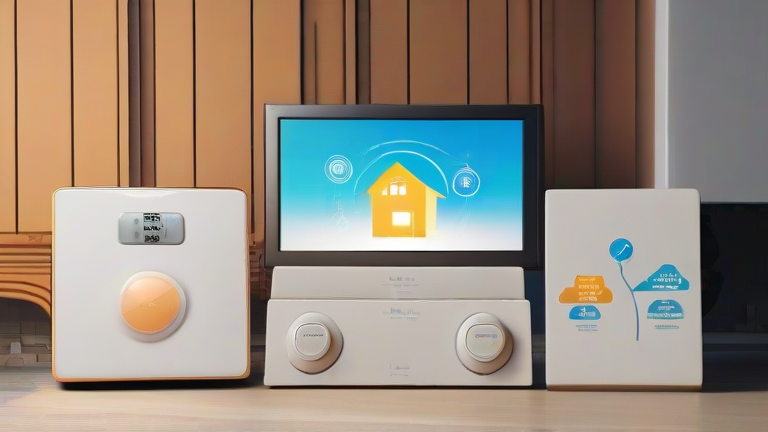
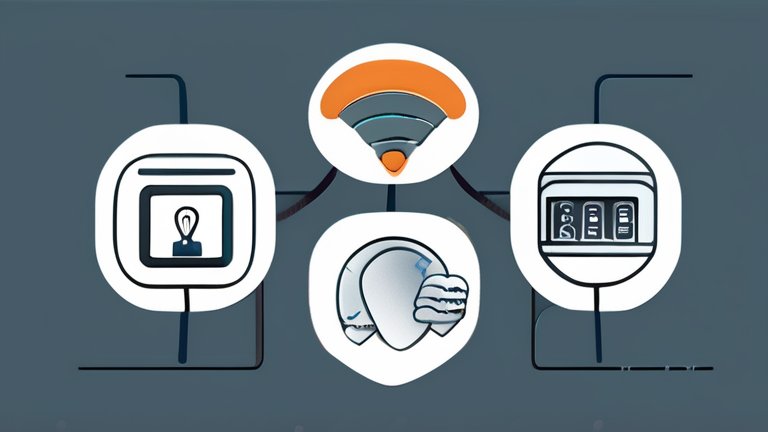
The standout feature of these modern applications is their ability to interpret biological signals such as heart rate variability (HRV), galvanic skin response, and breathing patterns. When a user begins a breathing exercise, the app monitors their physiological response in real-time. If the data indicates that stress levels remain high, the app dynamically adjusts the guidance, perhaps slowing down the breathing rhythm or switching to a calming sound frequency. This closed-loop system ensures that the intervention is effective for the individual in that specific moment, rather than offering a one-size-fits-all audio track.

Comparison: Static vs. Dynamic Wellness

When comparing traditional apps like Headspace or Calm to newer bio-integrated platforms like Elite HRV or Muse S, the difference in efficacy becomes clear. Standard apps offer excellent guided meditations and sleep stories, which are valuable for establishing a routine. However, they lack the ability to measure whether the user has actually entered a relaxed state. In contrast, biofeedback apps provide tangible metrics. For instance, while a standard app might tell you to breathe for five minutes, a biofeedback app will stop the session only when your HRV indicates a shift into a parasympathetic nervous system response. This evidence-based approach appeals to users who are data-driven or those who struggle with abstract mindfulness concepts. Furthermore, the integration with wearables like Apple Watch or Oura Ring allows for continuous monitoring throughout the day, not just during dedicated meditation sessions.

Call to Action

If you are looking to take a proactive approach to your mental health, it is time to move beyond passive consumption. Consider integrating a biofeedback-enabled app into your daily routine. Start with a free trial of a leading platform, pair it with a compatible wearable, and commit to ten minutes of daily practice. Track your progress over a month, and you may find that your baseline stress levels drop significantly. The technology is here; the only missing piece is your commitment to using it.

FAQ

Q: Do I need expensive wearable devices to use biofeedback apps?
A: While many advanced features require compatible wearables like smartwatches or chest straps, some apps offer basic biofeedback using your smartphone’s camera and microphone to detect heart rate and breathing patterns.

If you want to dig deeper, check out our guide on Top 10 Tech Trends Reshaping the Future in 2024.

Q: Is biofeedback suitable for people with anxiety disorders?
A: Yes, biofeedback can be highly beneficial for anxiety, but it should be used as a complementary tool rather than a replacement for professional therapy. Always consult with a healthcare provider before starting new wellness practices.

Q: How accurate is the data provided by these apps?
A: The accuracy depends largely on the quality of the connected hardware. Consumer-grade wearables are generally accurate enough for trend analysis and relaxation guidance, though they may not match the precision of medical-grade equipment.

Related Articles

Posted on Leave a comment

Smart Home Hubs: Unify Your Fragmented IoT Ecosystem

TL;DR: Smart home hubs are rapidly evolving from simple connectivity bridges into centralized command centers that unify fragmented IoT ecosystems, ensuring seamless interoperability across diverse devices. This consolidation is driven by consumer fatigue over multiple apps and the urgent industry need for standardized, secure, and efficient device management.

The Rise of the Unified Command Center

If you want to dig deeper, check out our guide on Top 10 SEO Strategies to Grow Your Business in 2024.

The modern smart home landscape has long been plagued by fragmentation. Consumers often find themselves juggling five or six different applications to control lights, thermostats, security cameras, and entertainment systems. This disjointed experience has created significant friction, leading to user abandonment and reduced satisfaction. However, a significant shift is underway. Smart home hubs are no longer just passive connectors; they are becoming intelligent orchestrators that simplify the user experience by aggregating control into a single, intuitive interface.

According to recent market analysis, the global smart home hub market is projected to grow at a compound annual growth rate (CAGR) of 12.5% through 2030. This surge is largely attributed to the widespread adoption of Matter, the new universal connectivity standard. Matter aims to break down the walls between ecosystems like Apple HomeKit, Google Home, and Amazon Alexa, allowing devices to communicate seamlessly regardless of the brand. As a result, major tech giants are investing heavily in hub technology that prioritizes cross-platform compatibility.

Expert Insights on Interoperability and Security

Industry experts emphasize that the true value of a unified hub lies not just in convenience, but in enhanced security and efficiency. “Fragmentation creates security vulnerabilities because users often neglect to update individual apps or devices,” notes Sarah Jenkins, a senior analyst at TechFuture Insights. “A centralized hub can manage firmware updates uniformly and monitor network traffic for anomalies, providing a higher level of protection than disparate apps ever could.”

Furthermore, unified hubs enable more sophisticated automation. When devices communicate natively, routines become more complex and responsive. For instance, a security camera can trigger a light to turn on and a notification to be sent to all your devices instantly, without latency or compatibility errors. This level of integration transforms a collection of gadgets into a cohesive, intelligent home environment that anticipates user needs rather than just responding to commands.

Future Predictions: AI-Driven Automation

Looking ahead, the next generation of smart home hubs will likely integrate advanced artificial intelligence to predict user behavior. Instead of requiring manual setup for routines, AI-driven hubs will learn daily patterns and adjust settings automatically. We can expect hubs to manage energy consumption more effectively by optimizing HVAC and lighting usage based on occupancy and weather data. Additionally, voice assistants embedded in hubs will become more conversational and context-aware, further reducing the need for screen-based control. As the IoT ecosystem matures, the smart home hub will remain the critical backbone of a connected, efficient, and secure home.

FAQ

Q: What is the primary benefit of using a smart home hub?
A: The primary benefit is unified control, allowing users to manage all IoT devices from a single interface rather than multiple apps.

Q: How does the Matter standard impact smart home hubs?
A: Matter ensures cross-platform compatibility, allowing devices from different brands to work together seamlessly within the same hub ecosystem.

Q: Will smart home hubs become more intelligent in the future?
A: Yes, future hubs will likely use AI to learn user habits and automate routines without manual programming.

Related Articles

Posted on Leave a comment

Micro-Resorts Fuel the Experiential Travel Boom

TL;DR: Micro-resorts fuel the experiential travel boom by offering intimate, design-led accommodations that prioritize authentic local immersion over mass tourism. Travelers seek these compact, high-impact stays to connect deeply with culture, nature, and community in a sustainable, personalized manner.

How to Find and Book Your Micro-Resort Experience

The rise of micro-resorts represents a significant shift in the hospitality industry. These boutique properties focus on quality over quantity, providing guests with unique, memorable experiences. To navigate this growing market, follow these streamlined steps to secure your perfect stay.

If you want to dig deeper, check out our guide on Sustainable Fashion: The Rise of Lab-Grown Bio-Materials.

Step 1: Define Your Experiential Goals

Before searching, identify what “experience” means to you. Do you seek culinary workshops, yoga retreats, or historical immersion? Micro-resorts often specialize in specific themes. Aligning your interests helps filter the vast array of options available online. Write down three non-negotiable experiences you want to have during your stay.

Step 2: Use Niche Booking Platforms

Major hotel chains rarely list micro-resorts. Instead, utilize specialized platforms like Design Hotels, Boutique Travel, or local tourism boards. These sites curate properties that emphasize design, sustainability, and local culture. Look for keywords like “boutique,” “eco-lodge,” or “design-led” to find hidden gems. Read recent reviews to gauge the authenticity of the local connection.

Step 3: Engage Directly with Hosts

Micro-resorts are often owner-operated. Contact them directly via email or phone. Ask specific questions about local partnerships, guided activities, and dietary accommodations. This direct interaction reveals the level of personalization available. It also allows you to request special arrangements, such as private tours or cooking classes, which are often included in the stay.


Choose accommodations that reflect local aesthetics and comfort.

Step 4: Verify Sustainability Practices

Experiential travelers often prioritize sustainability. Check if the resort uses renewable energy, sources food locally, or supports community projects. Genuine micro-resorts will highlight these efforts transparently. Avoid properties that engage in greenwashing. Your choice directly impacts the local ecosystem and economy.

Tip: Travel Off-Peak

Micro-resorts have limited capacity. Booking during shoulder seasons ensures better availability and often lower rates. It also allows for a more intimate connection with other guests and the local community. You will enjoy a quieter, more reflective atmosphere.

FAQ

Q: What is a micro-resort?
A: A micro-resort is a small, boutique accommodation that offers an intimate, design-focused experience with a strong connection to local culture and nature.

Q: Are micro-resorts more expensive?
A: They can be pricier than standard hotels due to their exclusive nature and personalized services, but they often provide better value through unique inclusions and experiences.

Q: How do I book a micro-resort?
A: Use niche travel websites, contact hosts directly, or work with specialized travel agents who focus on boutique and experiential travel.

Related Articles