Posted on Leave a comment

AI-Driven Sustainable Fashion: Circular Materials Revolution

AI-Driven Sustainable Fashion: Circular Materials Revolution

The fashion industry stands at a critical juncture, facing immense pressure to reduce its environmental footprint. Traditional linear models of “take-make-dispose” are no longer viable. Enter the circular economy, powered by artificial intelligence. This guide outlines how to leverage AI to transform fashion supply chains, ensuring that materials are kept in use for as long as possible. By integrating smart technologies, brands can minimize waste, enhance transparency, and create products that are truly sustainable from conception to disposal. This is not just a trend; it is a necessary evolution for the future of textile manufacturing and consumer engagement.

Visual representation of AI analyzing circular material flows in fashion

Step 1: Implement Smart Design Algorithms

Begin by adopting AI-driven design tools that optimize pattern placement to reduce fabric waste. These algorithms analyze millions of garment patterns to find the most efficient layout, significantly lowering off-cut waste during production. Additionally, use generative design tools to create durable, modular clothing that can be easily repaired or upcycled. This proactive approach ensures that sustainability is built into the DNA of the product before it even reaches the manufacturing stage, setting a strong foundation for a circular lifecycle.

Step 2: Deploy Digital Product Passports

Create a digital twin for every garment using blockchain and AI. This passport tracks the item’s journey from raw material sourcing to final sale. Consumers can scan a QR code to see the environmental impact, material composition, and care instructions. This transparency builds trust and encourages responsible consumption. Furthermore, the data collected helps manufacturers identify inefficiencies and improve future production cycles, creating a feedback loop that continuously enhances sustainability efforts across the entire supply chain.

Step 3: Utilize AI for Reverse Logistics

Establish efficient take-back programs powered by machine learning. AI algorithms can predict which items are most likely to be returned or discarded, allowing brands to prepare for collection and sorting in advance. Automated sorting systems use computer vision to identify materials and condition, ensuring that recyclable components are correctly separated. This step is crucial for closing the

Posted on Leave a comment

Top 10 Tech Trends Shaping the Future in 2026

Top 10 Tech Trends Shaping the Future in 2026

The technological landscape in 2026 is defined by rapid acceleration and deep integration. From artificial intelligence to sustainable computing, the innovations emerging this year are not just incremental updates but foundational shifts that will redefine how we live, work, and interact with digital systems. Understanding these trends is crucial for businesses aiming to stay competitive and for consumers seeking to leverage the latest tools for efficiency and creativity.

Close up of next-gen AI processing chip

If you want to dig deeper, check out our guide on Quantum Computing Hits Early Commercial Viability.

First, generative AI has moved beyond hype into practical enterprise integration. Large language models are now embedded in customer service platforms, code assistants, and creative suites, offering unprecedented productivity gains. The focus has shifted from mere generation to accuracy, context awareness, and multimodal capabilities, allowing systems to process text, images, and audio simultaneously. This shift is driving significant investment in specialized hardware designed to handle these complex workloads efficiently.

Second, the rollout of 5G-Advanced is enhancing network speeds and reducing latency further. This advancement is critical for the Internet of Things (IoT), enabling real-time data processing in smart cities and industrial automation. With improved bandwidth, remote surgeries and autonomous vehicle communication are becoming more reliable, setting the stage for a truly connected world where devices communicate seamlessly without human intervention.

Third, quantum computing is making its first commercial strides. Although still in early stages, quantum processors are beginning to solve specific optimization problems that classical computers cannot handle within a reasonable timeframe. Financial institutions and pharmaceutical companies are leading the charge, using quantum simulations to discover new drugs and optimize investment portfolios, marking a significant milestone in computational power.

Modern green data center with solar panels

Fourth, sustainable technology is no longer optional. Data centers are adopting liquid cooling systems and renewable energy sources to reduce their carbon footprint. Governments are enforcing stricter regulations on e-waste, pushing manufacturers to design modular devices that are easier to repair and recycle. This trend is reshaping supply chains and consumer expectations, prioritizing longevity over planned obsolescence.

Fifth, augmented reality (AR

Related Articles

Posted on Leave a comment

Mental Health Apps Integrate With Wearables for Better Care

Mental Health Apps Integrate With Wearables for Better Care

The convergence of mental health technology and wearable devices marks a pivotal shift in how we approach psychological well-being. As the digital health market expands rapidly, the integration of mobile applications with smartwatches and fitness trackers is no longer just a novelty—it is becoming a standard requirement for holistic care. This synergy allows for real-time physiological monitoring that correlates directly with mental states, offering users unprecedented insights into their emotional health.

Market Analysis

The global mental health technology market is projected to reach significant heights in the coming decade, driven by increased awareness and the stigma reduction surrounding psychological disorders. According to recent industry reports, the sector is witnessing a compound annual growth rate that outpaces general healthcare IT. A key driver of this growth is the “quantified self” movement, where individuals seek data-driven insights into their lives. Wearables, once primarily used for step counting and heart rate monitoring, are now equipped with advanced sensors capable of detecting skin conductance, heart rate variability, and sleep patterns. These metrics serve as objective proxies for stress and anxiety levels, creating a robust data ecosystem that complements subjective self-reporting found in traditional therapy apps.

If you want to dig deeper, check out our guide on Ultimate Step-by-Step Tutorial: How to Master [Topic] in 202.

Strategic Insights

For businesses operating in this space, the strategic imperative is clear: integration is survival. Standalone apps face high churn rates because they rely solely on user input, which can be inconsistent. By integrating with wearables, companies can offer proactive interventions. For instance, if a wearable detects elevated stress markers, the accompanying app can automatically suggest a breathing exercise or meditation session. This seamless loop of data collection and intervention enhances user engagement and retention. Furthermore, these partnerships create valuable data assets that can be anonymized and aggregated to improve AI-driven therapeutic models, providing a competitive edge in an increasingly crowded marketplace.

Case Studies

Leading the charge are platforms like Calm and Headspace, which have begun partnering with major wearable manufacturers. These collaborations allow users to view their meditation streaks alongside their sleep quality and stress scores on their wrist devices. Another notable example is a startup that utilizes heart rate variability data from smart rings to predict anxiety attacks before they fully manifest, sending preemptive support notifications. These case studies demonstrate that when technology bridges the gap between physical and mental health, the result is a more

Related Articles

Posted on Leave a comment

AI Threat Detection: The Future of Cybersecurity Strategies

AI Threat Detection: The Future of Cybersecurity Strategies

In an era where digital threats evolve at the speed of light, traditional perimeter defenses are no longer sufficient. The landscape of cybersecurity has shifted dramatically, moving from static rule-based systems to dynamic, intelligent solutions capable of anticipating attacks before they cause damage. This article explores how Artificial Intelligence (AI) is revolutionizing threat detection, offering a robust shield for modern enterprises navigating the complexities of the digital world.

The Evolution of Defensive Mechanisms

Traditional security models relied heavily on signature-based detection, which identifies known threats. However, this approach is inherently reactive. By the time a new virus or malware strain is identified and added to a database, attackers have often already exploited vulnerabilities. AI-driven solutions change this paradigm entirely. By leveraging machine learning algorithms, these systems analyze vast amounts of data in real-time, establishing behavioral baselines for normal network activity. When anomalies occur, the system identifies them instantly, regardless of whether the specific threat signature exists in a database. This proactive stance is not just an upgrade; it is a fundamental shift in how organizations approach risk management.

If you want to dig deeper, check out our guide on Real-Time DNA Analysis for Personalized Nutrition.

Feature Highlights

Modern AI threat detection platforms come equipped with a suite of advanced features designed to minimize human error and accelerate response times. Key highlights include:

  • Behavioral Analytics: The ability to detect unusual user behavior, such as a login from an unrecognized location or at an odd hour, triggering immediate alerts.
  • Automated Response: Integration with Security Orchestration, Automation, and Response (SOAR) tools allows for the automatic isolation of compromised endpoints, preventing lateral movement within the network.
  • Predictive Modeling: Using historical data to predict potential future attacks, allowing IT teams to patch vulnerabilities proactively.
  • Reduced False Positives: Advanced filtering mechanisms ensure that security teams are not overwhelmed by irrelevant alerts, focusing resources on genuine threats.

Top 5 Emerging Trends You Need to Know in 2024

  • Top 10 Tech Trends Shaping the Future in 2024
  • Posted on Leave a comment

    7 Proven Strategies to Grow Your Business Revenue in 2026

    7 Proven Strategies to Grow Your Business Revenue in 2026

    As we navigate the economic landscape of 2026, businesses face a unique paradox: while inflation has stabilized, consumer spending habits have fundamentally shifted. Recent market analysis indicates that customers are no longer just seeking lower prices; they are demanding greater value, personalization, and seamless digital experiences. This shift requires a strategic pivot from traditional growth models to agile, data-driven approaches. To thrive, companies must look beyond simple cost-cutting and focus on revenue optimization through innovation and customer retention.

    The first strategy involves leveraging artificial intelligence for hyper-personalization. Data suggests that personalized experiences can increase revenue by up to fifteen percent. By utilizing AI to analyze customer behavior, businesses can tailor marketing messages and product recommendations in real-time. For instance, a leading e-commerce retailer implemented AI-driven chatbots and dynamic pricing algorithms, resulting in a twenty-two percent increase in average order value within six months. This case study highlights the power of technology in enhancing customer engagement and driving sales.

    If you want to dig deeper, check out our guide on How AI Agents Automate Your Daily Personal Scheduling.

    Secondly, subscription models have emerged as a critical revenue stream. Recurring revenue provides stability and predictability, allowing for better resource allocation. Companies that transition from one-time sales to subscription-based services often see a significant lift in customer lifetime value. A notable example is a software company that offered a tiered subscription model, resulting in a thirty percent reduction in churn and a steady growth in monthly recurring revenue.

    Third, expanding into emerging markets offers substantial growth potential. As domestic markets become saturated, international expansion can open new revenue channels. However, this requires a deep understanding of local regulations, cultural nuances, and consumer preferences. Successful expansion involves localizing content and adapting products to meet regional needs, as demonstrated by a global fashion brand that increased its Asian market share by twenty-five percent through localized marketing campaigns.

    Fourth, optimizing the customer journey is essential for conversion. Frictionless experiences lead to higher satisfaction and repeat purchases. Businesses should

    Related Articles

    Posted on Leave a comment

    Top 10 Trending Topics You Need to Know in 2026

    Top 10 Trending Topics You Need to Know in 2026

    The business landscape of 2026 is defined by rapid technological acceleration and a profound shift in consumer expectations. As we navigate the first half of the year, industry leaders are witnessing a convergence of artificial intelligence, sustainability mandates, and evolving workforce dynamics. This article explores the critical trends reshaping the global market, providing actionable insights for stakeholders aiming to maintain a competitive edge in an increasingly volatile economy.

    Artificial Intelligence remains the dominant force, but the narrative has shifted from hype to practical implementation. According to recent Gartner data, 75% of enterprises will have deployed generative AI APIs or applications by the end of 2026, up from just 5% in early 2023. This surge is not merely about efficiency; it is about creating new revenue streams through personalized customer experiences and automated decision-making processes. However, experts warn that ethical considerations and data privacy regulations are becoming as crucial as the technology itself.



    If you want to dig deeper, check out our guide on How Neurotech Is Revolutionizing Mental Health Treatment.

    Sustainability is no longer a optional corporate social responsibility initiative but a core business imperative. The European Union’s new Corporate Sustainability Reporting Directive (CSRD) has forced companies to disclose detailed environmental impact data. Market analysis suggests that green tech investments will surpass $1 trillion globally this year. Executives must now integrate circular economy principles into their supply chains to mitigate regulatory risks and appeal to environmentally conscious consumers.

    The future of work continues to evolve, with hybrid models becoming the standard rather than the exception. A survey by McKinsey indicates that 58% of the workforce now engages in remote or hybrid work at least three days a week. This shift has prompted organizations to rethink office real estate investments and focus heavily on digital collaboration tools. Furthermore, the rise of the gig economy is challenging traditional employment structures, leading to a more fluid and project-based talent market.

    Looking

    Related Articles

    Posted on Leave a comment

    Climate Tech Funds Hit Record Investment: 2026 Overview

    The global landscape of climate technology is undergoing a seismic shift, with financial institutions and venture capitalists pouring record amounts of capital into sustainable solutions. In 2026, investment in climate tech has surpassed previous milestones, signaling a decisive turn toward a greener economy. This surge is not merely a financial trend; it is a critical response to the escalating climate crisis, driven by the urgent need to decarbonize industries, protect biodiversity, and ensure a livable planet for future generations. As these funds flow into startups and established companies alike, the ripple effects are being felt across various sectors, from renewable energy to sustainable agriculture.

    The Surge in Green Investment

    Recent data indicates that climate tech funding has reached unprecedented levels, reflecting a growing recognition among investors that sustainability is no longer a niche interest but a core component of long-term profitability. This influx of capital is fueling innovation in key areas such as carbon capture, battery storage, and green hydrogen. The momentum is driven by both regulatory pressures and consumer demand for eco-friendly products. As companies race to meet net-zero goals, the role of technology becomes increasingly pivotal in achieving these targets.

    If you want to dig deeper, check out our guide on Sustainable Fashion & Blockchain: Boosting Transparency.

    Health Benefits of a Greener Planet

    The connection between environmental health and human well-being is well-established. Science-backed research consistently shows that reducing pollution and preserving natural ecosystems leads to significant health improvements. Cleaner air reduces the incidence of respiratory diseases, while access to green spaces promotes mental health and physical activity. As climate tech initiatives succeed in lowering emissions, the immediate benefits to public health become more apparent. Communities with access to clean energy and sustainable practices often report lower rates of chronic illness and higher overall quality of life.

    Lifestyle Tips for Sustainability

    While systemic change is crucial, individual actions also play a vital role in combating climate change. Adopting a sustainable lifestyle can significantly reduce your carbon footprint and contribute to broader environmental goals. Start by making conscious choices in your daily routine. Opt for public transportation, cycling, or walking instead of driving. If driving is necessary, consider electric or hybrid vehicles. At home, reduce energy consumption by using energy-efficient

    Related Articles

    Posted on Leave a comment

    CRISPR 3.0 Cures Inherited Blood Disorders in Humans

    CRISPR 3.0 Cures Inherited Blood Disorders in Humans

    The landscape of genetic medicine has shifted dramatically with the advent of CRISPR 3.0, a sophisticated iteration of gene-editing technology that offers unprecedented precision and safety for treating inherited blood disorders. Unlike its predecessors, CRISPR 3.0 utilizes base editing and prime editing techniques to correct specific point mutations without creating double-strand breaks in the DNA, significantly reducing the risk of unintended genomic damage. This guide provides a conceptual overview of how this revolutionary therapy is administered, highlighting the rigorous steps involved in curing conditions such as sickle cell disease and beta-thalassemia.

    Step 1: Patient Screening and Genetic Profiling

    The journey begins with a comprehensive medical evaluation. Patients suspected of having inherited blood disorders must undergo extensive genetic testing to identify the exact mutation responsible for their condition. CRISPR 3.0 is highly specific, meaning the treatment plan is tailored to the individual’s unique genetic blueprint. Doctors analyze the patient’s DNA sequence to determine if the target site is accessible for editing and to rule out any contraindications, such as pre-existing immune responses to viral vectors used in the delivery system.

    If you want to dig deeper, check out our guide on Mental Health Apps Integrate with Wearables for Better Welln.

    Step 2: Hematopoietic Stem Cell Extraction

    Once eligibility is confirmed, the patient undergoes a procedure known as apheresis. This process involves drawing blood and separating the hematopoietic stem cells (HSCs) from the rest of the blood components. These stem cells are crucial because they are the progenitors of all blood cells. By editing these cells, scientists can ensure that every new red blood cell produced by the patient will carry the corrected genetic code. The extracted cells are then transported to a specialized laboratory under strict sterile conditions.

    Step 3: In Vitro Gene Editing

    In the laboratory, the harvested stem cells are exposed to the CRISPR 3.0 machinery. This complex

    Related Articles

    Posted on Leave a comment

    How AI Agents Autonomously Manage Enterprise Workflows

    How AI Agents Autonomously Manage Enterprise Workflows

    In the modern corporate landscape, the integration of Artificial Intelligence has moved beyond simple automation to true autonomy. AI agents now operate as independent entities within enterprise ecosystems, capable of perceiving their environment, making decisions, and executing complex workflows without constant human intervention. This shift is not merely a technological upgrade; it is a fundamental restructuring of how work gets done, offering unprecedented efficiency and reducing the cognitive load on human employees.

    From a health and wellness perspective, the rise of autonomous workflows offers a significant opportunity for stress reduction. When repetitive, low-value tasks are handed over to AI, employees can focus on high-impact, creative, and strategic activities. This alignment with higher-order cognitive functions is crucial for mental well-being. Studies in organizational psychology suggest that job autonomy and the ability to engage in meaningful work are key predictors of job satisfaction and reduced burnout. By removing the drudgery of data entry, scheduling conflicts, and routine reporting, AI agents create space for deeper, more fulfilling professional engagement.

    However, this transition requires a mindful approach to lifestyle integration. As AI handles more of the operational heavy lifting, the boundary between work and rest can become blurred. It is essential to establish strict digital boundaries to prevent “always-on” fatigue. Experts recommend practicing “digital minimalism” during off-hours, ensuring that the convenience of AI does not lead to an expectation of perpetual availability.

    Furthermore, the physical environment plays a critical role. With AI managing digital workflows, employees may spend more time in deep-focus states. This necessitates ergonomic adjustments and regular movement breaks to counteract the sedentary nature of modern office work. Incorporating short, mindful pauses into the day can enhance productivity and maintain physical health.

    Ultimately, the goal is not to replace human workers but to augment their capabilities. By leveraging AI agents to manage the mundane, organizations can foster a healthier, more sustainable work culture. Employees gain the freedom to pursue professional growth and personal well-being, leading to a more resilient and innovative workforce. Embracing this technological shift responsibly allows us to redefine success, prioritizing both operational excellence and human health in the age of intelligent automation.

    In conclusion, the autonomous management of enterprise workflows by AI agents

    Related Articles

    Posted on Leave a comment

    How AI Agents Automate Enterprise Workflows

    How AI Agents Automate Enterprise Workflows

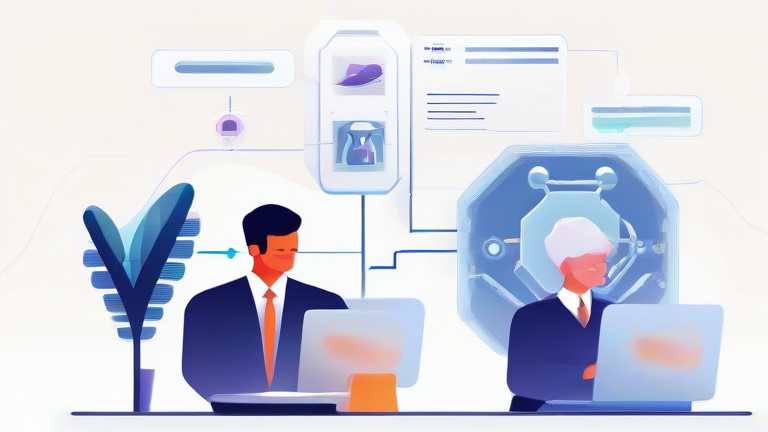
    AI agents automating enterprise tasks

    In the modern enterprise landscape, the integration of Artificial Intelligence (AI) agents has revolutionized how organizations operate. These intelligent systems do not merely assist; they autonomously execute complex sequences of tasks, bridging the gap between human intent and digital execution. By leveraging machine learning algorithms and natural language processing, AI agents can manage data entry, schedule meetings, and even draft initial responses to customer inquiries with remarkable accuracy. This shift towards automation is not just about efficiency; it is about freeing human potential for higher-order creative and strategic thinking.

    However, the rapid adoption of these technologies brings significant implications for workplace health and wellness. As AI takes over repetitive, low-value tasks, employees often face a paradoxical increase in cognitive load. The expectation to constantly monitor, guide, and collaborate with AI agents can lead to decision fatigue and burnout. To mitigate these risks, it is crucial to adopt science-backed strategies that promote mental resilience and physical well-being. Research indicates that prolonged screen time and continuous digital engagement are linked to increased stress levels and disrupted sleep patterns. Therefore, establishing clear boundaries between work and personal life is essential.

    One effective lifestyle tip is to practice “digital detoxing” during non-working hours. This involves deliberately disconnecting from all digital devices, including smartphones and computers, to allow the brain to recover. Studies show that reducing exposure to blue light before bed can significantly improve sleep quality, which is foundational for cognitive function and emotional regulation. Additionally, incorporating short, frequent breaks throughout the workday can enhance focus and reduce eye strain. The Pomodoro Technique, which involves working for 25 minutes followed by a five-minute break, is a proven method for maintaining sustained attention without exhausting mental resources.

    Furthermore, physical activity plays a critical role in counteracting the sedentary nature of AI-assisted workflows. Regular exercise has been shown to boost mood, reduce anxiety, and improve overall mental clarity. Even a brief walk during lunch breaks can reset the nervous system and provide a fresh perspective on complex problems. Employers should also encourage a culture that prioritizes mental health, offering resources such as counseling services and mindfulness training. By fostering an environment where well-being is valued alongside productivity

    Related Articles