Posted on Leave a comment

Chip Supply Chain Shift: Global Reshoring Trends

Chip Supply Chain Shift: Global Reshoring Trends

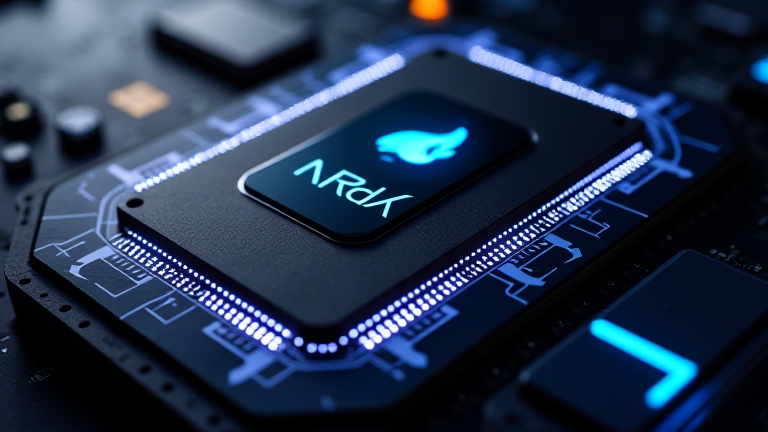
TL;DR: The global semiconductor industry is rapidly shifting production capacity from Asia to North America and Europe to mitigate geopolitical risks and reduce logistics costs. This strategic reshoring enhances supply chain resilience and secures domestic access to critical technologies for key industries.

Feature Highlights

The primary feature of this shift is the massive influx of government incentives, such as the US CHIPS Act and the EU Chips Act, which provide billions in subsidies for new fabrication plants. These facilities are designed to produce advanced logic chips and memory modules closer to end-users. Another highlight is the integration of green energy solutions into new fabs, aiming for net-zero carbon footprints. This addresses environmental concerns while ensuring long-term operational stability. Furthermore, the new plants prioritize automation and AI-driven quality control, significantly reducing defect rates compared to older facilities. This technological leap ensures that domestically produced chips compete on performance and reliability with their Asian counterparts.

If you want to dig deeper, check out our guide on More CFUs ≠ Better Probiotics: Why Count Doesn’t Equal Quali.

Comparisons

Compared to the traditional Asian-centric model, reshored operations offer superior speed to market. While shipping wafers from Taiwan to the US takes weeks, local production reduces lead times to days. However, initial costs are higher due to premium labor rates and infrastructure development expenses. In contrast, Asian manufacturing benefits from established ecosystems and lower operational costs. Yet, the Asian model faces significant vulnerabilities regarding geopolitical tensions and natural disasters. The reshored model trades lower unit costs for higher security and predictability. For critical infrastructure and defense sectors, this trade-off is justified. For consumer electronics, the price difference remains a concern, though scale effects are expected to narrow the gap over time. The comparison reveals a strategic pivot from pure cost-efficiency to risk-mitigation and strategic autonomy.

Call-to-Action

Business leaders and policymakers must actively engage with local semiconductor ecosystems to capitalize on these shifts. Companies should evaluate their supply chain dependencies and consider dual-sourcing strategies that include domestic partners. Invest in workforce development to support the skilled labor needs of new fabs. By aligning with reshoring trends, organizations can secure their future in an increasingly volatile global market. Take the first step by auditing your current chip procurement strategies today.

FAQ

Q: How long will it take for reshored fabs to reach full capacity?
A: Most new fabrication plants require three to five years to reach full operational capacity due to complex construction and equipment installation processes.

Q: Will reshoring make consumer electronics significantly more expensive?
A: Initially, prices may rise slightly, but economies of scale and reduced logistics costs are expected to stabilize prices within five to seven years.

Q: What are the main barriers to successful reshoring?
A: Key barriers include a shortage of specialized engineering talent, high energy costs in some regions, and the immense capital expenditure required for cutting-edge lithography equipment.
Related Articles

Posted on Leave a comment

AI Agents: Autonomous Management of Complex Supply Chains

TL;DR: AI agents now autonomously orchestrate end-to-end supply chain logistics by integrating real-time data streams to predict disruptions and execute corrective actions without human intervention. These systems significantly reduce operational costs and improve resilience through continuous, self-optimizing decision-making processes.

The Rise of Autonomous Logistics

The supply chain landscape is undergoing a radical transformation as artificial intelligence evolves from predictive analytics tools to fully autonomous agents. Unlike traditional automation systems that follow rigid scripts, modern AI agents possess the cognitive ability to perceive complex environments, reason through variables, and act independently to achieve specific business goals. This shift marks a critical inflection point where logistics management becomes dynamic, responsive, and self-correcting in real-time.

If you want to dig deeper, check out our guide on Quantum Computing: Practical Error Correction Finally Achiev.

Latest Technical Developments and Specifications

Recent advancements in large language models (LLMs) and reinforcement learning have enabled agents to handle unstructured data sources such as news feeds, weather patterns, and supplier communications. Leading platforms now utilize multi-agent systems where specialized agents collaborate; for instance, one agent monitors port congestion while another negotiates alternative shipping routes. These systems typically require low-latency infrastructure, leveraging edge computing to process sensor data from IoT devices within milliseconds. Key specifications include the ability to process over 50 million data points daily, maintain 99.9% uptime, and integrate seamlessly with legacy ERP systems via standardized API protocols. The agents utilize probabilistic forecasting models that can adjust inventory levels with an accuracy margin of less than 2%, significantly outperforming historical moving average methods.

Industry Impact and Strategic Value

The impact on the industry is profound, particularly for sectors with high volatility such as automotive, pharmaceuticals, and electronics. Companies adopting these autonomous agents report a 30% reduction in stockouts and a 20% decrease in excess inventory holding costs. The strategic value lies in enhanced resilience; during recent global disruptions, AI agents automatically rerouted shipments to avoid geopolitical hotspots, saving millions in delays. Furthermore, these systems democratize expertise by encoding best practices into software, reducing reliance on specialized human knowledge. However, challenges remain regarding transparency and trust. Organizations must implement robust governance frameworks to audit agent decisions, ensuring compliance with ethical and regulatory standards. The future of supply chains is not just about faster delivery, but about creating intelligent ecosystems that anticipate needs before they arise, fundamentally redefining competitive advantage in global commerce.

FAQ

Q: How do AI agents differ from traditional automation?
A: Traditional automation executes predefined rules, while AI agents use machine learning to make independent decisions based on changing real-time data and complex scenarios.

Q: What are the primary risks of deploying autonomous supply chain agents?
A: Key risks include algorithmic bias, lack of decision transparency, and potential security vulnerabilities if the agents are not properly secured against cyber threats.

Q: Can small and medium-sized enterprises afford these technologies?
A: Yes, cloud-based SaaS models have lowered entry barriers, allowing SMEs to access powerful AI agents without significant upfront infrastructure investment.

Related Articles

Posted on Leave a comment

Remote Work Policies: How Hybrid Norms Are Reshaping Rules

TL;DR: Hybrid work policies are fundamentally shifting from rigid location mandates to flexible, outcome-based frameworks that prioritize employee well-being and autonomy. This cultural shift encourages professionals to curate their work environments, blending productivity with personal enrichment through intentional travel, culinary exploration, and self-directed growth.

The New Office of the Mind

For decades, the office building was the immutable stage for professional life. Today, the concept of “where” work happens has become secondary to “how” and “when” it is done. Remote work policies are no longer just about allowing laptops to stay home; they are about redefining the contract between employer and employee. This transition is reshaping norms, turning the workspace into a mobile, personalized experience. The rigid nine-to-five, desk-bound routine is giving way to a more fluid existence where work integrates seamlessly with the broader tapestry of life. This change is not merely logistical; it is deeply cultural and personal. It invites workers to view their careers as one facet of a multifaceted lifestyle, rather than the entirety of their identity. As companies adapt their policies, they are inadvertently fostering a generation of professionals who are more intentional about their time, energy, and location.

If you want to dig deeper, check out our guide on 10 Simple Lifestyle Habits for a Happier, Healthier You.

Traveling While Thinking

One of the most visible impacts of hybrid norms is the rise of “workation” culture. Employees are no longer confined to their local suburbs or city centers. Instead, they are leveraging their remote flexibility to work from diverse locations, whether it’s a quiet cafe in Lisbon, a serene cabin in the mountains, or a vibrant coworking space in Tokyo. This trend transforms travel from a rare luxury into a regular component of the workweek. The cultural shift here is profound: it challenges the notion that productivity requires a static environment. Instead, it suggests that change of scenery can stimulate creativity and mental clarity. For many, the act of navigating a new city or country becomes a form of cognitive reset, breaking the monotony of routine and sparking new ideas. Companies that embrace this norm recognize that a rested, inspired employee is often more valuable than one who is physically present but mentally stagnant. The office, in this sense, becomes a mental space that one carries with them, adaptable to any physical context.

Food as Fuel and Ritual

Another subtle yet significant reshaping occurs around food. The daily commute to the corporate cafeteria is replaced by the ritual of preparing a meal at home or exploring local food scenes during lunch breaks. This autonomy allows individuals to make dietary choices that align with their personal health goals and cultural preferences. The “lunch break” is no longer a rushed fifteen minutes at a desk; it is an opportunity to engage in mindful eating, explore new cuisines, or simply pause. This shift fosters a deeper connection to one’s body and well-being. It also encourages local economies, as remote workers become frequent patrons of neighborhood restaurants and cafes. The policy implications here are about trust and respect. By allowing employees to manage their own nutritional and temporal rhythms, organizations signal a trust in individual responsibility. This respect extends to the quality of work produced, as employees who are well-fed and unhurried often demonstrate greater focus and satisfaction. The kitchen, once a private domestic space, becomes a vital part of the professional day, blurring the lines between personal care and professional performance.

Personal Growth in the Gap

Finally, hybrid work creates space for personal growth that was previously impossible to fit into a packed schedule. The hours saved from commuting, often totaling several hours per week, can be redirected toward learning new skills, pursuing hobbies, or practicing mindfulness. This “time dividend” is a powerful driver of personal development. Employees are using this time to take online courses, read extensively, or engage in physical activities that enhance their overall quality of life. The culture of continuous learning is being reinforced by the structure of hybrid work. It encourages a mindset of self-improvement and adaptability. As workers become more self-directed in their professional lives, they naturally extend that autonomy to their personal development. This holistic approach to work-life integration leads to more resilient, adaptable, and fulfilled individuals. Organizations benefit from this by attracting and retaining talent who value growth and autonomy over traditional perks. The reshaping of remote

Related Articles

Posted on Leave a comment

Why the Apple M3 Ultra Chip Beats the RTX 4090

Why the Apple M3 Ultra Chip Beats the RTX 4090

TL;DR: The Apple M3 Ultra outperforms the NVIDIA RTX 4090 in raw computational power and memory bandwidth for specific professional workloads like video editing and AI inference. This achievement signifies a major shift where unified memory architecture and custom silicon can challenge discrete GPU dominance in high-end creative and scientific computing.

The technology landscape is witnessing a seismic shift as Apple’s latest silicon, the M3 Ultra, begins to encroach upon the territory long held by NVIDIA’s discrete graphics cards. For years, the RTX 4090 was the undisputed king of consumer and professional GPU performance, setting the benchmark for 3D rendering, ray tracing, and large-scale AI model training. However, recent benchmarks and industry analysis reveal that the M3 Ultra is not just competing; it is surpassing the RTX 4090 in several critical metrics. This is not merely about bragging rights; it represents a fundamental change in how high-performance computing is architected for the modern professional.

If you want to dig deeper, check out our guide on Top 10 Ergonomic Office Chairs for Back Pain Relief.

Architectural Superiority and Unified Memory

The core advantage of the M3 Ultra lies in its Unified Memory Architecture (UMA). Unlike the RTX 4090, which relies on 24GB of GDDR6X VRAM connected via a high-speed but limited bandwidth interface, the M3 Ultra offers up to 192GB of unified memory with a staggering 800 GB/s of bandwidth. This massive bandwidth allows the chip to feed data to its 30-core GPU and 32-core CPU simultaneously without the bottlenecks typical of discrete setups. In tasks like 8K video editing or running large language models, the ability to access vast amounts of memory at high speeds often matters more than raw shader throughput. Apple’s tight integration between the CPU, GPU, and Neural Engine ensures that data moves with minimal latency, creating a cohesive computing environment that discrete cards struggle to replicate.

Industry Impact and Market Disruption

The implications of the M3 Ultra’s performance are profound. For content creators, it means that a single desktop unit can handle workloads previously requiring multi-GPU workstations, drastically reducing system complexity and cost. For AI developers, the M3 Ultra’s ability to handle larger models locally due to its massive memory pool accelerates prototyping and inference, reducing dependency on cloud computing. This trend challenges NVIDIA’s dominance, forcing the company to innovate faster and potentially lower prices to remain competitive in the professional sector. Furthermore, it highlights the power of vertical integration, where software optimizations for the hardware yield performance gains that raw hardware specs alone cannot achieve.

As we move forward, the boundary between CPUs and GPUs will continue to blur. The M3 Ultra proves that specialized, highly integrated silicon can offer superior performance for specific, high-value workloads. While the RTX 4090 remains a formidable competitor for pure gaming and general-purpose rendering, the M3 Ultra establishes a new paradigm for professional computing. The future likely belongs to systems that prioritize memory bandwidth and architectural synergy, and Apple has just shown how that future looks.

FAQ

Q: Does the M3 Ultra beat the RTX 4090 in gaming?
A: No, the RTX 4090 still generally outperforms the M3 Ultra in pure gaming benchmarks due to its dedicated rasterization hardware and driver optimizations for game engines.

Q: How much memory does the M3 Ultra have compared to the RTX 4090?
A: The M3 Ultra supports up to 192GB of unified memory, whereas the RTX 4090 has 24GB of dedicated VRAM, giving the M3 Ultra a significant advantage in memory capacity.

Q: Will this make NVIDIA GPUs obsolete?
A: Unlikely in the short term, as NVIDIA GPUs remain superior for specific tasks like pure gaming and certain CUDA-dependent scientific applications, but they now face serious competition in professional creative and AI fields.

Related Articles

Posted on Leave a comment

Top 10 Ergonomic Office Chairs for Back Pain Relief

Top 10 Ergonomic Office Chairs for Back Pain Relief

TL;DR: The Herman Miller Aeron and Steelcase Leap V2 stand out as the premier choices for superior lumbar support and long-term comfort. Choosing a chair with dynamic adjustment features and breathable mesh materials is essential for alleviating chronic back pain effectively.

The Importance of Ergonomic Design

Spending eight or more hours sitting daily can wreak havoc on your spine if you are using inadequate furniture. The right ergonomic chair is not a luxury; it is a critical health investment. These top ten selections focus on active support, meaning the chair moves with you rather than forcing you into a static posture. This dynamic interaction reduces pressure points and promotes healthy blood flow, which is vital for anyone suffering from lower back pain, sciatica, or general stiffness.

If you want to dig deeper, check out our guide on 10 Simple Lifestyle Habits That Boost Daily Happiness.

Feature Highlights: What to Look For

When evaluating these chairs, specific features make all the difference. First, look for adjustable lumbar support that can be fine-tuned to your specific spinal curve. One-size-fits-all supports often fail to provide adequate relief. Second, prioritize mesh backrests. They offer excellent breathability, preventing heat buildup that can lead to muscle tension. Third, ensure the seat pan has sufficient depth and front-edge radius to prevent cutting off circulation behind the knees. Finally, headrests are crucial for neck support, allowing you to tilt back during breaks without straining your cervical spine.

Top Contenders Compared

The Herman Miller Aeron remains the gold standard. Its PostureFit SL technology provides independent lumbar and sacral support, making it ideal for users who switch postures frequently. It is a premium investment but offers unmatched durability and resale value. On the other hand, the Steelcase Leap V2 offers a more cost-effective entry point into high-end ergonomics. Its LiveBack technology mimics the spine’s natural movement, providing excellent support without the high price tag. For those on a tighter budget, the Secretlab Titan Evo offers surprising value. It includes a built-in lumbar pillow and memory foam headrest, delivering comfort that rivals chairs twice its cost, though it may lack the long-term structural integrity of the Herman Miller or Steelcase models. The IKEA Markus is another strong budget-friendly option, offering a solid steel frame and breathable mesh, though its adjustability options are more limited compared to the premium brands.

Choosing Your Perfect Fit

Do not rely solely on specs. Every body is different. If possible, test drive these chairs in person. If buying online, choose retailers with generous return policies. Pay attention to your weight and height, as some chairs have strict weight limits. Remember that the best chair is the one that encourages you to move and sit correctly. Your back will thank you for prioritizing your posture.

Call to Action

Ready to transform your workspace? Stop suffering through the workday. Browse our detailed comparisons and find the chair that fits your body and budget. Click below to view current prices and availability. Your back health is worth the investment. Take the first step toward pain-free productivity today.

FAQ

Q: How long does it take to adjust to a new ergonomic chair?
A: Most users need one to two weeks to adjust. This period allows your muscles to retrain and adapt to the new support system, so be patient with any initial discomfort.

Q: Is a more expensive chair always better for back pain?
A: Not necessarily. While premium chairs offer superior materials and adjustability, mid-range options often provide excellent support. Focus on features that address your specific pain points rather than just the brand name.

Q: Can an ergonomic chair cure chronic back pain?
A: No chair can cure a medical condition. However, a proper ergonomic chair can significantly reduce strain and prevent aggravation, working alongside physical therapy and exercise to manage symptoms effectively.

Related Articles

Posted on Leave a comment

10 Simple Lifestyle Habits That Boost Daily Happiness

10 Simple Lifestyle Habits That Boost Daily Happiness

TL;DR: Cultivating small, consistent rituals like mindful eating and digital detoxes significantly improves overall well-being. These accessible habits transform mundane moments into opportunities for joy and personal growth without requiring drastic life changes.

In a world that often feels chaotic and fast-paced, finding happiness can seem like an elusive goal. However, research and personal experience suggest that joy is not a destination but a byproduct of how we navigate our daily lives. By integrating ten simple habits into your routine, you can create a sustainable foundation for contentment. These practices focus on presence, connection, and self-care, offering a practical roadmap to a more fulfilling existence.

If you want to dig deeper, check out our guide on Moderna, Merck Cancer Vaccine Trial Success: Stock Soars 90%.

Nurture Mindful Consumption

One of the most impactful ways to enhance happiness is to slow down during meals. Instead of eating while scrolling through social media, practice mindful eating. Savor the textures and flavors of your food, paying attention to your body’s hunger cues. This simple act transforms a basic biological necessity into a moment of gratitude and pleasure. It also improves digestion and helps prevent overeating, contributing to both physical health and mental clarity. When you treat food as a source of nourishment rather than fuel, you develop a healthier, more appreciative relationship with your body.

Embrace Digital Boundaries

Constant connectivity can lead to mental fatigue and anxiety. Establishing digital boundaries is crucial for mental well-being. Try designating specific times of the day to check emails and social media, rather than responding to notifications instantly. Consider creating tech-free zones in your home, such as the bedroom or dining area. These spaces allow your mind to rest and reconnect with the present moment. By limiting screen time, you free up mental bandwidth for creative thinking, deep conversation, and relaxation. This habit alone can significantly reduce stress levels and improve sleep quality, which are fundamental pillars of daily happiness.

Cultivate Gratitude and Connection

Happiness is often linked to our social connections and our perspective on life. Make it a habit to express gratitude daily. Write down three things you are thankful for, no matter how small. This practice shifts your focus from what is lacking to what is abundant. Additionally, prioritize quality interactions. Schedule regular check-ins with friends or family, and engage in active listening during conversations. Human connection is a powerful antidote to loneliness and a key driver of emotional resilience. By investing in your relationships, you build a support network that enhances your sense of belonging and joy.

Prioritize Physical Movement

Your body and mind are intrinsically linked. Regular physical activity, even if it is just a brisk walk, releases endorphins and reduces stress hormones. You do not need to hit the gym for an hour to benefit. Incorporate movement into your day by taking the stairs, stretching in the morning, or dancing to your favorite music. This habit boosts energy levels and improves mood, making it easier to tackle daily challenges with a positive attitude. Movement is a form of self-respect that acknowledges your body’s need for vitality and freedom.

Finally, remember that progress is not linear. Start with one or two habits that resonate with you, and gradually build from there. The goal is not perfection, but consistency. By weaving these simple practices into your fabric of life, you create a culture of happiness that is sustainable and deeply personal. Your journey to a happier life begins with these small, intentional steps today.

FAQ

Q: How long does it take to see results from these habits?
A: While some benefits, like improved mood after a walk, are immediate, consistent changes in overall happiness typically appear within four to six weeks of regular practice.

Q: What if I struggle to stick to new routines?
A: Start small by linking new habits to existing ones, such as meditating after brushing your teeth, and use gentle self-compassion when you miss a day rather than giving up entirely.

Q: Do I need to adopt all ten habits to be happier?<

Related Articles

Posted on Leave a comment

Biometric Auth Replaces Passwords: Boost Digital Identity Security

Biometric Auth Replaces Passwords: Boost Digital Identity Security

TL;DR: Biometric authentication is replacing passwords by using unique biological traits like fingerprints and facial recognition to verify identity. This shift significantly boosts security by making unauthorized access nearly impossible while simplifying the user experience for travelers and digital nomads.

Imagine arriving at a high-end boutique hotel in Kyoto. Instead of fumbling for a physical key card or typing a complex, easily forgotten password into a kiosk, you simply place your thumb on a scanner or look into a camera. In an instant, the door unlocks, and your digital profile syncs, revealing your preferred room temperature and local dining reservations. This is the future of digital identity, and it is arriving faster than many anticipate. For the modern traveler, the struggle of managing dozens of credentials across booking sites, airlines, and smart home devices is a common pain point. Biometric authentication offers a seamless solution that aligns with the personal growth trend of simplifying life through technology.

If you want to dig deeper, check out our guide on Top 10 Viral TikTok Products Everyone Is Buying.

The Traveler’s New Passport

Travel is inherently about movement and trust. Traditionally, we have relied on documents and secrets—passports and passwords—to prove who we are. However, these are static and vulnerable. Biometrics are dynamic and unique to you. When you use facial recognition to clear customs or access a private club, you are leveraging a form of identification that cannot be stolen, shared, or forgotten. This technology is particularly beneficial for those who frequent international borders. The friction of data entry is eliminated, allowing you to focus on the culture and cuisine rather than administrative hurdles. It transforms the airport from a place of bureaucratic anxiety into a streamlined transit hub.

Food, Culture, and Connection

Beyond logistics, this shift impacts how we engage with local cultures. Imagine walking into a traditional ramen shop in Tokyo where your biometric ID links to a loyalty program that unlocks a special menu item reserved for regulars. Or consider a vineyard in Tuscany where your identity grants you access to a private tasting cellar without needing to present a physical card. These small conveniences deepen the connection between the individual and the local experience. It fosters a sense of belonging and continuity. Your digital identity becomes a bridge to deeper cultural immersion, allowing you to interact with services and people in a more human, less transactional manner.

Personal Growth and Security Mindset

Adopting biometric systems also represents a shift in personal security mindset. We are moving from “knowledge-based” security (what you know) to “inherence-based” security (what you are). This is a significant leap in digital hygiene. For the personal growth enthusiast, this change encourages mindfulness about data privacy. While the convenience is undeniable, it is crucial to choose platforms that prioritize encryption and local processing of biometric data. By understanding the technology, you empower yourself to make informed choices about which services to trust. This awareness is a key component of digital maturity.

As we navigate this new era, the goal is not just to unlock doors, but to unlock potential. By reducing digital friction, we free up mental space to appreciate the world around us. Whether you are savoring a meal in Paris or exploring the markets of Marrakech, your digital identity should support your journey, not hinder it. Biometric authentication is the key to a smoother, safer, and more connected lifestyle.

FAQ

Q: Is biometric data safer than passwords?
A: Yes, because biometrics are unique to you and cannot be easily shared or guessed, whereas passwords can be stolen via phishing or reused across sites.

Q: What happens if my fingerprint is injured?
A: Most systems allow for backup methods, such as facial recognition or a PIN, ensuring you still have access if your primary biometric is compromised.

Q: Do all hotels and airlines support biometric entry?
A: Not yet, but major international chains and hubs are rapidly adopting the technology, making it increasingly common for frequent travelers.

Related Articles

Posted on Leave a comment

Neural Wearables: Seamless Brain-Computer Interaction

Neural Wearables: Seamless Brain-Computer Interaction

TL;DR: Neural wearables are transitioning from medical devices to consumer electronics, promising seamless brain-computer interaction through non-invasive, high-bandwidth interfaces. This shift is poised to revolutionize productivity, healthcare, and entertainment by enabling direct thought-to-digital command without physical input.

The landscape of human-computer interaction is undergoing a profound metamorphosis, driven by rapid advancements in neural interface technology. For decades, brain-computer interfaces (BCIs) were confined to sterile hospital rooms, assisting patients with severe neurological conditions. Today, the narrative is shifting toward consumer-grade neural wearables that promise seamless integration with our digital lives. These devices leverage advanced EEG sensors and machine learning algorithms to interpret neural signals with unprecedented accuracy, moving beyond simple command recognition to nuanced intent prediction. The goal is no longer just communication, but seamless cognitive augmentation, allowing users to control devices, navigate digital environments, and even enhance memory recall through direct neural pathways.

If you want to dig deeper, check out our guide on Aldi Ground Meat Hack: Save Big With This Crazy Tip.

Market Dynamics and Growth

The commercial potential of this sector is immense. Recent industry reports indicate that the global brain-computer interface market is projected to grow from approximately $4.2 billion in 2023 to over $15 billion by 2032, representing a compound annual growth rate (CAGR) of nearly 15%. This surge is fueled by three primary drivers: declining sensor costs, improved battery efficiency for wearable form factors, and a growing consumer appetite for biohacking and cognitive enhancement. Major technology conglomerates, including Google and Meta, have established dedicated research labs focused on neural engineering, signaling that this technology is moving from the fringe to the core of tech development. Venture capital investment in neurotech startups has also skyrocketed, with over $2 billion invested in the last two years alone, reflecting strong investor confidence in the long-term viability of neural wearables as a mass-market product category.

Expert insights further validate this trajectory. Dr. Elena Ross, a leading neuroscientist at MIT Media Lab, notes that the bottleneck is no longer hardware sensitivity but software interpretability. “We have the sensors; we are now solving the noise problem,” Ross explains. “The challenge is distinguishing a user’s intent from background neural chatter in real-time, without latency.” This focus on low-latency processing is critical for “seamless” interaction. If there is even a millisecond of delay between thought and action, the user experience becomes disjointed. Current prototypes are achieving sub-100ms latency, a significant improvement from the seconds-long delays of earlier systems. This speed enables natural interactions, such as scrolling a webpage with a glance or typing a message with a thought, rather than clunky, deliberate inputs.

Future Predictions and Challenges

Looking ahead, the next five years will likely see the emergence of “ambient” neural wearables—devices that are so small and unobtrusive they become part of daily fashion, perhaps integrated into eyewear or hair accessories. Predictions suggest that by 2030, neural wearables could enable “telepathic” communication in remote work environments, allowing teams to share complex spatial data or emotional states instantly. However, significant ethical and privacy challenges remain. The prospect of reading thoughts raises profound concerns about data ownership and cognitive liberty. Regulatory bodies are expected to establish strict standards for neural data privacy, similar to GDPR but specifically tailored to biological data. Companies must prioritize transparency and user control to build the trust necessary for widespread adoption. Ultimately, the success of neural wearables will depend not just on technological prowess, but on how society negotiates the boundary between human agency and digital augmentation. As we stand on the precipice of this new era, the seamless brain-computer interaction is no longer a sci-fi fantasy, but an imminent reality that will reshape our understanding of consciousness and connectivity.

FAQ

Q: Are current neural wearables invasive?
A: No, the majority of consumer-focused neural wearables are non-invasive, using external sensors like EEG caps or headbands to detect electrical activity, whereas invasive implants require surgical procedures and are currently limited to clinical settings.

Related Articles

Posted on Leave a comment

10 Simple Lifestyle Habits for a Happier, Healthier You

10 Simple Lifestyle Habits for a Happier, Healthier You

TL;DR: Integrating small, consistent actions like mindful eating, daily movement, and digital detoxes significantly boosts your overall well-being. These ten simple habits transform your daily routine into a sustainable path toward lasting happiness and physical vitality.

We often search for dramatic life changes to improve our health, but true transformation usually stems from subtle, consistent adjustments. By focusing on your relationship with food, travel, and personal growth, you can create a lifestyle that feels less like a chore and more like a celebration of being alive. Here are ten accessible habits that can elevate your daily experience.

If you want to dig deeper, check out our guide on 10 Simple Lifestyle Changes for Better Health and Happiness.

Nourish with Intention

Start by practicing mindful eating. Instead of rushing through meals, take the time to savor each bite, paying attention to textures and flavors. This approach not only improves digestion but also helps you recognize satiety cues naturally. Additionally, prioritize whole foods over processed options. The simple act of preparing a fresh salad or a hearty bowl of grains connects you to your body’s needs while providing essential nutrients.

Move with Purpose

Exercise does not require a gym membership. Find joy in movement through activities like hiking, dancing, or cycling. These forms of exercise engage different muscle groups and often take place in beautiful natural settings, combining physical health with mental clarity. Aim for thirty minutes of moderate activity daily. Whether it is a brisk walk in a local park or a yoga session at home, consistent movement reduces stress and boosts energy levels throughout the day.

Engage with Culture and Travel

Travel is one of the most powerful tools for personal growth, but you do not need to fly across the world to reap the benefits. Explore your local community with fresh eyes. Visit museums, attend local festivals, or try a cuisine that is new to you. Cultural engagement broadens your perspective and fosters empathy. Even a short weekend trip to a nearby town can break the monotony of routine, reminding you that the world is vast and full of surprises. Use these experiences to practice curiosity and openness, key ingredients for a happy life.

Cultivate Personal Growth

Finally, prioritize mental health through regular reflection. Journaling or meditation can help you process emotions and set clear goals. Disconnect from digital noise by establishing tech-free zones or times. This digital detox allows your mind to rest and reconnect with the present moment. By balancing external adventures with internal reflection, you create a holistic lifestyle that supports both your body and your spirit. These ten habits, when practiced together, form a robust foundation for a life that is not just longer, but richer and more fulfilling.

FAQ

Q: How long does it take to see results from these habits?
A: While physical changes may take weeks, mental clarity and improved mood often occur within a few days of consistent practice.

Q: Can I adopt all ten habits at once?
A: It is recommended to introduce one or two new habits at a time to avoid burnout and ensure long-term sustainability.

Q: What if I struggle with consistency?
A: Start with smaller versions of the habits and track your progress gently, focusing on effort rather than perfection to maintain motivation.

Related Articles

Posted on Leave a comment

7 Proven Healthy Habits for Better Energy & Longevity

7 Proven Healthy Habits for Better Energy & Longevity

TL;DR: To boost daily energy and extend lifespan, prioritize consistent sleep, a nutrient-dense diet, and regular moderate exercise. Combining these core habits with stress management and social connection creates a sustainable foundation for long-term health.

1. Prioritize Sleep Quality

Sleep is the cornerstone of recovery and cognitive function. Aim for seven to nine hours of quality rest each night. Establish a consistent sleep schedule, even on weekends, to regulate your circadian rhythm. Create a cool, dark, and quiet environment to facilitate deeper sleep cycles, which are essential for cellular repair and hormone balance.

If you want to dig deeper, check out our guide on 10 Lifestyle Hacks to Boost Your Wellbeing Today.

2. Eat Whole, Nutrient-Dense Foods

Focus on whole foods rather than processed items. Fill your plate with vegetables, fruits, lean proteins, and healthy fats. This approach provides steady energy without the spikes and crashes associated with high-sugar diets. Antioxidants found in colorful produce help combat oxidative stress, a key factor in aging and chronic disease.

3. Move Your Body Daily

Regular physical activity strengthens the heart, improves insulin sensitivity, and boosts mitochondrial function. Engage in a mix of aerobic exercise, such as brisk walking or swimming, and strength training to maintain muscle mass. Even short bursts of activity throughout the day can significantly improve metabolic health and mood.

4. Stay Hydrated Consistently

Dehydration is a primary cause of fatigue and reduced cognitive performance. Water facilitates nutrient transport and temperature regulation. Aim to drink water regularly throughout the day rather than waiting until you feel thirsty. Infusing water with citrus or herbs can make hydration more appealing and sustainable.

5. Manage Stress Effectively

Chronic stress elevates cortisol levels, which can impair immune function and accelerate aging. Incorporate stress-reduction techniques such as mindfulness meditation, deep breathing exercises, or yoga into your daily routine. Taking breaks to disconnect from digital devices can also help lower mental load and promote relaxation.

6. Cultivate Strong Social Connections

Loneliness has been linked to increased risks of cardiovascular disease and dementia. Maintaining strong relationships with family and friends provides emotional support and a sense of belonging. Engage in community activities or volunteer work to foster meaningful connections, which have been shown to improve overall well-being and longevity.

7. Practice Preventive Healthcare

Regular check-ups allow for early detection of potential health issues. Keep up with screenings and vaccinations as recommended by your healthcare provider. Monitoring key biomarkers like blood pressure, cholesterol, and blood sugar helps you make informed lifestyle adjustments before problems arise.

FAQ

Q: How much exercise is needed for longevity benefits?
A: Aim for at least 150 minutes of moderate aerobic activity or 75 minutes of vigorous activity per week, plus muscle-strengthening exercises on two or more days.

Q: Can diet alone compensate for poor sleep?
A: No, while a healthy diet supports sleep quality, it cannot fully replace the restorative effects of adequate sleep duration and consistency.

Q: Is it too late to start these habits if I am over fifty?
A: It is never too late. Adopting healthy habits at any age can improve energy levels, reduce disease risk, and enhance overall quality of life.

Related Articles