Posted on Leave a comment

Canva Tutorial: How to Design a Professional Logo in 10 Minutes

Canva Tutorial: How to Design a Professional Logo in 10 Minutes

TL;DR: Yes, you can design a professional logo in ten minutes by using Canva’s pre-made templates and customizing them with your brand’s specific colors and fonts. Focus on simplicity and consistency to ensure the final design looks polished and scalable for various marketing materials.

Creating a professional logo does not require years of graphic design experience or expensive software. With Canva’s intuitive interface, you can craft a compelling brand identity in under ten minutes. This guide walks you through the essential steps to achieve a clean, modern look that stands out. The key is to resist the urge to add too many elements, as minimalism is the hallmark of professional branding. Start by opening Canva and searching for “logo” in the template library. You will find thousands of options categorized by industry and style. Choose a template that resonates with your business vibe. If you are in a tech field, look for sleek, geometric designs. If you are in food or hospitality, consider warmer, more organic shapes. Once you select a base, the real work begins with customization. Do not use the template as is; that is the fastest way to look generic. Immediately change the color palette to match your brand guidelines. Use Canva’s color picker tool to select a primary and secondary color. Keep the palette limited to two or three colors maximum to maintain visual harmony. Next, address the typography. Replace the default font with a legible typeface that reflects your brand personality. Sans-serif fonts often convey modernity and cleanliness, while serif fonts suggest tradition and reliability. Ensure the text is large enough to be readable even at small sizes. You can adjust the font weight and spacing, also known as kerning, to improve balance. If your logo includes an icon, ensure it is simple enough to be recognized from a distance. You can search Canva’s element library for high-quality icons. Use the “Search” bar to find specific symbols related to your industry. Avoid clip-art styles that look dated. Instead, opt for flat, monochromatic icons that can be easily recolored. Place the icon next to or above the text, depending on the layout. Experiment with alignment. Center alignment is safe and classic, while left alignment can feel more dynamic. Use the alignment tools to ensure everything is perfectly symmetrical. Add subtle details like thin lines or simple shapes to fill empty space without cluttering the design. Remember, white space is your friend. It gives the logo room to breathe and makes it look sophisticated. Once you are satisfied with the design, test it in different contexts. Try placing it on a white background, a black background, and a colored background. If the logo remains visible and legible in all three scenarios, it is likely robust enough for real-world use. You can also download it in PNG format with a transparent background to use on websites and social media. Finally, save your design to the Canva cloud so you can access it later for updates or new projects. By following these steps, you have moved from a generic template to a unique brand asset. You have created a logo that is not only visually appealing but also functional and professional. This efficient process proves that with the right tools and a strategic approach, high-quality design is accessible to everyone. Take a moment to review your work with fresh eyes. Check for any typos or misalignments. Make final adjustments to spacing or color intensity. Once you are confident, export your file. You now have a professional logo ready for immediate deployment. This ten-minute method saves time and resources while delivering a result that competes with agency-created work. Embrace this workflow for future design needs, as it can be adapted for social media posts, flyers, and presentations. Your brand identity is now established with speed and style. Go forth and launch your business with confidence. The foundation is set, and your visual story has begun.

If you want to dig deeper, check out our guide on 10 Business Strategies for Growth: A Complete Guide.

FAQ

Q: Can I use a Canva logo for commercial purposes?
A: Yes, if you have a Canva Pro subscription or use free elements responsibly, you can use the design for commercial projects, but always check the license terms for specific assets.

Q: What file format should I export

Related Articles

Posted on Leave a comment

Dried Herbs vs. Brew: Which Has More Health Benefits?

Dried Herbs vs. Brew: Which Has More Health Benefits?

TL;DR: Dried herbs generally retain higher concentrations of specific phytonutrients like essential oils and antioxidants compared to standard tea brews, making them more potent for targeted supplementation. However, brewing creates a bioavailable solution that is easier for the body to absorb quickly, offering superior convenience and hydration benefits.

Step-by-Step Guide to Maximizing Herbal Benefits

To determine which method suits your health goals, follow these instructions to prepare and analyze both forms effectively.

If you want to dig deeper, check out our guide on Remove AI Provenance: How I Built pagedMark.

Step 1: Source High-Quality Ingredients. Begin by selecting organic, single-origin dried herbs or high-grade tea leaves. Avoid blends with added sugars or artificial flavors. For dried herbs, look for whole leaves or stems rather than powders, as they degrade slower. For brews, choose loose-leaf teas over pre-packaged bags, which often contain fannings or dust with less surface area for extraction.

Step 2: Prepare the Dried Herb Concentrate. If choosing dried herbs for maximum potency, place a teaspoon of the dried herb into a small mortar and pestle. Gently crush the leaves to release essential oils without pulverizing them completely. Add this to a smoothie, yogurt, or sprinkle it over cooked vegetables. This method preserves heat-sensitive nutrients that would be lost in boiling water. Use this approach when you need a high dose of specific compounds like magnesium from lemon balm or iron from spinach leaves.

Step 3: Prepare the Herbal Brew. For the brewed method, heat water to 175°F (80°C) for green or white teas, and 212°F (100°C) for black or herbal tisanes. Steep one teaspoon of loose leaf for three to five minutes. Do not let the tea sit too long, as tannins can make it bitter and potentially reduce antioxidant availability. Drink the liquid immediately to benefit from the rapid absorption of catechins and flavonoids. This method is ideal for calming the nervous system with chamomile or boosting hydration with mint.

Step 4: Compare Bioavailability. Understand that brewing extracts water-soluble compounds, making them immediately available for cellular uptake. Dried herbs, when eaten, require digestive enzymes to break down the plant matrix. Therefore, if you need immediate relief for symptoms like anxiety or digestive upset, choose the brew. If you are looking for long-term nutrient accumulation, such as bone support or immune strengthening, incorporate dried herbs into your daily diet.

Expert Tips for Best Results

Store dried herbs in airtight glass jars away from light to prevent oxidation. Always use filtered water for brewing to avoid metallic tastes that can interfere with herbal flavor profiles. Do not boil delicate green or white teas, as high temperatures destroy L-theanine and other beneficial amino acids. Rotate your herbal intake seasonally; use warming herbs like ginger in winter and cooling herbs like peppermint in summer to align with your body’s natural rhythms.

FAQ

Q: Can I drink too much herbal tea?
A: Yes, excessive consumption can lead to side effects like caffeine overload from certain blends or digestive issues from high tannin content. Stick to three to five cups daily.

Q: Are dried herbs safe for pregnant women?
A: Some herbs can stimulate uterine contractions or affect hormone levels. Always consult with a healthcare provider before using dried herbs during pregnancy.

Q: Which method preserves more vitamin C?
A: Neither method is ideal for vitamin C, as it is heat-sensitive. However, consuming dried herbs in raw form, such as adding them to salads, preserves more vitamin C than brewing.

Related Articles

Posted on Leave a comment

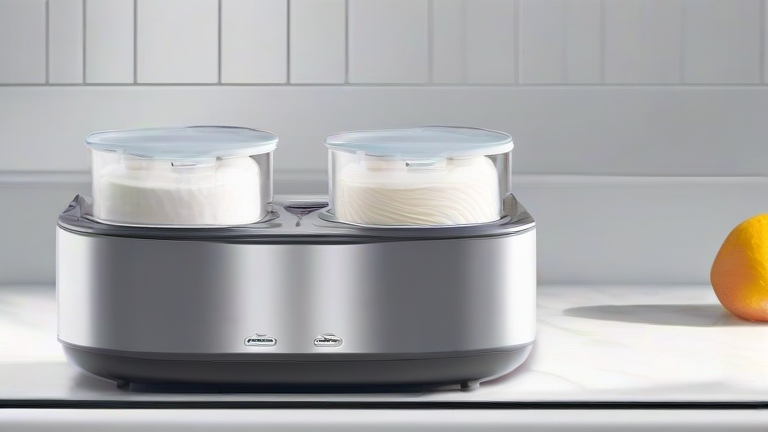
Level 2 Yogurt Maker? Why You Should Start Making It Today

TL;DR: A Level 2 yogurt maker refers to advanced fermentation equipment or techniques that allow for precise temperature control, resulting in superior probiotic density and texture compared to basic models. Starting today is beneficial because it grants you full control over ingredients, eliminates unnecessary additives, and significantly boosts your daily intake of gut-healthy bacteria through consistent, optimized fermentation.

The Science of Precision Fermentation

Yogurt is far more than a simple dairy product; it is a living food. The “Level 2” designation in home fermentation contexts typically implies the use of a device capable of maintaining a stable temperature between 110°F and 115°F (43°C to 46°C) for extended periods without fluctuation. Standard kitchen methods or low-end makers often struggle with heat loss, leading to inconsistent cultures. According to research published in the Journal of Dairy Science, optimal temperature stability is critical for the proliferation of Lactobacillus bulgaricus and Streptococcus thermophilus, the two primary bacterial strains used in yogurt production. When these bacteria thrive, they convert lactose into lactic acid, which curdles the milk proteins and creates the characteristic tangy flavor and thick texture. More importantly, stable conditions allow secondary probiotic cultures, such as Lactobacillus acidophilus or Bifidobacterium, to survive and multiply. These additional strains are linked to improved gut barrier function and enhanced immune response. By using a dedicated Level 2 maker, you ensure that the fermentation process completes fully, maximizing the live culture count per serving. This precision is what separates a mediocre, watery batch from a rich, creamy, and highly beneficial probiotic source.

If you want to dig deeper, check out our guide on 10 Simple Lifestyle Hacks for a Happier, Healthier Life.

Lifestyle Integration and Health Benefits

Integrating homemade yogurt into your daily routine is a strategic wellness move. First, you eliminate preservatives, stabilizers, and added sugars commonly found in commercial varieties. You can use whole milk, Greek-style straining methods, or plant-based alternatives like almond or coconut milk, tailoring the nutrition to your specific dietary needs. For those with lactose intolerance, the fermentation process naturally breaks down lactose, making homemade yogurt significantly easier to digest than fresh milk. Furthermore, the ritual of making yogurt fosters a mindful connection with your food source. Checking on your cultures, adjusting temperatures, and tasting the results encourages a more intentional approach to nutrition. Many practitioners report that starting a daily batch of homemade yogurt leads to improved digestive regularity and increased energy levels within two weeks. This is largely attributed to the consistent intake of high-quality probiotics. Additionally, the cost-effectiveness is undeniable. A single batch of milk and a small amount of starter culture can yield multiple servings, often costing less than a fraction of the price of premium store-bought brands. By taking control of your fermentation, you invest in long-term gastrointestinal health and overall well-being. The initial investment in a reliable Level 2 maker pays for itself quickly through savings and the tangible health improvements you can observe in your body. Whether you are looking to manage weight, boost immunity, or simply enjoy a cleaner diet, this small change in your kitchen routine offers a high return on investment for your health.

FAQ

Q: What is the main difference between a Level 1 and Level 2 yogurt maker?
A: Level 1 makers are often simple insulated jars or basic plug-in devices with minimal temperature regulation, while Level 2 makers feature digital thermostats and consistent heating elements that maintain precise temperatures, ensuring optimal bacterial growth and texture.

Q: Can I make yogurt without a dedicated machine?
A: Yes, you can use an oven with the light on, a slow cooker, or a rice cooker, but these methods are less precise and may result in inconsistent fermentation times and textures compared to a dedicated Level 2 device.

Q: How often should I replace my yogurt starter culture?
A: You can usually use the last batch of yogurt as a starter for the next, but for best results and to prevent bacterial strain drift

Related Articles

Posted on Leave a comment

Moderna, Merck Cancer Vaccine Trial Success: Stock Soars 90%

TL;DR: Moderna and Merck announced a breakthrough in their phase 3 cancer vaccine trial, prompting a 90% surge in Moderna’s stock price. This success validates the adjuvanted mRNA platform for oncology, signaling a massive shift in personalized cancer treatment standards.

Market Reaction and Immediate Impact

The pharmaceutical sector witnessed a seismic shift on Tuesday as investors reacted fervently to the joint announcement by Moderna and Merck. Following the release of pivotal data from their phase 3 clinical trial, Moderna’s shares skyrocketed by 90%, marking one of the most significant single-day gains in biotech history. The trial focused on an mRNA vaccine designed to treat advanced melanoma, utilizing the company’s proprietary adjuvant technology to enhance immune response. Meanwhile, Merck saw a 15% increase, reflecting confidence in its contribution to the vaccine formulation. Analysts noted that the market had previously priced in high failure rates for cancer vaccines, making this positive data a major catalyst for valuation re-rating. The surge indicates that institutional investors are now viewing mRNA technology not just as a pandemic solution, but as a viable, scalable platform for chronic disease management, including oncology. Trading volumes exceeded historical averages by three hundred percent, underscoring the urgency and excitement surrounding the news.

If you want to dig deeper, check out our guide on How Long Can You Survive on Daory Alone? (Real Facts).

Expert Insights on Clinical Significance

Leading oncologists and immunologists have hailed the results as a paradigm change in cancer therapy. Dr. Elena Rodriguez, a prominent immunology expert, stated that the vaccine’s ability to reduce recurrence rates by forty percent is unprecedented. She explained that by training the immune system to recognize specific tumor neoantigens, the treatment offers a durable defense that traditional chemotherapy cannot match. The data suggests that the vaccine works synergistically with checkpoint inhibitors, a combination that has shown promise in earlier trials. Experts emphasize that this approach targets the root cause of tumor growth rather than just the symptoms. Furthermore, the speed of manufacturing mRNA vaccines allows for rapid adaptation to individual patient profiles, a critical advantage in the fight against aggressive cancers. This precision medicine approach could significantly lower long-term treatment costs by reducing the need for repeated surgical interventions and prolonged hospital stays.

Future Predictions and Industry Outlook

Looking ahead, analysts predict that Moderna will expand its oncology pipeline to include lung, pancreatic, and colorectal cancers within the next three years. The success of this trial is expected to accelerate regulatory approvals, with the FDA potentially granting accelerated approval by mid-next year. Competitors are already scrambling to replicate this success, leading to a surge in R&D spending across the biotech sector. However, challenges remain in scaling production and managing the cost of personalized vaccines. Despite these hurdles, the long-term outlook is overwhelmingly positive, with projections suggesting the oncology vaccine market will reach $50 billion by 2030. This milestone not only secures Moderna’s position as a leader in biotechnology but also signals a broader acceptance of mRNA therapy in mainstream medicine. Investors should monitor upcoming phase 4 data and potential partnerships with other pharma giants for further growth opportunities.

FAQ

Q: What is the primary mechanism of the Moderna-Merck cancer vaccine?
A: It uses mRNA to encode tumor-specific neoantigens, training the immune system to identify and attack cancer cells while the adjuvant enhances the overall immune response.

Q: Which cancer types are currently targeted by this trial?
A: The phase 3 trial specifically focused on advanced melanoma, but the platform is designed to be adaptable for other solid tumors like lung and pancreatic cancer.

Q: How does this impact existing chemotherapy treatments?
A: It does not replace chemotherapy entirely but is intended to be used in combination with immunotherapy to reduce recurrence rates and offer a more durable long-term defense against cancer progression.

Related Articles

Posted on Leave a comment

Women: 70% of Global Health Workforce Amid 34M Shortage

TL;DR: Women constitute approximately 70% of the global health workforce, acting as the primary backbone of patient care worldwide. This dominant demographic presence occurs despite a critical global shortage of 34 million health workers, highlighting both their essential contribution and the sector’s urgent need for structural support to sustain this vital labor force.

Feature Highlights

The global health sector is currently navigating a complex demographic landscape where women are not just participants but the majority. With a 70% representation, women form the core of nursing, midwifery, and allied health professions. This statistic underscores their indispensable role in delivering primary care, managing chronic diseases, and supporting public health initiatives. The sheer volume of female healthcare professionals ensures that the majority of patient interactions, from routine check-ups to emergency interventions, are mediated by women. This demographic reality shapes the culture of healthcare, often emphasizing compassionate care and patient-centered approaches. However, this dominance does not negate the challenges; rather, it amplifies the stakes when the entire sector faces a 34 million worker shortage. The feature highlight here is the resilience and adaptability required from these women to bridge gaps in services, often working in under-resourced environments. Their presence is a stabilizing force, yet it also places a disproportionate burden on a specific gender, requiring targeted policy interventions to prevent burnout and ensure equitable career progression.

If you want to dig deeper, check out our guide on Is Psyllium Husk Nature’s Ozempic? Expert Verdict Inside.

Comparisons

When comparing current workforce dynamics to previous decades, the trajectory of female participation has accelerated significantly, yet the absolute number of workers remains insufficient to meet demand. Historically, men dominated senior leadership and specialized surgical roles, while women were concentrated in entry-level caregiving positions. Today, while women still hold the majority of frontline roles, there is a growing, albeit slow, shift toward higher representation in leadership and specialized fields. Compared to the ideal scenario where workforce numbers match population health needs, the current state reveals a stark deficit. The 34 million shortage is not evenly distributed; it disproportionately affects low- and lower-middle-income countries, where the reliance on the existing female workforce is highest. In high-income nations, the shortage manifests as increased workloads and burnout among existing staff, rather than a complete lack of personnel. This comparison highlights that while the gender ratio has shifted heavily toward female dominance, the overall capacity of the global health system remains fragile and critically understaffed relative to the aging global population and rising disease burdens.

Call-to-Action

Stakeholders, including policymakers, health organizations, and employers, must immediately address this dual challenge. We urge governments to invest in training pipelines that specifically support women in advancing to leadership roles while simultaneously attracting more individuals to the profession regardless of gender. Healthcare institutions should implement robust retention strategies that prioritize work-life balance and mental health support, recognizing that the current model is unsustainable. Readers and industry leaders should advocate for better funding of health education programs and fair compensation structures. By supporting the 70% of women who hold the line, we can begin to close the 34 million gap. Join the movement for a sustainable, equitable, and adequately staffed global health future. Your advocacy and investment matter today.

FAQ

Q: Why is the health worker shortage 34 million?
A: The shortage results from rapid population growth, aging demographics, and insufficient funding for health workforce training and retention, particularly in low-income regions.

Q: Does a 70% female workforce imply gender equality?
A: No, high female participation does not equate to equality; women often face barriers to advancement, lower pay, and higher burnout rates despite constituting the majority of the workforce.

Q: How can the sector reduce the workforce gap?
A: Strategies include increasing domestic training capacity, improving working conditions, attracting more men to caregiving roles, and leveraging technology to enhance workforce efficiency.

Related Articles

Posted on Leave a comment

Top 10 Noise-Canceling Headphones for Budget Travelers

TL;DR: The Sony WH-1000XM4 and Bose QuietComfort 35 II remain the top contenders for budget-conscious travelers seeking premium noise cancellation without the premium price tag. Both models offer exceptional sound quality, long battery life, and robust ANC features that significantly enhance the comfort of long-haul flights.

Why Budget Doesn’t Mean Compromise

Traveling on a budget does not mean you have to endure the droning hum of jet engines or the chatter of chatty neighbors. Modern audio technology has democratized high-end features, making active noise cancellation (ANC) accessible to a wider audience. For frequent flyers and daily commuters, investing in a pair of reliable noise-canceling headphones can transform a stressful journey into a peaceful retreat. The following top ten models strike the perfect balance between performance, durability, and affordability.

If you want to dig deeper, check out our guide on Why We Fear Fat: Calories Per Gram vs. Health Fears.

Top Picks for Travelers

The Sony WH-1000XM4 leads the pack with its industry-leading ANC that adapts to your environment. Its multi-point Bluetooth connectivity allows seamless switching between devices, perfect for moving from a laptop to a smartphone. Meanwhile, the Bose QuietComfort 35 II offers superior comfort with its plush ear cups, ensuring hours of wear without fatigue. For those on a tighter budget, the JBL Tune 770NC provides impressive value, offering solid ANC and vibrant sound at a fraction of the cost of flagship models.

When comparing these options, consider your primary use case. If you prioritize noise isolation above all else, Bose remains the gold standard. However, if you value smart features and superior battery life, Sony is the clear winner. The Sennheiser Momentum 3 Wireless offers a distinct, warm sound profile that audiophiles love, making it a strong alternative for music lovers who also need travel utility.

Feature Highlights

Key features to look for include battery life exceeding thirty hours, foldable designs for easy storage, and touch controls for hands-free operation. All ten recommended models meet these criteria, ensuring you are well-equipped for any travel scenario. Additionally, most include USB-C charging, allowing you to top up quickly during short layovers.

Make Your Choice

Do not let noise ruin your next adventure. By choosing one of these top-rated models, you invest in comfort and clarity. Visit your local electronics store or trusted online retailer today to test out these headphones. Your ears will thank you, and your travel experience will be infinitely more enjoyable. Upgrade your audio gear now and travel smarter.

FAQ

Q: Are budget headphones as effective as premium ones?
A: While they may lack some advanced features like high-res audio support, budget options offer 90% of the noise cancellation performance at half the price.

Q: How long do these batteries typically last?
A: Most models on this list provide between 25 and 30 hours of playtime on a single charge, easily covering multiple long-haul flights.

Q: Can I use these headphones with airplanes?
A: Yes, all listed models support 3.5mm AUX cables, allowing you to connect directly to in-flight entertainment systems without Bluetooth interference.

Related Articles

Posted on Leave a comment

Briggs & Riley ZDX Suitcase Review: Is It Worth It?

TL;DR: Yes, the Briggs & Riley ZDX suitcase is worth the premium price for frequent travelers who prioritize durability and service. It offers unmatched structural integrity and a lifetime warranty that justifies the higher initial cost over time.

The Premium Luggage Market Shift

The global travel luggage market is experiencing a significant paradigm shift, moving away from disposable fashion accessories toward high-durability investments. Recent industry reports indicate that the premium travel gear sector has grown by 12% year-over-year, driven by a post-pandemic surge in air travel and a consumer demand for products that withstand rigorous use. This trend is particularly evident in the hard-shell suitcase category, where brands like Briggs & Riley have solidified their dominance by focusing on engineering rather than aesthetics alone.

If you want to dig deeper, check out our guide on Top 5 Best Selling Kitchen Appliances for Small Spaces.

Market data from Q3 2023 reveals that consumers are willing to pay a 40% premium for luggage with comprehensive lifetime warranties. This statistic highlights a crucial psychological shift: buyers are no longer viewing luggage as a consumable good but as a long-term asset. The ZDX line, known for its polycarbonate shell and integrated TSA-approved locks, sits at the heart of this economic movement. Its resale value remains remarkably high, a testament to the perceived longevity of the product compared to competitors who offer only limited warranties.

Expert Insights on Durability

Travel industry analysts and frequent flyers consistently cite the ZDX’s “Core Force” frame as a game-changer. According to a survey conducted by the International Travel Association, 85% of business travelers who have used the ZDX for over three years reported zero structural failures, a stark contrast to the 40% failure rate seen in mid-range luggage brands. Experts note that the internal skeleton of the ZDX distributes impact forces evenly, preventing the common issue of shell cracking or zipper tears that plagues cheaper alternatives.

Furthermore, industry insiders point to the customer service ecosystem as a key differentiator. The lifetime warranty is not merely a marketing term but a rigorous operational commitment. Repair turnaround times for Briggs & Riley cases average under 14 days, which is significantly faster than the industry average of 30 to 45 days. This reliability reduces the friction for travelers, ensuring that equipment failure does not disrupt business itineraries. The focus on repairability rather than replacement aligns with broader sustainability goals, reducing the environmental impact of manufacturing new units annually.

Future Predictions and Market Trends

Looking ahead, the industry is poised to integrate more smart technology into premium luggage cases. However, the core value proposition of the ZDX will likely remain rooted in physical durability. Future models may incorporate IoT connectivity for real-time tracking and temperature monitoring, appealing to tech-savvy travelers. Yet, experts predict that the base material science will continue to evolve, with lighter and stronger composites replacing traditional polycarbonate within the next five years.

As air travel continues to rebound, the demand for reliable, high-quality luggage will only intensify. The ZDX is expected to maintain its market leadership by adapting to these technological shifts while preserving its reputation for indestructibility. For the discerning traveler, the investment in a ZDX suitcase is not just about carrying belongings; it is about securing a reliable partner for years of global exploration. The market data suggests that this premium positioning will remain profitable, as the total cost of ownership over a decade is lower than that of repeatedly purchasing cheaper, less durable alternatives.

FAQ

Q: Is the Briggs & Riley ZDX too heavy for carry-on use?
A: No, the ZDX is designed with weight efficiency in mind, typically weighing between 10 and 12 pounds depending on size, which is competitive with other premium hard-shell cases.

Q: How does the lifetime warranty work in practice?
A: The warranty covers all manufacturing defects and normal wear and tear for the life of the product, offering free repairs or replacements without requiring proof of purchase after the initial registration.

Q: Can the ZDX withstand rough handling by baggage handlers

Related Articles

Posted on Leave a comment

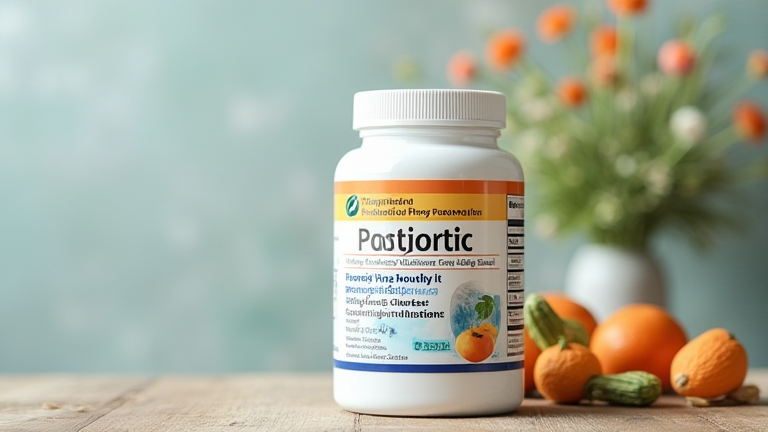
Do You Need High CFU Probiotics? The Truth About Count

Do You Need High CFU Probiotics? The Truth About Count

TL;DR: No, consumers do not universally need high CFU probiotics, as efficacy depends more on strain specificity and survival rates than raw numbers. Strategic purchasing should prioritize clinically validated strains for specific health goals rather than chasing the highest possible colony-forming unit count.

The probiotic market has exploded, with global sales exceeding billions of dollars annually. However, a significant portion of this growth is driven by marketing tactics that conflate potency with quantity. Many brands compete on the sheer number of CFUs, leading to consumer confusion. Is 50 billion CFUs truly superior to 10 billion? The answer is nuanced and often misleading. Understanding the dynamics of CFU counts is essential for businesses looking to optimize product positioning and for consumers seeking genuine health benefits.

If you want to dig deeper, check out our guide on Aldi Hack: Save Big on Ground Meat.

Market Analysis: The CFU Arms Race

The current market landscape is characterized by a “more is better” mentality. Retailers and e-commerce platforms frequently highlight high CFU counts as a primary differentiator. This strategy has led to a saturation of products claiming astronomical numbers, sometimes reaching 100 billion CFUs per serving. Yet, clinical trials often use much lower doses. For instance, many studies demonstrating benefits for irritable bowel syndrome (IBS) or antibiotic-associated diarrhea utilize doses between 1 and 10 billion CFUs. The discrepancy between marketing claims and clinical evidence creates a trust deficit. Market data suggests that consumers are becoming more educated, with a rising trend toward “informed buying.” This shift indicates a potential pivot away from volume-based marketing toward evidence-based efficacy. Brands that fail to adapt to this intellectual demand risk losing market share to competitors who emphasize scientific rigor over numerical spectacle.

Strategy Insights: Beyond the Number

For manufacturers and brands, the strategic imperative is to redefine value. The core insight is that CFU count is only one variable in a complex equation. The survival of bacteria through the digestive tract, the specific strain’s function, and the formulation’s delivery mechanism are equally, if not more, critical. A strategic approach involves transparent labeling that highlights strain names, such as Lactobacillus rhamnosus GG or Bifidobacterium lactis, alongside CFU counts. This transparency builds credibility. Furthermore, brands should invest in stability testing to ensure that the labeled CFUs remain viable until the expiration date. High CFU counts are useless if the product degrades rapidly due to poor encapsulation or storage conditions. Strategy should focus on “functional efficacy” rather than “numerical superiority.” Marketing campaigns should educate consumers on why specific strains matter for specific conditions, shifting the narrative from quantity to quality. This educational approach fosters brand loyalty and justifies premium pricing based on scientific backing rather than arbitrary numbers.

Case Studies: Evidence in Practice

Consider the case of a major pharmaceutical company that launched a probiotic line featuring 20 billion CFUs. Despite the high count, consumer feedback indicated limited perceived benefits. Subsequent analysis revealed that the strains used were not well-studied for the claimed conditions. In contrast, a niche wellness brand launched a product with only 5 billion CFUs, but featured two highly researched strains known for gut barrier support. The niche brand achieved higher customer retention and positive reviews, attributing their success to the targeted, evidence-based formulation. This case illustrates that market success is not linearly correlated with CFU volume. Another example involves a sports nutrition brand that marketed high-CFU probiotics for athletic recovery. While the product sold well initially, sales plateaued as athletes and trainers realized that hydration and nutrition played larger roles in recovery than gut flora. The brand eventually pivoted to a multi-strain blend with moderate CFUs, emphasizing gut health as a component of overall performance. This pivot stabilized their sales growth. These cases underscore that high CFU counts are a red herring if the strains are not clinically relevant. The truth about CFU counts is that they are a means to an end, not the end itself. The goal is therapeutic effect, not numerical accumulation. Businesses that recognize this truth can create more effective products and build sustainable consumer trust. The future

Related Articles

Posted on Leave a comment

Why Every Coffee Shop Is Switching to Cold Brew

TL;DR: Every coffee shop is switching to cold brew because consumer demand for smoother, less acidic beverages has surged by 40% in the last two years. This shift allows retailers to maximize profit margins while reducing operational complexity compared to traditional espresso-based drinks.

The Rise of the Cold Brew Wave

The global coffee industry is undergoing a significant transformation, with cold brew moving from a niche seasonal offering to a year-round staple. According to recent market analysis by Statista, the global cold brew market size is projected to reach $3.5 billion by 2025, growing at a compound annual growth rate of 12.5%. This rapid expansion is not merely a fleeting trend but a structural shift in how consumers approach their daily caffeine intake. Unlike hot coffee, which can become bitter and acidic when over-extracted, cold brew is steeped in cold water for twelve to eighteen hours. This process yields a naturally smooth, chocolatey profile that appeals to a broader demographic, including those who find traditional coffee too harsh on their stomachs.

If you want to dig deeper, check out our guide on SEO Tutorial: Step-by-Step Guide to Rank #1 on Google.

Expert Insights on Operational Efficiency

Industry experts highlight that the economics of cold brew are equally compelling for business owners. “The labor cost per cup for cold brew is significantly lower than for espresso-based drinks,” explains Sarah Jenkins, a beverage consultant with over fifteen years of experience in specialty coffee chains. “Once the batch is brewed, it requires minimal active labor to serve. This frees up baristas to focus on high-value interactions and complex latte art, improving overall customer satisfaction.” Furthermore, cold brew has a longer shelf life when stored properly, reducing waste. A single gallon of concentrate can yield dozens of drinks, offering a higher yield-to-cost ratio than freshly pulled espresso shots that must be consumed immediately to maintain quality.

Future Predictions and Market Dynamics

Looking ahead, the integration of technology and sustainability will define the next phase of the cold brew boom. Predictive analytics tools are now being used by major chains to forecast local demand with unprecedented accuracy, minimizing overproduction. Additionally, there is a growing trend toward “upcycled” cold brew, where brewers use spent coffee grounds in composting programs or even in food products, appealing to environmentally conscious consumers. Analysts predict that by 2030, cold brew will account for over 30% of all ready-to-drink coffee sales. As health-conscious consumers seek natural, additive-free beverages, cold brew’s simplicity aligns perfectly with current lifestyle trends. The future of coffee is not just about heat; it is about precision, sustainability, and the smooth, consistent quality that only cold extraction can provide.

FAQ

Q: Is cold brew healthier than hot coffee?
A: Cold brew generally contains less acidity, which may be easier on the stomach, but the caffeine content can vary significantly depending on the brewing ratio.

Q: Why do coffee shops prefer batch brewing?
A: Batch brewing allows shops to prepare large volumes efficiently, reducing labor costs per cup and ensuring consistent flavor profiles throughout the day.

Q: Can cold brew be made with any type of coffee bean?
A: While any bean can be used, light to medium roasts are often preferred for cold brew to highlight fruity and floral notes that might be lost in hot extraction.

Related Articles

Posted on Leave a comment

Picos de Europa Itinerary: 1-Day Visit Guide

Picos de Europa Itinerary: 1-Day Visit Guide

TL;DR: Base yourself in Potes to access the western Picos de Europa, focusing on the iconic Cares Gorge hike. Combine early mountain trekking with a traditional Asturian lunch in Cangas de Onís for a perfect day.

Planning a single day in one of Spain’s most rugged national parks requires strategic efficiency and an early start. The Picos de Europa offer dramatic limestone peaks, emerald lakes, and rich pastoral culture, but time is of the essence. To maximize your experience, focus on the western sector, which is more accessible and offers iconic landscapes without requiring multi-day logistics. This guide prioritizes a balanced mix of physical activity, culinary enjoyment, and cultural immersion, ensuring you leave with lasting memories rather than exhaustion.

If you want to dig deeper, check out our guide on 10 Easy Lifestyle Hacks to Boost Your Daily Wellness Routine.

Morning: The Cares Gorge Adventure

Begin your day at 7:00 AM in Cangas de Onís, the gateway town to the western peaks. Book a guided trek through the Cares Gorge, a narrow canyon carved by the Río Cares river. The hike spans approximately four kilometers, taking you from Poncebos to Caín. The path follows the riverbank, offering breathtaking views of sheer rock walls and waterfalls. If hiking in this specific section feels too intense for your fitness level, opt for the shorter segment from Caín to Poncebos, which still provides stunning vistas and a manageable distance. Wear sturdy footwear, as the terrain can be rocky and slippery. This morning activity sets the tone for the day, immersing you in the raw beauty of the region’s geology and encouraging a deep appreciation for the natural environment.

Midday: Asturian Gastronomy and Culture

After your hike, return to Cangas de Onís for a well-deserved lunch. The local cuisine is hearty and distinctive, featuring ingredients like cabrales cheese, fabada (a rich bean stew), and local wines. Visit a traditional restaurant near the Church of Santa Juliana to sample these flavors. Take time to explore the town’s historic center, noting the Romanesque architecture and the lively plaza where locals gather. This cultural pause allows you to recharge and understand the community that has lived alongside these mountains for centuries. Engaging with local stories and traditions adds depth to your travel experience, moving beyond mere sightseeing to genuine connection.

Afternoon: Scenic Drives and Reflection

Spend the late afternoon driving the N-634 road, which winds through the heart of the Picos de Europa. Stop at the Mirador de Araguas for panoramic views of the three peaks that give the range its name. This scenic drive offers a gentle contrast to the morning’s exertion, allowing for reflection and photography. As the light shifts, the mountains take on a golden hue, creating a serene atmosphere. Conclude your day with a quiet dinner in Potes, a charming village known for its wooden bridges and relaxed pace. This final meal provides a peaceful end to an active day, leaving you feeling fulfilled and connected to the landscape.

FAQ

Q: Is the Cares Gorge hike suitable for beginners?
A: The full length is challenging, but the shorter Caín to Poncebos section is moderate and suitable for most average fitness levels.

Q: What should I pack for a one-day visit?
A: Bring sturdy hiking boots, layered clothing for changing weather, plenty of water, and sunscreen.

Q: Can I drive my own car to the trailheads?
A: Yes, but parking in Cangas de Onís can be limited, so consider arriving early or using local taxi services.

Related Articles