Integrate Mental Health Apps with Wearables: Benefits & Guide
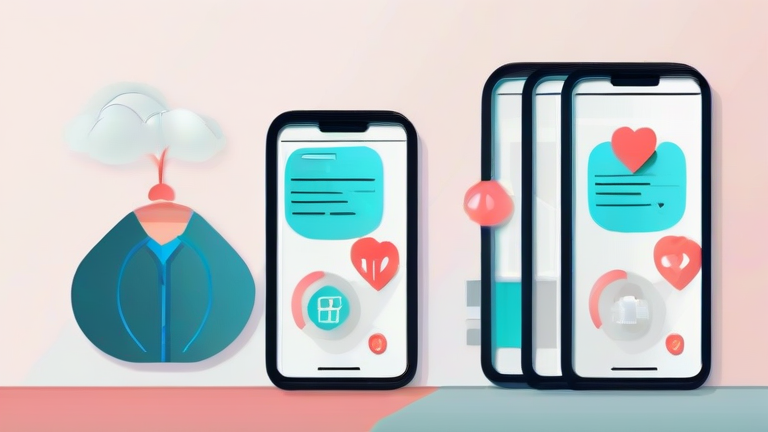
In an era where digital wellness is paramount, combining mental health applications with wearable technology offers a revolutionary approach to self-care. This integration provides real-time biofeedback, allowing users to track physiological markers like heart rate variability and sleep patterns. By correlating these metrics with mood data, individuals gain profound insights into their emotional triggers and overall mental resilience. This holistic view transforms abstract feelings into tangible data, empowering users to make informed decisions about their daily routines and stress management strategies.
To begin this journey, ensure your wearable device is fully charged and synced with its companion app. First, download a reputable mental health application that supports wearable integration, such as Calm, Headspace, or a specialized biofeedback tool. Open the settings menu within the mental health app and locate the “Connected Devices” or “Integrations” section. Select your wearable brand from the list. You will be redirected to your wearable’s app to authorize the data share. Grant permission for heart rate, sleep, and activity data to be transmitted securely. This step is crucial for accurate analysis and personalized insights.
If you want to dig deeper, check out our guide on How to Create an SEO-Friendly Blog Post: Step-by-Step Tutori.
Once connected, configure your notification preferences. Decide whether you want gentle reminders to breathe during high-stress periods detected by your wearable or weekly summaries of your mental well-being trends. Regular calibration is essential; spend time resting or meditating while wearing the device to establish a baseline for your unique physiological responses. This baseline helps the app distinguish between normal fluctuations and significant stress events.
Pro Tip: Consistency is key. Wear your device during sleep and daily activities to capture comprehensive data. Avoid relying solely on manual mood entries; let the wearable’s objective data fill in the gaps. Privacy Note: Always review the privacy policies of both apps. Ensure they use end-to-end encryption for health data. If you feel overwhelmed by the data, take a break and adjust the notification frequency. Remember, technology is a tool to support your mental health, not a replacement for professional care. If you experience persistent distress, consult a healthcare provider immediately. Start small, stay