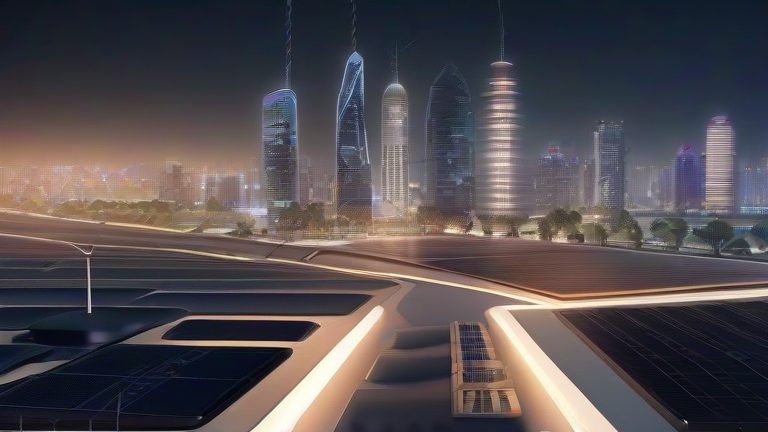
TL;DR: Digital twins optimize smart city energy use by creating real-time virtual replicas of physical infrastructure, enabling predictive analytics and dynamic load balancing. This technology significantly reduces consumption, lowers operational costs, and enhances grid stability through data-driven decision-making.
Revolutionizing Urban Energy Management
As urban populations swell, the pressure on municipal energy grids becomes unsustainable. Traditional static models fail to account for the dynamic nature of modern city life, leading to inefficiencies and wasted resources. Enter digital twins: high-fidelity virtual models that mirror physical assets, processes, and systems. These twins integrate Internet of Things (IoT) sensors, historical data, and artificial intelligence to simulate energy flows in real-time. By predicting demand spikes and identifying leaks before they occur, cities can shift from reactive maintenance to proactive optimization.
If you want to dig deeper, check out our guide on Personalized Nutrition: Using Continuous Biosensors for Heal.
Recent developments have pushed the boundaries of what is possible. The integration of 5G connectivity allows for ultra-low latency data transmission, ensuring that digital twins reflect reality with millisecond precision. Furthermore, advancements in machine learning algorithms enable these models to self-correct and adapt to changing environmental conditions. For instance, a digital twin of a municipal building can adjust HVAC systems based on real-time occupancy and weather forecasts, reducing energy waste by up to 30%. This level of granularity was previously unattainable, marking a significant leap forward in smart city infrastructure.
The industry impact is profound. Energy providers are leveraging these technologies to balance loads more effectively, integrating renewable sources like solar and wind with greater efficiency. Utilities can now simulate the impact of extreme weather events on their grids, allowing for better preparedness and resilience. Moreover, the financial benefits are clear. Cities report substantial reductions in operational costs, freeing up budgets for other critical infrastructure projects. The scalability of digital twins means that even smaller municipalities can adopt these solutions, democratizing access to advanced energy management tools.
Looking ahead, the convergence of digital twins with blockchain technology promises to enhance transparency and security in energy trading. Peer-to-peer energy markets could emerge, where neighborhoods trade excess renewable energy directly, facilitated by secure, immutable records. As these technologies mature, we can expect a more sustainable, efficient, and resilient urban energy landscape. The transition is not just technical but cultural, requiring collaboration between engineers, policymakers, and citizens to fully realize the potential of smart cities.
FAQ
Q: What is a digital twin in the context of smart cities?
A: It is a virtual replica of physical city infrastructure that uses real-time data to simulate and optimize energy usage.
Q: How do digital twins reduce energy consumption?
A: They enable predictive maintenance and dynamic load balancing, allowing systems to adjust automatically to changing conditions.
Q: What is the primary benefit for utility companies?
A: Improved grid stability and reduced operational costs through data-driven insights and efficient resource allocation.