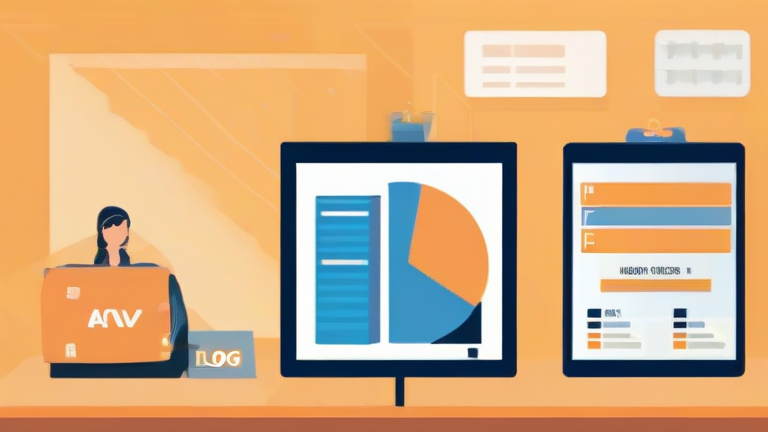
TL;DR: Your average customer acquisition cost should ideally remain below one-third of your customer’s lifetime value to ensure sustainable profitability. While benchmarks vary by industry, spending between $50 and $150 per acquired customer is generally considered healthy for most digital product sectors.
Understanding the Core Metrics
Launching a new product without a clear grasp of customer acquisition costs is a recipe for financial disaster. Many entrepreneurs mistakenly focus solely on revenue generation, ignoring the steep price of acquiring each new user. To build a scalable business, you must understand that every dollar spent on marketing must yield a return that exceeds the initial investment. This balance is not just about spending less; it is about spending smarter. By analyzing your data meticulously, you can identify which channels bring in the highest quality users at the lowest cost. This strategic approach transforms marketing from a expense center into a profit-driving engine. You need to track metrics like click-through rates, conversion rates, and average order value to get a complete picture. Ignoring these details leads to wasted budgets and stagnating growth. Therefore, establishing a baseline for your acquisition cost is the first critical step toward long-term success.
If you want to dig deeper, check out our guide on Idée Système Embarqué : Valider son Potentiel pour une Réell.
Feature Highlights and Strategic Comparisons
Modern marketing platforms offer sophisticated features that help optimize these costs significantly. Automated bidding tools, for instance, allow you to adjust spend in real-time based on performance data. These features ensure that you are not overpaying for clicks that do not convert. When comparing different advertising channels, you will notice stark differences in efficiency. Social media platforms often provide lower initial costs but may require higher engagement efforts. Conversely, search engine marketing typically yields higher intent users but at a premium price. Evaluating these options requires a deep dive into your specific target audience. Small businesses might find success with organic social growth, while larger enterprises may need the scale of paid search. The key is to run controlled tests to compare these channels directly. By doing so, you can allocate your budget to the most effective sources. This comparative analysis prevents you from spreading your resources too thin across underperforming channels.
Take Action Today
Do not let guesswork dictate your financial future. Start auditing your current marketing spend immediately to identify inefficiencies. Use the insights gained from this review to refine your strategy and boost your bottom line. Invest in data analytics tools that provide clear visibility into your customer journey. Remember, knowledge is power, and understanding your acquisition costs is your most valuable asset. Implement these changes now to secure a competitive advantage in your market.
FAQ
Q: What is the ideal ratio between customer acquisition cost and customer lifetime value?
A: A healthy ratio is typically 1:3, meaning your acquisition cost should be no more than one-third of the lifetime value you generate from that customer.
Q: How can I lower my customer acquisition cost effectively?
A: You can lower costs by optimizing your targeting, improving your conversion rates through better landing pages, and focusing on organic marketing channels like content and SEO.
Q: Is there a standard customer acquisition cost for all industries?
A: No, costs vary wildly by industry. E-commerce typically ranges from $50 to $100, while B2B software can exceed $200 per customer due to longer sales cycles.