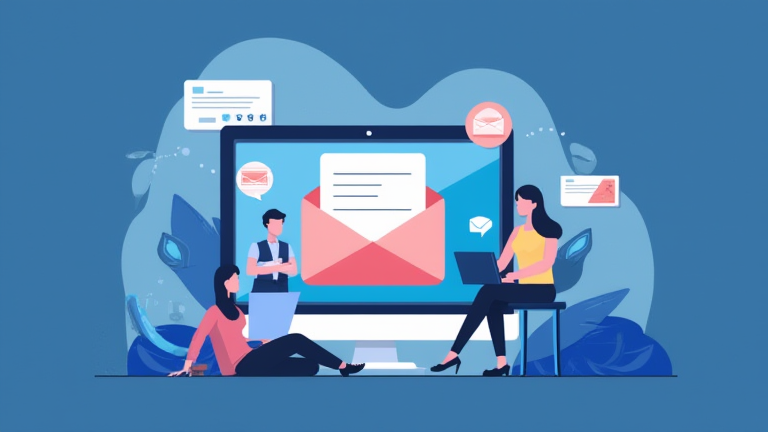
Do Post-Purchase Emails Boost Conversions or Just Annoy Users?
TL;DR: Well-timed, value-driven post-purchase emails significantly boost customer retention and repeat purchases. However, excessive or irrelevant messaging quickly leads to subscriber fatigue and higher unsubscribe rates.
The balance between nurturing a customer and overwhelming them is delicate. Recent studies in behavioral economics suggest that the “peak-end rule” applies to post-purchase interactions. Customers judge their overall experience largely based on how they felt at the peak of the transaction and at the very end. A well-crafted post-purchase email serves as a positive endpoint, reinforcing satisfaction and building trust. It transforms a single transaction into the beginning of a relationship. According to data from major e-commerce platforms, customers who receive personalized follow-up emails are up to 30% more likely to make a second purchase within three months compared to those who do not.
If you want to dig deeper, check out our guide on Yoga Mat Trends: Best Non-Slip Options for Hot Pilates.
The Science of Engagement
Neuroscientific research indicates that dopamine is released not just during the purchase but during the anticipation of value. Post-purchase emails that provide educational content, such as “how to use your product” guides or care instructions, tap into this desire for mastery and utility. This approach reduces buyer’s remorse, a common psychological barrier. Instead of pushing hard sells immediately, which triggers defensive cognitive mechanisms, focus on adding value. For lifestyle brands, this might mean sharing complementary tips or introducing a small, high-margin add-on that solves a specific problem related to the initial purchase. This strategy respects the user’s intelligence and time, fostering goodwill rather than irritation.
Lifestyle Tips for Better Email Hygiene
To maintain a healthy inbox culture for your users, consider these lifestyle-friendly tips. First, segment your audience based on purchase history. A customer who bought running shoes needs different content than one who purchased office supplies. Second, limit frequency to one or two emails per week for general updates, reserving more frequent contact for immediate post-purchase support. Third, prioritize readability. Use short paragraphs and clear calls to action. Finally, always provide an easy opt-out mechanism. Respect for user autonomy is a key driver of long-term brand loyalty. By viewing email communication as a service rather than a sales channel, you align with modern consumer expectations for transparency and relevance. This mindset shift ensures that your brand remains a trusted advisor rather than a noisy interruption in the daily digital flow.
FAQ
Q: How soon should I send the first post-purchase email?
A: Send the confirmation email immediately, but wait 3-5 days before sending the first value-add or cross-sell email to allow the customer to settle into their new purchase.
Q: What is the ideal length for these emails?
A: Keep them concise, ideally under 150 words, focusing on one primary message or call to action to respect the reader’s limited attention span.
Q: How do I measure if my emails are annoying users?
A: Monitor your unsubscribe rate and spam complaint ratio. A sudden spike in these metrics after a campaign indicates that your content frequency or relevance may be off.