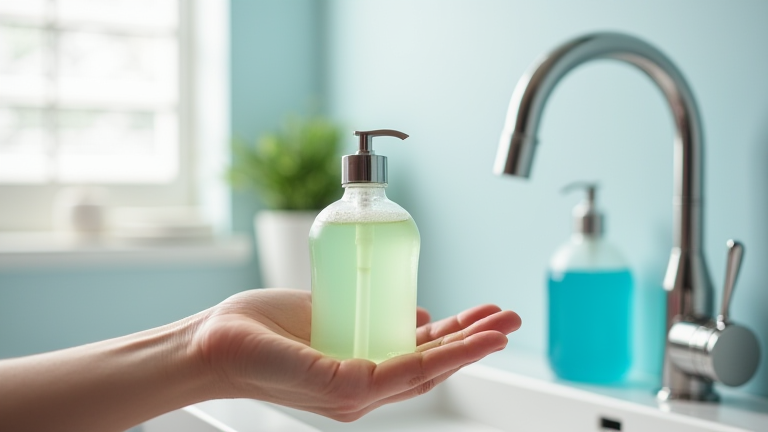
TL;DR: Purchasing hand soap refills allows consumers to reduce plastic waste by up to 90% while cutting household cleaning costs significantly. This sustainable practice is becoming a standard industry norm, driving manufacturers to innovate in packaging and formulation efficiency.
The Rise of Sustainable Refills
The personal care industry is undergoing a significant transformation, with a marked shift toward sustainable consumption models. Among the most accessible changes for everyday consumers is the adoption of hand soap refills. Historically, hand soap was sold exclusively in rigid plastic bottles, contributing to the growing global plastic crisis. However, recent developments in manufacturing and consumer behavior have made refills a viable and popular alternative. Major retailers and specialty brands are now prioritizing refill stations in physical stores and offering concentrated refill packs for online delivery. This move is not just a marketing trend; it is a response to stringent environmental regulations and a growing consumer demand for eco-friendly products.
Technical Specifications and Efficiency
From a technical standpoint, hand soap refills are engineered for maximum efficiency. Modern refill systems typically use high-density polyethylene (HDPE) or polypropylene (PP) containers that are lighter than their retail counterparts. The soap formulations themselves are often concentrated, meaning a single refill can last as long as two or three standard bottles. Industry specifications indicate that these concentrated formulas require less water and fewer preservatives, reducing the carbon footprint associated with transportation. Furthermore, the packaging for refills often utilizes post-consumer recycled (PCR) materials. The average refill package weighs approximately 40% less than a traditional retail bottle, which directly translates to lower shipping costs and reduced energy consumption during the logistics phase. This efficiency is critical for maintaining competitive pricing while adhering to environmental standards.
Industry Impact and Economic Benefits
The impact on the industry is profound. Manufacturers are investing heavily in infrastructure to support refill networks, including automated filling lines and durable, reusable containers. This shift is democratizing sustainability, making it accessible to the average household without requiring a premium price tag. By eliminating the need to produce new plastic bottles for every purchase, companies reduce their material costs and waste management fees. For consumers, the economic benefit is substantial. Buying a gallon-sized refill concentrate often costs less per ounce than purchasing individual retail bottles. Over the course of a year, a typical household can save between $50 and $100 on hand soap expenses. Additionally, this model encourages a circular economy, where containers are returned, cleaned, and reused, further minimizing waste.
FAQ
Q: Are hand soap refills as hygienic as retail bottles?
A: Yes, reputable manufacturers use sterile filling processes and high-quality preservatives to ensure that refill products meet the same safety and hygiene standards as their retail counterparts.
If you want to dig deeper, check out our guide on 10 Easy Daily Habits for Better Health.
Q: What is the best material for reusable refill containers?
A: Glass is the most durable and sustainable option for home storage, while HDPE plastic is preferred for transport due to its lightweight and shatter-resistant properties.
Q: How do I start using hand soap refills?
A: You can purchase a reusable container from a local store or online, then buy concentrate refills to mix with water according to the manufacturer’s instructions, creating a fresh supply of liquid soap.