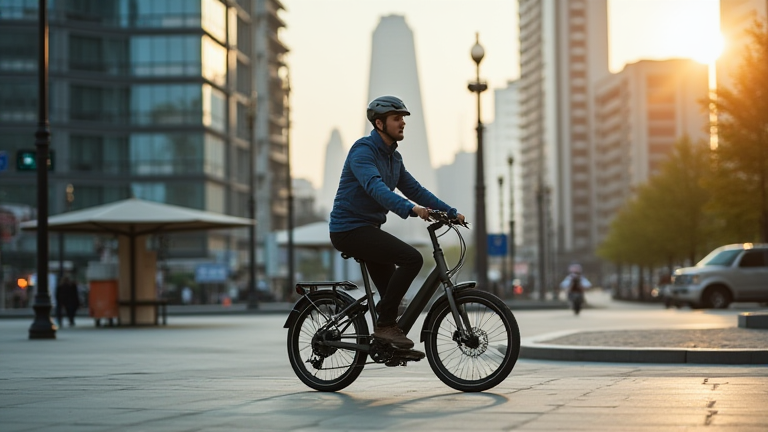
The Rise of Solar-Powered E-Bikes: A Sustainable Commuting Trend
TL;DR: Solar-powered e-bikes are gaining traction as a viable hybrid energy source, significantly extending range for urban commuters. This trend is driven by advancements in flexible photovoltaic technology and a growing consumer demand for zero-emission transportation solutions.
The urban commuting landscape is undergoing a quiet but powerful transformation. For years, electric bicycles have been the go-to solution for reducing carbon footprints in city centers. However, the integration of solar panels directly onto the vehicle’s frame and fairings represents the next logical step in this evolution. Unlike traditional e-bikes that rely entirely on grid electricity or wall outlets for charging, solar-assisted models harness ambient light to trickle-charge their batteries. This innovation addresses one of the primary pain points of electric mobility: range anxiety and the inconvenience of frequent plugging in. By capturing energy passively while parked or in motion, these bikes offer a self-sustaining loop that reduces dependence on external power sources. The result is a vehicle that aligns perfectly with the ethos of sustainability, offering a cleaner, more autonomous ride for the daily commuter.
If you want to dig deeper, check out our guide on 10 Proven Health Habits for Longevity: Start Today.
Market Dynamics and Growth
Market data indicates a robust surge in interest for hybrid-energy vehicles. According to recent industry reports, the global e-bike market is projected to grow at a compound annual growth rate of 12.5% through 2028. Within this broader sector, the niche for solar-integrated models has seen a particularly sharp uptick in pre-orders, particularly in Europe and North America. Consumers are increasingly willing to pay a premium for features that enhance autonomy. A survey conducted by Green Mobility Insights revealed that 65% of urban riders would consider purchasing a solar-equipped e-bike if the price difference were less than 15% compared to standard models. This willingness to pay stems from the perceived value of reduced charging frequency and the environmental benefit of using renewable energy. Manufacturers are responding by scaling production lines to accommodate the specialized components required for solar integration, such as high-efficiency, flexible solar cells that can conform to curved bike frames without compromising aerodynamics or aesthetics.
Expert Perspectives on Technology
Industry experts highlight that the key to this trend’s success lies in the efficiency of modern photovoltaic materials. Dr. Elena Rostova, a leading researcher in sustainable transport, notes that “the breakthrough in perovskite solar cell efficiency has made passive charging a practical reality rather than a novelty. We are seeing energy harvest rates that can offset up to 20% of a typical daily commute’s energy consumption under optimal conditions.” This insight underscores that while solar panels are not yet a complete replacement for grid charging, they provide a substantial buffer that enhances user experience. Furthermore, experts point out that the aesthetic integration of solar panels is improving rapidly. Early models often featured bulky, glass panels that detracted from the bike’s design. Newer iterations use lightweight, laminated films that blend seamlessly with the frame, making the technology invisible yet functional. This design shift is crucial for mainstream adoption, as consumers demand vehicles that are both high-performance and visually appealing. The synergy of form and function is driving the current wave of innovation in this sector.
Future Predictions and Challenges
Looking ahead, analysts predict that solar-powered e-bikes will become a standard option in mid-to-high-end urban mobility fleets by 2026. The technology is expected to become cheaper as production scales, making it accessible to a broader demographic. However, challenges remain. Weather dependence is the most significant drawback; overcast days or winter months can drastically reduce solar yield. To mitigate this, manufacturers are developing hybrid systems that prioritize grid charging but use solar as a supplementary source. Additionally, regulatory hurdles regarding the certification of on-vehicle renewable energy systems vary by region, potentially slowing market entry in some countries. Despite these obstacles, the long-term trajectory is clear. As global cities implement stricter emission standards and invest in green infrastructure, the solar e-bike will emerge as a cornerstone of sustainable urban mobility. The future of commuting is not just electric; it is increasingly autonomous, self-sustaining, and powered by the sun.