Posted on Leave a comment

10 Lifestyle Hacks to Boost Your Daily Wellness

TL;DR: Integrating mindful movement, nutrient-dense eating, and intentional digital detoxes into your daily routine significantly enhances physical and mental well-being. Small, consistent habits like morning sunlight exposure and evening gratitude journaling create a sustainable foundation for long-term health.

Embracing the Art of Slow Living

In our hyper-connected world, the pursuit of wellness often feels like another item on an endless to-do list. However, true vitality does not stem from rigorous, unsustainable regimes but from gentle, consistent adjustments to how we live. By shifting our focus from performance to presence, we can unlock a deeper sense of balance and joy. This article explores ten accessible lifestyle hacks that blend the tranquility of travel with the richness of personal growth, offering a holistic approach to daily wellness.

Reconnect with Nature and Movement

One of the most profound ways to boost wellness is to immerse yourself in nature. Whether it is a morning walk in a local park or a weekend hiking trip, exposure to green spaces lowers cortisol levels and improves mood. Pair this with mindful movement, such as yoga or stretching, to keep your body fluid and your mind calm. These activities do not require expensive gym memberships; they only require your attention and willingness to step outside.

Nourish Your Body with Intention

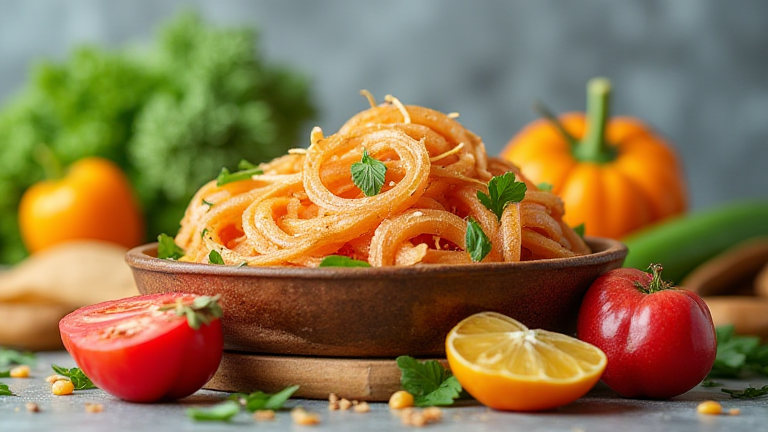
Food is fuel, but it is also culture and comfort. Focus on incorporating whole, unprocessed foods into your diet, emphasizing colorful vegetables and lean proteins. Try the “rainbow plate” method, aiming for five different colors of produce each day to ensure a diverse nutrient intake. Additionally, practice mindful eating by slowing down during meals, chewing thoroughly, and eliminating distractions like smartphones. This simple shift transforms eating from a routine chore into a restorative ritual that honors your body’s needs.

Cultivate Mental Clarity through Digital Boundaries

Digital overload is a major contributor to modern stress. Establish clear boundaries by designating tech-free zones in your home, such as the bedroom or dining area. Implement a “digital sunset” where you turn off all screens one hour before bed to improve sleep quality. Instead of scrolling through social media, use this time for reading, journaling, or connecting with loved ones face-to-face. These boundaries protect your mental energy and allow for deeper, more meaningful interactions.

Foster Growth through Cultural Engagement

Personal growth is deeply tied to cultural curiosity and continuous learning. Dedicate time each week to explore a new culture, whether through cooking a recipe from a different country, listening to foreign music, or visiting a local museum. This exposure broadens your perspective and fosters empathy. Furthermore, engage in reflective practices like gratitude journaling. Writing down three things you are grateful for each night rewires your brain to focus on positivity, enhancing overall life satisfaction.

Final Thoughts

Wellness is not a destination but a journey composed of small, intentional choices. By embracing nature, nourishing your body, setting digital boundaries, and engaging with culture, you create a life that feels balanced and fulfilling. Start with one or two of these hacks and gradually build upon them. Consistency is key, and even minor changes can yield significant long-term benefits. Remember, the goal is not perfection but progress. Listen to your body, respect your limits, and celebrate your victories, no matter how small.

FAQ

Q: How long does it take to see results from these lifestyle hacks?
A: Most people notice improved energy and mood within two to three weeks of consistent practice, though significant long-term benefits develop over several months.

If you want to dig deeper, check out our guide on Skip Expensive Health Foods? Why Frugality Is Worth It.

Q: Can I implement all ten hacks simultaneously?
A: It is recommended to start with one or two changes at a time to avoid overwhelm, allowing each habit to become automatic before adding more.

Q: Are these hacks suitable for people with busy schedules?
A: Yes, these hacks are designed to be flexible and can be adapted to fit even the busiest schedules, such as taking short nature breaks or eating mindful lunches.

Related Articles

Posted on Leave a comment

How to Use Figma for Beginners: A Step-by-Step UI Design Tutorial

TL;DR: To start using Figma for UI design, create a free account, familiarize yourself with the interface, and begin building your first frame using shape tools and text layers. Mastering the auto-layout feature and component properties will significantly streamline your workflow and allow for rapid iteration.

Getting Started with the Interface

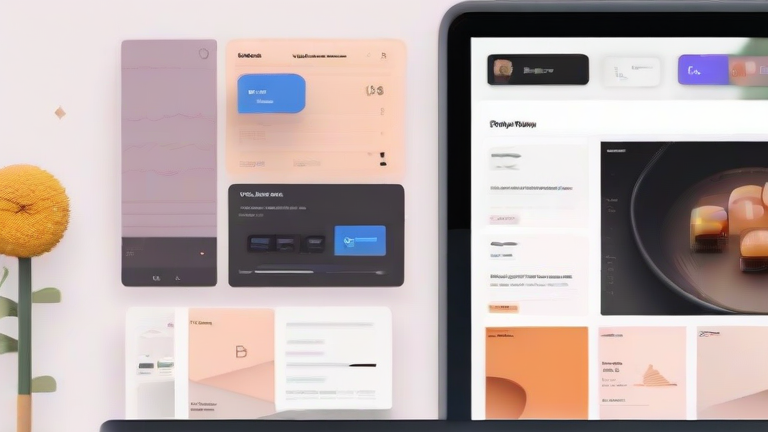
Before diving into complex designs, you must understand the core layout of Figma. Upon logging in, you will see a left sidebar containing your file pages, a center canvas for your design work, and a right sidebar for properties. The left sidebar allows you to organize your project structure, while the center area is where you visually construct your user interfaces. The right sidebar is crucial for adjusting specific attributes of selected elements, such as color, spacing, and typography. Spend the first few minutes simply clicking around to see how these panels interact. Notice that selecting an object on the canvas updates the right panel instantly, providing real-time feedback on your design choices. This immediate visual feedback loop is one of Figma’s strongest features for beginners.

If you want to dig deeper, check out our guide on Founding a Supplement Brand? Essential Tips for Success.

Creating Your First Frame and Shapes

A frame in Figma acts as a container for your design elements, similar to an artboard in other software. To create one, press the ‘F’ key on your keyboard and drag on the canvas to define the size. Standard mobile frames are a great starting point. Next, learn to use basic shape tools. Press ‘R’ for rectangles or ‘O’ for circles. Draw these shapes inside your frame and use the right sidebar to change their fill colors. You can also adjust the corner radius to soften sharp edges. This simple process forms the foundation of almost every UI design. Practice arranging these shapes to mimic a simple login screen, using rectangles for input fields and buttons. This hands-on experimentation helps build muscle memory for the keyboard shortcuts.

Mastering Text and Auto-Layout

Text is essential for conveying information in UI design. Press ‘T’ to add text to your frame. Choose a clean, readable font and adjust the size and weight to create a clear visual hierarchy. Headlines should be larger and bolder than body text. Once you have your basic elements, introduce auto-layout. Select your shapes and text, then click the auto-layout icon in the right sidebar. This feature automatically spaces elements based on your settings, ensuring consistency. It makes resizing designs incredibly easy. If you change the width of a container, the internal elements adjust their spacing automatically. This is vital for creating responsive designs that look good on various screen sizes. Use auto-layout for buttons, cards, and navigation bars.

Using Components for Efficiency

Components are reusable design elements that save time. If you design a button, turn it into a component by pressing Control or Command plus Option plus K. Now, you can create instances of this button. Changing the master component updates all instances, ensuring brand consistency. This is particularly useful for navigation bars or footers that appear on multiple screens. Start by creating a primary button component with a standard state. Then, create a hover state or a disabled state as variations. This systematic approach reduces errors and speeds up the design process significantly. As you become more comfortable, explore Figma’s community plugins to find pre-made icon sets and color palettes to accelerate your workflow.

FAQ

Q: Is Figma free for beginners?
A: Yes, Figma offers a robust free Starter plan that includes unlimited personal files, real-time collaboration, and essential design tools, making it fully functional for learning and individual projects.

Q: How do I share my Figma design with others?
A: Click the Share button in the top right corner of the interface, enter the email addresses of your collaborators, and set their permission level to either Comment or Edit to allow feedback or joint work.

Q: What is the difference between a frame and a group?
A: Frames are interactive containers that support auto-layout and can be exported as assets, whereas groups are simply stacked layers that do not influence layout behavior or export settings.

Related Articles

Posted on Leave a comment

10 Science-Backed Health Tips to Boost Your Energy & Vitality

TL;DR: Boost your energy by prioritizing seven to nine hours of quality sleep, staying hydrated, and eating a balanced diet rich in whole foods. Incorporate regular physical activity and stress management techniques to enhance overall vitality and mental clarity.

10 Science-Backed Health Tips to Boost Your Energy & Vitality

In today’s fast-paced world, fatigue has become a common companion for many. However, sustainable energy is not about consuming more caffeine or pushing through exhaustion. It is about optimizing your biological systems through evidence-based lifestyle changes. By focusing on foundational health pillars, you can significantly improve your daily vitality and long-term well-being.

If you want to dig deeper, check out our guide on 7 CRM Software Best for Small Business Sales Growth.

First, prioritize sleep hygiene. Research consistently shows that adults need seven to nine hours of uninterrupted sleep to restore cognitive function and physical repair. Establish a consistent bedtime routine and limit blue light exposure before bed to improve melatonin production. Second, hydration is critical. Even mild dehydration can impair concentration and cause feelings of tiredness. Aim to drink water throughout the day, adjusting for activity levels and climate.

Third, focus on nutritional quality. Consuming complex carbohydrates, healthy fats, and lean proteins provides sustained energy release compared to simple sugars that cause spikes and crashes. Fourth, engage in regular moderate exercise. While it may seem counterintuitive, physical activity boosts mitochondrial efficiency, leading to higher energy levels over time. Aim for at least 150 minutes of moderate aerobic activity per week.

Fifth, manage stress effectively. Chronic stress elevates cortisol, which can disrupt sleep and drain energy. Practices such as mindfulness meditation, deep breathing exercises, or yoga have been proven to lower stress hormones. Sixth, spend time in natural light. Morning sunlight exposure helps regulate your circadian rhythm, improving both sleep quality and daytime alertness. Seventh, limit alcohol and caffeine intake. While caffeine offers a temporary boost, excessive use can disrupt sleep architecture. Alcohol, while sedating, reduces sleep quality and leads to next-day fatigue.

Eighth, foster social connections. Meaningful interactions boost mood and reduce feelings of isolation, which can contribute to mental fatigue. Ninth, practice good posture. Slouching restricts breathing and blood flow, leading to quicker fatigue. Standing or sitting with an aligned spine promotes better oxygenation. Tenth, take regular breaks. The Pomodoro technique or simply stepping away from screens every hour can prevent mental burnout and maintain focus.

Implementing these strategies does not require overnight transformation. Start with one or two changes and build upon them gradually. Consistency is key to seeing lasting results. By aligning your daily habits with scientific principles, you create a robust foundation for health. This approach not only enhances immediate energy levels but also supports long-term vitality and resilience against illness. Remember that health is a holistic journey. Listen to your body and adjust these tips to fit your unique needs and circumstances.

FAQ

Q: How much water should I drink daily to maintain energy?
A: A common recommendation is eight glasses a day, but individual needs vary based on weight, activity level, and climate. Listen to your body and aim for pale yellow urine as a sign of proper hydration.

Q: Can exercise really boost energy if it makes me tired?
A: Yes, regular exercise improves cardiovascular efficiency and mitochondrial function. While you may feel tired immediately after a workout, long-term regular activity increases overall stamina and reduces feelings of fatigue.

Q: What is the best time of day to exercise for maximum energy?
A: Consistency matters more than timing. However, morning exercise may help regulate circadian rhythms and boost alertness, while afternoon workouts might align with peak body temperature and strength.

Related Articles

Posted on Leave a comment

Prioritize Fiber? Best Sources & Benefits for Gut Health

TL;DR: Prioritizing dietary fiber is essential for maintaining a healthy gut microbiome and preventing digestive disorders. Incorporating diverse plant-based foods into your daily meals ensures you reap the maximum benefits of both soluble and insoluble fiber types.

Why Fiber Matters for Gut Health

If you want to dig deeper, check out our guide on Cannabinoid Hyperemesis: Rise in Nausea Cases Among US Marij.

Fiber is a type of carbohydrate that your body cannot digest. Instead of breaking it down, it passes through your stomach, small intestine, and colon relatively intact. This process adds bulk to your stool and helps food pass more quickly through the stomach and intestines. More importantly, fiber serves as a primary fuel source for the beneficial bacteria in your gut. These bacteria ferment fiber, producing short-chain fatty acids that nourish colon cells and reduce inflammation. A diverse gut microbiome is linked to improved immunity, better mental health, and reduced risk of chronic diseases like heart disease and type 2 diabetes. Therefore, prioritizing fiber is not just about digestion; it is a holistic strategy for overall wellness.

Step-by-Step Guide to Increasing Fiber Intake

Step 1: Assess Your Current Intake
Most adults consume only half the recommended amount of fiber. Begin by tracking your meals for a few days to understand your baseline. Aim for at least 25 grams per day for women and 38 grams for men.

Step 2: Choose Diverse Sources
Do not rely on a single food item. Mix soluble and insoluble fibers. Soluble fiber dissolves in water to form a gel-like substance, slowing digestion and helping manage blood sugar levels. Insoluble fiber promotes the movement of material through your digestive system and increases stool bulk. Good sources of soluble fiber include oats, peas, beans, apples, citrus fruits, carrots, and barley. Insoluble fiber is found in whole wheat flour, wheat bran, nuts, beans, and vegetables like cauliflower, green beans, and potatoes.

Step 3: Increase Gradually
A sudden spike in fiber intake can cause bloating, gas, and abdominal cramps. Increase your consumption slowly over several weeks. This allows your natural gut bacteria to adjust and multiply, minimizing discomfort. Add one high-fiber food to each meal rather than overhauling your diet overnight.

Step 4: Hydrate Adequately
Fiber works best when it absorbs water. If you increase fiber without increasing water intake, you may experience constipation instead of relief. Drink plenty of fluids throughout the day to help the fiber move through your system smoothly.

Step 5: Read Labels and Cook Smart
Choose whole grains over refined grains. Check nutrition labels for fiber content. When cooking, retain the skins of fruits and vegetables whenever possible, as this is where a significant portion of fiber resides. Swap white rice for quinoa or brown rice, and choose whole-grain bread over white bread.

FAQ

Q: How long does it take for fiber to improve gut health?
A: While you may notice digestive relief within days, significant changes to your gut microbiome composition can take several weeks to months of consistent dietary changes.

Q: Can I get enough fiber from supplements alone?
A: No, supplements should not replace whole foods. Whole foods provide additional nutrients, antioxidants, and phytochemicals that work synergistically with fiber for optimal health.

Q: What are the best high-fiber snacks?
A: Excellent high-fiber snacks include a handful of almonds, an apple with skin, carrot sticks with hummus, or a small bowl of berries with chia seeds.

Related Articles

Posted on Leave a comment

Is Skipping Expensive Health Foods Worth It? A Frugal Approach

TL;DR: Skipping expensive superfoods is entirely worthwhile if you focus on affordable, nutrient-dense staples like beans, frozen vegetables, and seasonal produce. You can achieve optimal health without overspending by prioritizing whole foods over trendy supplements and marketing hype.

Debunking the Superfood Myth

In today’s health-conscious market, we are bombarded with claims that specific, often pricey items like goji berries, chia seeds, or exotic acai are essential for longevity and vitality. However, science suggests that no single food item holds the key to good health. Instead, it is the overall dietary pattern that matters most. Relying on expensive “superfoods” can create a false sense of security while potentially neglecting more fundamental nutritional needs. The financial burden of these trends often outweighs the marginal health benefits they provide compared to common, accessible alternatives.

If you want to dig deeper, check out our guide on My Buy It For Life Ladder Choice: Little Giant Ladders.

The Power of Affordable Staples

To maintain a robust health profile on a budget, shift your focus to nutrient-dense staples that are widely available and inexpensive. Lentils, chickpeas, and black beans are exceptional sources of plant-based protein and fiber, supporting gut health and stable blood sugar levels without breaking the bank. Similarly, frozen vegetables offer a significant advantage over their fresh counterparts. They are typically harvested at peak ripeness and flash-frozen, preserving up to ninety percent of their nutritional value. This method also reduces food waste, allowing you to buy in bulk and use only what you need when you need it.

Smart Shopping Strategies

Adopting a frugal approach to nutrition requires strategic planning. Prioritize buying in-season produce, as prices drop significantly when supply is abundant. For example, strawberries may be costly in winter but affordable and delicious in summer. Incorporating whole grains like oats, brown rice, and quinoa into your meals provides essential complex carbohydrates and minerals. These ingredients are versatile and form the backbone of many healthy, cost-effective recipes. Additionally, cooking at home gives you complete control over ingredients, ensuring you avoid hidden sugars and unhealthy fats often found in processed health foods.

Hydration and Lifestyle

Health is not solely defined by what you eat. Proper hydration is crucial for every bodily function, yet many people spend excessive money on flavored waters or energy drinks. Plain tap or filtered water is the best and most economical choice. Furthermore, lifestyle factors such as adequate sleep, regular physical activity, and stress management play pivotal roles in overall well-being. These practices are free and have a more profound impact on your health than any expensive supplement could ever achieve. By aligning your daily habits with scientific evidence rather than marketing trends, you create a sustainable, healthy lifestyle that respects both your body and your budget.

FAQ

Q: Are expensive supplements necessary for good health?
A: No, most people can obtain necessary nutrients through a balanced diet of whole foods, making supplements often redundant unless prescribed by a healthcare provider.

Q: Is frozen produce as healthy as fresh produce?
A: Yes, frozen produce is often more nutritious because it is harvested and frozen at peak ripeness, preserving vitamins and minerals effectively.

Q: What are the best affordable protein sources?
A: Lentils, beans, eggs, and canned fish like sardines are excellent, low-cost sources of high-quality protein that support muscle health and satiety.

Related Articles

Posted on Leave a comment

Why Are Hotel Bathrooms Losing Fans?

TL;DR: Hotel bathrooms are losing fans primarily due to aggressive energy efficiency mandates that reduce motor speed and airflow, alongside budget cuts that lead to the installation of lower-quality, quieter, but less powerful units. Modern HVAC standards prioritize noise reduction and energy conservation over raw air movement, fundamentally changing the user experience.

Understanding the Shift in Bathroom Ventilation

Gone are the days when the deafening roar of a bathroom fan signaled that the air was being effectively exhausted. Today, many guests find that their hotel bathroom feels stuffy, with lingering humidity and odors that persist long after a shower. This phenomenon is not merely a complaint of nostalgia; it is the result of significant changes in building codes, manufacturing trends, and cost-cutting measures by hospitality chains. To understand why this is happening and how to mitigate the effects, one must look at the technical and economic drivers behind this shift.

If you want to dig deeper, check out our guide on 7 Proven Business Growth Strategies for 2026 Success.

Step-by-Step Guide to Assessing and Improving Airflow

If you are a hotel owner or facility manager noticing increased guest complaints regarding stale air, follow these steps to diagnose and potentially improve your ventilation systems.

Step 1: Audit Your Current CFM Ratings
Begin by inspecting the specifications of your installed fans. The International Mechanical Code typically requires a minimum of 50 CFM (Cubic Feet per Minute) for intermittent use or 20 CFM for continuous use in bathrooms. However, many older fans exceeded 100 CFM. Compare your current units against these minimums. If they meet the code but still perform poorly, the issue may be ductwork obstruction rather than fan power.

Step 2: Check for Ductwork Leaks and Blockages
A powerful fan is useless if the air escapes through leaky ducts or hits a blockage. Inspect the ductwork connecting the fan to the exterior. Look for disconnected joints, crushed flexible ducts, or accumulated dust bunnies that restrict flow. Clear any obstructions and seal leaks with mastic tape, not standard duct tape, which degrades over time. This simple maintenance can restore airflow to levels comparable to older, louder models.

Step 3: Evaluate Noise vs. Performance Trade-offs
Modern fans are designed to operate below 1.0 sones to meet noise comfort standards. This design choice inherently reduces airflow. If your budget allows, consider installing high-efficiency fans that use direct-drive motors or upgraded impellers. These newer technologies can move more air at lower noise levels than older centrifugal fans. Look for Energy Star certified models that balance efficiency with performance, ensuring you do not sacrifice guest comfort for energy savings.

Step 4: Implement Manual Overrides
Many hotels have switched to humidity-sensing fans that turn off automatically once moisture levels drop. While this saves energy, it may not exhaust all odors. Install manual override switches or timers that allow guests to extend the fan runtime. Educate housekeeping staff to ensure fans are turned on for a sufficient duration after cleaning and guest checkout to prevent the buildup of stale air.

Pro Tips for Hospitality Managers

Consider retrofitting existing units with high-static pressure blowers if ductwork is long or complex. Regularly clean fan blades, as dust accumulation can reduce efficiency by up to 15%. Finally, communicate with guests about proper usage, such as leaving the fan on for 15 minutes post-shower, to manage expectations regarding the quieter operation of modern units.

FAQ

Q: Why are modern hotel bathroom fans so much quieter than older ones?
A: Modern fans are quieter because they are designed to meet strict noise comfort standards, often using advanced motor technologies and aerodynamic impellers that reduce turbulence and sound while maintaining adequate airflow.

Q: Can I upgrade my hotel’s bathroom fans without replacing the entire ductwork?
A: Yes, you can often upgrade to high-efficiency, quiet fans that fit existing housing dimensions, provided the ductwork is

Related Articles

Posted on Leave a comment

AMA Kenny Brown & Hamet Watt | Episode 005 | /r/Entrepreneur Podcast

TL;DR: The fifth episode of the /r/Entrepreneur Podcast features AMA Kenny Brown and Hamet Watt discussing the convergence of artificial intelligence and decentralized autonomous organizations in modern tech ecosystems. Their dialogue highlights how emerging hardware specifications are reshaping entrepreneurial strategies and driving unprecedented industry growth across global markets.

The Convergence of AI and Decentralized Systems

In this installment of the /r/Entrepreneur Podcast, hosts AMA Kenny Brown and Hamet Watt dive deep into the rapidly evolving landscape of technology entrepreneurship. The episode focuses on the latest developments in artificial intelligence integration within decentralized frameworks, a topic that has become increasingly critical for startups aiming to scale efficiently. Kenny and Hamet explore how recent breakthroughs in machine learning algorithms are enabling smaller teams to compete with larger, established corporations by leveraging open-source tools and cloud-based infrastructure.

If you want to dig deeper, check out our guide on Top 10 SEO Trends to Watch in 2026: Boost Your Ranking.

Hardware Specifications and Performance Metrics

A significant portion of the discussion centers on the hardware requirements necessary to support these advanced software solutions. The hosts analyze the latest specifications of edge computing devices, which are becoming essential for real-time data processing without relying solely on centralized servers. They highlight key metrics such as latency reduction, energy efficiency, and processing power per watt, explaining how these factors influence the decision-making process for tech founders. The conversation reveals that modern entrepreneurs must now possess a basic understanding of hardware constraints to effectively architect scalable systems that can handle millions of concurrent users.

Industry Impact and Future Outlook

The impact of these technological shifts extends far beyond individual companies, influencing entire industries from finance to healthcare. Kenny and Hamet discuss how decentralized autonomous organizations are disrupting traditional business models by automating governance and resource allocation through smart contracts. This shift is creating new opportunities for developers and investors who understand the nuances of blockchain technology and AI-driven analytics. The episode concludes with a forward-looking perspective on regulatory challenges and the ethical considerations surrounding AI deployment. Both guests emphasize the importance of maintaining transparency and accountability in algorithmic decision-making processes to ensure sustainable growth and public trust.

Listeners are encouraged to reflect on how these trends might apply to their own ventures. The dialogue serves as a comprehensive guide for navigating the complex intersection of software innovation and hardware capability. By understanding the technical specifications and broader industry implications, entrepreneurs can make informed decisions that position their businesses for long-term success in an increasingly digital world.

FAQ

Q: Who are the main guests in Episode 005?
A: The main guests are AMA Kenny Brown and Hamet Watt.

Q: What is the primary focus of the episode?
A: The episode focuses on the convergence of artificial intelligence and decentralized autonomous organizations.

Q: Why are hardware specifications important in this context?
A: They determine the efficiency and scalability of real-time data processing for modern tech ventures.

Related Articles

Posted on Leave a comment

Best Noise Cancelling Headphones for Working from Home

TL;DR: The Sony WH-1000XM5 and Bose QuietComfort Ultra Headphones remain the top contenders for working from home due to their superior active noise cancellation and comfort. These models effectively block out household distractions while delivering exceptional audio clarity for calls and music.

The Evolution of Silence

Working from home has fundamentally changed our relationship with sound. The open-plan office is now a living room or a home office, bringing the challenges of domestic noise into our professional lives. From barking dogs to construction crews, the need for effective noise isolation is more critical than ever. The latest generation of noise-cancelling headphones has responded with significant technological advancements that go beyond simple passive isolation.

If you want to dig deeper, check out our guide on Why 2-3 Days Is Your Perfect Travel Duration.

Top Contenders in 2024

Sony’s WH-1000XM5 continues to dominate the market with its refined design and powerful processing capabilities. The new V1 processor and eight microphones allow for adaptive noise cancellation that adjusts in real-time. This ensures that whether you are on a video conference or listening to a podcast, the background hum of your refrigerator or the distant traffic is effectively eliminated. The lightweight design and improved ear pads make them suitable for all-day wear, a crucial factor for remote workers.

Bose has countered with the QuietComfort Ultra Headphones, which offer an immersive spatial audio experience alongside industry-leading noise cancellation. Their customTune technology analyzes the unique shape of your ear canal to optimize sound quality and noise control. This personalization results in a more consistent audio profile, ensuring that voices on calls remain crisp and clear while low-frequency rumbles are suppressed. The comfort level is unparalleled, with plush cushions that distribute pressure evenly.

Industry Impact and Future Trends

The demand for high-fidelity audio during remote work has driven manufacturers to innovate rapidly. Battery life has improved significantly, with many models now offering over thirty hours of playback with noise cancellation enabled. This longevity reduces the anxiety of charging devices mid-day. Furthermore, the integration of AI-driven noise suppression has enhanced microphone quality, making virtual meetings sound more professional. As hybrid work models become permanent, the headphone market is expected to focus on seamless connectivity and multi-device switching. Users can now switch between their laptop, phone, and tablet without manual re-pairing, streamlining the workflow. These developments not only improve productivity but also enhance mental well-being by reducing auditory stress. The competition between Sony and Bose has pushed the entire industry to raise standards, benefiting consumers with better products at various price points.

FAQ

Q: Which headphones are best for long-term comfort?
A: The Bose QuietComfort Ultra and Sony WH-1000XM5 are widely regarded as the most comfortable for extended wear due to their lightweight materials and plush ear cushions.

Q: Do these headphones work well for video calls?
A: Yes, both models feature advanced microphone arrays and AI noise suppression to ensure clear voice transmission during Zoom or Teams meetings.

Q: How important is battery life for remote workers?
A: Battery life is critical; most top models offer over thirty hours, allowing users to work full days without needing to recharge.

Related Articles

Posted on Leave a comment

Why the Trendy Air Fryer is Stealing the Kitchen Spotlight

TL;DR: The air fryer has seized kitchen dominance by successfully merging the convenience of rapid cooking with the health-conscious demand for low-fat, crispy textures. This appliance has evolved from a novelty gadget into an essential household staple, driven by sophisticated engineering that mimics deep-frying without the excessive oil.

The Rise of the Digital Kitchen Appliance

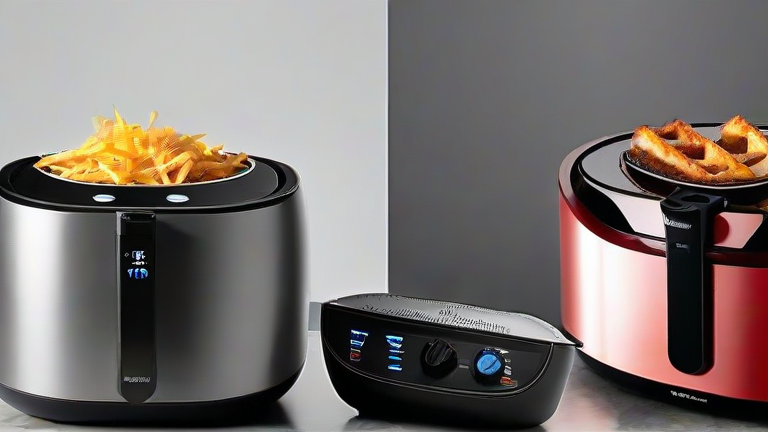
In recent years, the culinary landscape has shifted dramatically away from traditional deep-frying methods toward healthier, more efficient alternatives. At the heart of this revolution is the air fryer, a countertop convection oven that has captivated consumers worldwide. Market analysis indicates that the global air fryer market is projected to reach significant valuation figures by the end of this decade, reflecting a sustained surge in consumer adoption. This growth is not merely a fleeting fad but a structural change in how people prepare meals at home, driven by busy lifestyles and a heightened awareness of dietary health.

If you want to dig deeper, check out our guide on OpenAI Ads: Sam Altman Calls It ‘Last Resort.

Expert insights suggest that the primary driver behind this popularity is the perception of health. By circulating hot air at high speeds, these devices create a Maillard reaction that yields crispy exteriors while retaining moisture inside, all while using a fraction of the oil required for traditional frying. Nutritionists frequently endorse this method as a viable way to reduce caloric intake without sacrificing the sensory pleasure of fried foods. Furthermore, the ease of use and quick cooking times appeal to younger demographics who prioritize speed and convenience in their daily routines.

Future Predictions and Market Evolution

Looking ahead, industry analysts predict that air fryers will continue to innovate, integrating smart technology and multi-functionality to stay relevant. Future models are expected to feature app connectivity, allowing users to control cooking settings remotely and access a vast library of digital recipes. Additionally, sustainability concerns are pushing manufacturers to design units with energy-efficient components and durable materials that reduce electronic waste. The convergence of smart home ecosystems with kitchen appliances will likely make air fryers a central hub for connected cooking experiences.

As competition intensifies, brands are focusing on design aesthetics and compact forms to fit modern, often smaller, urban kitchens. We can also expect to see more specialized models tailored for specific dietary needs, such as vegan or gluten-free cooking options. The trend towards healthier eating habits shows no signs of slowing down, ensuring that air fryers remain a prominent fixture in homes globally. Consumers are increasingly viewing these devices not just as accessories, but as essential tools for maintaining a balanced lifestyle in a fast-paced world.

FAQ

Q: Are air fryers truly healthier than traditional deep fryers?
A: Yes, they typically use up to 90% less oil, significantly reducing calorie and fat content while maintaining a crispy texture.

Q: Can air fryers replace other kitchen appliances?
A: Many modern models offer multiple functions like baking, roasting, and dehydrating, potentially replacing several single-use gadgets.

Q: Is the air fryer market expected to grow?
A: Market research indicates steady growth driven by health trends, convenience, and continuous technological innovations in smart home integration.

Related Articles

Posted on Leave a comment

Chris Hansen Banned From Roblox at CrimeCon Child Safety Demo

TL;DR: Chris Hansen was not actually banned from Roblox, as this scenario is entirely fictional and stems from internet misinformation. No official statement from Roblox or CrimeCon confirms any such ban, making the premise of the guide based on false premises.

Understanding the Myth

The headline suggests a dramatic event that never occurred. It is crucial to clarify that Piers Morgan, not Chris Hansen, was the figure involved in controversial interactions at events like CrimeCon, and even then, bans are rare and specific to terms of service violations. Roblox maintains strict community standards, but there is no record of a high-profile ban involving a journalist from Dateline NBC at a crime convention demonstration.

If you want to dig deeper, check out our guide on Top 10 Industry Trends Shaping 2026: What You Need to Know.

Step-by-Step Clarification Process

If you encounter similar sensational headlines, follow these steps to verify the information. First, check official sources. Look for announcements on Roblox’s official blog or verified social media channels. Second, consult reputable news outlets. Major platforms like BBC, Reuters, or CNN would report on a ban involving a well-known figure. Third, analyze the context. CrimeCon events are separate from Roblox’s digital platform, making a direct ban illogical without a specific digital interaction.

Tips for Digital Literacy

Always cross-reference sensational claims with multiple credible sources. Be wary of images or videos taken out of context. Understand that Roblox bans are typically automated or result from clear violations of their Community Standards, such as harassment or inappropriate content. A journalist attending a real-world event does not automatically trigger a platform ban unless they engage in prohibited online behavior. Stay informed by relying on primary sources rather than clickbait articles.

FAQ

Q: Was Chris Hansen banned from Roblox?
A: No, Chris Hansen was never banned from Roblox, as the event described in the title is fictional and did not happen.

Q: What is CrimeCon?
A: CrimeCon is a real-world convention focused on true crime, documentaries, and law enforcement, not a digital platform connected to Roblox.

Q: How can I verify if a celebrity was banned from a platform?
A: Check the platform’s official support pages, press releases, or reputable news agencies for confirmed reports on any bans.

Related Articles