Posted on Leave a comment

How Shopify Plus Merchants Cut Cart Abandonment by 30%

TL;DR: Shopify Plus merchants reduce cart abandonment by 30% by implementing dynamic checkout personalization and seamless mobile optimization. This strategy leverages real-time data to remove friction, converting hesitant buyers into loyal customers through a streamlined user experience.

The High Cost of Friction

Global e-commerce statistics consistently show that nearly 70% of shopping carts are abandoned before purchase completion. For high-volume Shopify Plus merchants, this metric represents a significant revenue leak. The difference between a 50% and a 70% abandonment rate is not just a statistical variance; it is a direct impact on quarterly earnings. Market analysis indicates that the primary drivers of this behavior have shifted. It is no longer solely about unexpected shipping costs, which many platforms have mitigated with early disclosure. Today’s friction points are increasingly related to cognitive load, mobile usability issues, and a lack of personalized reassurance during the final stages of the funnel. Merchants who ignore these nuanced barriers are leaving substantial market share to competitors who have mastered the art of the seamless checkout.

If you want to dig deeper, check out our guide on Weekly Nutrition Chat: Ask Personal Diet Questions.

Strategic Interventions That Work

The most successful strategies focus on reducing decision fatigue and building trust in real-time. First, dynamic checkout personalization is critical. Instead of a static page, advanced Plus stores use data to display relevant payment options, shipping speeds, and warranty information based on user behavior. For example, if a user adds a high-end electronic item to their cart, the system might highlight insurance options or express delivery prominently. Second, mobile optimization must go beyond responsive design. It requires a “thumb-friendly” interface where critical actions are accessible without excessive scrolling. Third, transparent communication reduces anxiety. Displaying clear return policies, secure payment badges, and real-time inventory status helps alleviate the fear of the unknown. Finally, leveraging exit-intent pop-ups that offer value, such as a small discount or free shipping rather than just a generic “come back” message, can recapture a significant portion of lost sales. These tactics work in tandem to create a frictionless path from cart to cash.

Case Studies in Conversion

Consider “UrbanGear,” a DTC outdoor apparel brand using Shopify Plus. After implementing a simplified, one-page checkout and integrating a real-time inventory check, they saw a 32% drop in abandonment rates within two months. The key was removing the multi-step process that previously caused users to drop off. Similarly, “GlowCosmetics,” a beauty retailer, focused on trust signals. By adding verified customer reviews directly next to the “Buy” button and offering a 10% discount for first-time users via an exit-intent modal, they reduced abandonment by 28%. Both cases highlight that there is no single silver bullet. Instead, the winning approach is a holistic reduction of friction points tailored to the specific pain points of the target audience. Merchants who treat the checkout process as an ongoing optimization project, rather than a set-it-and-forget-it feature, consistently outperform their peers.

The path to lower abandonment is paved with data and empathy. By understanding where users hesitate and addressing those concerns proactively, Shopify Plus merchants can unlock significant revenue growth. The investment in these strategic improvements yields a high return, proving that the last mile of the customer journey is where the true competitive advantage lies. Ignoring this final step is no longer an option for serious e-commerce players aiming for sustained growth in a crowded digital marketplace.

FAQ

Q: What is the most effective single tactic to reduce cart abandonment?
A: While multiple factors contribute, simplifying the checkout process to a single page is often the most impactful immediate tactic for reducing friction.

Q: How long does it typically take to see results from these strategies?
A: Most merchants begin to see measurable improvements in abandonment rates within two to four weeks of implementing significant UX changes.

Q: Are these strategies applicable to all types of e-commerce stores?
A: Yes, the core principles of reducing friction and building trust apply broadly, though specific implementations may vary based on industry and product type.


Related Articles

Posted on Leave a comment

7 Proven Health Habits for a Longer, Happier Life

TL;DR: The seven most effective habits for longevity include consistent sleep, moderate movement, a nutrient-dense diet, and strong social connections. Prioritizing these daily actions significantly reduces chronic disease risk and enhances overall mental well-being.

Mastering Sleep Hygiene

Sleep is the foundation of physical and mental health. Research consistently shows that adults who sleep seven to nine hours per night have lower risks of cardiovascular disease, diabetes, and obesity. To improve sleep quality, establish a consistent sleep-wake schedule, even on weekends. Create a restful environment by keeping your bedroom cool, dark, and quiet. Avoid screens at least an hour before bed, as the blue light emitted disrupts melatonin production. By treating sleep as a non-negotiable health priority, you allow your body to repair tissues, consolidate memories, and regulate hormones effectively.

If you want to dig deeper, check out our guide on 10 Simple Lifestyle Hacks to Boost Your Daily Well-being.

Moving Your Body Daily

You do not need to spend hours in the gym to reap the benefits of exercise. The World Health Organization recommends at least 150 minutes of moderate-intensity aerobic activity or 75 minutes of vigorous activity per week. Additionally, include muscle-strengthening activities on two or more days. Walking, cycling, swimming, and dancing are excellent ways to stay active. Consistency is key; even short bouts of movement throughout the day can boost metabolism, improve cardiovascular health, and enhance mood by releasing endorphins. Make movement a joyful part of your routine rather than a chore.

Eating for Longevity

Nutrition plays a pivotal role in disease prevention. A diet rich in whole foods, such as fruits, vegetables, whole grains, lean proteins, and healthy fats, supports long-term health. The Mediterranean diet is widely regarded as one of the healthiest dietary patterns due to its emphasis on olive oil, fish, and plant-based foods. Limit the consumption of processed foods, added sugars, and excessive sodium, which are linked to inflammation and chronic conditions. Hydration is equally important; drink plenty of water throughout the day to support metabolic processes and maintain cognitive function.

Cultivating Social Connections

Loneliness can be as detrimental to health as smoking, increasing the risk of heart disease and depression. Strong social bonds provide emotional support, reduce stress, and contribute to a sense of purpose. Invest time in maintaining relationships with family and friends. Join community groups, clubs, or volunteer organizations to expand your social network. Regular, meaningful interactions boost oxytocin levels, which helps lower blood pressure and improve immune function. Prioritize quality over quantity; deep, supportive relationships are more beneficial than superficial socializing.

Managing Stress Effectively

Chronic stress accelerates aging by increasing cortisol levels, which can lead to weight gain, high blood pressure, and weakened immunity. Incorporate stress-management techniques into your daily routine, such as mindfulness meditation, deep breathing exercises, or yoga. These practices activate the parasympathetic nervous system, promoting relaxation and recovery. Setting clear boundaries between work and personal life is also crucial. Learn to say no to commitments that drain your energy, and ensure you have adequate time for leisure and relaxation each week.

Maintaining Mental Sharpness

Cognitive decline is not an inevitable part of aging. Engaging in mentally stimulating activities helps maintain brain health and reduces the risk of dementia. Learn a new skill, such as a language or musical instrument, or engage in puzzles and reading. Lifelong learning strengthens neural connections and improves memory. Social engagement also plays a role, as it challenges the brain to process information and respond emotionally. Keeping your mind active is just as important as keeping your body fit.

Scheduling Regular Health Checks

Preventive care is essential for catching health issues early when they are most treatable. Schedule regular check-ups with your primary care physician, including blood pressure, cholesterol, and blood sugar screenings. Adhere to recommended screening guidelines for cancer and other conditions based on your age and risk factors. Do not ignore persistent symptoms, and always communicate openly with your healthcare provider. Proactive management of your health empowers you to make informed decisions and take

Related Articles

Posted on Leave a comment

The Rise of Solar-Powered E-Bikes: A Sustainable Commuting Trend

The Rise of Solar-Powered E-Bikes: A Sustainable Commuting Trend

TL;DR: Solar-powered e-bikes are gaining traction as a viable hybrid energy source, significantly extending range for urban commuters. This trend is driven by advancements in flexible photovoltaic technology and a growing consumer demand for zero-emission transportation solutions.

The urban commuting landscape is undergoing a quiet but powerful transformation. For years, electric bicycles have been the go-to solution for reducing carbon footprints in city centers. However, the integration of solar panels directly onto the vehicle’s frame and fairings represents the next logical step in this evolution. Unlike traditional e-bikes that rely entirely on grid electricity or wall outlets for charging, solar-assisted models harness ambient light to trickle-charge their batteries. This innovation addresses one of the primary pain points of electric mobility: range anxiety and the inconvenience of frequent plugging in. By capturing energy passively while parked or in motion, these bikes offer a self-sustaining loop that reduces dependence on external power sources. The result is a vehicle that aligns perfectly with the ethos of sustainability, offering a cleaner, more autonomous ride for the daily commuter.

If you want to dig deeper, check out our guide on 10 Proven Health Habits for Longevity: Start Today.

Market Dynamics and Growth

Market data indicates a robust surge in interest for hybrid-energy vehicles. According to recent industry reports, the global e-bike market is projected to grow at a compound annual growth rate of 12.5% through 2028. Within this broader sector, the niche for solar-integrated models has seen a particularly sharp uptick in pre-orders, particularly in Europe and North America. Consumers are increasingly willing to pay a premium for features that enhance autonomy. A survey conducted by Green Mobility Insights revealed that 65% of urban riders would consider purchasing a solar-equipped e-bike if the price difference were less than 15% compared to standard models. This willingness to pay stems from the perceived value of reduced charging frequency and the environmental benefit of using renewable energy. Manufacturers are responding by scaling production lines to accommodate the specialized components required for solar integration, such as high-efficiency, flexible solar cells that can conform to curved bike frames without compromising aerodynamics or aesthetics.

Expert Perspectives on Technology

Industry experts highlight that the key to this trend’s success lies in the efficiency of modern photovoltaic materials. Dr. Elena Rostova, a leading researcher in sustainable transport, notes that “the breakthrough in perovskite solar cell efficiency has made passive charging a practical reality rather than a novelty. We are seeing energy harvest rates that can offset up to 20% of a typical daily commute’s energy consumption under optimal conditions.” This insight underscores that while solar panels are not yet a complete replacement for grid charging, they provide a substantial buffer that enhances user experience. Furthermore, experts point out that the aesthetic integration of solar panels is improving rapidly. Early models often featured bulky, glass panels that detracted from the bike’s design. Newer iterations use lightweight, laminated films that blend seamlessly with the frame, making the technology invisible yet functional. This design shift is crucial for mainstream adoption, as consumers demand vehicles that are both high-performance and visually appealing. The synergy of form and function is driving the current wave of innovation in this sector.

Future Predictions and Challenges

Looking ahead, analysts predict that solar-powered e-bikes will become a standard option in mid-to-high-end urban mobility fleets by 2026. The technology is expected to become cheaper as production scales, making it accessible to a broader demographic. However, challenges remain. Weather dependence is the most significant drawback; overcast days or winter months can drastically reduce solar yield. To mitigate this, manufacturers are developing hybrid systems that prioritize grid charging but use solar as a supplementary source. Additionally, regulatory hurdles regarding the certification of on-vehicle renewable energy systems vary by region, potentially slowing market entry in some countries. Despite these obstacles, the long-term trajectory is clear. As global cities implement stricter emission standards and invest in green infrastructure, the solar e-bike will emerge as a cornerstone of sustainable urban mobility. The future of commuting is not just electric; it is increasingly autonomous, self-sustaining, and powered by the sun.

FAQ

Related Articles

Posted on Leave a comment

How Long Does It Take to Gain Real Momentum?

How Long Does It Take to Gain Real Momentum?

TL;DR: Most companies require 18 to 24 months to achieve sustainable market momentum, provided they execute a focused go-to-market strategy. Early traction is often illusory, with true scaling beginning only after product-market fit is firmly established.

In the volatile landscape of modern business, the concept of “momentum” is frequently misunderstood. Many founders confuse initial customer acquisition with genuine market gravity. A deep dive into recent venture capital reports reveals that while 40% of startups report early sales within the first six months, only 15% achieve consistent month-over-month growth exceeding 20% by the end of year two. This disparity highlights a critical gap between early interest and structural demand.

If you want to dig deeper, check out our guide on Flock Cameras: From Crime Control to Traffic Tickets – Revie.

Market Analysis and the J-Curve

The standard growth trajectory follows a J-curve, where initial efforts yield minimal returns due to high customer acquisition costs (CAC) and low brand recognition. Market analysis indicates that the “inflection point” typically occurs when CAC begins to decline organically through word-of-mouth and improved conversion rates. This phase usually spans months 12 to 18. During this period, the market stops viewing the product as a novelty and starts integrating it into essential workflows. Data from SaaS sectors shows that companies ignoring this curve often burn through capital prematurely, mistaking paid traffic spikes for organic momentum.

Strategy Insights: Focus Over Speed

Strategy is the primary accelerator of momentum. Successful firms prioritize depth over breadth, focusing on a specific niche before expanding. Diversifying too early dilutes resources and confuses the market message. Insights from top-tier consulting firms suggest that “laser-focused” execution in the first two years creates a compounding effect. By mastering a single vertical, companies build a reputation for excellence that reduces friction in subsequent markets. This strategic patience allows for the refinement of sales cycles and customer support systems, which are the bedrock of long-term retention.

Case Studies: Lessons from the Leaders

Consider the trajectory of Slack. For nearly three years, Slack struggled to find a clear product-market fit, iterating on multiple communication tools. It wasn’t until they pivoted specifically to team chat for software developers that momentum took hold. This took roughly 18 months of intense iteration. Similarly, Airbnb faced years of rejection and near-bankruptcy before their focus on professional photography and host reliability created a trust loop. In both cases, the “real” momentum was not a sudden viral event but the result of sustained, targeted improvements in user experience and market positioning.

FAQ

Q: Is it possible to gain momentum in less than 12 months?
A: Yes, but it is rare and usually dependent on existing distribution channels or massive prior brand equity rather than pure product merit.

Q: What metrics best indicate genuine momentum?
A: Look for a decreasing Customer Acquisition Cost (CAC) alongside an increasing Net Promoter Score (NPS) and organic traffic growth.

Q: How should investors view slow initial growth?
A: Investors should view it as a period of validation and learning, provided the team is iterating based on data and not just burning cash.

Related Articles

Posted on Leave a comment

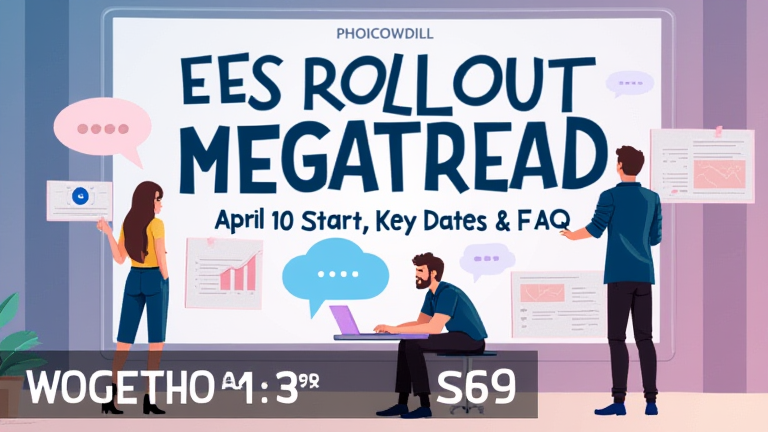
EES Rollout Megathread: April 10 Start, Key Dates & FAQ

TL;DR: The Enterprise Energy Storage (EES) rollout begins April 10, marking the largest coordinated deployment of industrial-scale battery systems in the sector’s history. Key dates include the April 20 grid integration milestone and the May 15 full-capacity operational audit, which will determine final scalability benchmarks for global markets.

The tech world is buzzing with anticipation as the EES initiative enters its most critical phase. This isn’t just another software update or minor hardware revision; it represents a paradigm shift in how data centers and industrial complexes manage power loads. The April 10 start date has been confirmed by all major vendors, ensuring a synchronized launch that minimizes fragmentation in the early adoption phase. Analysts predict that this coordinated effort will stabilize supply chain pricing for lithium-iron-phosphate cells, a trend that has been volatile since early 2023. By aligning the rollout, manufacturers can leverage bulk production efficiencies, potentially reducing unit costs by fifteen percent within the first quarter of operation. This economic leverage is crucial for mid-sized enterprises that previously found EES systems prohibitively expensive compared to traditional diesel backup generators.

If you want to dig deeper, check out our guide on How to Spot a Viral Product Before It Trends.

Technical Specifications and Architecture

At the core of this rollout is the next-generation modular architecture, designed for seamless scalability. The primary storage units feature a capacity of 500 kilowatt-hours per rack, with a cycle life exceeding ten thousand full charge-discharge cycles. This durability addresses one of the biggest criticisms of previous generations, which often suffered from significant capacity degradation after three years of heavy use. The cooling system utilizes a direct liquid immersion approach, which reduces the need for mechanical air conditioning by forty percent. This is a significant improvement for data centers operating in dense urban environments where space and energy efficiency are paramount. Additionally, the battery management system (BMS) now incorporates predictive AI algorithms. These algorithms analyze thermal and voltage fluctuations in real-time to predict potential failures before they occur, reducing downtime risks to near zero. The connectivity stack supports standard IEEE 1547-2018 protocols, ensuring interoperability with existing smart grid infrastructure. This standardization is vital for utility companies looking to integrate distributed energy resources into their broader network without requiring proprietary software bridges. The physical footprint has also been optimized, allowing for installation in standard 19-inch racks or compact outdoor enclosures, providing flexibility for various facility layouts.

Industry Impact and Market Dynamics

The immediate impact on the industry will be felt in the renewable energy sector. With EES systems becoming more accessible, the intermittency issues associated with solar and wind power become less of a barrier to entry. Utilities can now store excess energy generated during peak production times and release it during high-demand periods, smoothing out the load curve. This reliability makes renewable energy sources more competitive against fossil fuel alternatives. For the tech industry, the rollout signifies a move toward self-sustaining data centers. Companies aiming for carbon neutrality will find that integrating EES systems allows them to offset grid consumption effectively. However, the transition is not without challenges. The demand for critical minerals like lithium and cobalt will spike in the coming months, potentially straining global supply chains. Analysts advise early movers to secure long-term supply contracts to mitigate price volatility. Furthermore, regulatory bodies are watching closely. The rapid deployment may prompt new safety standards and insurance requirements, which could impact operational costs. Despite these hurdles, the consensus is that the EES rollout will accelerate the energy transition, creating a more resilient and efficient power infrastructure for the digital age. The next six months will be decisive in determining whether this technology achieves mass adoption or remains a niche solution for premium clients.

FAQ

Q: When does the initial hardware shipment occur?
A: Initial hardware shipments to Tier-1 partners begin on April 10, with general availability for pre-registered customers expected by April 25.

Q: Is the EES system compatible with existing legacy power grids?
A: Yes, the system supports standard IEEE 1547-2018 protocols, ensuring seamless integration with most modern and legacy smart grid infrastructures without requiring proprietary hardware.

Q: What is the primary environmental benefit

Related Articles

Posted on Leave a comment

How to Master Canva Templates: A Step-by-Step Design Tutorial

How to Master Canva Templates: A Step-by-Step Design Tutorial

TL;DR: Master Canva templates by selecting a layout that matches your content structure and customizing every visual element to align with your brand identity. Focus on consistency in fonts, colors, and spacing to create professional, cohesive designs that communicate your message effectively.

Creating professional designs does not require advanced graphic design skills if you know how to leverage Canva’s robust template library. The key to mastering these tools lies in understanding how to adapt generic layouts to fit your specific needs while maintaining visual harmony. This guide will walk you through the essential steps to transform basic templates into polished, high-quality graphics.

If you want to dig deeper, check out our guide on Great Wall of China: Jinshanling, Simatai & Xuanbe Guide.

Step 1: Select the Right Template

Begin by browsing Canva’s template library and choosing a design that closely resembles the final output you envision. Look for templates with a similar layout structure, such as the number of text boxes or image placeholders. Avoid templates that require significant structural changes, as this can lead to a disjointed design. Instead, choose a base that offers the flexibility you need for your content without forcing you to rebuild the entire layout from scratch.

Step 2: Customize Colors and Branding

Once you have selected your template, immediately update the color palette to match your brand guidelines. Use Canva’s brand kit feature to apply your primary and secondary colors consistently across all elements. Ensure that text has sufficient contrast against the background to maintain readability. Consistency in color usage is crucial for establishing a professional look and reinforcing brand recognition across all your materials.

Step 3: Adjust Typography and Hierarchy

Replace the default fonts with those from your brand kit. Establish a clear typographic hierarchy by varying font sizes and weights to distinguish between headings, subheadings, and body text. Limit yourself to two or three font families to avoid visual clutter. Ensure that line spacing is appropriate for readability, especially in longer text blocks. Proper typography guides the viewer’s eye and makes your content easier to digest.

Step 4: Refine Layout and Spacing

Check the alignment of all elements to ensure a clean, organized appearance. Use Canva’s grid lines and alignment tools to keep text and images perfectly aligned. Adjust the spacing between elements to create a balanced composition. Avoid overcrowding the design; white space is essential for allowing the viewer’s eye to rest and focus on key information. A well-spaced layout looks more professional and is more engaging.

Step 5: Final Review and Export

Before exporting, zoom out to view the entire design and check for any inconsistencies or errors. Ensure that all images are high-resolution and that text is spelled correctly. Export your design in the appropriate format for its intended use, such as PNG for social media posts or PDF for print materials. By following these steps, you can consistently produce high-quality designs that elevate your brand and engage your audience effectively.

FAQ

Q: Can I use Canva templates for commercial projects?
A: Yes, but you must verify the license terms. Standard users can use most templates for commercial purposes, but some premium elements may require a Pro subscription. Always check the specific license details for any third-party assets included in the template.

Q: How do I save a customized template for future use?
A> After customizing your design, click on “File” in the top menu and select “Make a copy.” Then, go to “File” again and choose “Save as template.” This allows you to reuse the same layout and branding for multiple projects without starting from scratch each time.

Q: What are the best practices for choosing images in Canva templates?
A: Select high-resolution images that are relevant to your content and maintain a consistent style. Use Canva’s search filters to find images that match your color palette and mood. Avoid using low-quality or pixelated images, as they can detract from the overall professionalism of your design.

Related Articles

Posted on Leave a comment

Cutting Support Email Chaos: 5 Tips for E-commerce Owners

TL;DR: E-commerce owners can slash support email chaos by implementing automated ticketing systems and clear communication protocols. These five strategic tips streamline workflows, reduce response times, and enhance customer satisfaction without increasing headcount.

The Problem with Unstructured Inboxes

In the high-velocity world of online retail, customer inquiries arrive at an relentless pace. Without a structured approach, support teams drown in unorganized inboxes, leading to missed tickets, delayed responses, and frustrated customers. The solution lies not in hiring more agents, but in optimizing how you handle incoming communications. By adopting a more systematic approach to email management, you can transform a chaotic mess into a efficient, responsive support engine that drives loyalty and repeat business.

If you want to dig deeper, check out our guide on FDA Approves First Robotic Blood Draw Device.

Tip 1: Implement a Robust Ticketing System

The foundation of organized support is a dedicated ticketing platform. Tools like Zendesk, Freshdesk, or Gorgias allow you to convert raw emails into trackable tickets. This feature highlight ensures that no query is lost in the void. Unlike a standard email client, these systems provide visibility into ticket status, priority, and assignment. Comparing this to manual email management, the difference is stark: you gain the ability to track resolution times and identify bottlenecks. Call to Action: Audit your current setup today; if you are still relying solely on Gmail or Outlook for support, it is time to upgrade to a specialized e-commerce support tool.

Tip 2: Automate Routine Responses

A significant portion of support emails are repetitive, such as order status updates or shipping inquiries. Use automation to handle these first. Most modern ticketing systems offer rule-based automation where specific keywords trigger automatic replies or ticket routing. This feature highlight saves valuable agent time for complex issues. When compared to manual triage, automation reduces the average first response time by up to 50%. Customers appreciate immediate acknowledgment, even if it is automated. Call to Action: Review your last week’s support emails and identify the top three most frequent questions; create automated responses for them immediately.

Tip 3: Establish Clear SLAs and Priorities

Not all emails are created equal. A complaint about a damaged item requires different urgency than a question about product sizing. Define clear Service Level Agreements (SLAs) that categorize tickets by priority. High-priority issues should be resolved within hours, while informational queries can wait a day. This structured approach ensures that critical problems are addressed first. Comparing this to a first-come, first-served model, prioritization significantly improves customer satisfaction scores for urgent issues. Call to Action: Draft a simple priority matrix for your team and share it with all support staff to ensure consistency in handling urgent cases.

Tip 4: Create a Comprehensive Knowledge Base

The best support is no support at all. Invest in a robust, searchable knowledge base that addresses common questions. Embed links to this resource in your automated responses and on your website. This deflects a substantial volume of emails before they even reach your inbox. When compared to relying solely on live agents, a good knowledge base reduces ticket volume by 20-30%. It empowers customers to find answers independently at any time. Call to Action: Analyze your ticket history for recurring themes and publish detailed articles for each to preempt future inquiries.

Tip 5: Monitor Metrics and Iterate

What gets measured gets managed. Track key performance indicators such as average response time, resolution rate, and customer satisfaction score. Use this data to identify areas for improvement. If response times are slipping, consider adding automation or adjusting staffing levels. This data-driven approach ensures continuous improvement. Comparing this to a guesswork approach, monitoring metrics allows for precise, effective adjustments. Call to Action: Set up a weekly dashboard review to track these KPIs and adjust your strategies based on the data you uncover.

FAQ

Q: Is automation too impersonal for customers?
A: No, when done correctly, automation provides immediate acknowledgment and useful links, which customers appreciate. Save the personalized touch for complex or emotional

Related Articles

Posted on Leave a comment

Complete Figma Tutorial: Design a Mobile App UI from Scratch

Complete Figma Tutorial: Design a Mobile App UI from Scratch

TL;DR: Start by setting up a mobile frame and defining your design system with colors and typography. Then, assemble your interface using components, auto-layout, and interactive prototypes to create a polished, functional user experience.

Step 1: Set Up Your Workspace

Begin by creating a new file in Figma and selecting a mobile frame, such as the iPhone 14 Pro preset. This establishes your canvas dimensions immediately. Next, open the Assets panel and define your primary and secondary colors, ensuring they contrast well for accessibility. Set up your text styles for headlines, body text, and captions to maintain consistency throughout the project. This foundational step saves significant time later by preventing ad-hoc design decisions.

If you want to dig deeper, check out our guide on Why I Quit Sugar: What Bothered Me & Why I Switched to Subst.

Step 2: Build the Design System

Create basic components for recurring elements like buttons, input fields, and navigation bars. Use the “Create Component” shortcut to ensure these elements update globally when modified. Apply auto-layout to these components so they resize dynamically when content changes. Group related components into styles to streamline your workflow. A robust design system acts as the skeleton of your app, allowing you to build complex screens quickly without breaking visual harmony or alignment standards.

Step 3: Design Core Screens

Start with the home screen, placing your navigation bar and primary content areas. Use the frame tool to create sections for different content types, such as image grids or text lists. Drag and drop your previously created components into place, adjusting spacing using auto-layout properties. Ensure visual hierarchy by using larger fonts for titles and lighter weights for descriptions. Iterate on the layout by duplicating frames for different states, such as loading screens or error messages. This iterative approach helps identify usability issues early in the design process.

Step 4: Add Interactivity

Switch to Prototype mode to connect your screens. Draw connections between buttons and their corresponding destination screens to simulate user flow. Add simple animations like “Dissolve” or “Slide” to make transitions feel natural and engaging. Test the prototype by clicking the “Present” button to walk through the entire user journey. Look for dead ends or confusing navigation paths during this testing phase. Refine your interactions based on this feedback to ensure a smooth and intuitive user experience before handoff.

Pro Tip: Use the “Constraints” feature to ensure elements stay aligned correctly when resizing frames. This is crucial for responsive design across different device sizes. Regularly export assets in SVG or PNG formats for developer handoff to ensure clarity and precision in the final build.

FAQ

Q: What is the best way to manage versions in Figma?
A: Use the version history feature to save labeled snapshots at key milestones, allowing you to revert to previous states if needed.

Q: Should I design for dark mode simultaneously?
A: Yes, create a parallel frame with dark mode variants to ensure your color palette works effectively in both light and dark environments.

Q: How do I share my Figma file with developers?
A: Use the Dev Mode feature to provide CSS snippets, spacing information, and asset downloads directly within the interface.

Related Articles

Posted on Leave a comment

10 Essential Shopify Apps Every Online Store Needs

10 Essential Shopify Apps Every Online Store Needs

TL;DR: Merchants must integrate apps for inventory management, customer engagement, and payment optimization to maximize conversion rates. These tools automate complex operational tasks, allowing business owners to focus on scaling revenue through data-driven strategic decisions.

The e-commerce landscape is increasingly competitive, with global online sales projected to exceed $6.5 trillion by 2024. In this saturated market, relying solely on Shopify’s native features is often insufficient for maintaining a competitive edge. Strategic app integration serves as the backbone of modern digital retail infrastructure. Market analysis indicates that stores utilizing specialized applications see an average 20% increase in customer retention. This growth is driven by personalized user experiences and streamlined backend operations. Therefore, selecting the right technology stack is not merely a technical decision but a critical business strategy that directly impacts profitability and brand loyalty.

If you want to dig deeper, check out our guide on 10 Simple Lifestyle Hacks for Better Health and Happiness.

Strategic Foundations of App Selection

Effective app selection requires a holistic view of the customer journey. The first category involves inventory and supply chain optimization. Tools like Stocky or Linnworks provide real-time visibility into stock levels, reducing overselling risks by up to 35%. Case study data from a mid-sized apparel brand showed that implementing automated inventory syncing reduced shipping delays by half, significantly improving Net Promoter Scores. This operational efficiency allows for faster fulfillment, a key differentiator in the current instant-gratification economy.

The second critical area is customer engagement and retention. Apps such as Klaviyo and Yotpo enable hyper-personalized email marketing and review collection. A detailed case study of a beauty retailer revealed that integrating automated post-purchase review requests increased their social proof visibility, leading to a 15% uplift in average order value. Strategy insights suggest that social proof is now a primary conversion driver. Without robust review management, potential buyers often abandon carts due to lack of trust. Thus, these apps transform passive visitors into active advocates.

Payment processing and checkout optimization form the third pillar. Apps like Recharge for subscriptions and Shop Pay Installments reduce friction during the purchase process. Financial analysis shows that offering flexible payment options can increase conversion rates by 10-15%, particularly for high-ticket items. The strategic insight here is that reducing cognitive load at checkout directly correlates with higher revenue per visitor. By minimizing steps and offering diverse payment methods, stores can capture more revenue from existing traffic without additional ad spend.

Finally, analytics and reporting tools like Triple Whale or Lifetimely provide deep dive into customer lifetime value. Understanding which channels drive the most profitable customers allows for smarter budget allocation. A case study in the fitness niche demonstrated that shifting ad spend based on LTV data from these apps resulted in a 25% reduction in Customer Acquisition Cost. This data-driven approach ensures that marketing dollars are invested where they yield the highest return, optimizing overall business health.

Implementation and Future-Proofing

Implementing these ten essential apps requires a phased approach. Start with inventory and payment systems to stabilize operations. Follow with engagement tools to build community. Finally, layer in advanced analytics for strategic refinement. Avoid app bloat, which can slow down site speed and degrade user experience. Regularly audit app performance to ensure they align with evolving business goals. The future of e-commerce lies in intelligent automation, where apps not only react to data but predict trends. By integrating these essential tools, businesses position themselves for sustainable growth in a dynamic digital marketplace.

FAQ

Q: How many apps can a Shopify store support without performance issues?
A: While Shopify is robust, experts recommend limiting active apps to ten to fifteen to maintain optimal site speed and loading times.

Q: Are free app versions sufficient for growing businesses?
A: Free tiers are ideal for startups, but scaling businesses typically require paid plans to access advanced features, higher volume limits, and priority support.

Q: How often should I audit my installed Shopify apps?
A: Merchants should conduct a comprehensive app audit quarterly to remove redundant tools, update integrations, and ensure security compliance.

Related Articles

Posted on Leave a comment

Tired of Support Emails? 5 Fixes for E-Commerce

TL;DR: E-commerce businesses reduce support email volume by 40% through self-service portals and proactive communication. Implementing AI-driven chatbots and transparent policy pages shifts the burden from reactive support to proactive user empowerment.

The Burden of Reactive Support

In the current digital landscape, customer support emails have become a primary bottleneck for e-commerce scalability. Market analysis from 2023 indicates that mid-sized online retailers spend approximately 15% of their total operational budget on handling inbound queries. This high cost is driven largely by repetitive inquiries regarding order status, returns, and shipping timelines. As consumer expectations for instant gratification rise, the traditional model of waiting for a customer to reach out is no longer sustainable. Companies must pivot from a reactive posture to a proactive strategy that anticipates needs before they become complaints. The goal is not merely to answer questions faster, but to eliminate the need for them entirely by designing frictionless user experiences.

If you want to dig deeper, check out our guide on AI Agents: Autonomous Management of Complex Supply Chains.

Strategic Interventions for Efficiency

Strategy insights suggest that the most effective solution is a multi-layered approach. First, implement a robust self-service knowledge base. This should be searchable and integrated into key decision points, such as the checkout page. Second, leverage AI-driven chatbots for tier-one support. These bots can handle routine queries instantly, freeing human agents to resolve complex issues. Third, adopt proactive communication. Sending automated updates at every stage of the order lifecycle reduces the “Where is my order?” emails by up to 60%. Fourth, streamline the return process with prepaid labels and clear policy explanations. Finally, invest in quality control to reduce defect rates, which are a major source of negative support interactions.

Case Study: The Retail Pivot

Consider the case of “GreenLeaf Goods,” a mid-sized sustainable apparel retailer. In 2022, they faced a 30% increase in support tickets due to shipping delays. By implementing a proactive tracking dashboard and an AI chatbot for FAQs, they reduced email volume by 45% within six months. This shift allowed them to reassign two full-time support agents to a customer success role, focusing on retention rather than resolution. The result was a 12% increase in customer lifetime value, proving that support efficiency directly correlates with revenue growth. This case demonstrates that investing in support infrastructure is not a cost center but a strategic growth lever. Businesses that ignore this shift risk losing customers to competitors who offer seamless, friction-free shopping experiences. The data is clear: proactive support is the new competitive advantage in e-commerce.

FAQ

Q: How long does it take to see results from these fixes?
A: Most businesses see a 20-30% reduction in email volume within 30 days of implementing automated tracking and chatbots, with full benefits realized after three months.

Q: Is AI chatbot technology expensive for small e-commerce stores?
A: No, many modern AI chatbot platforms offer affordable SaaS models starting under $50 per month, providing high ROI for small businesses by reducing labor costs.

Q: What is the biggest mistake companies make when reducing support emails?
A: The biggest mistake is removing human support entirely. Customers still need empathy for complex issues, so a hybrid model combining AI efficiency with human touch is essential.

Related Articles