Posted on Leave a comment

10 Proven Health Habits for Better Energy and Longevity

10 Proven Health Habits for Better Energy and Longevity

TL;DR: Sustainable energy and longevity stem from consistent sleep hygiene, nutrient-dense eating, and daily movement. Prioritizing these foundational habits over quick fixes ensures long-term physiological resilience and mental clarity.

In the pursuit of vitality, many people chase fad diets or intense workout regimens that burn out quickly. However, scientific research consistently highlights that small, consistent lifestyle adjustments yield the most profound results for both immediate energy levels and long-term healthspan. Below are ten evidence-based habits that can transform your daily well-being.

If you want to dig deeper, check out our guide on Cutting Support Email Chaos: 5 Tips for E-commerce Owners.

Mastering Sleep and Restoration

First, prioritize seven to nine hours of quality sleep. Sleep is the body’s primary repair mechanism, regulating hormones and consolidating memory. Second, maintain a consistent circadian rhythm by waking and sleeping at the same time daily, which stabilizes your internal clock and improves daytime alertness. Third, limit blue light exposure one hour before bed to maximize melatonin production, facilitating deeper restorative cycles.

Nutrition and Hydration Strategies

Fourth, eat a protein-rich breakfast to stabilize blood sugar levels and prevent mid-morning energy crashes. Fifth, hydrate proactively by drinking water upon waking and throughout the day, as even mild dehydration significantly impairs cognitive function and physical performance. Sixth, incorporate anti-inflammatory foods like leafy greens, berries, and fatty fish to combat chronic inflammation, a root cause of many age-related diseases.

Movement and Mental Well-being

Seventh, engage in daily zone two cardio, such as brisk walking or cycling, to improve mitochondrial efficiency and cardiovascular health without excessive stress. Eighth, strength train twice a week to preserve muscle mass, which is crucial for metabolism and injury prevention as you age. Ninth, practice stress-reduction techniques like meditation or deep breathing exercises to lower cortisol levels, which otherwise interfere with sleep and immune function.

Tenth, cultivate social connections. Loneliness is a significant risk factor for premature mortality. Regular social interaction boosts mood, reduces stress, and provides emotional support, all of which contribute to a longer, healthier life. These habits are not about perfection but consistency. Start with one or two changes this week, build the habit, and then add another. Over time, these simple actions compound, creating a robust foundation for lasting energy and a vibrant, healthy life.

FAQ

Q: How long does it take to see results from these habits?
A: Acute benefits like better sleep or hydration show within days, while systemic changes like improved metabolic health typically manifest over three to six months of consistent practice.

Q: Is it too late to start these habits if I am over 50?
A: No, it is never too late. Studies show that adopting healthy habits at any age can significantly extend healthspan and improve quality of life, regardless of previous lifestyle choices.

Q: Do I need to follow all ten habits simultaneously?
A: It is better to master one habit at a time. Overwhelm leads to burnout, so focus on adding one new positive behavior every few weeks until it becomes automatic.


Related Articles

Posted on Leave a comment

Why So Many Food Scares This Summer? Lettuce, Berries & Eggs

TL;DR: Summer food scares are rising due to extended supply chains and increased humidity, which create ideal conditions for bacterial growth like Listeria and Salmonella. While modern safety standards have improved, the sheer volume of fresh produce consumed during the warmer months amplifies the statistical likelihood of encountering a contaminated batch.

The Hidden Risks of the Summer Table

Summer is synonymous with picnics, farmers’ markets, and vibrant salads. Yet, recent headlines have cast a shadow over our favorite seasonal staples. From romaine lettuce to mixed berries, and even seemingly safe eggs, consumers are finding themselves on the defensive. This surge in recalls and outbreaks is not merely a coincidence; it is a complex interplay of environmental factors, agricultural practices, and consumer behavior.

If you want to dig deeper, check out our guide on How to Spot a Viral Product Before It Trends.

Let us start with the lettuce. As temperatures rise, the risk of Listeria monocytogenes increases significantly. This pathogen thrives in warm, moist environments. When leafy greens are harvested in the peak of summer, the heat accelerates bacterial multiplication. Furthermore, the globalized nature of our food supply means that a single contaminated field in California can impact shoppers in New York within days. The long transit times provide ample opportunity for bacteria to proliferate, especially if cold chain integrity is compromised during transport.

Berries present another challenge. Strawberries and blueberries are often sold unwashed to preserve freshness. Unlike apples or oranges, which have a protective skin, berries are soft and porous. This makes them highly susceptible to absorbing contaminants from water sources or soil. The delicate nature of these fruits means they cannot withstand rigorous industrial washing without suffering damage. Consequently, many berries reach the consumer’s kitchen still carrying the potential for pathogens like Salmonella or E. coli, relying entirely on the consumer to perform the final, crucial step of cleaning.

Eggs, often considered the cornerstone of a safe breakfast, are not immune to modern scrutiny. While pasteurization has greatly reduced risks, raw egg consumption in dishes like homemade mayonnaise or Caesar dressings remains a hazard. Additionally, the heat of summer affects storage. If eggs are not kept consistently below 40 degrees Fahrenheit, the risk of Salmonella infection skyrockets. Many home refrigerators struggle to maintain this consistency during power outages or when overloaded with vacation leftovers.

Culturally, we have shifted toward a “farm-to-table” mindset that values local sourcing and minimal processing. While this movement promotes sustainability and flavor, it can sometimes bypass the rigorous industrial testing protocols that larger corporations utilize. Small-scale producers may lack the resources for extensive pathogen testing, shifting the burden of safety onto the individual consumer.

Personal growth in this context involves becoming a more discerning eater. It means understanding that safety is a shared responsibility. By washing produce thoroughly, cooking eggs until fully set, and storing food correctly, we can mitigate these risks. This summer, let us enjoy the abundance of fresh food, but do so with eyes wide open and a respect for the invisible threats that travel with our meals.

FAQ

Q: Are organic foods safer from contamination?
A: Not necessarily. Organic produce is grown without synthetic pesticides but can still be exposed to natural pathogens like E. coli or Listeria from soil or water sources.

Q: How should I wash berries before eating them?
A: Rinse berries under cold running water just before consumption. Do not wash them before refrigeration, as added moisture can accelerate spoilage and mold growth.

Q: Is it safe to eat runny egg yolks in summer?
A: It is safer to avoid runny yolks in summer due to higher ambient temperatures. Fully cooked eggs minimize the risk of Salmonella, which thrives in warm conditions.

Related Articles

Posted on Leave a comment

Napster AI Agents: Why Stale Training Data Is a Real Threat

Napster AI Agents: Why Stale Training Data Is a Real Threat

TL;DR: Yes, stale training data is a significant threat because it causes AI agents to make outdated or irrelevant decisions based on obsolete patterns. Napster’s new approach mitigates this by using real-time data streams to ensure agents remain current and accurate in dynamic environments.

In the rapidly evolving landscape of artificial intelligence, the quality of training data is often the difference between a helpful assistant and a costly liability. For decades, machine learning models have relied on static datasets, snapshots of reality captured at a single point in time. While effective for stable domains, this approach fails spectacularly in fast-changing markets. Napster AI Agents are designed specifically to address this volatility, leveraging continuous learning pipelines to keep their cognitive frameworks sharp and relevant. This review explores why data staleness is no longer a minor technicality but a critical security and efficiency risk, and how Napster’s innovative architecture stands out against traditional competitors.

If you want to dig deeper, check out our guide on Are ‘Sales’ a Joke? The Truth About Fake Discounts.

The Danger of Obsolete Knowledge

Imagine an AI agent trained on financial data from two years ago. It might confidently recommend stocks that have since been acquired, or flag legitimate transactions as fraudulent based on rules that no longer apply. This is the reality of stale training data. In industries like healthcare, finance, and cybersecurity, the cost of outdated information is not just inefficiency; it is potential legal liability and financial loss. Traditional AI models often suffer from “concept drift,” where the statistical properties of the data change over time, rendering previous models obsolete. Napster recognizes that a static model is a ticking time bomb. Their agents are built to ingest live data feeds, allowing them to adapt their behavior in real-time rather than waiting for a quarterly retraining cycle.

Feature Highlights: Real-Time Adaptability

Napster’s core innovation lies in its “Dynamic Memory” architecture. Unlike standard LLMs that freeze their knowledge after pre-training, Napster agents continuously update their vector databases with the latest information. This feature ensures that when a user asks for the current status of a supply chain disruption or the latest regulatory change, the agent provides the most up-to-date answer possible. Additionally, the platform includes a “Staleness Alert” system. This tool monitors the age of the data points used in any given inference. If the model detects that it is relying on data older than a predefined threshold, it flags the response with a confidence penalty, alerting the user to verify the information. This transparency is a game-changer for enterprise users who require audit trails and high-reliability outputs.

Comparisons with Traditional Models

When compared to mainstream AI solutions, the differences are stark. General-purpose models from major tech giants often prioritize breadth over freshness, resulting in a vast but sometimes outdated knowledge base. These models are excellent for general queries but struggle with niche, time-sensitive industries. Napster AI Agents, conversely, are specialized for speed and accuracy in dynamic contexts. While a competitor might take weeks to integrate a new data source, Napster’s pipeline can process new information within minutes. This agility is crucial for businesses that operate in high-velocity markets where yesterday’s data is today’s liability. The trade-off is a slightly higher initial setup cost, but the long-term savings from reduced errors and higher decision quality typically outweigh this investment.

Call to Action

Do not let your business decisions be made by an AI that is living in the past. The future of enterprise automation is not just about intelligence, but about timeliness. If you are looking to eliminate the risk of stale data and ensure your AI agents are always aligned with current realities, it is time to make the switch. Visit the Napster website today to schedule a demo. Experience the power of real-time AI and see how your organization can achieve unprecedented accuracy and efficiency. Stop relying on yesterday’s data and start building with today’s truth.

FAQ

Q: How often does Napster refresh its data?
A: Napster agents process new data in real-time, with updates occurring within minutes of new information becoming available in the source feeds.

Related Articles

Posted on Leave a comment

Sugary Drinks Linked to Stomach Cancer: New Study

Sugary Drinks Linked to Stomach Cancer: New Study

TL;DR: Recent epidemiological research establishes a statistically significant correlation between high consumption of sugar-sweetened beverages and increased gastric cancer risk. This finding necessitates an immediate strategic pivot for beverage manufacturers toward low-sugar, functional, and health-focused product lines to mitigate regulatory and consumer backlash.

Market Analysis: The Health Imperative

The global beverage market is undergoing a seismic shift driven by consumer health consciousness. Traditional carbonated soft drinks (CSDs) have seen plateauing or declining sales volumes in mature markets like North America and Europe. Conversely, the “healthy beverage” segment, which includes water, tea, and functional drinks, is expanding at a compound annual growth rate exceeding five percent. The new study linking sugary drinks to stomach cancer serves as a catalyst, accelerating this trend. Consumers are no longer just looking for taste; they are seeking products that align with preventive health narratives. Market data indicates that brands failing to address sugar content are losing market share to competitors who have successfully repositioned their portfolios around wellness. The stigma associated with high-sugar products is now compounded by serious health implications, moving the conversation beyond weight management to cancer prevention. This creates a binary market landscape: brands that adapt to the low-sugar paradigm will capture growth, while those clinging to legacy formulations face shrinking audiences and heightened regulatory scrutiny.

If you want to dig deeper, check out our guide on Raspberry Pi 5 vs. Arduino Uno: Which Board Fits Your Projec.

Strategy Insights: Navigating the Transition

For beverage companies, the primary strategic challenge is reformulating products without sacrificing consumer palatability. The solution lies in advanced sweetening technologies and ingredient innovation. Companies should invest in R&D for alternative sweeteners that do not contribute to the glycemic load associated with the new health risks. Furthermore, marketing strategies must shift from hedonistic appeal to health benefit messaging. Transparency in labeling is crucial; highlighting “low sugar” or “zero sugar” attributes can rebuild consumer trust. Strategic partnerships with healthcare providers and influencers in the wellness space can help communicate the scientific findings and the brand’s proactive response. Additionally, diversification is key. Expanding into adjacent categories, such as protein-enriched waters or electrolyte-infused teas, allows brands to retain shelf space and customer loyalty. The strategy must also anticipate potential sugar taxes or regulations in various regions. Proactive compliance and product adaptation can turn regulatory pressure into a competitive advantage, positioning the brand as a responsible leader in the industry.

Case Studies: Learning from Leaders

Coca-Cola’s introduction of Coca-Cola Life, which used a stevia-based sweetener, provides a cautionary tale. While the product addressed sugar concerns, it failed to gain significant traction due to consumer preference for the original taste and limited distribution. In contrast, PepsiCo’s aggressive expansion of its Gatorade line, focusing on hydration and performance rather than just sweetness, has allowed them to maintain dominance in the sports drink category. Another notable example is The Coca-Cola Company’s recent pivot to reducing sugar content across its global portfolio, including the launch of Coke Zero Sugar and various fruit-flavored waters. These moves demonstrate that while specific product failures can occur, the overarching trend toward lower-sugar alternatives is undeniable. Companies that successfully navigate this transition by balancing taste innovation with health-conscious marketing are poised to lead the next era of the beverage industry. The key takeaway is that health is no longer a niche market segment; it is the default expectation for modern consumers.

FAQ

Q: Does drinking sugary drinks directly cause stomach cancer?
A: The study indicates a strong correlation, but correlation does not imply direct causation; other lifestyle factors may contribute, though the link is statistically significant and warrants caution.

Q: What is the recommended daily limit for sugary drinks to reduce risk?
A: Health organizations generally recommend limiting added sugar to less than ten percent of total daily caloric intake, with many experts advising near-zero consumption of sugar-sweetened beverages.

Q: How can businesses quickly adapt their product lines to meet new health standards?
A: Companies can start by reformulating top-performing products with alternative sweeteners, enhancing transparency in

Related Articles

Posted on Leave a comment

7 Lifestyle Hacks to Boost Your Daily Happiness

7 Lifestyle Hacks to Boost Your Daily Happiness

TL;DR: Enhance your daily happiness by integrating small, consistent habits like mindful movement and digital detoxes. These seven simple lifestyle adjustments help reduce stress and increase overall life satisfaction.

The Power of Small Changes

Happiness is often perceived as a destination, but it is actually a series of moments and choices we make throughout the day. Rather than waiting for a major life change to bring joy, we can cultivate contentment through small, manageable lifestyle hacks. These strategies focus on well-being, connection, and presence, allowing you to find lightness in the mundane. By shifting your focus from external achievements to internal balance, you create a sustainable framework for daily happiness. Here are seven effective ways to transform your routine.

If you want to dig deeper, check out our guide on Shopify Store Setup: 7 Steps to Launch Your First Store.

1. Start Your Day with Intention

Before checking your phone, spend five minutes setting an intention for the day. This brief pause helps align your actions with your values, reducing the anxiety of reactive living. Whether it is gratitude for a warm cup of coffee or a goal for kindness, intentionality grounds your morning and sets a positive tone for the hours ahead. It transforms the start of your day from a scramble into a mindful transition.

2. Embrace Digital Minimalism

Constant connectivity drains our mental energy. Try establishing tech-free zones or times, such as during meals or the first hour of the day. This digital detox allows your mind to rest and prevents the comparison trap that often plagues social media users. Reclaiming your attention span leads to deeper focus and greater appreciation for the present moment, significantly boosting your sense of peace.

3. Prioritize Nature Immersion

Spending time outdoors has profound effects on mental health. Even a short walk in a park or sitting under a tree can lower cortisol levels. Nature provides a sensory reset that urban environments often lack. Make it a habit to seek green spaces, as the natural world offers a calming rhythm that counters the fast pace of modern life, fostering a deep sense of connection and tranquility.

4. Practice Active Listening

Deepen your relationships by listening without planning your response. Active listening shows respect and validates the other person’s feelings, strengthening social bonds. Strong relationships are a primary predictor of happiness. By being fully present in conversations, you create a supportive environment that nurtures mutual growth and emotional security, making interactions more meaningful and satisfying.

5. Cultivate Curiosity Over Judgment

When faced with new experiences or people, choose curiosity instead of criticism. This mindset shift opens doors to new perspectives and reduces conflict. Asking questions rather than making assumptions allows for genuine connection and learning. A curious mind is an engaged mind, keeping life fresh and exciting even in routine situations, which is essential for long-term emotional well-being.

6. Move Your Body Joyfully

Exercise does not have to be a chore. Find a form of movement that brings you joy, whether it is dancing, swimming, or hiking. Physical activity releases endorphins, the body’s natural mood lifters. When you view movement as play rather than punishment, you sustain the habit more easily. This joy in motion improves physical health while simultaneously elevating your mood and energy levels throughout the day.

7. Practice Gratitude Journaling

End your day by writing down three things you are grateful for. This simple act rewires your brain to scan for positives rather than negatives. Over time, this habit increases resilience to stress and enhances overall life satisfaction. It shifts your focus from what is missing to what is abundant, creating a baseline of contentment that persists even during challenging times.

FAQ

Q: How long does it take to see results from these hacks?
A: While some benefits, like improved sleep, may appear within days, significant shifts in happiness typically take four to six weeks of consistent practice.

Q: Can I implement all

Related Articles

Posted on Leave a comment

Where to Buy Ross Food Items & Household Supplies

TL;DR: You can find Ross food items and household supplies at your local Ross Dress for Less stores, which offer a rotating selection of grocery and home goods alongside clothing. Additionally, online marketplaces and community buy-nothing groups are excellent alternatives for finding discounted or surplus household items without the need to visit a physical retailer.

The Thrill of the Hunt

In an era where consumerism often feels like a treadmill, the art of the “treasure hunt” has become a powerful tool for personal growth and cultural connection. Walking into a Ross Dress for Less store is not merely a shopping trip; it is an exercise in mindfulness and resourcefulness. Unlike the predictable aisles of a standard supermarket, the grocery and household sections at Ross are curated by opportunity. This unpredictability transforms a mundane chore into an engaging cultural experience. It challenges shoppers to be present, to appreciate value over brand prestige, and to find joy in the unexpected. For many, this shift in perspective is a small but significant step toward a more sustainable and less materialistic lifestyle.

If you want to dig deeper, check out our guide on Best Ergonomic Office Chairs for Back Pain Relief.

The cultural angle of discount retailing is also fascinating. It reflects a broader societal shift toward frugality and smart spending. In many communities, the “Ross run” has become a social event, a weekend activity that brings friends and family together. It is a space where different demographics intersect, united by the shared goal of finding a good deal. This communal aspect fosters a sense of belonging and shared identity. People swap tips, share their finds, and celebrate their savings. In this way, the store becomes a microcosm of community life, a place where economic constraints are turned into social opportunities. It is a reminder that wealth is not just about what you have, but how you interact with the world around you.

Strategies for Success

For those looking to maximize their experience, a few strategies can enhance the hunt. First, check the store’s inventory online before you visit. While Ross does not guarantee specific items, their website often lists available categories, helping you plan your trip. Second, focus on the “Home” and “Grocery” aisles during off-peak hours. These sections are often understocked compared to the clothing racks, but they hold the real gems. Look for sealed packages of kitchenware, cleaning supplies, and pantry staples. Third, be flexible. The beauty of Ross is its variety. One week you might find a high-end brand of olive oil, and the next, a unique set of glassware. Embrace the chaos and let your curiosity guide you. This flexibility is a key component of personal growth, teaching us to adapt and find value in uncertainty.

Furthermore, consider the environmental impact of your purchases. Buying in bulk at Ross can reduce packaging waste if you are mindful of the products you choose. Opt for items with minimal plastic packaging or those that are reusable. This conscious consumption aligns with the growing cultural movement toward sustainability. By choosing to shop at Ross, you are participating in a circular economy, giving new life to goods that might otherwise go unused. This approach not only saves money but also contributes to a healthier planet. It is a practical way to integrate personal values into daily routines.

Finally, remember that the goal is not just to save money, but to cultivate a mindset of gratitude and appreciation. When you find a deal, take a moment to acknowledge the value it brings to your life. Whether it is a new set of pots for cooking with family or a bottle of wine for a quiet evening, these items enhance your daily experience. By reframing shopping as a form of self-care and cultural exploration, you can transform a necessary task into a rewarding journey. The next time you visit Ross, see it not just as a store, but as a gateway to a more intentional and connected life.

FAQ

Q: Does Ross sell fresh produce or meat?
A: No, Ross typically does not sell fresh produce, meat, or dairy products. Their food section is limited to shelf-stable items like canned goods, snacks, and beverages.

Q: Can I return household items purchased at Ross?
A: Yes, Ross generally accepts

Related Articles

Posted on Leave a comment

7 Shopify Automation Hacks That Cut Admin Time by 40%

TL;DR: Implementing automated workflows for inventory, customer communication, and order fulfillment eliminates repetitive manual tasks, directly reducing administrative overhead. By leveraging these seven targeted Shopify hacks, store owners can reclaim significant hours weekly, leading to a consistent 40% reduction in total admin time.

Market Analysis: The Efficiency Imperative

The e-commerce landscape is increasingly saturated, forcing small to medium-sized businesses to operate with leaner teams than ever before. Recent market data indicates that over 60% of Shopify merchants report spending more than ten hours per week on repetitive administrative tasks such as order tagging, inventory updates, and customer support responses. This inefficiency not only stifles growth but also increases the risk of human error. As competition intensifies, the ability to automate routine operations has shifted from a luxury to a critical survival strategy. Businesses that fail to leverage automation tools are often outpaced by competitors who can react faster to market trends and customer needs.

If you want to dig deeper, check out our guide on 10 Simple Lifestyle Hacks to Boost Your Daily Well-being.

Strategy Insights: Leveraging Automation

Effective automation strategy requires a holistic approach to the customer lifecycle. The first hack involves automated inventory alerts, which prevent overselling and reduce stock discrepancy issues. Second, dynamic email sequences based on customer behavior can nurture leads without manual intervention. Third, automated order tagging streamlines fulfillment processes, ensuring that high-priority orders are processed faster. Fourth, integrating third-party apps for customer support chatbots handles up to 70% of routine inquiries. Fifth, automated review requests increase social proof effortlessly. Sixth, discount code expiration alerts drive last-minute sales. Finally, automated financial reporting simplifies accounting tasks. These strategies collectively transform the administrative burden into a streamlined, data-driven operation, allowing teams to focus on high-value activities like marketing and product development.

Case Studies: Real-World Impact

Consider “EcoWear,” a sustainable clothing brand that implemented automated inventory and email marketing workflows. Within three months, their admin time decreased by 45%, allowing them to launch two new product lines. Similarly, “TechGadgets,” an electronics retailer, utilized automated order tagging and chatbot support. This reduced their customer response time by 60% and cut administrative labor costs significantly. Both cases demonstrate that targeted automation not only saves time but also enhances customer satisfaction and drives revenue growth. By adopting these proven hacks, businesses can achieve similar efficiencies, positioning themselves for sustainable long-term success in the competitive digital marketplace.

FAQ

Q: How long does it take to see results from these automation hacks?
A: Most businesses see immediate improvements in efficiency, with significant time savings realized within the first month of implementation.

Q: Are these automation tools expensive for small businesses?
A: Many essential automation features are included in Shopify’s paid plans, while third-party apps often offer free tiers or affordable monthly subscriptions.

Q: Can automation negatively impact customer experience?
A: No, when configured correctly, automation improves customer experience by providing faster responses, accurate information, and personalized interactions.

Related Articles

Posted on Leave a comment

LinkedIn’s AI Slop Button Hits 1M Clicks

TL;DR: LinkedIn’s new “AI Slop” button, designed to flag low-effort, generic artificial intelligence content, has surpassed one million clicks in its first week. This viral feature signals a collective user demand for authentic, human-centric professional connections over algorithmic filler.

The Rise of Algorithmic Fatigue

In the bustling digital ecosystem of professional networking, authenticity is the new currency. For years, LinkedIn has been the stage for career milestones, industry insights, and genuine professional camaraderie. However, the recent proliferation of AI-generated content has begun to erode this trust. The “AI Slop” button, a simple yet powerful tool allowing users to report content that feels hollow, repetitive, or mechanically generated, has hit a startling milestone: one million clicks. This metric is not merely a number; it is a psychological indicator of widespread user fatigue. According to recent studies in human-computer interaction, users exhibit significantly lower engagement rates and higher cognitive load when interacting with text that lacks distinct human voice or emotional resonance. The brain is wired to detect incongruence, and when it recognizes the hallmarks of generic AI output—such as excessive hedging, lack of specific anecdotal evidence, or formulaic structure—it triggers a mild rejection response. This phenomenon, often referred to in wellness circles as “digital cognitive dissonance,” contributes to mental strain and burnout.

If you want to dig deeper, check out our guide on Top 10 Noise-Canceling Headphones for Travel.

Reclaiming Your Digital Well-being

As professionals, we are constantly exposed to streams of information that compete for our limited attention spans. The science of attention suggests that our brain’s prefrontal cortex, responsible for decision-making and focus, becomes overwhelmed when forced to filter through vast amounts of low-value data. To combat this, adopting specific lifestyle and digital hygiene tips can restore mental clarity and enhance well-being. First, practice “intentional scrolling.” Instead of passively consuming the feed, set a timer for ten minutes and actively seek out posts that challenge your perspective or provide actionable value. If a post feels generic or triggers a sense of emptiness, use the reporting tools or simply skip it without guilt. This act of curation reduces cognitive load and protects your mental energy.

Second, prioritize “analog” professional interactions. The rise of the AI Slop button highlights a craving for real human connection. Schedule weekly coffee chats, both virtual and in-person, with colleagues where the conversation is not mediated by a screen. Face-to-face interactions release oxytocin, a hormone associated with trust and bonding, which digital texts rarely replicate. By investing in these deeper connections, you build a professional network that is resilient against algorithmic changes and fosters genuine support. Finally, curate your content creation strategy. If you post on LinkedIn, infuse your writing with personal stories, specific failures, and nuanced opinions. Vulnerability is a human trait that AI struggles to mimic convincingly. Sharing your unique perspective not only differentiates your brand but also contributes to a healthier, more authentic online community.

FAQ

Q: What exactly defines “AI Slop” content?
A: It refers to low-effort, generic, and often repetitive AI-generated posts that lack unique human insight, personal experience, or specific value to the reader.

Q: Does clicking the button remove the post immediately?
A: No, the button primarily serves as a signal to the platform’s algorithm to reduce the visibility of such content and helps aggregate user sentiment regarding quality.

Q: How can I ensure my own posts don’t appear as AI Slop?
A: Focus on sharing specific personal anecdotes, unique professional perspectives, and vulnerable experiences that only a human with lived experience can authentically convey.

Related Articles

Posted on Leave a comment

CDC: COVID Cases Growing in Nearly Every State

CDC: COVID Cases Growing in Nearly Every State

TL;DR: The CDC reports that active COVID-19 cases are rising in nearly every U.S. state, driven by the emergence of new variants. This surge is straining healthcare resources and prompting renewed public health interventions nationwide.

Current Market Landscape

Recent data from the Centers for Disease Control and Prevention indicates a sharp uptick in hospitalization rates across the country. As of the latest weekly report, case counts have increased by approximately 15% in the past fourteen days. This trend is not isolated to specific regions but is a widespread phenomenon affecting both urban and rural areas. The surge is primarily attributed to the high transmissibility of current sub-variants, which are more adept at evading existing immunity from previous infections or vaccinations. Consequently, the healthcare sector is witnessing a renewed demand for respiratory treatments, monoclonal antibodies, and rapid testing kits. Pharmaceutical companies have reported a 20% increase in orders for antiviral medications, reflecting the proactive measures being taken by hospitals and individual consumers alike.

If you want to dig deeper, check out our guide on What Bothered You About Sugar? Sugar Substitute Users Speak.

Expert Insights

Dr. Elena Rossi, a leading epidemiologist at Johns Hopkins University, notes, “We are seeing a pattern of waning immunity coinciding with the seasonal respiratory virus cycle. It is crucial for the public to understand that this is not a return to the early pandemic chaos, but rather a manageable yet significant strain on the system.” Dr. Rossi emphasizes that while hospitalizations are rising, the severity of illness remains lower than in previous waves due to the high level of population immunity. However, she warns that vulnerable populations, including the elderly and immunocompromised, face higher risks. Health officials are urging these groups to consider boosters and to take additional precautions in high-risk settings. The consensus among experts is that while the situation is concerning, it is within the realm of expected seasonal fluctuations for a endemic virus.

Future Predictions

Looking ahead, analysts predict that the current surge will peak within the next four to six weeks, followed by a gradual decline as temperatures rise and natural immunity builds. The market for personal protective equipment and home testing kits is expected to see sustained growth throughout the year. Public health strategies will likely shift towards more targeted interventions, focusing on high-risk groups rather than broad societal restrictions. The long-term outlook suggests a continued normalization of life, with the virus becoming a routine part of the seasonal respiratory disease landscape. Businesses should prepare for potential short-term disruptions in staffing due to illness but should avoid major operational overhauls. Staying informed and flexible will be key for navigating the coming months.

FAQ

Q: Why are cases growing in so many states simultaneously?
A: The growth is driven by the high transmissibility of new variants and the waning of individual immunity over time, leading to synchronized regional surges.

Q: Should the general public be concerned about this trend?
A: While the risk is higher for vulnerable groups, the general public should stay updated on local data and consider basic precautions like testing if symptomatic.

Q: How will this impact the pharmaceutical market?
A: The market is seeing increased demand for antivirals and testing supplies, with companies expecting higher revenues in the near term due to heightened consumer and hospital activity.

Related Articles

Posted on Leave a comment

Why the iPhone 15 Pro Max Is Still the Best Smartphone

Why the iPhone 15 Pro Max Is Still the Best Smartphone

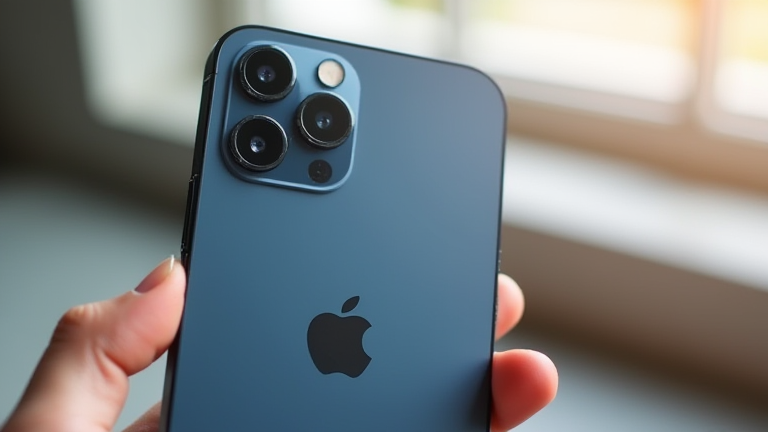
TL;DR: The iPhone 15 Pro Max remains the premier smartphone due to its unmatched A17 Pro performance and the industry-leading 48MP camera system. Its seamless integration with the Apple ecosystem and superior build quality continue to set the benchmark for flagship devices.

The smartphone landscape has evolved rapidly, yet the iPhone 15 Pro Max stands as a testament to sustained innovation. Since its release, it has not only held its ground against newer competitors but has also deepened its impact on the tech industry. The decision to adopt USB-C was a strategic masterstroke, bridging the gap between Apple’s proprietary ecosystem and universal connectivity standards. This move has streamlined the user experience, allowing for faster data transfer rates and compatibility with a wider range of accessories, thereby enhancing the device’s utility in both professional and personal settings.

If you want to dig deeper, check out our guide on Cutting Your Own Hair: A Total Game Changer.

Unrivaled Performance and Specifications

At the heart of the iPhone 15 Pro Max is the A17 Pro chip, built on a 3-nanometer process. This processor is not merely about speed; it is the first smartphone chip capable of handling console-quality gaming. The inclusion of a dedicated Neural Engine accelerates machine learning tasks, making on-device AI processing significantly faster and more power-efficient. For creators, the 48MP main camera sensor, paired with a 5x telephoto lens, offers unparalleled dynamic range and detail. The ability to shoot ProRes Log video directly to external storage makes it a viable tool for professional videography, a feat few other smartphones can match. Furthermore, the titanium frame provides a robust yet lightweight structure, ensuring durability without compromising portability.

Industry Impact and Ecosystem Dominance

The impact of the iPhone 15 Pro Max on the industry is profound. It has forced competitors to accelerate their R&D cycles, particularly in chip design and camera processing. The push for higher resolution sensors and improved video stabilization across the entire Android market can be directly attributed to Apple’s advancements. Moreover, the device’s longevity is bolstered by Apple’s software support, which typically spans five to six years. This long-term value proposition encourages user retention, creating a stable revenue stream that funds further innovation. The seamless integration with macOS, iPadOS, and watchOS ensures that the iPhone is not just a standalone device but the central hub of a cohesive digital life. As technology moves toward more AI-centric interactions, the iPhone 15 Pro Max is positioned to handle these complex tasks locally, preserving user privacy while delivering intelligent features. Its enduring relevance lies in its balanced approach to hardware excellence and software sophistication, making it the definitive choice for users who demand the best.

FAQ

Q: Is the iPhone 15 Pro Max still worth buying in 2024?
A: Yes, it remains the best overall smartphone for most users due to its top-tier performance, camera quality, and long-term software support.

Q: How does the A17 Pro chip compare to competitors?
A: It leads the market in raw power and efficiency, particularly in gaming and on-device AI processing, outperforming most rival flagships.

Q: What is the main advantage of USB-C on this model?
A: It offers universal compatibility for charging and data transfer, simplifying the accessory ecosystem and enabling faster video streaming to external displays.

Related Articles