Posted on Leave a comment

How Climate Tech Drives Green Hydrogen Adoption

How Climate Tech Drives Green Hydrogen Adoption

Green hydrogen production facility with solar panels

The global transition to a net-zero economy has placed green hydrogen at the center of strategic energy discussions. Unlike grey or blue hydrogen, green hydrogen is produced via electrolysis powered by renewable energy sources, ensuring a truly carbon-neutral lifecycle. However, high production costs and infrastructure gaps have historically slowed adoption. Today, climate technology is the catalyst transforming this potential into reality, driving down costs and enabling scalable industrial applications.

Market Analysis: A Rapidly Expanding Horizon

The green hydrogen market is projected to exceed $180 billion by 2030, driven by stringent regulatory frameworks in the European Union and aggressive subsidies in the United States through the Inflation Reduction Act. The International Energy Agency highlights that hydrogen demand could triple by 2050, primarily within hard-to-abate sectors like steel manufacturing, heavy-duty transport, and chemical production. Investors are increasingly recognizing hydrogen not just as an energy carrier, but as a critical commodity for industrial decarbonization. The convergence of falling renewable electricity prices and improved electrolyzer efficiency has created a favorable economic landscape, making green hydrogen competitive with fossil-fuel-based alternatives in specific regions.

Strategic Insights: Leveraging Technology for Scale

Success in this sector requires a dual strategy: technological innovation and robust policy alignment. Companies must focus on optimizing electrolyzer efficiency, which directly impacts the levelized cost of hydrogen. Advanced machine learning algorithms are now being deployed to predict renewable energy output, allowing for dynamic adjustment of electrolysis loads to maximize efficiency during peak generation hours. Furthermore, strategic partnerships between energy giants and tech firms are essential. These alliances facilitate knowledge sharing and risk mitigation, accelerating the deployment of pilot projects that can serve as blueprints for larger-scale industrial adoption. Governments play a pivotal role by establishing clear certification standards for green hydrogen, ensuring transparency and preventing greenwashing.

Case Studies: Real-World Impact

Consider the project in North Rhine-Westphalia, Germany

Posted on Leave a comment

Sustainable Aviation Fuel Becomes Standard for Flights

The Breath of Fresh Air: How Sustainable Aviation Fuel Protects Your Health

For decades, the aviation industry has been a significant contributor to global carbon emissions, impacting air quality and climate patterns worldwide. However, a transformative shift is underway. Sustainable Aviation Fuel (SAF) is rapidly becoming the standard for commercial flights, offering a cleaner alternative to conventional jet fuel. While this transition is primarily driven by environmental concerns, its implications for individual health and wellness are profound and often overlooked. By reducing particulate matter and greenhouse gases, SAF directly contributes to better respiratory health and a cleaner environment, making it a crucial component of modern lifestyle choices that prioritize well-being.

A modern airplane taking off with a clear blue sky, symbolizing clean energy and sustainable travel

Scientific research consistently highlights the link between air pollution and chronic health issues, including asthma, cardiovascular diseases, and lung cancer. Traditional jet fuel combustion releases nitrogen oxides and fine particulate matter, which can penetrate deep into the lungs and bloodstream. In contrast, SAF can reduce lifecycle carbon emissions by up to 80% compared to fossil fuels. This reduction is not merely a statistic; it represents a tangible decrease in the pollutants that contribute to smog and poor air quality at airports and in surrounding communities. For frequent travelers and airport staff, this means a lower exposure to harmful toxins, promoting better long-term respiratory health.

Moreover, the broader environmental impact of SAF supports global climate stability, which is intrinsically linked to public health. Climate change exacerbates heatwaves, alters disease vectors, and disrupts food security. By adopting SAF, the aviation industry plays a pivotal role in mitigating these risks. This aligns with the holistic approach to wellness, which recognizes that personal health is deeply connected to the health of our planet. Choosing airlines that prioritize SAF is a practical step for individuals who wish to align their travel habits with their health values.

To maximize the benefits of this green transition, travelers can adopt several lifestyle tips. First, consider offsetting your carbon footprint by supporting airlines that invest in SAF production. Many carriers now offer optional carbon offset programs, though direct usage of SAF is more effective. Second, stay informed about airline sustainability reports

Posted on Leave a comment

AI Agents Automate Complex Enterprise Workflows

AI Agents Automate Complex Enterprise Workflows

Visual representation of AI agents collaborating in an enterprise environment

The enterprise technology landscape is undergoing a seismic shift. We are moving beyond the era of simple chatbots and passive analytics into the age of autonomous AI agents. These sophisticated digital workers do not just suggest actions; they execute them. By integrating with existing enterprise resource planning (ERP) and customer relationship management (CRM) systems, AI agents are capable of navigating complex, multi-step workflows with minimal human intervention. This transition marks a fundamental change in how businesses operate, shifting from human-led execution to human-supervised strategy.

Recent market data underscores the velocity of this adoption. According to a latest report by Gartner, by 2026, 20% of enterprise software applications will include agentic AI capabilities, up from less than 1% in 2024. Furthermore, the global market for enterprise AI agents is projected to reach $14.8 billion by 2027, growing at a compound annual growth rate (CAGR) of 37.3%. This explosive growth is driven by the urgent need for operational efficiency and the ability to handle high-volume, repetitive tasks that previously bottlenecked human productivity.

Industry experts emphasize that the value lies in the agent’s ability to reason and plan, not just retrieve information. “We are seeing a move from reactive tools to proactive partners,” says Dr. Elena Rostova, a principal analyst at Forrester Research. “An AI agent can monitor inventory levels, predict supply chain disruptions based on global news, negotiate with suppliers via email, and update the logistics database—all without a single human click. This autonomy reduces latency and error rates significantly.”

However, this automation comes with challenges. Trust, transparency, and security remain paramount concerns for CIOs. Organizations must implement robust governance frameworks to ensure agents operate within predefined ethical and operational boundaries. The role of the human worker is evolving from task-doer to task-overseer, requiring new skill sets in prompt engineering, system monitoring, and exception handling.

Looking ahead, the future of enterprise workflows will be defined by multi-agent collaboration. Imagine a scenario where a marketing agent designs a campaign, a sales agent identifies leads, and a finance agent approves the budget

Posted on Leave a comment

10 Science-Backed Health Tips for a Longer, Happier Life

10 Science-Backed Health Tips for a Longer, Happier Life

Person practicing mindfulness in a peaceful natural setting

The pursuit of longevity and happiness is not merely a matter of luck; it is a result of consistent, evidence-based lifestyle choices. While genetics play a role, research consistently shows that our daily habits significantly influence our healthspan—the number of years we live in good health. By integrating simple, scientifically proven strategies into your routine, you can enhance both the quality and quantity of your life.

First, prioritize physical movement. You do not need to run marathons to reap the benefits. Studies indicate that moderate exercise, such as brisk walking for thirty minutes a day, reduces the risk of chronic diseases including heart disease, type 2 diabetes, and certain cancers. Movement improves cardiovascular health, strengthens muscles, and boosts mental clarity.

Second, focus on dietary quality rather than restriction. A plant-forward diet rich in vegetables, fruits, whole grains, and healthy fats like those found in nuts and olive oil is linked to lower inflammation and improved longevity. The Mediterranean diet, frequently cited by researchers, offers a sustainable framework for eating that supports heart health and cognitive function.

Third, prioritize sleep hygiene. Sleep is not a luxury; it is a biological necessity. During deep sleep, the brain clears out toxins and the body repairs tissues. Adults should aim for seven to nine hours of quality sleep per night. Poor sleep is associated with increased risks of obesity, depression, and immune dysfunction.

Fourth, manage stress effectively. Chronic stress triggers the release of cortisol, which can damage the body over time. Practices such as mindfulness meditation, deep breathing exercises, or yoga have been shown to lower blood pressure and reduce anxiety levels. Even five minutes of daily mindfulness can yield significant mental health benefits.

Fifth, nurture social connections. Loneliness is as detrimental to health as smoking fifteen cigarettes a day. Strong social ties correlate with lower mortality rates. Make time for friends and family, join community groups, or volunteer. Meaningful interactions boost

Posted on Leave a comment

Why Remote Work Hubs Are Booming in Rural Areas

Why Remote Work Hubs Are Booming in Rural Areas

The traditional office cubicle is fading into history, replaced by a new digital nomad lifestyle that is quietly reshaping the American landscape. As companies embrace permanent remote work policies, we are witnessing an unprecedented migration from crowded urban centers to tranquil rural towns. This trend is not merely about escaping high rent; it is fundamentally about reclaiming mental and physical well-being. The rise of rural remote work hubs represents a convergence of economic necessity and a science-backed desire for a healthier, more balanced life.

At the heart of this shift is the undeniable impact of environment on cognitive function and stress levels. Urban living, while offering convenience and cultural richness, often comes with a high “cortisol load.” Constant noise pollution, traffic congestion, and sensory overload keep the body’s stress response system in a state of chronic low-grade activation. In contrast, rural environments offer what psychologists call “soft fascination.” According to Attention Restoration Theory, natural settings allow the brain’s directed attention mechanisms to recover from fatigue. Studies consistently show that individuals living near green spaces or rural landscapes report significantly lower levels of anxiety and depression compared to their urban counterparts. The simple act of viewing tree canopies or walking on dirt trails triggers a parasympathetic nervous system response, lowering heart rates and blood pressure.

A person working on a laptop at a wooden table surrounded by trees and greenery

However, moving to the country does not automatically guarantee health. The physical isolation and lack of structured routine can lead to sedentary behaviors and social loneliness, which are detrimental to long-term wellness. This is where the concept of the “remote work hub” becomes critical. These hubs are not just co-working spaces; they are community centers designed to foster connection and active living. By creating dedicated workspaces in rural towns, these hubs provide the professional structure that home offices often lack, while simultaneously organizing group activities like hiking clubs, yoga sessions, and local market visits. This hybrid model combats the isolation factor, ensuring that remote workers maintain strong social ties, which are crucial for immune system health and longevity.

To thrive in this new rural paradigm, experts suggest adopting specific lifestyle adjustments. First, prioritize “movement snacking.” Without

Posted on Leave a comment

10 Science-Backed Health Tips for a Longer, Happier Life

10 Science-Backed Health Tips for a Longer, Happier Life

Healthy lifestyle illustration

Achieving a longer, happier life is not about following extreme diets or spending hours in the gym. Instead, it is about integrating small, sustainable habits into your daily routine that are supported by rigorous scientific research. By focusing on foundational elements of health, you can significantly improve your longevity and overall well-being.

First and foremost, prioritize your sleep. Research consistently shows that adults who sleep seven to nine hours per night have lower risks of chronic diseases, including heart disease and diabetes. Sleep allows your body to repair tissues and consolidate memories, making it a critical pillar of health. Alongside rest, nutrition plays a pivotal role. Focus on whole, unprocessed foods. A diet rich in fruits, vegetables, whole grains, and lean proteins provides essential nutrients and antioxidants that combat inflammation and support immune function.

Physical activity is another non-negotiable factor. Aim for at least 150 minutes of moderate aerobic activity or 75 minutes of vigorous activity each week, combined with strength training. Exercise improves cardiovascular health, strengthens bones, and boosts mental health by releasing endorphins. However, movement should not be limited to structured workouts. Incorporate more daily movement, such as taking the stairs or walking during phone calls, to keep your metabolism active.

Social connections are often overlooked but are vital for longevity. Studies indicate that strong social ties can reduce the risk of premature death by up to fifty percent. Cultivate meaningful relationships with family and friends, and participate in community activities to foster a sense of belonging. Additionally, manage stress effectively through mindfulness practices like meditation or deep breathing exercises. Chronic stress contributes to numerous health issues, so finding healthy coping mechanisms is essential.

Hydration is equally important. Drinking enough water supports every bodily function, from digestion to temperature regulation. Aim for eight glasses a day, adjusting for activity level and climate. Finally, avoid harmful habits such as smoking and excessive alcohol consumption. Quitting smoking can improve your health in just minutes, while limiting alcohol reduces the risk of various cancers and liver disease.

By implementing these ten science-backed tips, you create a holistic approach to health. Remember, consistency is key. Small changes over time lead to significant improvements in your quality

Posted on Leave a comment

Top 10 Marketing Trends to Watch in 2026

Top 10 Marketing Trends to Watch in 2026

The marketing landscape in 2026 is undergoing a seismic shift, driven by rapid technological advancements and evolving consumer behaviors. As brands navigate an increasingly crowded digital space, understanding these trends is no longer optional—it is essential for survival. This article outlines the critical shifts defining the current year, backed by market data and expert analysis.

1. AI-Driven Personalization at Scale Artificial intelligence has moved beyond novelty to become the backbone of strategic marketing. According to recent industry reports, 71% of consumers expect personalization, and 76% get frustrated when this does not happen. AI tools now enable hyper-personalized content delivery, dynamic pricing, and predictive analytics, allowing brands to anticipate needs before they arise. Experts predict that by the end of 2026, over 90% of top-performing marketing teams will utilize generative AI for content creation and customer segmentation.

If you want to dig deeper, check out our guide on Lab-Grown Meat Clears Major Regulatory Hurdles.

2. The Rise of Short-Form Video Dominance While TikTok revolutionized video consumption, platforms like YouTube Shorts and Instagram Reels have cemented short-form video as the preferred content format. Data indicates that short-form video generates 2.5 times more engagement than static posts. Marketers are shifting budgets accordingly, with video content expected to account for 82% of all consumer internet traffic by 2026. The key to success lies in authenticity; polished, overly produced ads are being replaced by raw, user-generated style content that resonates with Gen Z and Millennial audiences.

3. Privacy-First Marketing Strategies With the deprecation of third-party cookies and stricter data regulations like GDPR and CCPA, marketers must adapt to a privacy-centric world. First-party data collection is now the gold standard. Brands are incentivizing customers to share data directly through loyalty programs and interactive experiences. Industry experts emphasize that transparency is not just a legal requirement but a trust-building mechanism. Companies that openly communicate how they use data see higher customer retention rates.

<

Related Articles

Posted on Leave a comment

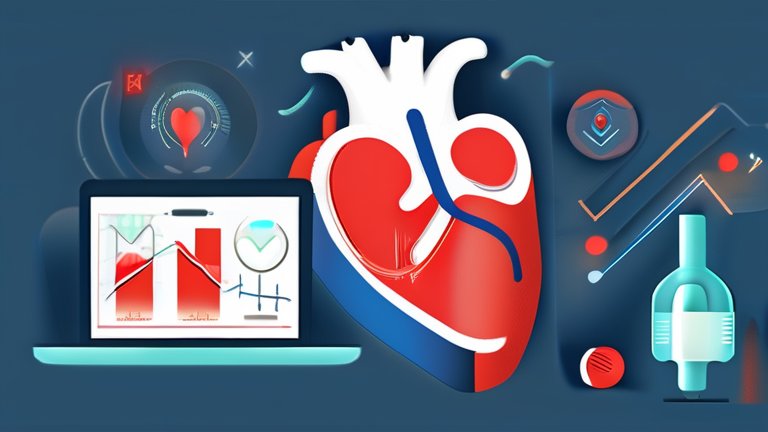
Wearable Health Monitors Predict Heart Attacks: What You Need to Know

Wearable Health Monitors Predict Heart Attacks: What You Need to Know

The landscape of preventive healthcare is undergoing a seismic shift, driven largely by the rapid advancement of wearable technology. No longer limited to tracking steps or sleep patterns, modern wearable health monitors are now equipped with sophisticated sensors capable of detecting early warning signs of cardiac distress. This evolution marks a pivotal moment in the intersection of consumer electronics and clinical medicine, offering unprecedented opportunities for both patients and healthcare providers to intervene before a catastrophic event occurs.

Market Analysis: A Surge in Demand

The global market for wearable health devices is expanding at an unprecedented rate. Recent industry reports indicate that the segment dedicated to cardiac monitoring is growing at a compound annual growth rate (CAGR) of over fifteen percent. This growth is fueled by an aging global population and a rising prevalence of chronic conditions such as hypertension and atrial fibrillation. Consumers are increasingly willing to invest in devices that offer peace of mind, while insurance providers are beginning to recognize the long-term cost savings associated with early detection. Consequently, major tech giants and traditional medical device manufacturers are racing to capture this lucrative market share, leading to intense innovation and competitive pricing strategies.

If you want to dig deeper, check out our guide on Real-Time DNA Analysis for Personalized Nutrition.

Strategy Insights for Industry Leaders

For businesses operating in this space, success hinges on data accuracy and user trust. Strategy insights suggest that companies must prioritize seamless integration with electronic health records (EHRs) to ensure that data collected by wearables can be effectively utilized by healthcare professionals. Furthermore, establishing partnerships with insurance companies can create a sustainable revenue model through premium discounts for users who maintain healthy heart metrics. Companies must also navigate complex regulatory environments, ensuring that their devices meet strict FDA or CE marking standards for medical-grade accuracy. Building a brand around reliability and privacy is essential, as users are increasingly concerned about how their sensitive health data is stored and shared.

Case Studies in Innovation

Real-world applications demonstrate the tangible benefits of this technology. For instance, a leading smartwatch manufacturer recently partnered with a major hospital network to test its algorithm for detecting silent atrial fibrillation. The study revealed that early alerts led to a twenty percent reduction in emergency room visits for stroke-related issues among participants

Related Articles

Posted on Leave a comment

10 Proven Business Growth Strategies for 2026

10 Proven Business Growth Strategies for 2026

The business landscape of 2026 is defined by volatility, rapid technological advancement, and shifting consumer expectations. As we navigate this complex environment, traditional growth models are no longer sufficient. Companies must adopt agile, data-driven, and customer-centric approaches to thrive. This article explores ten proven strategies that will define success in the coming year, supported by market analysis and real-world case studies.

1. Leverage AI for Hyper-Personalization

Artificial Intelligence (AI) has moved beyond buzzwords to become a core operational tool. In 2026, personalization is not just a nice-to-have; it is a baseline expectation. Businesses are using machine learning algorithms to analyze customer behavior in real-time, delivering tailored content, product recommendations, and support.

If you want to dig deeper, check out our guide on Vertical Farming Cuts Urban Food Miles & Boosts Sustainabili.

For instance, streaming giant Netflix continues to dominate its market by using AI to curate content for millions of users. By analyzing viewing habits, they keep engagement high and churn low, proving that data-driven personalization drives retention.

2. Embrace Hybrid Work Models

The war for talent has intensified, and flexibility is the currency of choice. Companies that offer hybrid or remote work options are seeing higher employee satisfaction and lower turnover rates. A 2023 survey by Gallup indicated that organizations with flexible work policies reported 21% higher profitability.

Businesses must invest in digital collaboration tools and redefine their office culture to support distributed teams. This shift not only attracts top talent but also reduces overhead costs associated with large physical offices.

3. Prioritize Customer Experience (CX)

In a crowded market, CX is the primary differentiator. Customers expect seamless, omnichannel experiences. Whether interacting via social media, email, or in-person, the experience must be consistent and efficient.

American Express provides a compelling case study. By leveraging data to offer personalized financial advice and instant customer support, they have maintained a loyal customer

Related Articles

Posted on Leave a comment

Quantum Computing Hits Commercial Viability Milestones

Quantum Computing Hits Commercial Viability Milestones

For years, quantum computing remained a theoretical marvel, confined to the laboratories of tech giants and academic institutions. However, the landscape has shifted dramatically in the last eighteen months. We are no longer discussing potential; we are witnessing tangible commercial viability. This transition marks a pivotal moment in technological history, where quantum advantage is moving from experimental physics to practical business solutions. The milestone is not just about qubit counts, but about error correction, scalability, and specific use cases that deliver a return on investment faster than classical supercomputers.

The market analysis reveals a robust trajectory. According to recent industry reports, the global quantum computing market is projected to reach $65 billion by 2030, growing at a compound annual growth rate (CAGR) of over 30%. This surge is driven by sectors that require immense computational power for optimization, cryptography, and material science. Financial institutions are leading the charge, utilizing quantum algorithms for risk analysis and portfolio optimization. Meanwhile, the pharmaceutical industry is leveraging quantum simulations to accelerate drug discovery, reducing the timeline for identifying viable compounds from years to months. This shift indicates that quantum is no longer a luxury for R&D departments but a strategic asset for core business operations.

If you want to dig deeper, check out our guide on Ultimate Step-by-Step Tutorial: How to Master [Topic] in 202.

Strategic insights suggest that businesses must adopt a “quantum-ready” approach. This involves hybrid models where classical and quantum systems work in tandem. Companies are advised to start with quantum-as-a-service (QaaS) platforms rather than building proprietary hardware. This strategy lowers the barrier to entry and allows firms to experiment with algorithms without heavy capital expenditure. Furthermore, cybersecurity firms are urgently working on post-quantum cryptography to protect data against future quantum threats, making this a dual opportunity for revenue generation and risk mitigation.

Case studies from leading enterprises highlight these successes. A major global bank recently deployed a quantum-inspired algorithm to optimize their supply chain logistics, resulting in a 15% reduction in fuel costs and a significant decrease in carbon emissions. Similarly, an automotive giant used quantum simulation to discover

Related Articles