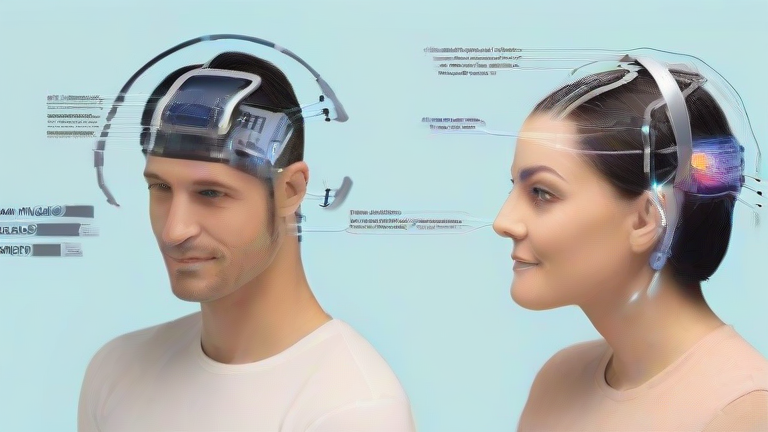
Brain-Computer Interfaces Hit Consumer Market: The Neurotech Boom
The landscape of personal technology is undergoing a seismic shift. No longer confined to laboratories and military applications, Brain-Computer Interfaces (BCIs) are finally entering the consumer market. This “neurotech boom” promises to revolutionize how we interact with digital devices, manage health, and enhance cognitive functions. However, navigating this new frontier requires caution, preparation, and a clear understanding of the technology. This guide will walk you through the essential steps to safely and effectively integrate a consumer-grade BCI into your daily life.

Step 1: Research and Select the Right Device
The first and most critical step is choosing the correct hardware. Unlike traditional wearables, BCIs vary significantly in technology type, primarily falling into two categories: non-invasive EEG (Electroencephalography) headsets and emerging transcranial magnetic stimulation devices. For most consumers, non-invasive EEG headsets are the safest and most accessible entry point. Look for devices that prioritize data privacy, offer robust SDKs (Software Development Kits) for developers, and have a strong community support base. Read reviews specifically focusing on signal quality and ease of setup. Avoid devices with vague medical claims or those lacking transparent data handling policies.
If you want to dig deeper, check out our guide on 10 Tech Trends That Will Define 2024.
Step 2: Setup and Calibration
Once you have your device, proper setup is paramount. Unlike a smartwatch, a BCI requires a precise fit to capture accurate neural signals. Follow the manufacturer’s instructions meticulously regarding electrode placement. Most consumer devices use dry electrodes, which are easier to use but still require good skin contact. Clean your forehead and temples with alcohol wipes before wearing the headset to remove oils and sweat. During the initial calibration phase, you will likely be asked to perform specific mental tasks, such as focusing on a visual target or relaxing completely. Do not rush this process; accurate calibration ensures that your brainwaves are interpreted correctly by the accompanying software. Spend at least 15–20 minutes on this initial setup to establish a reliable baseline.