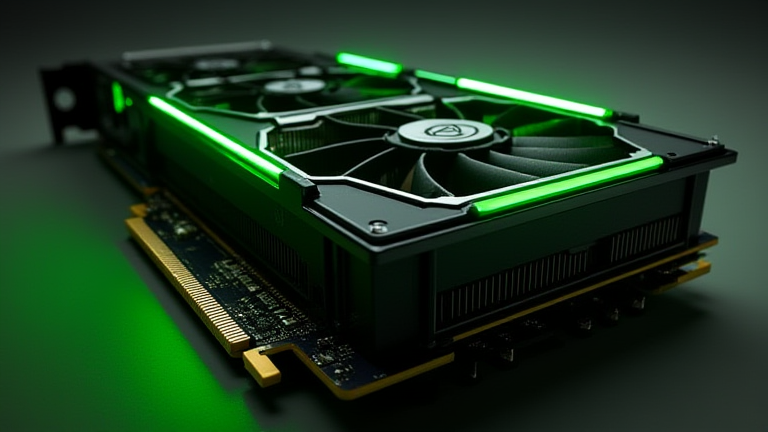
TL;DR: NVIDIA’s A100 GPUs remain highly profitable because they serve as the critical backbone for enterprise AI training and high-performance computing clusters that require massive memory bandwidth and reliability. Their dominance in the data center sector, combined with the scarcity of newer supply and the long lifecycle of enterprise hardware, ensures sustained high demand and pricing power.
The Enduring Legacy of Silicon
In the fast-paced world of technology, obsolescence is usually measured in months, not years. Yet, the NVIDIA A100 Tensor Core GPU, launched in 2020, continues to punch well above its weight class. While consumer graphics cards are often replaced with every new gaming season, the enterprise silicon market operates on a different timeline. For data centers, reliability and performance consistency outweigh the allure of the latest shiny release. The A100 was designed with NVLink and high-bandwidth memory (HBM2e) specifically to handle the crushing weight of large language models and complex simulations. This architectural foresight has paid dividends, keeping these six-year-old chips in high demand for AI inference and training workloads.
A Journey Through the Data Center
Visiting a major cloud provider’s facility is less like touring a library and more like entering a cathedral of computation. The hum of cooling fans is the chorus, and the blinking lights are the prayers of developers worldwide. Here, the A100s sit not as relics, but as workhorses. They are the unsung heroes powering everything from personalized medicine research to real-time financial modeling. The culture of the data center is one of precision and patience. Engineers do not swap out working hardware for marginal gains; they optimize what they have. This mindset preserves the value of the A100. It is a testament to the idea that good engineering has a long shelf life, especially when the workload demands it.
Cultivating Patience in Tech
For developers and tech leaders, the persistence of the A100 offers a lesson in personal growth and strategic thinking. It teaches us to value depth over breadth. In a world obsessed with the new, there is immense power in mastering the established. By sticking with a robust platform, teams avoid the downtime and integration costs associated with constant migration. This approach mirrors a minimalist lifestyle: owning fewer, better tools that serve multiple purposes over a long period. The financial success of the A100 is not just a corporate win; it is a validation of sustainable technological practices. It proves that quality, when aligned with market need, transcends age.
FAQ
Q: Why are older enterprise GPUs like the A100 still in demand?
A: They offer proven stability, high memory bandwidth, and are essential for running existing large-scale AI models that require significant computational resources without the risk of new hardware bugs.
If you want to dig deeper, check out our guide on New RD Mod Series: Understanding the Latest Upgrades.
Q: How does the A100 compare to newer GPUs in terms of price?
A: While newer models offer better raw performance, the A100 often provides a better price-to-performance ratio for specific inference tasks, making it a cost-effective choice for many enterprises.
Q: Is the supply of A100 GPUs limited?
A: Yes, production has slowed as NVIDIA focuses on newer architectures like the H100, creating a scarcity that keeps secondary market prices and leasing rates for A100s relatively high.