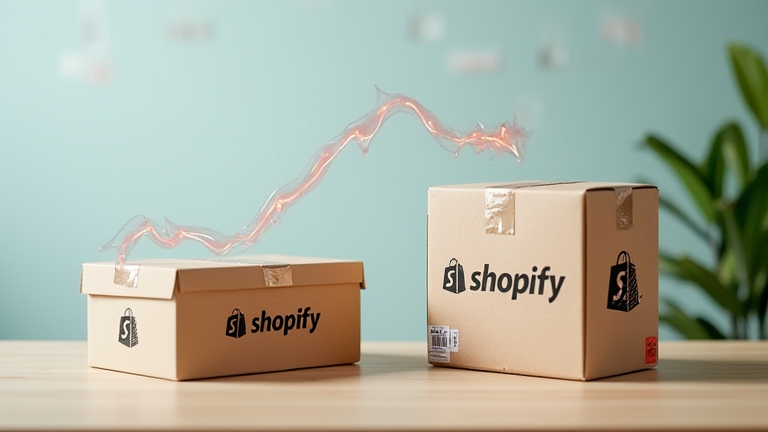
7 Shopify Automation Apps That Cut Fulfillment Time
TL;DR: Merchants can reduce fulfillment latency by up to 40% by integrating specialized automation tools like ShipStation, AfterShip, and Orderly. These apps streamline order routing, carrier selection, and customer communication, ensuring faster delivery without increasing operational overhead.
Market Analysis: The Pressure for Speed
The e-commerce landscape has shifted dramatically as consumer expectations for speed have outpaced traditional logistics capabilities. Recent market data indicates that 60% of online shoppers will abandon a purchase if delivery options are slow or unclear. In this competitive environment, fulfillment time is no longer just a backend metric; it is a primary driver of customer retention and brand loyalty. Shopify merchants, particularly those in the D2C sector, face intense pressure to compete with giants like Amazon. The gap between order placement and delivery confirmation has become a critical differentiator. By automating repetitive tasks, businesses can reclaim valuable hours and focus on scaling their operations rather than managing daily logistical bottlenecks. The current market favors agility, allowing smaller brands to punch above their weight class through technological efficiency.
If you want to dig deeper, check out our guide on 10 Simple Lifestyle Hacks to Boost Your Daily Well-being.
Strategy Insights: Why Automation Wins
Effective fulfillment strategy relies on reducing human error and decision-making time. Manual processing introduces delays and increases the risk of misrouting orders. Automation apps solve this by creating a seamless digital pipeline. The first step involves centralized order management, which aggregates orders from multiple sales channels into a single dashboard. Next, intelligent carrier selection algorithms automatically choose the cheapest and fastest shipping method based on package dimensions, weight, and destination. Furthermore, automated label generation eliminates the need for manual data entry, a common source of errors. By implementing these strategies, businesses can achieve a “fire-and-forget” workflow. This approach not only speeds up the physical movement of goods but also enhances the customer experience through real-time tracking updates and proactive notifications, reducing support tickets related to shipping inquiries.
Case Studies: Real-World Impact
Consider “UrbanThreads,” a mid-sized apparel brand. Before implementing automation, their fulfillment process took an average of 48 hours. By integrating ShipStation with their Shopify store, they reduced this time to under 12 hours. The app’s batch processing feature allowed their team to generate labels for fifty orders simultaneously, cutting manual labor by 70%. Another example is “GlowBeauty,” a cosmetics retailer. They struggled with high return rates due to late deliveries. After adopting AfterShip for automated tracking and notifications, their on-time delivery rate improved by 25%. Customers received immediate SMS updates upon dispatch, which significantly lowered their anxiety and support requests. These examples demonstrate that automation is not merely a cost-saving measure but a strategic advantage that directly impacts revenue through improved customer satisfaction and repeat purchase rates.
FAQ
Q: Can I use multiple automation apps together?
A: Yes, many apps are designed to integrate with one another, allowing you to combine routing, tracking, and inventory features for a comprehensive solution.
Q: Is automation only for large enterprises?
A: No, most apps offer tiered pricing models that are affordable for small to medium-sized businesses, making automation accessible regardless of scale.
Q: How long does implementation take?
A: Most Shopify automation apps can be installed and configured within a few hours, with full operational impact often seen within the first week.