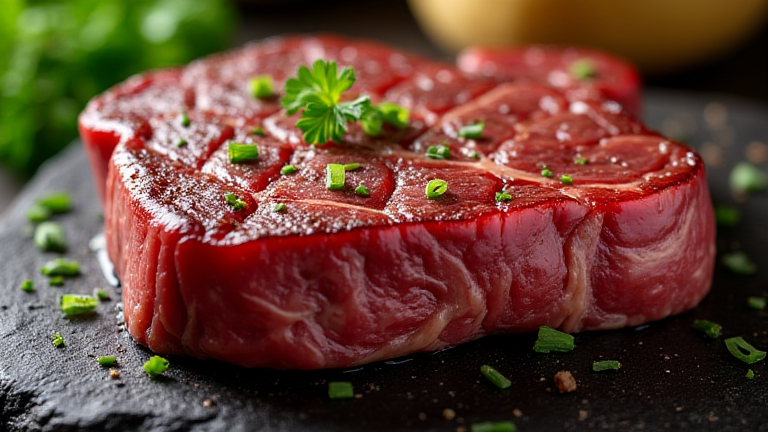
Steak Doneness: Rare vs Well-Done Nutritional Differences
TL;DR: Rare steaks retain more water-soluble B vitamins and creatine, while well-done steaks contain significantly higher levels of heterocyclic amines (HCAs) due to high-heat cooking. The calorie and protein content remain nearly identical regardless of doneness.
Understanding the Nutritional Landscape
When choosing between rare and well-done steak, the primary nutritional divergence lies in micronutrient retention and the formation of potentially harmful compounds. High-heat cooking methods, such as grilling or pan-searing, cause chemical reactions between amino acids, sugars, and creatine. These reactions generate heterocyclic amines (HCAs) and polycyclic aromatic hydrocarbons (PAHs), which are linked to increased cancer risk in epidemiological studies. A rare steak, cooked to an internal temperature of 125–135°F (52–57°C), minimizes the time and heat exposure that drive these chemical changes. Conversely, a well-done steak, cooked to 165°F (74°C) or higher, maximizes the formation of these compounds. However, both preparations offer high-quality protein, iron, zinc, and B12. The protein structure denatures fully in both cases, so the macronutrient profile—calories, fat, and protein grams—remains effectively unchanged. The main difference is the bioavailability of certain vitamins and the presence of byproducts created by excessive heat.
If you want to dig deeper, check out our guide on Top 10 Daily Habits for Better Health and Longevity.
Step-by-Step Guide to Optimizing Nutritional Value
To make the best nutritional choice, follow these steps to prepare your steak. First, select a cut with minimal marbling if you are aiming for lower calorie density, though fat does not change the HCA formation rate significantly. Second, choose your heat source carefully. Gas grills and charcoal produce more smoke and PAHs than electric or infrared grills. Third, manage your cooking time. For a rare steak, sear briefly on high heat to create a crust, then move to indirect heat or a cooler part of the grill to finish gently. This reduces the duration of direct high-heat exposure. For those who prefer well-done, consider marinating the steak. Research suggests that marinades containing vinegar, citrus juice, or herbs like rosemary can inhibit HCA formation by up to 40%. Fourth, avoid charring the meat. Blackened areas contain the highest concentration of PAHs. If you see black spots, scrape them off before eating. Fifth, rest your meat. Letting the steak rest for five to ten minutes allows juices to redistribute and temperatures to stabilize, ensuring even doneness without needing to overcook the exterior to achieve the desired internal temperature.
Practical Tips for Healthier Cooking
Always use a digital meat thermometer to ensure accuracy. Guessing doneness often leads to overcooking, which unnecessarily increases HCA levels. Trim visible fat before cooking to reduce flare-ups, which are a primary source of PAHs. If using a gas grill, keep the lid closed to allow for more even, radiant heat rather than direct flame impingement. Finally, balance your meal. Pair your steak with antioxidant-rich vegetables like asparagus or bell peppers. The antioxidants in these vegetables may help neutralize some of the oxidative stress caused by HCAs, creating a more balanced nutritional profile for the entire meal.
FAQ
Q: Does a rare steak have less protein than a well-done one?
A: No, the protein content is virtually identical; the difference lies in micronutrient retention and the presence of cooking byproducts.
Q: Can I reduce HCAs in a well-done steak?
A: Yes, marinating with acidic or herb-based solutions and avoiding charring can significantly reduce HCA formation.
Q: Is it safe to eat rare steak every day?
A: It is generally safe for healthy individuals if the meat is fresh and handled properly, but variety in protein sources is recommended for long-term health.Related Articles