Posted on Leave a comment

Top 10 Tech Trends You Can’t Ignore in 2026

Top 10 Tech Trends You Can’t Ignore in 2026

The technological landscape of 2026 is defined by a convergence of artificial intelligence, sustainable hardware, and immersive connectivity. As we navigate through the year, it becomes increasingly clear that the speed of innovation is not slowing down; rather, it is accelerating into critical areas that will redefine how we work, live, and interact. From the integration of generative AI into everyday operating systems to the rise of quantum computing prototypes, the following trends represent the most significant shifts in the industry this year.

Generative AI Goes Mainstream

Artificial Intelligence has moved beyond experimental phases into practical, widespread application. In 2026, generative AI is embedded in productivity suites, creative tools, and customer service platforms. The latest developments focus on multimodal models that can process text, images, audio, and video simultaneously. This shift allows for more intuitive human-computer interactions, reducing the friction between user intent and digital execution. Companies are leveraging these models to automate complex workflows, resulting in significant efficiency gains across sectors like healthcare, finance, and manufacturing.

If you want to dig deeper, check out our guide on 10 Simple Lifestyle Habits to Boost Your Daily Happiness.

The Rise of Edge Computing

As IoT devices multiply, the latency associated with cloud processing has become a bottleneck. Edge computing addresses this by processing data closer to the source. In 2026, we are seeing a surge in edge-ready chips designed for low power consumption and high performance. This trend is crucial for autonomous vehicles and smart cities, where real-time decision-making is a matter of safety. The industry impact is profound, reducing bandwidth costs and enhancing privacy by keeping sensitive data local rather than transmitting it to central servers.

Quantum Computing Milestones

While still in its early stages, quantum computing has achieved notable stability milestones. Major tech giants and startups alike are refining qubit coherence times, bringing us closer to practical applications. The primary focus in 2026 is on cryptography and drug discovery. Although full-scale universal quantum computers are not yet commercially viable, specialized quantum processors are already being used to solve specific optimization problems that are intract

Related Articles

Posted on Leave a comment

How Autonomous Delivery Drones Are Expanding City Coverage

How Autonomous Delivery Drones Are Expanding City Coverage

The hum of a small electric rotor is no longer the sound of a futuristic dream; it is the new soundtrack of modern urban life. For years, city dwellers have watched the skyline with a mixture of awe and anxiety, wondering if the skies were destined for chaos. Today, that narrative is shifting. Autonomous delivery drones are not just zooming overhead; they are weaving a invisible net of connectivity that is fundamentally altering how we access food, culture, and essential services within our metropolitan hubs. This technological leap is less about logistics and more about reclaiming our time and redefining our relationship with the city around us.

A sleek autonomous drone hovering above a busy city street carrying a small package

Consider the impact on our daily culinary journeys. Imagine craving a specific artisanal bread from a bakery three miles away, tucked away in a historic district that is notoriously difficult to navigate during rush hour. Previously, this meant fighting traffic or waiting for a delivery service that often adds an hour to the estimated time. Now, a drone can bypass the gridlock entirely, descending gently onto a designated landing pad on your balcony or a secure locker in your building’s lobby. This is not just convenience; it is a liberation from the constraints of geography. Food becomes a dynamic part of our cultural landscape, accessible regardless of traffic patterns or weather conditions that ground traditional vehicles.

If you want to dig deeper, check out our guide on Metaverse Enterprise Spaces Gain Traction: The Future of Wor.

Furthermore, this expansion of coverage fosters a deeper sense of personal growth and community connection. When delivery times shrink from hours to minutes, the mental load of “waiting” dissipates. We are free to engage in hobbies, read, or simply enjoy the moment. Moreover, these drones often serve remote or underserved neighborhoods first, ensuring that the benefits of innovation are distributed more equitably. This democratization of access means that a person in a dense apartment complex has the same opportunity to explore niche markets and local artisans as someone in a suburban home. It bridges the gap between the rural and the urban, the isolated and the connected.

As we look toward the future, the integration of these aerial couriers will likely expand to include medical supplies, emergency aid, and even cultural artifacts for local museums. The sky is no longer the limit; it is

Related Articles

Posted on Leave a comment

Async-First: How Remote Work Policies Are Shifting

Async-First: How Remote Work Policies Are Shifting

The traditional nine-to-five office model is rapidly becoming a relic of the past. As organizations navigate the post-pandemic landscape, a significant transformation is underway, moving away from synchronous, real-time collaboration toward an asynchronous-first approach. This shift is not merely a logistical adjustment but a fundamental rethinking of how work gets done, driven by the need for deeper focus, global talent acquisition, and improved employee well-being. Market analysis indicates that companies adopting async-first policies are seeing a measurable increase in productivity and a decrease in employee burnout. According to recent industry reports, over sixty percent of fully remote companies have implemented strict “no-meeting” blocks to protect deep work time, signaling a broader cultural acceptance of non-immediate communication.

Strategic Insights for Leadership

Transitioning to an asynchronous model requires more than just installing Slack or Notion; it demands a complete overhaul of communication protocols. Leaders must prioritize documentation over discussion. The core strategy involves creating a single source of truth for information, ensuring that decisions, project updates, and feedback are recorded and accessible to all team members regardless of their timezone. This reduces the cognitive load of constant context-switching and allows employees to engage with work during their peak energy hours. Furthermore, managers must shift from monitoring presence to measuring output. This outcome-based management style fosters trust and autonomy, key components of a healthy remote culture. It is essential to establish clear expectations regarding response times, distinguishing between urgent matters that require immediate attention and general inquiries that can wait. By decoupling work from specific hours, businesses can tap into a global talent pool, accessing diverse perspectives and skills that were previously geographically restricted.

Case Studies in Success

Consider the experience of GitLab, a pioneer in remote work. With over seven thousand employees across more than sixty countries, GitLab relies heavily on its public handbook and asynchronous communication tools. They have eliminated status meetings entirely, replacing them with detailed written updates that allow colleagues to digest information at their own pace. This approach has enabled them to scale efficiently without the bloat often associated with rapid growth. Another notable example is Zapier, which achieved a forty percent reduction in internal email

Related Articles

Posted on Leave a comment

Why Digital Detox Retreats Are Surging in Popularity

Why Digital Detox Retreats Are Surging in Popularity

In an era defined by perpetual connectivity, the constant ping of notifications and the glow of screens have become inescapable companions. However, a significant cultural shift is underway. Digital detox retreats are no longer niche luxury experiences; they are rapidly becoming mainstream necessities for mental preservation. This surge in popularity is not merely a trend but a response to the growing body of scientific evidence linking digital overload to heightened anxiety, sleep deprivation, and cognitive fatigue.

Modern life has blurred the boundaries between work and rest. The brain, evolved for survival rather than information processing, struggles to handle the sheer volume of data we consume daily. Research indicates that excessive screen time disrupts the production of melatonin, the hormone responsible for regulating sleep-wake cycles. Consequently, many individuals find themselves in a state of chronic low-grade stress, often unaware of its physiological toll. Digital detox retreats offer a structured environment to break this cycle, allowing the nervous system to downregulate from a sympathetic “fight or flight” state to a parasympathetic “rest and digest” mode.

Beyond the immediate relief of disconnecting, these retreats provide a unique opportunity to reclaim attention. Attention is a finite resource, and digital fragmentation dilutes our ability to focus deeply. By stepping away from devices, participants often report improved concentration, enhanced creativity, and deeper interpersonal connections. The absence of social media validation loops allows individuals to reconnect with their intrinsic sense of self-worth, rather than measuring it through likes and comments.

To integrate the benefits of a digital detox into daily life, experts recommend starting small. Begin by establishing “tech-free zones” in your home, such as the bedroom or dining table. This simple boundary can significantly improve sleep quality and foster more meaningful face-to-face interactions. Additionally, practice the “20-20-20 rule” to reduce eye strain: every 20 minutes, look at something 20 feet away for 20 seconds.

Furthermore, consider scheduling regular “digital sabbaths.” Dedicate one day a week to offline activities, whether it be hiking,

Related Articles

Posted on Leave a comment

Autonomous Delivery Drones Go Mainstream: The Future of Logistics

Autonomous Delivery Drones Go Mainstream: The Future of Logistics

The sky is no longer the limit for logistics; it is the new highway. For decades, the concept of package delivery via unmanned aerial vehicles remained a staple of science fiction, often relegated to novelty demos or experimental pilots. However, as we move deeper into the 2020s, autonomous delivery drones are rapidly transitioning from experimental prototypes to mainstream commercial reality. This shift represents a fundamental restructuring of last-mile delivery, promising unprecedented speed, reduced carbon footprints, and significant cost efficiencies for retailers and consumers alike.

If you want to dig deeper, check out our guide on Mental Health Apps Integrate with Wearables for Better Welln.

Market analysis indicates that this transition is accelerating at an unprecedented pace. According to recent data from market research firms, the global market for delivery drones is projected to grow at a Compound Annual Growth Rate (CAGR) of over 25% through 2030. This surge is driven by the relentless demand for instant gratification in e-commerce and the increasing pressure on traditional ground-based logistics networks, which are struggling with labor shortages and rising fuel costs. In urban environments, where traffic congestion often delays deliveries by hours, drones offer a direct, point-to-point solution that bypasses road infrastructure entirely. Major logistics giants and tech companies have already begun securing regulatory approvals in key markets, including the United States, Europe, and parts of Asia, signaling a green light for broader commercial operations.

Expert Insights on Operational Viability

Industry experts emphasize that the viability of this technology hinges not just on hardware innovation, but on regulatory frameworks and public acceptance. Dr. Elena Ross, a leading analyst in supply chain technology, notes, “The technology is mature, but the ecosystem is still being built. Success depends on integrating drone fleets with existing warehouse management systems and ensuring seamless handoffs to human couriers for items that require signature confirmation or complex handling.”

Furthermore, safety remains the paramount concern. Recent trials have demonstrated advanced obstacle avoidance systems, real-time weather monitoring, and redundant power sources that ensure safe landings even in adverse conditions.

Related Articles

Posted on Leave a comment

Metaverse Real Estate Crashes in Value: What Happened?

Metaverse Real Estate Crashes in Value: What Happened?

In the height of the digital land rush, buying a virtual plot of land in Decentraland or The Sandbox was seen as the next great financial frontier. Promises of endless engagement, social hubs, and speculative gains drove prices to astronomical heights. However, the recent market correction has served as a harsh wake-up call for investors who poured millions into pixels. This article explores the sudden decline in metaverse real estate values, analyzing the key features that failed to sustain interest and comparing the current landscape to previous boom cycles.

Feature Highlights: The Hype vs. Reality

When metaverse platforms first launched, they marketed specific features that promised to revolutionize digital ownership. The most prominent highlight was the concept of “land utility.” Investors were told that their virtual plots would serve as galleries for NFT art, venues for virtual concerts, or locations for brand advertisements. Early adopters purchased these assets with the expectation that high-traffic events would drive up rental yields and resale values. Additionally, the promise of interoperability—the ability to move assets between different virtual worlds—was a major selling point. Buyers believed that owning land in one ecosystem would grant them access to a broader, interconnected digital economy.

Graph showing the sharp decline in metaverse land prices over the last two years

Despite these attractive features, the reality has fallen short. User engagement metrics have plummeted, with daily active users in major metaverse platforms dropping significantly from their peaks. The “utility” of the land has proven difficult to monetize, as few brands have committed to long-term virtual storefronts. Without consistent foot traffic, the rental income models collapsed, leaving landowners with assets that have little to no cash flow. Furthermore, the promised interoperability remains largely theoretical, as most platforms operate in silos, limiting the perceived value of cross-platform ownership.

Comparing the Crash to Previous Tech Bubbles

The current crash in metaverse real estate bears striking similarities to the dot-com bubble of the late 1990s. Back then, investors bought into companies with

Posted on Leave a comment

Sustainable Fashion Upcycling Goes Mainstream

Sustainable Fashion Upcycling Goes Mainstream

The fashion industry stands as one of the most significant contributors to global pollution, responsible for vast amounts of water waste and carbon emissions. However, a transformative shift is underway. Upcycling, once the domain of niche hobbyists, has surged into the mainstream consciousness, driven by a growing demographic that prioritizes environmental stewardship alongside personal style. This movement is not merely about aesthetics; it is a profound act of self-care and mental well-being that aligns with holistic health principles.

Engaging in upcycling offers tangible psychological benefits. The process of transforming discarded garments into unique pieces fosters a sense of agency and creativity. Studies in environmental psychology suggest that participating in sustainable practices reduces eco-anxiety, providing individuals with a constructive outlet for their concerns regarding climate change. When you repair or reimagine an old sweater, you are actively combating the disposable culture that often leads to feelings of helplessness. This creative engagement triggers the brain’s reward system, releasing dopamine and enhancing overall mood.

To begin your upcycling journey, start with intention rather than impulse. Assess your current wardrobe for items that no longer serve you but are made of high-quality materials. A simple t-shirt can become a stylish tote bag, while oversized jeans can be tailored into chic shorts. Essential tools include sharp fabric scissors, a sewing machine, or basic hand-sewing kits. For those intimidated by sewing, no-sew methods using fabric glue or iron-on patches are excellent entry points.

Safety is paramount when working with textiles. Ensure your workspace is well-ventilated, especially when using adhesives or dyes. Wear protective eyewear when cutting and use thimbles to prevent needle pricks. Additionally, always test cleaning agents on a small, inconspicuous area of the fabric to prevent damage or discoloration.

Incorporate upcycling into your weekly routine as a mindful practice. Dedicate two hours on a Sunday afternoon to work on a project while listening to a podcast or relaxing music. This transforms a chore into a meditative experience, reducing stress and promoting mindfulness. Share your creations on social media to inspire others, building a community around sustainable living.

Ultimately, sustainable fashion upc

Related Articles

Posted on Leave a comment

Real-Time Gut Microbiome: Personalized Nutrition Plans

Real-Time Gut Microbiome: Personalized Nutrition Plans

The human gut is often described as a second brain, but recent advancements in biotechnology suggest it is more like a dynamic, real-time dashboard of our overall health. For decades, nutrition advice was generalized, suggesting that one size fits all. However, the emerging field of microbiome science reveals that our individual gut ecosystems are as unique as our fingerprints. This realization is driving a revolution in personalized nutrition, moving us away from generic diet trends toward data-driven, real-time dietary interventions.

Understanding the Dynamic Ecosystem

Your gut microbiome consists of trillions of bacteria, viruses, and fungi that influence everything from digestion to immune function and mental health. Unlike static DNA, the composition of these microbes changes rapidly in response to what you eat, how you sleep, and your stress levels. Traditional blood tests or annual check-ups provide a snapshot of your health at a single moment in time. In contrast, real-time microbiome monitoring offers a continuous stream of data, allowing for immediate adjustments to your lifestyle.

The Science Behind Personalization

Science-backed advice now emphasizes the importance of microbial diversity. Research indicates that a diverse microbiome is resilient and better equipped to handle pathogens and inflammation. Personalized nutrition plans leverage this by analyzing specific bacterial strains and their metabolic outputs. For instance, if a test reveals a low abundance of butyrate-producing bacteria, which are crucial for gut lining integrity, the recommended intervention might include specific prebiotic fibers like resistant starch or inulin. Conversely, if there is an overgrowth of inflammatory bacteria, anti-inflammatory foods rich in polyphenols, such as berries and green tea, become the primary focus.

Practical Lifestyle Tips for Optimization

Integrating real-time insights into daily life requires a holistic approach. First, prioritize fermented foods like kimchi, kefir, and sauerkraut, which introduce live probiotics directly into the gut. Second, diversify your fiber intake. The “30 Plants a Week” challenge encourages consuming a wide variety of plant-based foods, including herbs, spices, nuts, and seeds, to feed different bacterial species.

Related Articles

Posted on Leave a comment

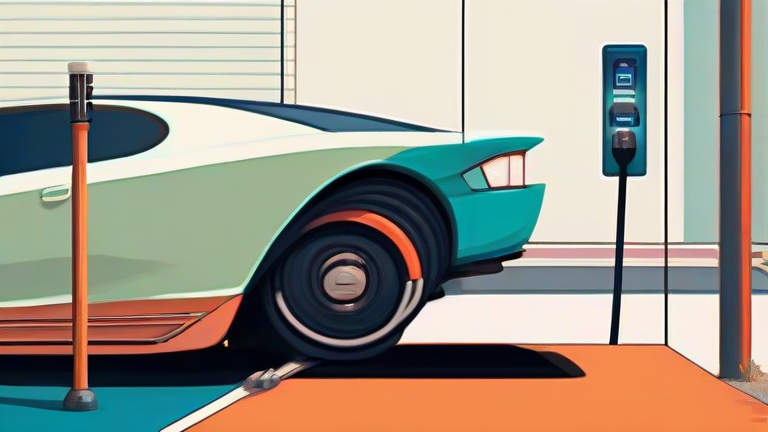
Rapid Expansion of Electric Vehicle Charging Infrastructure

Rapid Expansion of Electric Vehicle Charging Infrastructure

The landscape of personal transportation is undergoing a seismic shift, driven by the rapid expansion of electric vehicle (EV) charging infrastructure. This transformation is not merely a logistical upgrade for automakers and utility companies; it is a profound change that directly impacts our collective physical and mental well-being. As charging stations proliferate across urban centers, highways, and residential neighborhoods, the friction associated with electric mobility is disappearing, paving the way for a healthier, more sustainable lifestyle for millions of drivers worldwide.

From a physiological perspective, the transition to electric vehicles offers significant health benefits that extend far beyond reduced tailpipe emissions. Internal combustion engines generate substantial noise pollution, a silent killer linked to increased stress levels, elevated blood pressure, and sleep disturbances. By replacing gas-guzzling engines with quiet electric motors, we create quieter neighborhoods, which science confirms leads to lower cortisol levels and improved cardiovascular health for residents. Furthermore, the reduction in particulate matter and nitrogen oxides from traditional cars directly correlates with a decrease in respiratory ailments such as asthma and chronic obstructive pulmonary disease (COPD). The clean air generated by this infrastructure shift is a public health victory, reducing the burden on healthcare systems and improving overall life expectancy.

Beyond the environmental health benefits, the evolution of charging infrastructure encourages active lifestyle changes. Many new charging hubs are designed as “destination charging” sites, often located in parks, shopping centers, and community spaces. This integration invites drivers to step out of their vehicles and engage in physical activity. A ten-minute charging session becomes an opportunity for a brisk walk, stretching, or fresh air intake, combating the sedentary nature of modern commuting. Health experts recommend incorporating these small bursts of movement into daily routines to improve metabolic health and reduce the risks associated with prolonged sitting.

To maximize these benefits, individuals should adopt a proactive approach to EV adoption. First, utilize smart charging apps to plan routes that include stops at parks or green spaces, turning necessary downtime into wellness time. Second, advocate for local infrastructure that prioritizes pedestrian safety and greenery around charging stations, ensuring that the environment supports active living. Third,

Related Articles

Posted on Leave a comment

Remote Work: Achieving Total Location Independence

Remote Work: Achieving Total Location Independence

The corporate landscape has undergone a seismic shift in recent years, moving away from the rigid confines of the traditional office toward a model defined by flexibility and autonomy. This transition is not merely a temporary response to global disruptions but represents a fundamental restructuring of how work is conceived, executed, and valued. The era of total location independence is no longer a futuristic concept reserved for digital nomads; it is becoming the standard operating procedure for forward-thinking enterprises worldwide. As organizations strive to attract top talent in a competitive market, the ability to offer true geographic freedom has emerged as a critical differentiator.

A digital nomad working on a laptop in a scenic coastal cafe

Market data underscores the magnitude of this transformation. According to recent industry reports, remote work adoption has stabilized at approximately 12.8% of the global workforce, a figure that has tripled since 2019. Furthermore, a significant majority of employees now view location independence as a non-negotiable benefit rather than a perk. Companies that have embraced hybrid or fully remote models report higher retention rates and increased productivity, challenging the outdated notion that proximity equals performance. The economic implications are profound, as businesses can now tap into global talent pools without the burden of maintaining expensive physical real estate in high-cost metropolitan hubs.

If you want to dig deeper, check out our guide on Quantum Computing Hits Early Commercial Viability.

Expert Insights on the New Normal

Industry leaders and organizational psychologists emphasize that achieving total location independence requires more than just providing employees with laptops and Wi-Fi subscriptions. It demands a cultural overhaul. Dr. Elena Rossi, a leading expert in distributed team dynamics, notes, “The biggest challenge is not technological but psychological. Leaders must learn to manage outcomes rather than hours logged. Trust is the new currency of the remote workplace.” This shift encourages companies to invest heavily in digital collaboration tools, asynchronous communication protocols, and robust cybersecurity measures. Without these foundational elements, the promise of location independence remains hollow, leading to burnout and disconnection rather than empowerment.

Moreover, the role of technology continues to evolve rapidly. The integration of artificial intelligence in project management platforms allows for seamless coordination across different time zones, ensuring that a team member in Tokyo can hand off tasks to a colleague in New York without significant delays. This technological

Related Articles