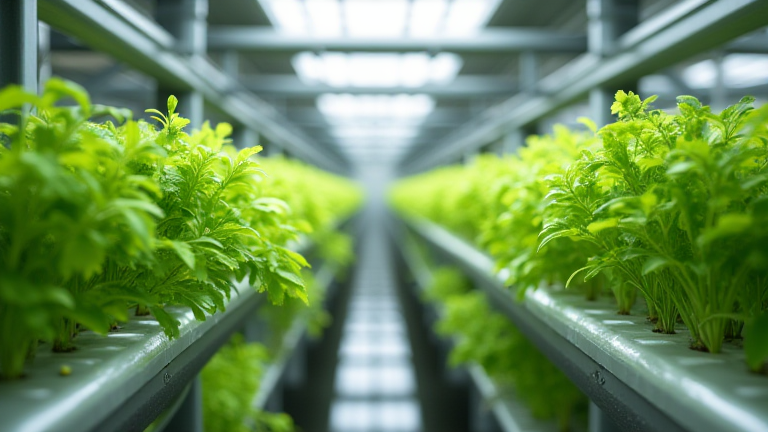
TL;DR: Build a sealed, solar-powered vertical tower where roots dangle in air and receive a fine nutrient mist instead of soil or water baths. This system cuts water use by ~98% and runs entirely off-grid, using a low-watt pump and humidity sensors to keep roots moist without waste.
Step 1: Assemble the Vertical Tower Core
Use food-grade PVC or recycled plastic pipes (4–6 inches diameter), cut into 4-foot sections. Drill 2-inch holes every 8 inches in a spiral pattern, angled slightly downward. Cap the bottom with a conical reservoir (catchment for excess mist). Stack sections vertically using flanged couplers—aim for 6–8 feet total height. Seal all joints with silicone to prevent pressure leaks.
If you want to dig deeper, check out our guide on How to Automate Invoice Chasing with QuickBooks.
Step 2: Install the Solar-Powered Mist System
Mount a 100W–200W solar panel facing true south (or equator-facing). Connect it to a 12V charge controller and a deep-cycle battery (e.g., 35Ah). Attach a 12V diaphragm pump (1–2 GPM) to the battery. Run a ¼-inch tubing line up the center of the tower, ending in a high-pressure misting nozzle (0.5–1.0 mm orifice) at the top. Add a second nozzle at mid-height for even coverage.
Step 3: Set Up the Waterless Nutrient Delivery
Fill the bottom reservoir with 2 gallons of aeroponic nutrient solution (pH 5.5–6.0, EC 1.2–1.8). Connect a submersible filter to the pump intake. Program a digital timer (or smart relay) to mist for 3 seconds every 5 minutes during daylight, and every 10 minutes at night. Add a capacitive moisture sensor on a root plug to override the timer—if roots are already wet, skip a cycle.
Step 4: Plant and Secure the Crops
Use neoprene collars to hold seedlings (lettuce, herbs, strawberries) in the drilled holes, with roots dangling 1–2 inches below the pipe surface. Ensure the roots are not touching any water—only mist. Place a fine mesh over the top to block insects while allowing airflow. Anchor the tower to a wall or ground stake to prevent tipping in wind.
Step 5: Optimize Solar Efficiency and Maintenance
Angle the panel between 30° and 45° (adjust seasonally). Keep the battery in a shaded, ventilated box. Clean misting nozzles weekly with vinegar to prevent clogging. Monitor the reservoir level daily—refill with nutrient solution only when the float valve drops below 1 quart. In overcast weeks, add a 12V backup charger or reduce mist frequency to every 15 minutes.
Step 6: Harvest and Recycle
Harvest leaves from the bottom up to extend plant life. After each crop cycle, flush the system with plain water for 10 minutes, then refill with fresh nutrients. Compost the old root collars—do not reuse them if any rot appears. The vertical design allows 20+ plants in a 2×2-foot footprint.
FAQ
Q: Is “waterless” really accurate if I still use a nutrient solution?
A: Yes—the roots never sit in water; they only receive a fine mist that is almost entirely absorbed. You lose less than 2% to runoff, versus 50–70% in soil or hydroponic systems.
Q: What crops fail in this system?
A: Root vegetables (carrots, potatoes) and heavy fruiting plants (tomatoes, peppers) need more structural support and deeper root mass—stick to leafy greens, herbs, and small berries.
Q: How long can the battery run without sun?
A: With a 35Ah battery and a 1.5A pump misting 3 seconds every 5 minutes, you get