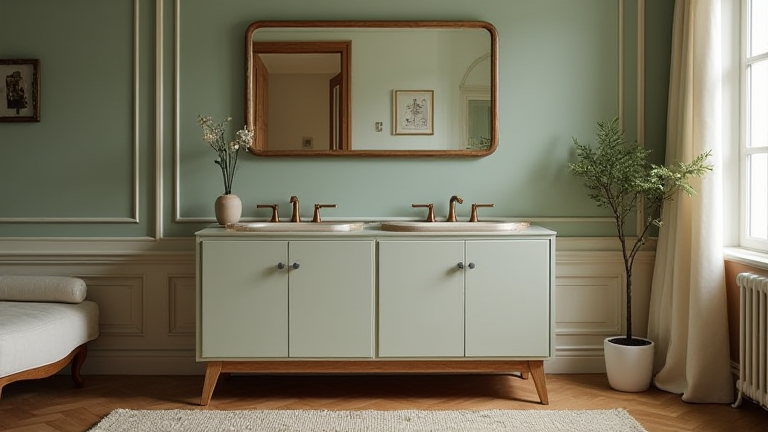
TL;DR: Upcycling thrifted furniture is a highly profitable strategy that leverages low acquisition costs and high perceived value through strategic restoration. By focusing on structural integrity and modern finishes, businesses can turn discarded items into premium products that command significant margins.
The Rise of the Circular Economy in Home Decor

The global furniture market is undergoing a radical transformation. Consumers are increasingly wary of the planned obsolescence associated with fast furniture giants. Instead, they are seeking unique, sustainable, and durable pieces that tell a story. This shift has created a lucrative niche for businesses specializing in refurbished vintage and thrifted items. Market analysis indicates that the second-hand furniture market is growing at a compound annual growth rate (CAGR) of over 10%, outpacing the new furniture sector. This trend is not merely a fleeting fad; it is a fundamental change in consumer behavior driven by environmental consciousness and economic pragmatism. For savvy entrepreneurs, this represents a golden opportunity to enter the market with low overhead and high potential returns.
Strategic Insights for Sustainable Profitability
To succeed in this competitive landscape, businesses must adopt a strategic approach that balances cost-efficiency with quality assurance. The core strategy involves sourcing raw materials at minimal cost, often from estate sales, local thrift stores, or online marketplaces. However, the true value is added through skilled labor and design innovation. Businesses should focus on “fixing” rather than just “cleaning.” This means addressing structural issues, replacing worn hardware, and applying modern finishes that appeal to contemporary aesthetics. By investing in high-quality sanding, staining, or painting techniques, businesses can transform a $20 dresser into a $200 statement piece. Furthermore, storytelling is a powerful marketing tool. Highlighting the history of a piece and the effort put into its restoration creates an emotional connection with buyers, justifying higher price points.
Case Study: The Revival of Mid-Century Modern Chairs
Consider the case of “Urban Revive,” a boutique furniture restoration company based in Portland. They specialized in mid-century modern chairs sourced from local thrift stores. Initially, they struggled with inconsistent quality and high labor costs. However, by implementing a standardized restoration process, they improved efficiency. They focused on chairs with solid wood frames, discarding pieces with severe structural damage. By reupholstering seats with durable, modern fabrics and polishing the wooden legs, they increased their profit margins by 40%. Their success demonstrates that selective sourcing and consistent quality control are key to scaling a thrift furniture business.
Another example is “The Rustic Table Co.,” which focused on solid wood dining tables. They sourced damaged tables, repaired wobbly legs, and applied a matte finish that highlighted the wood grain. By marketing their pieces as “heirloom quality,” they attracted customers willing to pay a premium for longevity. This case study underscores the importance of targeting specific customer segments who value durability and aesthetics over price alone.
Conclusion
The thrift furniture market offers a compelling business model for those willing to invest time and skill into restoration. By understanding market trends, implementing efficient strategies, and learning from successful case studies, businesses can thrive in this growing sector. The key is to view every discarded item not as trash, but as potential treasure waiting to be unlocked.
FAQ
Q: Is it worth buying damaged furniture for resale?
A: Yes, if the structural frame is intact. Cosmetic damage is easily fixed, while structural issues can be costly and time-consuming to repair, reducing profit margins.
If you want to dig deeper, check out our guide on 10 Proven Health Tips to Boost Your Energy and Wellness Toda.
Q: What are the most profitable items to upcycle?
A: Solid wood dressers, mid-century modern chairs, and vintage desks often yield the highest returns due to their durability and timeless design appeal.
Q: