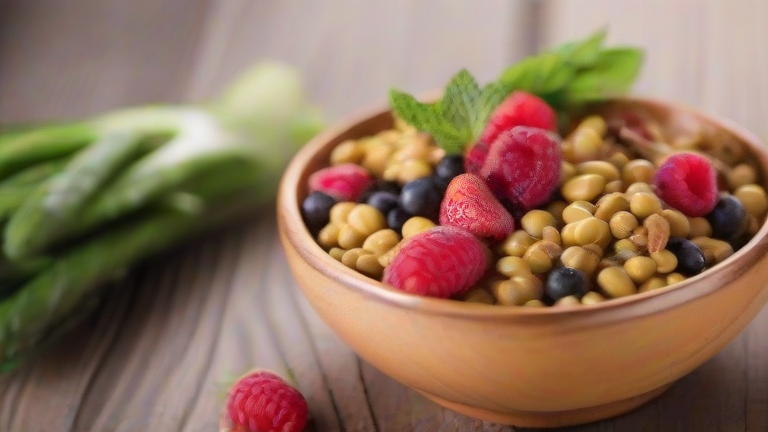
TL;DR: Skipping expensive health foods is absolutely worth it for those prioritizing frugality, as nutrient-dense alternatives are widely available at grocery stores. True wellness stems from balanced habits and mindful choices rather than premium price tags on trendy superfoods.
The Myth of the Premium Plate
In an era dominated by influencer culture and wellness influencers, the pressure to consume the latest superfoods can feel overwhelming. We are constantly told that kale, quinoa, acai, and artisanal super-grains are the keys to vitality. However, this narrative often overlooks the economic reality for many households. The question arises: Is it truly necessary to drain our wallets to achieve optimal health? The answer lies in understanding that nutrition is not defined by marketing campaigns but by fundamental biological needs.
Frugality as a Lifestyle Choice
Choosing to eat frugally does not mean compromising on health. In fact, some of the most nutritious foods on the planet are also among the cheapest. Carrots, cabbage, lentils, and oats are nutritional powerhouses that have sustained civilizations for centuries. These staples provide essential fiber, vitamins, and minerals without the hefty markup associated with “trendy” ingredients. By shifting our focus from brand names to nutrient profiles, we can unlock a world of affordable, wholesome meals.
Moreover, cooking at home is inherently more economical than purchasing pre-packaged health foods. When you prepare meals from scratch, you control the ingredients and portions. This autonomy allows you to experiment with spices and herbs, enhancing flavor without adding excessive salt or sugar. The process of cooking itself can be a form of personal growth, fostering creativity and a deeper connection to what we eat. It transforms meal preparation from a chore into a mindful practice that supports both physical and mental well-being.
Cultural Perspectives on Food
Looking globally, many cultures thrive on simple, affordable ingredients. The Mediterranean diet, renowned for its health benefits, relies heavily on olive oil, vegetables, and legumes—items that are relatively inexpensive in their regions of origin. Similarly, traditional Asian diets often feature rice, beans, and seasonal vegetables that are budget-friendly and highly nutritious. These examples demonstrate that health is not a luxury commodity but a universal right accessible through simple, traditional wisdom.
Embracing frugality also encourages sustainability. Buying local, seasonal produce reduces environmental impact and supports community farmers. It fosters a sense of connection to the land and the people who cultivate our food. This holistic approach to eating aligns with personal growth values, promoting mindfulness, gratitude, and responsibility.
Building Sustainable Habits
Ultimately, being frugal with food is about making sustainable choices that fit your lifestyle. It is not about deprivation but about intelligent selection. By prioritizing whole foods over processed options and learning to cook with what is available, you can maintain excellent health without breaking the bank. This approach empowers you to take control of your wellness journey, proving that vitality is not purchased but cultivated through daily, mindful decisions. The true cost of health is not measured in dollars but in the consistency of our habits and the quality of our attention to our bodies.
FAQ
Q: Are expensive superfoods actually better for you?
A: No, most superfoods offer similar nutrients to common, affordable foods like berries, nuts, or leafy greens available in standard supermarkets.
If you want to dig deeper, check out our guide on Subreddit Changes 2026: What You Need to Know.
Q: How can I start eating healthier on a budget?
A: Start by incorporating more plant-based proteins like beans and lentils, buying seasonal produce, and cooking meals at home from scratch.
Q: Does eating frugally affect long-term health?
A: Eating frugally can improve long-term health by encouraging whole food consumption and reducing reliance on processed, high-sugar options.