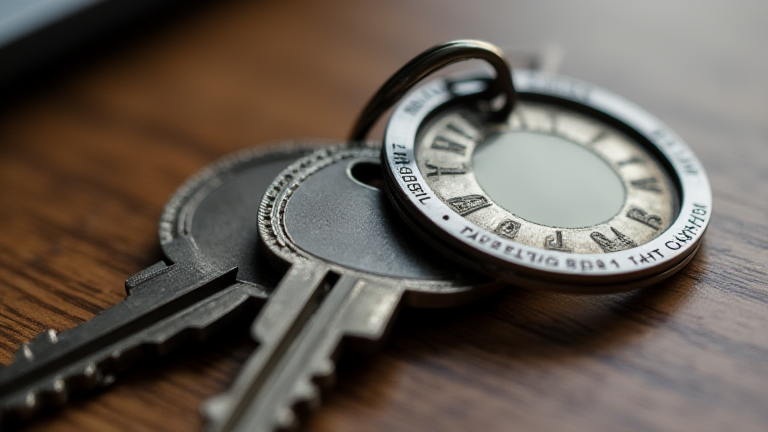
TL;DR: The keychain was a simple brass compass bought from a street vendor in Kyoto, but it sparked a journey of intentional wandering that reshaped my approach to life. This small object taught me that direction is less about coordinates and more about the willingness to explore the unknown.
The Unexpected Companion
It was a rainy Tuesday in Kyoto when I stumbled upon a tiny shop tucked away in the Gion district. The owner, an elderly woman with kind eyes, handed me a brass compass. It wasn’t expensive—just seventeen dollars—but it felt heavy with potential. I didn’t need a compass; I knew where I was going. Yet, something compelled me to buy it. I slipped it into my pocket, forgetting about it until three days later in a bustling market in Bangkok.
Getting Lost on Purpose
In Bangkok, my phone died. Panic set in, but then my fingers brushed against the cold brass in my pocket. I pulled it out, and the needle spun wildly before settling. It didn’t point north; it pointed toward a narrow alleyway I had never noticed. Curiosity overtook fear. I followed the alley, leaving the tourist crowds behind. That decision led me to a hidden tea house where I met a local artisan who introduced me to the concept of *Ma*, or negative space. It was a cultural revelation. I realized I had been rushing through my travels, checking boxes instead of experiencing moments.
From Travel to Transformation
That single afternoon changed my perspective on navigation, both literal and metaphorical. I started carrying the keychain on every trip, not as a tool for finding my way, but as a reminder to slow down. I began to embrace being lost. In Tokyo, it guided me to a jazz bar where I listened to music for hours. In Paris, it led me to a bookstore where I found a book on mindfulness that I still keep on my nightstand. The keychain became a talisman for serendipity. It taught me that the best parts of life are often unplanned. I stopped planning every minute of my day and started leaving room for spontaneity. I began to listen more, observe more, and worry less.
A Symbol of Intention
The $17 purchase wasn’t just a souvenir; it was an invitation to live differently. It reminded me that while technology can guide us, intuition and curiosity are the true compasses of a meaningful life. I no longer feel the need to have a five-year plan mapped out in perfect detail. Instead, I focus on the present moment, trusting that the path will reveal itself if I am willing to look. The keychain sits on my desk today, a small, brass reminder that sometimes the smallest things can lead to the biggest changes. It is a testament to the power of stepping off the beaten path and embracing the beauty of the unexpected. My life didn’t change because of the object itself, but because of what it represented: the courage to wander and the wisdom to listen.
FAQ
Q: Why did the compass work in Bangkok?
A: The compass was a standard magnetic needle that functioned normally, but its significance came from the owner’s suggestion to follow it without a destination in mind.
If you want to dig deeper, check out our guide on How to Choose Monthly Promotions: A Strategic Guide.
Q: How did this experience affect my travel style?
A: I shifted from rigid itineraries to spontaneous exploration, prioritizing authentic cultural interactions over famous landmarks.
Q: Is the keychain still in my possession?
A: Yes, it remains on my desk as a symbolic reminder to stay present and open to unexpected opportunities in daily life.