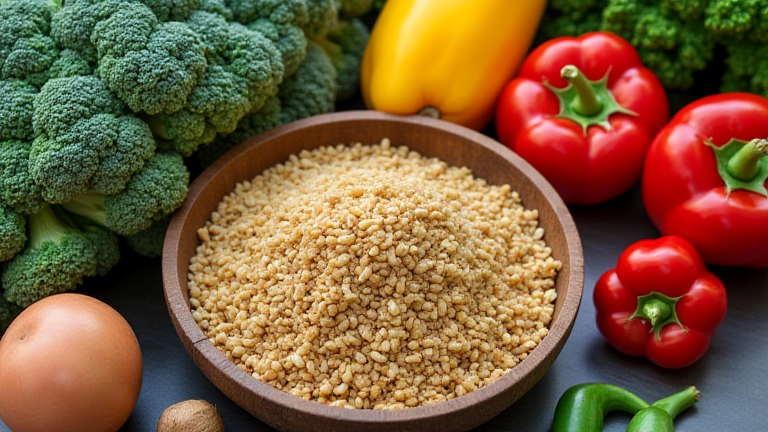
TL;DR: Prioritizing fiber is the single most effective dietary change you can make for optimizing gut microbiome diversity and digestive regularity. By focusing on soluble and insoluble fiber sources while gradually increasing intake, you can significantly enhance your gut health without experiencing discomfort.
Why Fiber is the Cornerstone of Digestive Wellness
If you want to dig deeper, check out our guide on Why You Should Consider a Boring Business.
In the bustling world of nutrition trends, one component remains steadfastly reliable: dietary fiber. While probiotics and prebiotics often steal the spotlight in marketing campaigns, fiber serves as the foundational fuel for the trillions of bacteria residing in your intestines. Without adequate fiber, these beneficial microbes starve, leading to a less diverse microbiome and a host of digestive issues ranging from bloating to irregular bowel movements. Understanding the nuances of fiber types is crucial for anyone serious about gut health. Soluble fiber dissolves in water to form a gel-like substance, which helps lower blood cholesterol and glucose levels. Insoluble fiber, on the other hand, promotes the movement of material through your digestive system and increases stool bulk, making it essential for preventing constipation.
Essential Tips for Maximizing Fiber Intake
The transition to a high-fiber diet requires strategy, not just willpower. Many individuals experience immediate discomfort because they increase their intake too rapidly. The golden rule is gradual progression. Start by adding one high-fiber food item to each meal rather than overhauling your entire diet overnight. This allows your gut bacteria to adapt and produce the necessary enzymes to process the new influx of material. Hydration is equally critical; fiber absorbs water, so insufficient fluid intake can lead to severe constipation rather than relief. Aim for at least eight glasses of water daily when boosting your fiber consumption.
When selecting products, look for whole foods rather than fortified supplements whenever possible. Whole grains like oats and quinoa, legumes such as lentils and chickpeas, and vegetables like broccoli and carrots provide a complex matrix of nutrients that work synergistically. While fiber supplements like psyllium husk can be useful tools, they lack the phytonutrients and antioxidants found in whole plant foods. Comparing a fiber bar to an apple, for instance, reveals that the apple offers natural sugars, water content, and essential vitamins alongside its fiber content, providing a more holistic nutritional benefit.
Choosing the Right Support
If you struggle to meet the recommended twenty-five to thirty grams of fiber per day through diet alone, consider a high-quality psyllium husk supplement. These supplements are versatile, tasteless when mixed properly, and effective at regulating digestion. However, always consult with a healthcare provider before starting new supplements, especially if you have existing digestive conditions. Reading labels carefully is vital; many products claim to be “high fiber” but are laden with artificial sweeteners and preservatives that may negate the benefits. Stick to brands with transparent ingredient lists and third-party testing certifications to ensure purity and potency.
Conclusion
Gut health is a journey, not a destination. By prioritizing fiber, you are investing in long-term wellness, immune function, and mental clarity, as the gut-brain axis is strongly influenced by digestive health. Make conscious choices, listen to your body, and celebrate small victories. Your microbiome will thank you for the consistent care and nourishment. Start today by swapping white rice for brown rice or adding berries to your morning yogurt. Small changes accumulate into significant health improvements over time.
FAQ
Q: How much fiber should I aim for daily?
A: The general recommendation is 25 grams per day for women and 38 grams per day for men, though individual needs may vary based on age and activity level.
Q: Can eating too much fiber cause bloating?
A: Yes, increasing fiber too quickly can cause temporary bloating and gas; it is best to increase intake gradually and drink plenty of water to mitigate these effects.
Q: Are fiber supplements as effective as whole foods?
A: Supplements can help meet daily requirements but do not provide the additional vitamins, minerals, and antioxidants found in whole food sources like fruits, vegetables, and whole grains.