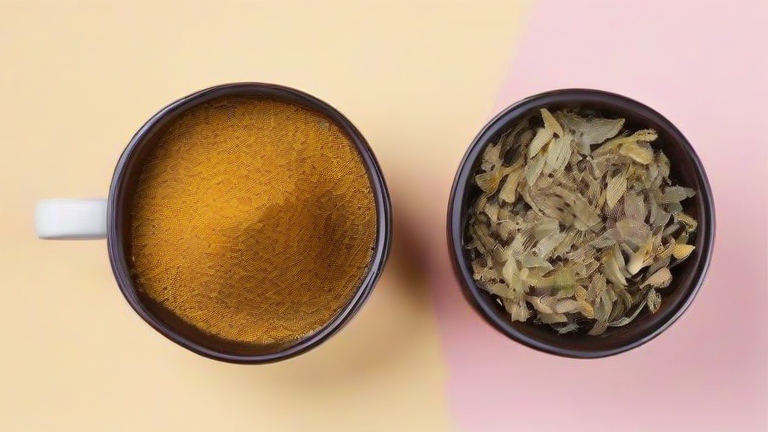
TL;DR: Dried herbs offer superior shelf stability, concentrated potency, and versatile culinary applications, making them ideal for long-term storage and complex flavor profiles. In contrast, herbal tea brews provide immediate hydration, rapid nutrient absorption, and a soothing ritualistic experience, catering specifically to consumers seeking quick wellness benefits.
The Evolution of Botanical Consumption
The botanical wellness sector is undergoing a significant technological and cultural shift. Consumers are no longer satisfied with generic plant matter; they demand precision, transparency, and efficacy. This demand has driven a divergence between two primary formats: dried herbs and herbal tea brews. Understanding the technical specifications and industrial implications of each is crucial for stakeholders in the health and wellness industry.
Dried herbs represent the raw, dehydrated form of medicinal plants. Recent advancements in freeze-drying and vacuum-sealing technologies have dramatically improved the retention of volatile oils and active compounds. Unlike traditional sun-drying, which can degrade sensitive antioxidants, modern industrial processes preserve up to ninety-five percent of the herb’s original nutritional profile. This preservation method ensures that the bioavailability of key ingredients remains high, allowing for potent dosages in supplements, tinctures, and culinary dishes. The industry impact is substantial, as dried herbs serve as the foundational raw material for the vast majority of herbal supplement manufacturers. Their extended shelf life, often exceeding two years when stored correctly, reduces waste and logistical costs for global supply chains.
The Rise of Precision Brewing
Herbal tea brews, on the other hand, have evolved from simple infusions to sophisticated extraction processes. The latest developments in this space involve cold-brew technologies and precision temperature control systems that optimize the solubility of specific compounds. For instance, certain polyphenols are more effectively extracted at lower temperatures over longer periods, preserving delicate flavors and preventing the release of bitter tannins. This scientific approach to brewing has transformed herbal tea from a casual drink into a targeted wellness tool.
The industry impact of herbal tea brews is evident in the rapid growth of the ready-to-drink (RTD) market. Major beverage companies are investing heavily in scalable brewing facilities that can produce consistent, high-quality products at mass scale. These facilities often utilize automated steeping systems that monitor pH levels and extraction rates in real-time, ensuring uniformity across batches. This consistency is vital for brand loyalty and regulatory compliance. Furthermore, the convenience of tea brews aligns with the modern consumer’s lifestyle, offering a quick, hydrating solution for stress relief and immune support without the preparation time required for dried herbs.
Comparative Analysis and Future Outlook
When comparing the two, the choice often depends on the intended use case. Dried herbs are preferred for their versatility and concentration, suitable for those who enjoy cooking or precise supplement regimens. They require more user intervention but offer greater control over dosage and flavor customization. Herbal tea brews, however, excel in convenience and immediate sensory experience. They are designed for on-the-go consumption, providing a seamless integration into daily routines.
Looking ahead, the convergence of these two formats is anticipated. We are already seeing hybrid products that combine dried herb extracts with instant tea technology, offering the best of both worlds. This innovation promises to bridge the gap between potency and convenience, potentially reshaping consumer expectations. As technology continues to advance, the distinction between dried herbs and tea brews may blur, leading to more sophisticated and efficient ways of harnessing the power of botanicals.
FAQ
Q: Which format retains more nutrients?
A: Freeze-dried herbs typically retain a higher percentage of nutrients and volatile oils compared to standard tea brews due to advanced preservation technologies.
If you want to dig deeper, check out our guide on Why Human-Created Content Is Becoming a Luxury Product.
Q: Are herbal tea brews more convenient?
A: Yes, herbal tea brews are generally more convenient as they require minimal preparation and are often available in ready-to-drink or instant formats.
Q: What is the primary industrial use of dried herbs?
A: Dried herbs are primarily used as raw materials for supplements, tinctures, and culinary products, serving as the foundation for the herbal wellness supply chain.