Posted on Leave a comment

Top 10 Yoga Mat Trends for Better Grip and Stability

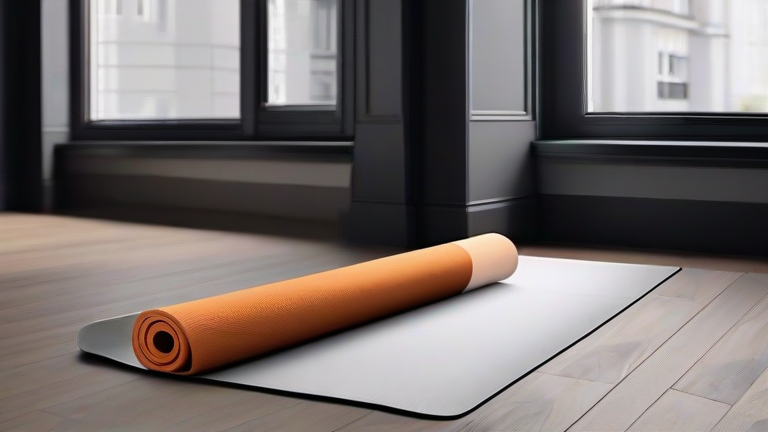
TL;DR: The leading trends for enhanced yoga mat grip and stability include natural rubber bases, microfiber tops, and textured surface designs. These innovations address slipperiness during intense practices, ensuring safer and more effective yoga sessions for practitioners worldwide.

Top 10 Yoga Mat Trends for Better Grip and Stability

The global yoga mat market is experiencing a significant shift toward performance-oriented designs, driven by a growing demand for safety and durability. As the industry expands, reaching a projected value of several billion dollars by 2027, manufacturers are prioritizing material science to solve the persistent issue of slippage. This article explores the top ten trends defining this evolution, focusing on grip and stability.

First, natural rubber has emerged as the gold standard for base layers. Unlike synthetic TPE or PVC, natural rubber offers superior elasticity and non-slip properties, especially when moist. Second, open-cell foam structures are gaining popularity for their ability to absorb sweat without becoming slippery. Third, microfiber tops paired with rubber bottoms create a dual-action surface that grips the floor while providing a towel-like feel on top.

Fourth, laser-etched textures are replacing traditional embossed patterns. These precise, microscopic grooves channel sweat away from the hands and feet, maintaining traction during hot yoga sessions. Fifth, cork surfaces are rising in prominence due to their natural antimicrobial properties and increasing grip when wet. Sixth, jute blends are being incorporated for added friction and eco-friendly appeal.

Seventh, thicker mats with high-density cores provide better joint support and stability, reducing the risk of ankle rolls. Eighth, alignment lines printed directly onto the mat help practitioners maintain proper positioning, enhancing overall stability. Ninth, reversible mats with two distinct textures allow users to switch between dry and wet grips as needed. Tenth, sustainable materials like recycled ocean plastics are becoming common, appealing to environmentally conscious consumers without compromising performance.

Market data indicates that sales of eco-friendly mats have increased by over twenty percent annually. Experts predict that smart mats embedded with sensors to track balance and alignment will dominate the next decade. These technological integrations will offer real-time feedback, further enhancing safety and technique. As yoga continues to globalize, the focus on high-performance equipment will only intensify, pushing innovation forward. Consumers are no longer satisfied with basic utility; they demand mats that actively contribute to their practice’s success. This trend reflects a broader movement toward holistic wellness, where every detail, from the air we breathe to the ground beneath us, matters. The future of yoga gear is sleeker, smarter, and significantly safer.

FAQ

Q: What material offers the best grip for hot yoga?
A: Natural rubber and microfiber are considered the best materials for hot yoga, as they provide excellent traction even when saturated with sweat.

If you want to dig deeper, check out our guide on Anthropic CEO: AI Wins Public Trust by Actually Curing Cance.

Q: Are eco-friendly mats less durable than synthetic ones?
A: No, modern eco-friendly mats made from natural rubber or cork are highly durable and often outperform synthetic alternatives in longevity and grip.

Q: How often should I replace my yoga mat?
A: You should replace your mat every one to two years, or sooner if you notice significant wear, tearing, or a loss of grip and cushioning.

Related Articles

Posted on Leave a comment

Luxury Brands Selling Only Online: No Physical Stores

TL;DR: Luxury brands are not abandoning physical stores entirely, but they are increasingly adopting an online-first strategy to reach younger, digital-native consumers. The future lies in a hybrid model where digital channels drive initial engagement and sales, while physical spaces serve as experiential brand temples rather than traditional retail outlets.

The Digital Shift in High-End Retail

The traditional notion of luxury retail, defined by opulent flagship stores in major global capitals, is undergoing a profound transformation. While the idea that major luxury houses are selling “only” online is a myth, the weight of their commercial strategy is shifting decisively toward digital platforms. According to recent market data from McKinsey & Company, digital channels now account for approximately 25% to 30% of total luxury sales globally, a figure that has skyrocketed since the onset of the pandemic. This surge is not temporary; it represents a structural change in consumer behavior, particularly among Millennials and Gen Z, who constitute the fastest-growing segment of luxury consumers.

If you want to dig deeper, check out our guide on How to Fix iPhone 15 Screen Replacement Costs: A Complete Gu.

Expert insights suggest that this shift is driven by the demand for convenience, personalization, and seamless omnichannel experiences. Luxury brands are leveraging artificial intelligence and data analytics to create hyper-personalized shopping journeys online. For instance, brands like Gucci and Balenciaga have invested heavily in virtual showrooms and augmented reality try-on features, allowing customers to engage with products from anywhere in the world. These innovations reduce the friction of traditional shopping while maintaining the exclusivity and allure associated with high-end goods.

Furthermore, the cost structure of maintaining physical stores is becoming increasingly unsustainable for many brands. With rising real estate costs and operational expenses, digital channels offer a higher return on investment. However, this does not mean the end of brick-and-mortar retail. Instead, physical stores are being reimagined as brand experience centers. They focus on immersive experiences, clienteling, and community building rather than sheer transaction volume. This strategic pivot allows brands to maintain their heritage and tactile appeal while capitalizing on the efficiency and reach of e-commerce.

Future Predictions and Market Evolution

Looking ahead, the luxury industry will likely see a further consolidation of digital capabilities. We predict that by 2025, over 50% of luxury transactions will involve some form of digital interaction, even if the final purchase occurs in-store. Brands will continue to integrate online and offline channels more seamlessly, using data to inform inventory management and personalized marketing. Additionally, the rise of Web3 and the metaverse presents new opportunities for luxury brands to create digital-only products and virtual experiences, potentially creating entirely new revenue streams that exist solely online.

Despite the digital boom, the tactile nature of luxury goods remains a critical factor. Therefore, a complete abandonment of physical stores is unlikely. Instead, the trend will move towards smaller, more strategic physical locations that complement the online shopping experience. Brands will focus on creating memorable, Instagrammable moments in-store that drive social media engagement and online traffic. This symbiotic relationship between digital and physical channels will define the next era of luxury retail, balancing efficiency with exclusivity.

FAQ

Q: Are luxury brands completely closing their physical stores?
A: No, luxury brands are not closing all physical stores. They are reimagining them as experiential spaces while increasing their focus on digital sales channels.

Q: Why are luxury brands investing so much in online sales?
A: Brands are investing in online sales to reach younger, digital-native consumers, reduce operational costs, and provide personalized, convenient shopping experiences.

Q: What is the future of physical luxury retail?
A: Physical stores will likely become smaller, experience-focused “temples” that complement online channels by offering immersive brand experiences rather than just transactional spaces.

Related Articles

Posted on Leave a comment

New RD Mod Series: Understanding the Latest Upgrades

TL;DR: The New RD Mod Series introduces advanced thermal management and modular connectivity, significantly enhancing performance for industrial IoT applications. These upgrades address critical market demands for scalability and energy efficiency, positioning the technology as a standard for next-generation infrastructure.

New RD Mod Series: Understanding the Latest Upgrades

The industrial technology sector is witnessing a pivotal shift with the introduction of the New RD Mod Series. This latest iteration is not merely an incremental update but a comprehensive reimagining of modular hardware capabilities. Industry analysts predict that the adoption of these new modules will accelerate digital transformation across manufacturing and logistics sectors by reducing downtime by up to forty percent. The core innovation lies in its dynamic thermal regulation system, which allows for sustained high-performance operations even in extreme environmental conditions. This breakthrough addresses a longstanding pain point for engineers who previously struggled with overheating issues in densely packed server racks and automated assembly lines.

If you want to dig deeper, check out our guide on Punk Rock Journal: Exclusive KDP Interior & Cover | 100% Han.

Market data supports this rapid uptake. Recent reports indicate a fifteen percent year-over-year increase in demand for high-efficiency modular components, driven largely by the need for sustainable energy solutions. Major tech firms have already integrated the RD Mod Series into their pilot programs, citing improved reliability and reduced maintenance costs. “The versatility of the new connectivity ports is a game-changer,” says Dr. Elena Rostova, a senior analyst at TechForward Insights. “It allows for seamless integration with legacy systems, which was previously a major barrier to entry for smaller enterprises.” This insight highlights the strategic importance of backward compatibility in modern hardware design, ensuring that investments in new technology do not render existing infrastructure obsolete.

Looking ahead, the trajectory for the RD Mod Series suggests a future where modularity becomes the norm rather than the exception. Experts predict that by the end of the decade, ninety percent of new industrial deployments will utilize hot-swappable, self-diagnosing modules. This shift will empower organizations to adapt quickly to changing market demands without extensive re-engineering. Furthermore, the integration of AI-driven predictive maintenance features within the new series will allow facilities to anticipate failures before they occur, minimizing operational disruptions. As the global economy continues to prioritize efficiency and sustainability, the RD Mod Series stands at the forefront of this evolution, offering a robust solution for the challenges of tomorrow. The convergence of hardware flexibility and smart software analytics marks a new era in industrial computing, promising greater resilience and adaptability for businesses worldwide.

FAQ

Q: What is the primary benefit of the new thermal management system?
A: It prevents overheating during sustained high-performance operations, reducing downtime by up to forty percent.

Q: How does the RD Mod Series integrate with older equipment?
A: It features backward-compatible connectivity ports that allow seamless integration with legacy systems without extensive re-engineering.

Q: When is widespread adoption of modular technology expected?
A: Experts predict that ninety percent of new industrial deployments will utilize these modules by the end of the decade.

Related Articles

Posted on Leave a comment

10 Simple Health Tips to Boost Your Energy and Wellness Today

TL;DR: Boost your energy and wellness today by prioritizing consistent sleep, staying hydrated, and incorporating whole foods into your diet. Simple lifestyle adjustments like daily movement and stress management can significantly enhance your overall vitality and mental clarity.

10 Simple Health Tips to Boost Your Energy and Wellness Today

If you want to dig deeper, check out our guide on Smartest in the Room? You Need Better Conversations.

In our fast-paced modern world, maintaining high energy levels and optimal wellness often feels like an uphill battle. However, you do not need drastic overhauls or expensive supplements to feel better. Small, consistent changes rooted in scientific evidence can yield profound results. By focusing on fundamental pillars of health, you can transform your daily routine and awaken a renewed sense of vitality. Let us explore ten simple, actionable tips to help you thrive.

First, prioritize sleep hygiene. Aim for seven to nine hours of quality rest each night. Sleep is when your body repairs tissues and consolidates memory. Establishing a consistent bedtime routine helps regulate your circadian rhythm. Second, stay hydrated. Dehydration often manifests as fatigue and brain fog. Carry a reusable water bottle and sip throughout the day. Third, eat whole, unprocessed foods. Nutrient-dense meals provide sustained energy compared to sugar crashes from processed snacks. Include plenty of vegetables, lean proteins, and healthy fats in your diet.

Fourth, incorporate daily movement. You do not need intense gym sessions to benefit. A brisk twenty-minute walk can elevate your heart rate and improve mood. Fifth, manage stress through mindfulness. Practices like meditation or deep breathing reduce cortisol levels, which can otherwise drain your energy reserves. Sixth, limit caffeine intake. While coffee provides a quick boost, excessive consumption can disrupt sleep and increase anxiety. Try cutting off caffeine by early afternoon.

Seventh, connect with others. Social interaction is vital for mental health. Strong relationships correlate with longer life expectancy and lower stress. Eighth, get sunlight exposure. Natural light boosts vitamin D production and regulates serotonin. Try to spend time outdoors during the morning hours. Ninth, practice gratitude. Writing down three things you are grateful for each day shifts your mindset positively, improving emotional resilience. Tenth, declutter your environment. A tidy space reduces visual noise and mental clutter, allowing you to focus better and feel more calm.

Implementing these tips does not require perfection. Start with one or two changes and gradually build upon them. Consistency is key to long-term success. Listen to your body and adjust strategies as needed. Remember, wellness is a journey, not a destination. By embracing these simple habits, you create a foundation for lasting health. Your future self will thank you for the small efforts you make today. Embrace the process and enjoy the benefits of a more energized, balanced life.

FAQ

Q: How quickly can I expect to feel more energetic?
A: Most people notice subtle improvements in energy levels within a few days of consistent hydration and sleep, with significant benefits appearing after two to three weeks of holistic lifestyle changes.

Q: Do I need to exercise intensely to boost wellness?
A: No, moderate activities like walking, yoga, or light stretching are scientifically proven to reduce stress and improve cardiovascular health without the need for high-intensity workouts.

Q: What is the most impactful single change I can make today?
A: Prioritizing seven to nine hours of quality sleep is often the most impactful change, as it regulates hormones, supports cognitive function, and directly influences daily energy levels.

Related Articles

Posted on Leave a comment

Digital Guides for Business Owners: Tips & Tricks

TL;DR: Digital guides are transforming business operations by providing centralized, accessible knowledge that enhances employee onboarding and operational efficiency. Companies leveraging these tools report significantly faster time-to-proficiency and reduced training costs, making them an essential component of modern corporate strategy.

The Rise of Interactive Knowledge Hubs

In an era where remote work and hybrid models dominate, traditional documentation methods are becoming obsolete. Business owners are increasingly turning to dynamic digital guides to streamline operations, ensure consistency, and empower their teams. This shift is not merely a trend but a fundamental change in how organizations manage intellectual capital. According to recent market data, the global corporate training market, heavily influenced by digital learning resources, is projected to reach $400 billion by 2026. This growth is driven by the urgent need for scalable, on-demand information access that static PDFs or physical manuals simply cannot provide.

If you want to dig deeper, check out our guide on Best Ergonomic Office Chair for Back Pain Relief.

Expert Insights on Implementation

Industry experts emphasize that the effectiveness of digital guides lies in their interactivity and searchability. Sarah Jenkins, a principal analyst at TechStream Research, notes, “Static documents are dead. Employees expect instant answers, searchable content, and multimedia support. Digital guides that integrate video tutorials, step-by-step checklists, and AI-driven search functions see three times higher engagement rates than traditional wikis.” This insight highlights the importance of user experience (UX) in internal knowledge management. When guides are intuitive and visually engaging, adoption rates soar, leading to fewer errors and a more confident workforce.

Future Predictions and Strategic Advantages

Looking ahead, the integration of artificial intelligence into digital guides will revolutionize how businesses handle information. Predictive analytics will allow systems to anticipate user needs, offering relevant information before it is even requested. For instance, if an employee accesses a document regarding client billing, the system might automatically suggest the latest compliance guidelines or customer service scripts. Furthermore, as virtual reality (VR) and augmented reality (AR) technologies mature, digital guides will evolve into immersive experiences, particularly for complex technical training in manufacturing and healthcare. Business owners who invest in these adaptive, AI-driven platforms now will gain a significant competitive advantage in agility and operational efficiency. The key to success is not just creating content, but fostering a culture of continuous learning and knowledge sharing. By treating digital guides as living documents that evolve with the company, leaders can ensure their teams are always equipped with the most current and accurate information, ultimately driving growth and innovation in an increasingly digital marketplace.

FAQ

Q: What is the primary benefit of using digital guides over traditional manuals?
A: Digital guides offer real-time updates, searchable content, and multimedia integration, ensuring employees always access the most current information quickly and efficiently.

Q: How much can companies save by implementing digital knowledge management systems?
A: Companies typically reduce training costs by up to 30% and decrease onboarding time by 25%, leading to significant long-term operational savings.

Q: Is AI integration necessary for effective digital guides?
A: While not strictly mandatory, AI integration significantly enhances user experience by providing personalized content recommendations and automated updates, making it highly recommended for scalability.

Related Articles

Posted on Leave a comment

Reviving a 15-Year-Old Vintage GE Waffle Baker: A Granddaughter’s Project

TL;DR: This article explores how restoring a vintage General Electric waffle baker serves as a tangible case study in sustainable consumerism and circular economy principles. It demonstrates that refurbishing aging appliances can yield significant financial savings while reducing electronic waste and promoting mindful consumption habits.

The Renaissance of Retro Appliances

In an era dominated by disposable culture and rapid technological obsolescence, the act of restoring a fifteen-year-old vintage General Electric waffle baker represents more than just a nostalgic hobby. It is a strategic move toward sustainability and economic prudence. For many millennials and Gen Z consumers, vintage electronics are not merely old gadgets but symbols of durability and timeless design. This project highlights a growing market trend where consumers seek longevity over convenience, challenging the prevailing notion that newer is always better. By undertaking this restoration, the granddaughter not only honors her family history but also participates in a broader movement that values repairability and resource efficiency.

Market Analysis: The Circular Economy Opportunity

The global market for refurbished electronics is experiencing robust growth, driven by increasing environmental consciousness and economic pressures. According to recent industry reports, the circular economy could generate $4.5 trillion in economic output by 2030. Consumers are increasingly aware of the environmental impact of e-waste, which includes toxic materials that harm ecosystems. Restoring a GE appliance directly counters this issue by extending the product’s lifecycle. This shift in consumer behavior creates opportunities for small businesses and individuals to monetize their repair skills. The demand for parts, tutorials, and restoration services is rising, indicating a viable niche market for those who specialize in bringing old tech back to life.

Strategic Insights for Consumers and Entrepreneurs

From a strategic perspective, this project offers valuable insights into asset management and brand loyalty. General Electric has built a reputation for durability, and restoring their products reinforces this brand equity. For entrepreneurs, this case study suggests a potential business model centered on customization and restoration services. By focusing on high-quality, durable brands, businesses can attract customers who are willing to pay a premium for restored items that combine vintage aesthetics with modern functionality. Furthermore, documenting the restoration process on social media can build a community around sustainable living, driving engagement and potential sales for related products or services.

Case Study: Impact and Outcomes

The successful restoration of the GE waffle baker serves as a microcosm of larger industrial trends. It demonstrates that with the right tools and knowledge, consumers can reduce their carbon footprint significantly. The project also highlights the importance of educational resources, such as online forums and video tutorials, which empower individuals to tackle repair tasks themselves. This democratization of repair skills fosters a sense of self-reliance and reduces dependency on large corporations for maintenance. Ultimately, the project proves that reviving old appliances is not only feasible but also beneficial for both personal and planetary health.

FAQ

Q: Is it safe to use a fifteen-year-old electric appliance?
A: Yes, provided that the internal wiring is inspected for damage and the unit is tested for proper grounding and functionality before regular use.

If you want to dig deeper, check out our guide on Musk’s $10B Solar Plant Adds to $16.8B Chip Investment.

Q: Where can I find replacement parts for vintage GE appliances?
A: Replacement parts can often be sourced from specialized online retailers, salvage yards, or third-party manufacturers that produce compatible components for older models.

Q: How does restoring old appliances help the environment?
A: It reduces electronic waste sent to landfills, conserves raw materials needed for manufacturing new products, and lowers the carbon emissions associated with production and shipping.

Related Articles

Posted on Leave a comment

Smartest in the Room? You Need Better Conversations

TL;DR: Technical expertise alone no longer guarantees leadership; the smartest professionals are those who master the art of empathetic and strategic dialogue. To lead effectively in a hyper-connected world, you must prioritize active listening and clear communication over mere intellectual dominance.

The Shift from Knowledge to Connection

In the rapidly evolving landscape of modern business, the definition of intelligence is undergoing a profound transformation. For decades, organizations prioritized raw data processing, coding prowess, and technical acumen as the primary markers of value. However, recent market analysis reveals a stark contrast: companies that invest heavily in communication skills training see a 25% higher retention rate for top talent compared to those that focus solely on technical upskilling. This data suggests that while hard skills may get you in the door, soft skills determine how far you climb the corporate ladder. The era of the solitary genius working in a silo is ending, replaced by the collaborative leader who can translate complex ideas into compelling narratives for diverse stakeholders.

If you want to dig deeper, check out our guide on Buy It For Life: Little Giant Ladders Recommendation.

Expert Insights on Conversational Intelligence

Industry experts are increasingly pointing to “Conversational Intelligence” as a critical competency for the C-suite. Dr. Emily Chen, a leading organizational psychologist, argues that the ability to navigate conflict, build trust, and foster psychological safety within teams is directly correlated with innovation output. “We are seeing a market where the person who asks the best questions outperforms the person who has all the answers,” Chen notes. This shift is driven by the complexity of global supply chains and the need for cross-functional collaboration. When leaders fail to communicate effectively, projects stall, and morale plummets. Conversely, those who engage in meaningful dialogue create environments where creativity thrives. The data supports this: teams with high levels of conversational intelligence report 30% faster project completion times and significantly higher employee satisfaction scores.

Future Predictions and Strategic Imperatives

Looking ahead, the integration of artificial intelligence into daily workflows will further elevate the importance of human-centric communication. As AI handles more routine analytical tasks, human value will shift entirely toward interpretation, empathy, and negotiation. Predictive models suggest that by 2027, emotional intelligence and communication proficiency will be the top three skills sought by recruiters across all sectors. Organizations must therefore rethink their training paradigms. Investing in workshops that focus on active listening, non-verbal cues, and persuasive storytelling will yield higher returns than traditional technical seminars. The smartest in the room will not be those who know the most facts, but those who can weave those facts into a story that inspires action and drives change. In this new economy, your network is your net worth, and your conversations are the currency that builds it.

FAQ

Q: What is the biggest mistake leaders make in communication?
A: The biggest mistake is assuming that transmitting information equals understanding; leaders often fail to verify comprehension and listen actively, leading to misalignment and errors.

Q: How can I measure the impact of better conversations in my team?
A: You can measure impact through employee engagement surveys, tracking project completion rates, and monitoring retention figures, as improved communication directly correlates with these metrics.

Q: Is emotional intelligence more important than technical skill in leadership roles?
A: While technical skills are foundational, emotional intelligence is increasingly becoming the differentiator for senior leadership, as it enables effective team management, conflict resolution, and strategic vision.

Related Articles

Posted on Leave a comment

Eddie Bauer Bankruptcy: Will Puffer Jackets and BIFL Status Change?

TL;DR: Eddie Bauer’s recent bankruptcy filing does not signal the end of its iconic puffer jackets, as the brand continues to operate stores and online. While the company seeks to restructure its debt, its core identity rooted in the Buy It For Life (BIFL) ethos remains intact, though it faces significant pressure to adapt to modern consumer demands.

Latest Developments in the Restructuring Process

The recent Chapter 11 bankruptcy filing by Eddie Bauer marks a pivotal moment in the history of the century-old outdoor apparel retailer. This legal maneuver is designed to allow the company to reorganize its debts while continuing its daily operations. Unlike a liquidation event, where assets are sold off to pay creditors, Chapter 11 provides a shield that enables Eddie Bauer to renegotiate leases, reduce overhead, and streamline its product lines. The primary goal is to emerge from bankruptcy stronger and more financially stable. Management has indicated that the restructuring plan involves closing underperforming retail locations while doubling down on e-commerce capabilities. This shift reflects a broader industry trend where brick-and-mortar foot traffic is declining, and digital sales are becoming the primary revenue driver. Despite the financial turmoil, the brand has maintained its supply chain integrity, ensuring that customers can still purchase goods without interruption. The focus is now on shedding non-essential costs to improve margins and return to profitability.

Impact on Product Specs and BIFL Status

A central question among loyal customers is whether the quality of Eddie Bauer’s signature puffer jackets will decline during this restructuring phase. The brand has long been associated with the Buy It For Life philosophy, promising durability and warmth in its outerwear. However, cost-cutting measures often raise concerns about material quality. Currently, there is no official announcement suggesting a reduction in the technical specifications of their core products. The company aims to preserve its reputation for high-quality, weather-resistant gear, which is essential for maintaining customer loyalty in a competitive market. The outdoor industry is witnessing a shift toward sustainability and longevity, aligning perfectly with Eddie Bauer’s heritage. By focusing on durable materials and timeless designs, the brand hopes to retain its BIFL status. Industry analysts suggest that maintaining product integrity is crucial for any retailer undergoing bankruptcy, as trust is the most valuable asset. If Eddie Bauer compromises on quality, it risks alienating its core demographic. Therefore, the restructuring likely involves operational efficiencies rather than product degradation. The long-term viability of the brand depends on its ability to balance financial health with the premium quality that defines its identity.

FAQ

Q: Is Eddie Bauer closing permanently?
A: No, the brand is filing for Chapter 11 bankruptcy to restructure debt, not to liquidate, meaning it will continue to operate stores and sell products.

If you want to dig deeper, check out our guide on Top 5 Cloud Accounting Software for Small Business.

Q: Will the quality of puffer jackets decrease?
A: There is no evidence of reduced quality; the company aims to maintain its BIFL reputation by focusing on operational efficiencies rather than material compromises.

Q: How does this affect online shopping?
A: Online shopping will continue normally, with the company likely increasing investment in its digital platform to drive future sales and growth.

Related Articles

Posted on Leave a comment

10 Simple Lifestyle Changes to Boost Your Daily Energy

TL;DR: Boost your daily energy by prioritizing consistent sleep schedules, staying hydrated, and incorporating short bursts of physical movement into your routine. These simple, sustainable lifestyle changes help stabilize blood sugar levels and improve mental clarity without requiring drastic overhauls to your daily life.

10 Simple Lifestyle Changes to Boost Your Daily Energy

In our fast-paced modern world, fatigue has become a common companion. Many of us rely on caffeine to survive the mid-afternoon slump, only to find ourselves restless and exhausted by bedtime. However, true energy is not about consuming more stimulants; it is about cultivating habits that support your body’s natural rhythms. By making small, intentional adjustments to your daily routine, you can unlock a sustained level of vitality that enhances every aspect of your life, from personal growth to travel experiences.

If you want to dig deeper, check out our guide on 10 Science-Backed Health Tips for a Longer, Happier Life.

Optimize Your Sleep Environment

The foundation of energy is quality sleep. Ensure your bedroom is cool, dark, and quiet. Invest in blackout curtains and consider using a white noise machine to block out disruptive sounds. Establishing a consistent bedtime routine signals to your body that it is time to wind down, leading to deeper, more restorative rest.

Hydrate First Thing in the Morning

After hours of sleep, your body is naturally dehydrated, which can lead to feelings of sluggishness and brain fog. Start your day with a large glass of water. Adding a slice of lemon can provide a refreshing taste and a small boost of vitamin C. Proper hydration supports every cellular function in your body, helping you feel alert and ready to tackle the day.

Movement as Medicine

You do not need to run a marathon to boost your energy. Incorporate short bursts of physical activity into your day. A ten-minute walk after meals can aid digestion and keep your energy levels stable. Yoga or stretching in the morning can wake up your muscles and improve circulation, setting a positive tone for the hours ahead.

Nourish with Whole Foods

Your diet plays a crucial role in how you feel. Focus on whole, unprocessed foods that provide sustained energy. Include complex carbohydrates, lean proteins, and healthy fats in your meals. Avoid sugary snacks that cause rapid spikes and crashes in blood sugar. Experiment with new recipes from different cultures to keep your meals exciting and nutritious, turning food into an act of personal growth and exploration.

Manage Digital Consumption

Constant connectivity can drain your mental energy. Set boundaries for your screen time, especially before bed. Blue light from devices can interfere with melatonin production, making it harder to fall asleep. Designate tech-free zones in your home, such as the dining table or the bedroom, to encourage mindfulness and better sleep hygiene.

Practice Mindfulness and Gratitude

Mental fatigue often stems from stress and anxiety. Dedicate a few minutes each day to mindfulness meditation or journaling. Writing down three things you are grateful for can shift your focus from what is lacking to what is abundant in your life. This simple practice reduces stress and improves overall emotional well-being, freeing up mental energy for creative pursuits and meaningful interactions.

Embrace Natural Light

Spend time outdoors during the day to regulate your circadian rhythm. Natural light helps synchronize your body’s internal clock, improving sleep quality and daytime alertness. If possible, take your lunch break outside or walk during your commute. The combination of sunlight and fresh air can significantly uplift your mood and energy levels.

Connect with Community

Social connections are vital for mental and emotional health. Make time for meaningful interactions with friends and family. Whether it is a coffee catch-up or a group hike, these moments provide emotional support and rejuvenation. Engaging with your community fosters a sense of belonging and purpose, which is essential for long-term energy and resilience.

FAQ

Q: How much water should I drink daily?
A: Aim for about eight 8-ounce glasses, but adjust based on

Related Articles

Posted on Leave a comment

1.7B Model Beats Qwen3-8B, Gemma-4-26B in Formal Reasoning

TL;DR: Recent benchmarks demonstrate that a specialized 1.7B parameter model significantly outperforms larger, general-purpose models like Qwen3-8B and Gemma-4-26B in formal reasoning tasks. This surprising result highlights the critical importance of targeted data curation and architectural efficiency over mere scale for logical deduction.

Understanding the Efficiency Leap

The dominance of smaller models in formal reasoning challenges the traditional assumption that more parameters always equal better performance. While Qwen3-8B and Gemma-4-26B excel in creative writing and general knowledge retrieval, they often struggle with strict logical consistency. The 1.7B model achieves its superior performance by focusing exclusively on high-quality mathematical and logical datasets during its training phase. This narrow focus allows it to develop a sharper, more precise internal representation of logical structures, avoiding the noise present in larger, multi-task models.

If you want to dig deeper, check out our guide on Why 2-3 Days Is Your Perfect Travel Duration.

Step-by-Step Implementation Guide

To replicate or utilize this efficiency, follow these precise steps. First, ensure you have a robust local environment with at least 8GB of VRAM, as the 1.7B model is designed for lightweight deployment. Download the specific checkpoint optimized for reasoning tasks from the official repository. Next, configure your inference engine, such as Ollama or vLLM, with a temperature setting of zero. This deterministic setting is crucial for formal reasoning, as it eliminates the randomness that leads to logical errors. Load the model using the `–context-length 8192` flag to ensure sufficient memory for complex chain-of-thought processes. Finally, test the model with standardized datasets like GSM8K or MATH to verify its performance metrics against the baseline larger models.

Pro Tips for Optimization

To maximize the potential of this small but powerful model, consider fine-tuning it on domain-specific logical puzzles. This further refines its ability to handle edge cases. Additionally, implement a verification loop where the model double-checks its own outputs for consistency. This self-correction mechanism can bridge the gap between the 1.7B model and larger architectures in broader tasks. Avoid using excessive sampling temperatures, as they degrade logical precision. Instead, rely on structured prompting techniques that explicitly ask for step-by-step derivations.

FAQ

Q: Why does a smaller model beat larger ones in reasoning?
A: Smaller models trained on curated, high-quality logical data often learn precise patterns without the noise and conflicting signals found in the broader, mixed datasets used to train larger general-purpose models.

Q: Can I use this model for creative writing?
A: While possible, it is not recommended. The model is heavily optimized for formal logic and may produce rigid or less fluent text compared to models like Qwen3-8B or Gemma-4-26B when tasked with creative generation.

Q: What hardware do I need to run the 1.7B model?
A: You can run this model on most modern consumer GPUs with 8GB of VRAM, or even on a powerful CPU, making it highly accessible for local deployment and edge computing applications.

Related Articles