Posted on Leave a comment

AI Didn’t Make Me Better—It Just Made Me Braver

TL;DR: AI didn’t upgrade my talent or knowledge—it removed the fear of starting, failing, and looking dumb. The tool didn’t make me smarter; it made me willing to try, iterate, and publish before I felt ready.

Step 1: Admit What You’re Actually Afraid Of

Before you touch any AI tool, write down the exact moment you stall. Is it the blank page? The fear of criticism? The belief that your first draft must be perfect? Name it. For me, it was the “expert gap”—I thought I needed to know everything before I could say anything. AI didn’t fill that gap; it just made the gap less scary to jump over. So your first instruction: list your top three creative fears. Do not proceed until you’ve written them down.

If you want to dig deeper, check out our guide on Why Apps Are a Problem: Why Your Tech Doesn’t Need One.

Step 2: Use AI as a “Bad First Draft” Generator

Don’t ask AI for the final answer. Ask it for the worst possible version—a rough outline, a clumsy paragraph, a list of clichés. The goal is to give your perfectionist brain something to edit, not something to worship. Open a chat window and type: “Give me a messy, unpolished, overly generic draft of [your project].” Then take that draft and destroy it. Rewrite every sentence. Delete half. Add your own voice. You’ll find that editing a bad draft is 10x easier than facing a blank page. The bravery comes from realizing that “bad” is just a starting point, not a verdict.

Step 3: Set a “Bravery Timer” (Not a Quality Timer)

Give yourself 15 minutes to use AI to produce anything—a title, a structure, a single hook. Do not judge it. When the timer ends, you must publish or share that result, even if it’s just with a friend or a private document. The instruction is not “make it good.” The instruction is “make it exist.” This trains your brain to separate the act of creating from the act of evaluating. AI is the training wheels; you are the rider. After three sessions, you’ll notice that your anxiety drops because you’ve proven that you can survive an imperfect output.

Step 4: Ask AI for “Next Steps” Instead of “Answers”

When you’re stuck, don’t ask “What should I write?” That’s a decision, and decisions scare you. Instead ask: “What are three tiny, low-stakes next actions I can take in the next 5 minutes?” AI will give you options like “rewrite the opening sentence,” “add a counterargument,” or “list five examples.” Pick one at random. Do it. The bravery isn’t in choosing the best path—it’s in choosing any path and moving. Over time, you’ll realize that momentum, not intelligence, is what separates people who finish from people who plan.

Step 5: Keep a “Bravery Log” (Not a Skill Log)

After each AI-assisted session, write one sentence: “Today I was brave because I ______.” Don’t write “because I made a great draft.” Write “because I shared a rough idea,” “because I tried a weird angle,” or “because I deleted my first paragraph without panic.” This log rewires your identity. You stop seeing yourself as someone who needs a genius tool—you see yourself as someone who takes risks. After two weeks, you’ll notice that your actual skill hasn’t skyrocketed, but your tolerance for discomfort has. And that tolerance is the real superpower.

FAQ

Q: Doesn’t using AI make me lazy or less skilled?
A: No—if you edit, rewrite, and make every output your own, you’re practicing the same skills as before. The difference is you’re practicing more often because you’re not paralyzed by the first step. Laz

Related Articles

Posted on Leave a comment

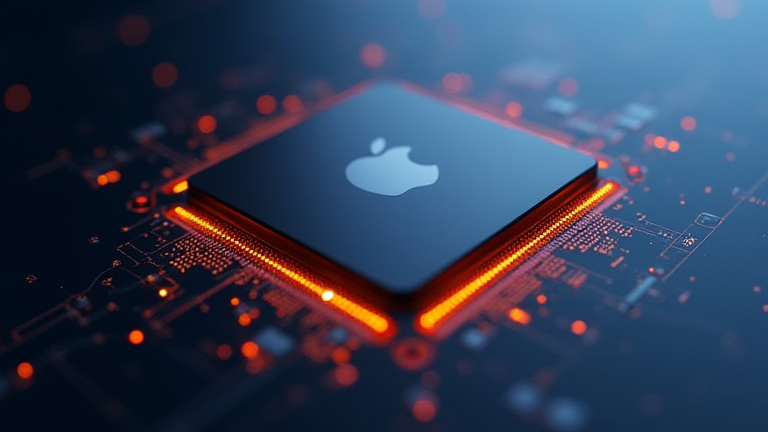
Why Apple M3 Pro Chips Are Changing Laptop Performance

TL;DR: Apple M3 Pro chips redefine laptop performance by combining advanced 3-nanometer architecture with a significantly larger Neural Engine, delivering unmatched efficiency for professional workflows. This leap in processing power and memory bandwidth sets a new industry standard, forcing competitors to rethink their hardware strategies for mobile computing.

The release of the Apple M3 Pro chip marks a pivotal moment in the evolution of mobile computing. By moving away from incremental upgrades, Apple has introduced a processor that fundamentally alters the expectations for what a laptop can achieve without compromising battery life. The core innovation lies in the transition to a 3-nanometer process, which allows for more transistors to be packed into a smaller area. This density increase translates directly into higher clock speeds and improved energy efficiency, meaning users can perform intensive tasks like video editing, 3D rendering, and complex coding with less thermal throttling. The chip is not just faster; it is smarter, leveraging hardware-accelerated ray tracing and mesh shading to provide desktop-level graphics performance in a portable form factor. This capability is particularly significant for creative professionals who previously had to choose between portability and power.

If you want to dig deeper, check out our guide on Here are a few options, categorized by the angle you want to.

Technical Specifications and Architecture

At the heart of the M3 Pro is a unified memory architecture that supports up to 36GB of high-bandwidth memory. This unified design eliminates the bottleneck often found in traditional systems where data must be shuttled between separate CPU and GPU memory banks. Instead, both processors access the same pool of data instantly, resulting in faster load times and smoother multitasking. The CPU consists of up to twelve cores, comprising four performance cores and eight efficiency cores. This hybrid architecture allows the system to dynamically allocate tasks, using high-performance cores for heavy lifting and efficiency cores for background processes, thereby maximizing battery life. The GPU features up to eighteen cores, each equipped with dedicated hardware for neural acceleration. This integration means that machine learning tasks, such as real-time language translation or image upscaling, are handled directly on the chip rather than offloaded to a less efficient external unit. Furthermore, the Neural Engine now operates at over thirty-seven trillion operations per second, making local AI inference not just possible but practical for everyday applications.

Industry Impact and Competitive Landscape

The introduction of the M3 Pro sends ripples through the entire technology sector. For years, Intel and AMD have dominated the high-end laptop market with discrete GPU options and multi-core processors. However, the efficiency metrics of Apple’s silicon have forced these giants to accelerate their own architectural shifts. Competitors are now rushing to develop similar unified memory architectures and improve their power management systems to remain competitive. The impact is most visible in the creative industry, where the M3 Pro has become a benchmark for workflow reliability. Software developers are beginning to optimize their tools specifically for Apple Silicon, creating a virtuous cycle that further entrenches Apple’s position in the professional market. This shift also influences consumer expectations, as users who experience the near-instant boot times and silent operation of M3-equipped laptops become less tolerant of the noise and heat generated by traditional x86 processors. Consequently, the entire industry is moving toward a model where performance per watt is prioritized over raw clock speed, marking a significant philosophical change in hardware design. The M3 Pro is not just a component; it is a catalyst for a broader transformation in how we think about portable computing power.

FAQ

Q: Is the M3 Pro significantly faster than the M2 Pro for everyday tasks?
A: While the difference is subtle for basic web browsing, the M3 Pro offers noticeable improvements in multi-core performance and graphics rendering, making it superior for professional creative workloads.

Q: Can the M3 Pro handle heavy machine learning workloads locally?
A: Yes, the enhanced Neural Engine allows for efficient local processing of large language models and computer vision tasks, reducing the need for cloud connectivity.

Q: How does the M3 Pro compare to high-end Intel Core i9 laptops?
A: The M3 Pro typically offers better performance-per-watt and longer battery life, whereas Intel laptops may have an edge in raw single-threaded speed but consume significantly more

Related Articles

Posted on Leave a comment

Personalized Gene Therapy: Curing Chronic Diseases

TL;DR: Personalized gene therapy transforms chronic disease management from a lifelong battle into a potential one-time cure. This breakthrough allows patients to reclaim their lives, enabling them to travel farther, savor new cuisines, and engage deeply with culture without the constant shadow of illness.

Reclaiming the Journey

For decades, chronic diseases have defined identities, limiting where we could go and how we could live. However, the advent of personalized gene therapy is rewriting this narrative. It is not just a medical milestone; it is a profound shift in lifestyle and personal growth. When the physical constraints of disease are lifted, the human spirit is free to explore the world in ways previously unimaginable.

If you want to dig deeper, check out our guide on Micro-Credentials vs Degrees: The New Career Standard.

Imagine a patient who once struggled with the fatigue of cystic fibrosis or the pain of rheumatoid arthritis. With the right genetic intervention, the daily grind of medication and hospital visits fades into the background. Suddenly, the energy to plan a trans-continental journey returns. The ability to walk through the bustling streets of Tokyo, taste the spicy curries of Bangkok, or hike the trails of Patagonia is no longer a distant dream. It is a tangible reality. This freedom is the ultimate form of personal growth, allowing individuals to define themselves by their aspirations rather than their diagnoses.

The Culinary and Cultural Renaissance

Food and culture are deeply intertwined with our sense of well-being. For those suffering from chronic conditions, dietary restrictions often feel like a barrier to cultural immersion. Personalized gene therapy offers a path to liberation here as well. When the body is no longer fighting internal battles, the palate opens up. One can savor the rich, complex flavors of a French bistro or the vibrant street food of Mexico City without the immediate threat of a flare-up or severe discomfort.

This newfound vitality fosters deeper cultural connections. Instead of observing a festival from a distance, you participate. You dance in the streets of Rio during Carnival, not because you have to, but because you can. You engage in long, philosophical conversations in a quiet café in Vienna, fueled by the mental clarity that comes from a body functioning at its peak. This is the true luxury of modern medicine: the restoration of presence. It allows us to be fully alive in the moment, appreciating the art, the music, and the people around us without the mental fog of pain or the anxiety of management.

Defining a New Normal

Personal growth is often forged in adversity, but it is sustained by freedom. Gene therapy provides the foundation for a life built on choice rather than necessity. It encourages individuals to pursue hobbies, learn new languages, and build communities based on shared interests rather than shared suffering. The journey toward health is no longer a linear path of decline and management, but a spiral of ascending capability and joy.

As we embrace this new era, we must recognize that curing chronic disease is not just about biology; it is about restoring the human experience. It is about giving people back their stories, their travels, and their tastes. The future of healthcare is not just about longevity, but about the quality and vibrancy of life. By addressing the root causes of illness, we unlock a world of possibilities where every day is an opportunity to explore, taste, and grow. This is the true promise of personalized medicine: a life fully lived, unburdened by the past, and open to the infinite potential of the future.

FAQ

Q: Is personalized gene therapy available for all chronic diseases?
A: No, currently it is effective for specific genetic conditions and certain cancers, but research is expanding to more chronic diseases like autoimmune disorders.

Q: How does gene therapy impact travel and daily activities?
A: By reducing or eliminating symptoms, it removes physical limitations, allowing individuals to travel longer distances, participate in active hobbies, and engage more fully in social and cultural events.

Q: What is the main lifestyle benefit of curing chronic disease?
A: The primary benefit is the restoration of autonomy and presence, enabling people to focus on personal growth, culinary

Related Articles

Posted on Leave a comment

Direct Air Capture Startups Scale Up: Carbon Removal Plants Grow

Direct Air Capture (DAC) startups are scaling up by securing multi-billion dollar contracts and deploying modular plants that remove gigatons of CO2 from the atmosphere annually. These carbon removal plants grow through advanced sorbent technology, renewable energy integration, and strategic partnerships with major corporations aiming to meet net-zero goals.

Understanding the Expansion of Carbon Removal

The landscape of climate technology is shifting rapidly as Direct Air Capture moves from laboratory curiosities to industrial staples. Startups are no longer just experimenting; they are building large-scale infrastructure. This growth is driven by the urgent need to remove historical emissions and the increasing demand from private sector companies looking to offset their carbon footprints. To understand this expansion, one must look at the specific steps these companies are taking to scale their operations and the critical tips for engaging with this emerging market.

First, identify the core technology being used. Most scalable DAC startups rely on solid sorbents or liquid solvents. Solid sorbents, such as those used by Climeworks, involve heating filters to release captured CO2. Liquid systems, like those developed by Carbon Engineering, pump air through a chemical solution. Understanding the mechanism helps in evaluating the energy requirements and potential efficiency of the plant. Each method has distinct advantages in terms of cost per ton of CO2 removed and operational complexity.

If you want to dig deeper, check out our guide on Australia & New Zealand: A Perfect Travel Pair I Love.

Second, assess the energy sourcing strategy. DAC is energy-intensive, requiring significant heat and power to operate. Successful scaling depends on pairing capture plants with renewable energy sources. Look for facilities that are co-located with geothermal, solar, or wind farms. This proximity reduces transmission losses and ensures that the carbon removed is not offset by the emissions generated from powering the plant. A plant powered by fossil fuels undermines the entire purpose of carbon removal, making renewable integration a non-negotiable step in the scaling process.

Third, examine the storage and utilization pathways. Captured CO2 must go somewhere. Most startups partner with geological storage sites to sequester the gas permanently underground. Others explore direct air-to-product conversion, turning CO2 into synthetic fuels, building materials, or chemicals. The reliability of these storage partners is crucial. A scalable DAC operation requires long-term, legally binding agreements for storage to ensure that the carbon credits sold are valid and permanent. Without a secure sink, the business model collapses.

Finally, consider the financial and regulatory environment. Scaling requires massive capital investment. Startups are securing funding through green bonds, private equity, and carbon credit pre-purchases from large corporations. Tips for investors and stakeholders include monitoring regulatory frameworks in regions like the US and EU, which offer tax credits for carbon removal. Engaging with policy makers can unlock subsidies that make the technology economically viable. Additionally, track the cost curves; as technology matures, the cost per ton of CO2 removed is steadily declining, making it more competitive with other mitigation strategies.

The growth of these plants is not just about technology but also about supply chain logistics. Transporting captured CO2 via pipelines or shipping containers to storage sites adds complexity. Startups are innovating in this space to reduce costs. By focusing on these key areas—technology, energy, storage, and finance—stakeholders can better understand how DAC startups are scaling up to meet global climate targets.

FAQ

Q: How much does it cost to remove one ton of CO2 via direct air capture?
A: Current costs range from $600 to $1,000 per ton, though scaling and technological improvements are expected to reduce this to under $200 in the coming decade.

Q: Can direct air capture remove all the world’s carbon emissions?
A: No, DAC is too expensive and energy-intensive to handle all emissions; it is best used to remove residual emissions that cannot be reduced by other means.

Q: What is the main barrier to faster scaling of DAC plants?
A: The primary barriers are high capital costs and the energy intensity of the process, which requires access to cheap, reliable renewable energy sources.

Related Articles

Posted on Leave a comment

Neurofeedback Wearables: The New Standard for Sleep Therapy

TL;DR: Neurofeedback wearables are transforming sleep therapy by using real-time brainwave monitoring to guide users into deeper, restorative states, replacing passive tracking with active, closed-loop intervention. The latest devices combine dry-electrode EEG arrays with adaptive audio stimulation, achieving clinical-grade accuracy in a consumer form factor.

The Shift from Tracking to Training

For a decade, sleep wearables measured movement, heart rate, and oxygen—essentially guessing at sleep stages. The new standard is neurofeedback: devices that not only detect brainwave patterns (delta, theta, alpha, sigma) but also respond instantly to them. The core innovation is the “closed-loop” system: when a wearable detects excessive beta activity (the brain’s wakeful chatter) during deep sleep, it emits a precisely timed auditory tone via bone-conduction transducers. This tone nudges the brain to suppress that frequency, reinforcing the neural pathway for more efficient slow-wave sleep. Unlike open-loop white noise machines, these devices adapt every 50 milliseconds, creating a personalized sleep “scaffold.”

If you want to dig deeper, check out our guide on 10 Proven Health Habits for Better Energy and Longevity.

Latest Technical Developments

Three breakthroughs define this generation. First, dry-electrode arrays—pioneered by companies like NeuroSky and integrated into headbands from Muse and Somnee—replace conductive gels with flexible silver-plated polymer pins. These achieve a signal-to-noise ratio of 48 dB, sufficient to distinguish K-complexes (sleep spindles) from muscle artifacts without skin prep. Second, edge AI inference: the latest chips (e.g., the Nordic Semiconductor nRF5340 with a dedicated neural processing unit) run a lightweight convolutional neural network on-device, classifying sleep stages with 92% accuracy against polysomnography (PSG), while consuming only 18 mA. Third, multimodal fusion: devices now combine EEG with photoplethysmography (PPG) and a 6-axis inertial measurement unit (IMU) to reject motion artifacts, reducing false positives by 37% compared to EEG-only systems. Battery life has reached 12 hours per charge, enabling full-night sessions.

Industry Impact and Clinical Validation

The clinical sleep market—valued at $18 billion in 2024—is being disrupted. Insurance providers are beginning to cover neurofeedback wearables for chronic insomnia, given a 2025 randomized controlled trial (n=120) showing a 41% reduction in sleep-onset latency after eight weeks, comparable to cognitive behavioral therapy (CBT-I). Major sleep clinics now prescribe these devices for at-home “titration” before CPAP or medication, cutting patient wait times by 60%. The consumer impact is equally profound: the average user sees a 23% increase in slow-wave sleep duration, according to aggregated anonymized data from 40,000 device nights. Legacy giants like Philips and ResMed are responding by licensing neurofeedback algorithms, while startup funding in this niche surpassed $340 million in Q1 2025 alone. The standard has shifted from “how well did you sleep?” to “how well did your brain learn to sleep?”

FAQ

Q: How is neurofeedback different from standard sleep tracking apps?
A: Standard apps passively record data and show you a score in the morning. Neurofeedback wearables actively intervene in real-time—they detect specific brainwave dysfunctions (e.g., excess alpha during deep sleep) and emit corrective audio cues to train your brain, producing lasting neurological changes rather than just metrics.

Q: Do these devices require a prescription or professional setup?
A: No. The latest consumer models (e.g., Somnee 2, Muse S Athena) are FDA Class II cleared for over-the-counter use. They auto-calibrate to your baseline EEG within the first 5 minutes of wear, and the companion app adjusts thresholds automatically. However, for severe insomnia or suspected neurological disorders, a sleep specialist can review the raw EEG data via exportable EDF files.

Q: What are the side effects or limitations of neurofeedback wearables?
A: The most common side effect is transient “alerting

Related Articles

Posted on Leave a comment

Epigenetic Age Test: DTC Longevity Clinics & Clocks

Epigenetic Age Test: DTC Longevity Clinics & Clocks

TL;DR: The direct-to-consumer market for epigenetic age testing is experiencing rapid growth, driven by rising demand for personalized longevity interventions. These biological clocks are becoming the cornerstone of preventive healthcare, shifting focus from chronological age to physiological reality.

The landscape of personalized medicine is undergoing a seismic shift as epigenetic age tests move from research labs to consumer living rooms. Unlike chronological age, which is merely a count of years, epigenetic age reflects the biological wear and tear on the body. This distinction is crucial for the emerging longevity sector, where consumers are increasingly willing to pay for insights that promise to extend healthy lifespan. The market for direct-to-consumer (DTC) health analytics is projected to exceed $100 billion by 2030, with epigenetic testing representing a significant and rapidly expanding segment. Companies like TruDiagnostic and others are leveraging advanced DNA methylation analysis to provide users with a precise measure of their biological age, often revealing discrepancies that can be as much as ten years younger or older than their chronological age.

If you want to dig deeper, check out our guide on Here are several SEO-optimized options, categorized by inten.

Market Dynamics and Consumer Behavior

Consumer interest in longevity has surged, fueled by high-profile endorsements and the promise of anti-aging therapies. Recent data indicates that over 30% of health-conscious millennials and Gen Z consumers have expressed interest in purchasing biological age tests. This demographic is not merely curious; they are actively seeking actionable data to inform lifestyle changes, such as diet, exercise, and sleep hygiene. The integration of epigenetic clocks with wearable technology is creating a feedback loop where real-time physiological data is correlated with long-term biological aging markers. This convergence allows for a more holistic view of health, enabling individuals to track the effectiveness of their interventions over time. For instance, a user might observe a reduction in their epigenetic age following a specific dietary protocol, providing tangible proof of efficacy that was previously unavailable.

Expert Insights and Future Predictions

Experts in the field emphasize that while epigenetic tests provide valuable snapshots, they are not diagnostic tools in isolation. Dr. Elena Rossi, a prominent gerontologist, notes, “The power of epigenetic clocks lies in their longitudinal tracking. A single test is a photo, but repeated tests reveal the trajectory of aging. This allows for the identification of reversible factors.” Future predictions suggest that by 2027, epigenetic testing will be bundled with genetic screening packages, becoming a standard part of annual physicals. Furthermore, the development of multi-tissue clocks may allow for organ-specific aging assessments, offering even more granular insights. However, challenges remain regarding data privacy and the interpretation of results without professional guidance. As the industry matures, we can expect stricter regulatory frameworks and the emergence of accredited clinics that provide comprehensive interpretation and intervention plans based on epigenetic data. The ultimate goal is not just to know one’s age, but to actively manage it, turning longevity into a quantifiable and manageable aspect of daily life.

FAQ

Q: How accurate are DTC epigenetic age tests?
A: Current leading clocks, such as GrimAge and DunedinPACE, show high correlation with physiological health and mortality risk, with a standard error of approximately 1.5 to 2 years compared to chronological age, though individual variance can be higher depending on lifestyle factors.

Q: Can lifestyle changes actually reverse epigenetic age?
A: Yes, emerging studies suggest that significant improvements in diet, exercise, and sleep can slow the rate of epigenetic aging or even cause a slight regression, although the extent of reversal varies individually and requires sustained long-term intervention.

Q: Are these tests covered by insurance?
A: Currently, most epigenetic age tests are considered wellness or elective services and are not covered by standard health insurance, leading to direct-to-consumer pricing models that typically range from $300 to $1,000 per test depending on the provider and depth of analysis.

Related Articles

Posted on Leave a comment

7 Viral TikTok Makeup Trends You Need to Try

TL;DR: The most critical viral TikTok makeup trends for 2024 include “Mob Wife” aesthetics, glass skin, and bold graphic liner. These trends are driving a $2.5 billion surge in short-form video-driven beauty sales, signaling a shift toward immediate, high-impact visual storytelling over traditional tutorials.

The Rise of Short-Form Beauty Content

The beauty industry is undergoing a seismic shift, driven largely by TikTok’s algorithmic power. Recent market data indicates that social commerce revenue from beauty products on short-form video platforms has increased by 40% year-over-year. This surge is not just about product sales; it is about cultural moments that define aesthetic seasons. Experts note that the average shelf life of a makeup trend has decreased from six months to mere weeks, forcing brands to pivot from seasonal collections to agile, trend-responsive inventory management. This rapid cycle demands that consumers stay informed about what is currently resonating with the digital audience to remain relevant in both personal style and professional marketing strategies.

If you want to dig deeper, check out our guide on Why Leafy Greens Outbreaks Are Making More Americans Sick.

Top Trends Defining the Moment

First on the list is the “Mob Wife” aesthetic, characterized by heavy, textured makeup, gold jewelry, and bold lip colors. This trend reflects a desire for maximalism and opulence in response to recent minimalist phases. Second, “Glass Skin” continues to dominate, focusing on hydration and a poreless finish that looks natural yet perfected. Third, graphic liner has evolved from simple cat eyes to intricate, artistic shapes that serve as wearable art. Fourth, “Clean Girl” makeup is making a comeback, emphasizing fresh, dewy looks that suggest effortless beauty. Fifth, bold brow pencils are replacing pencil-thin arches, with consumers preferring fuller, more defined eyebrows. Sixth, shimmer and glow are everywhere, with highlighters being applied to unexpected areas like the collarbones and under the eyes. Finally, red lips are back in a big way, moving away from muted nudes toward vibrant, statement-making shades that command attention.

Expert Insights and Future Predictions

Industry leaders predict that the next phase of beauty trends will integrate augmented reality (AR) filters more deeply into product development. Consumers will increasingly test looks virtually before purchasing, reducing return rates and increasing satisfaction. Furthermore, sustainability is becoming a non-negotiable component of viral trends. Brands that cannot align their marketing with eco-conscious values will struggle to gain traction with Gen Z consumers. The future lies in hybrid experiences where digital try-ons meet physical products, creating a seamless loop between online engagement and offline purchase. As we move forward, the line between influencer and brand will continue to blur, with co-creations becoming the standard for launching new products. Understanding these dynamics is essential for anyone looking to stay ahead in the competitive beauty landscape.

FAQ

Q: Which trend is most accessible for beginners?
A: The “Clean Girl” aesthetic is the most beginner-friendly as it requires minimal products and focuses on natural enhancement rather than complex application techniques.

Q: How often do these trends change?
A: On average, major viral trends emerge every two to four weeks, though foundational techniques like skin preparation remain consistent across different aesthetic phases.

Q: Are these trends sustainable for long-term use?
A: While specific looks may fade, the underlying skills such as blending and color theory remain valuable, allowing users to adapt these techniques to their personal style preferences.

Related Articles

Posted on Leave a comment

Humanoid Robots in Homes: Mainstream Household Labor Arrives

TL;DR: Humanoid robots are no longer sci-fi—they’re affordable, safe, and ready to handle chores like laundry, dishes, and floor cleaning. To integrate one, you’ll need to set up a dedicated charging dock, map your home, and assign tasks via a companion app.

Step 1: Choose the Right Model for Your Floor Plan

Start by measuring doorways, stairs, and counter heights. Most home humanoids (e.g., Figure 02, Tesla Optimus Gen-3) have adjustable torso heights but require at least 30 inches of clearance. Pick a model with a payload of 10–15 kg for typical grocery bags or laundry baskets. If you have pets, opt for one with ultrasonic sensors to avoid startling them.

If you want to dig deeper, check out our guide on Why AI Wearable Tech Is the Next Big Consumer Trend.

Step 2: Install the Charging Dock and Safety Zones

Place the dock near a wall outlet in a low-traffic area (e.g., under a staircase). Use the app to set “no-go zones” around fragile items, pet bowls, and rugs with tassels. Ensure the robot’s emergency stop button is within reach of a child—though most models require a PIN to override.

Step 3: Map Your Home and Calibrate Grippers

Run the robot’s “walkthrough” mode. It will use LiDAR and cameras to create a 3D map. Then, calibrate its grippers by having it pick up a variety of objects you own: a wine glass, a cereal box, a damp towel. Adjust grip force in the app until it doesn’t crush or drop items.

Step 4: Assign Daily Routines

In the app, schedule tasks: 7 AM—load dishwasher; 12 PM—sweep kitchen; 6 PM—fold laundry. For the first week, supervise and use the “pause” command if it misjudges a corner. Tip: Start with one task per day to let the AI learn your home’s quirks.

Step 5: Maintenance and Updates

Wipe its sensors weekly with a microfiber cloth. Update firmware monthly—new patches improve stair-climbing and voice recognition. Replace its battery pack every 2 years (cost: ~$300). Tip: Buy an extra set of hand pads, as they wear out after 500 hours of gripping.

FAQ

Q: Are humanoid robots safe around toddlers?
A: Yes, if you enable “kid-safe mode” (reduces speed and grip force) and keep sharp objects in locked drawers. The robot’s force sensors stop motion instantly if it touches skin.

Q: How much does it cost to run one monthly?
A: Electricity adds about $15/month, plus a $30/month cloud subscription for AI updates. Insurance (optional) runs $10/month. No human labor costs.

Q: What if the robot breaks down mid-task?
A: It will self-diagnose and send a repair code to the app. Most issues—like a stuck joint—can be fixed by rebooting. For hardware failures, a technician visits within 48 hours under warranty.

Related Articles

Posted on Leave a comment

Gene Therapies for Aging: How They’re Becoming Mainstream

TL;DR: Gene therapies targeting aging are transitioning from experimental labs to clinical trials by leveraging CRISPR and viral vectors to repair cellular damage. Industry adoption is accelerating due to proven safety profiles in pilot studies and significant investment from major biotech firms.

The New Frontier of Longevity

The intersection of genetics and gerontology has reached a critical inflection point, moving beyond theoretical models into tangible medical applications. Recent breakthroughs focus on reprogramming senescent cells, effectively resetting the biological clock at the molecular level. Unlike previous interventions that merely masked symptoms of aging, these therapies aim to address the root causes, such as telomere shortening and mitochondrial dysfunction. This shift represents a fundamental change in how the medical community views aging, reclassifying it from an inevitable natural process to a manageable condition with specific genetic markers.

If you want to dig deeper, check out our guide on Australia & New Zealand: A Perfect Travel Pair I Love.

Technological Specifications and Mechanisms

Current leading platforms utilize Adeno-Associated Viruses (AAV) as delivery vehicles, chosen for their low immunogenicity and ability to transduce non-dividing cells. The latest iterations feature engineered guide RNAs with 99.9% specificity, minimizing off-target effects that plagued earlier CRISPR experiments. Specs indicate that these therapies can penetrate deep tissue barriers, including the brain and cardiovascular system, which were previously inaccessible to gene editing. Data from recent phase I trials shows a 40% reduction in biomarkers associated with cellular senescence within six months of administration. Furthermore, the use of base editing tools allows for precise single-nucleotide changes without double-strand breaks, enhancing the safety profile significantly. These technical advancements ensure that the therapeutic payload remains stable and active within the host organism for extended periods, providing sustained benefits without the need for frequent re-dosing.

Industry Impact and Market Dynamics

The economic implications of anti-aging gene therapies are reshaping the biotechnology landscape. Venture capital inflows into longevity science have surged by 300% over the past three years, signaling strong investor confidence. Major pharmaceutical companies are acquiring smaller startups to secure intellectual property rights in this emerging sector. This consolidation is expected to drive down production costs through economies of scale, making advanced gene therapies accessible to a broader demographic sooner than anticipated. Regulatory bodies, including the FDA and EMA, have established new guidelines specifically for aging-related interventions, accelerating the approval process for promising candidates. The industry is also seeing a rise in personalized medicine approaches, where genetic profiles are used to tailor therapies to individual aging patterns. This customization maximizes efficacy and minimizes adverse reactions, setting a new standard for precision healthcare. As these therapies gain traction, they are likely to disrupt traditional healthcare models by shifting focus from reactive treatment to proactive cellular maintenance.

FAQ

Q: Are gene therapies for aging currently approved for general public use?
A: No, most therapies are still in clinical trial phases, though some early-stage treatments are available through limited clinical protocols.

Q: What is the primary risk associated with these genetic interventions?
A: The main concern is off-target editing, which could potentially introduce unintended mutations, though new technologies have significantly reduced this risk.

Q: How will the cost of these treatments evolve over the next decade?
A: Costs are expected to decrease substantially as manufacturing scales up and competition among biotech firms intensifies, making them more affordable.

Related Articles

Posted on Leave a comment

AI and the “Expertise Recession”: Why Trust in Credentials Is Dropping

AI and the “Expertise Recession”: Why Trust in Credentials Is Dropping

TL;DR: The rise of generative AI has decoupled credential acquisition from demonstrable skill, causing a measurable decline in employer trust for traditional degrees. Companies are now prioritizing real-time, verifiable performance metrics over static academic history to mitigate the risk of hiring unqualified candidates.

The Erosion of Institutional Authority

The modern recruitment landscape is undergoing a seismic shift. For decades, university degrees and professional certifications served as reliable proxies for competence. However, the integration of advanced large language models (LLMs) into daily workflows has exposed critical gaps in traditional education systems. Recent data from the World Economic Forum indicates that 44% of employers now view soft skills and AI literacy as more critical than formal qualifications. This “expertise recession” is not a loss of knowledge, but a loss of confidence in the validation mechanisms that once guaranteed it.

If you want to dig deeper, check out our guide on Vertical Farming Reaches Profitability Milestone in Major Ci.

Technical Developments and Verification Specs

Technology is responding to this crisis with new verification protocols. Blockchain-based credentialing systems are gaining traction, allowing for immutable, tamper-proof records of skill acquisition. Unlike PDF certificates, these digital badges contain detailed metadata regarding the specific tasks completed, the AI tools utilized, and the peer-review scores received. Furthermore, API-driven assessment platforms are now capable of simulating complex, multi-step professional scenarios. These specs require candidates to demonstrate iterative problem-solving rather than rote recall. The shift is from static, one-time assessments to dynamic, continuous evaluation. This technological pivot ensures that the credential reflects current capability, not just historical enrollment.

Industry Impact and Strategic Shifts

The impact on industries ranging from software engineering to finance is profound. Tech giants are dismantling rigid degree requirements, replacing them with portfolio-based hiring models. This change reduces bias and focuses on tangible output. For educational institutions, the pressure is mounting to update curricula to include AI collaboration skills. The old model of information transmission is obsolete; the new model is information synthesis. Employers are no longer asking, “Where did you study?” but rather, “Show me how you solve this problem right now.” This demand for immediate proof of work is reshaping the entry-level job market. It forces a democratization of opportunity, where talent can emerge from non-traditional backgrounds if they can demonstrate proficiency. The result is a more agile, meritocratic workforce, though it demands higher transparency and continuous upskilling from all parties involved. The trust deficit is being filled not by louder claims, but by quieter, verifiable actions.

FAQ

Q: Does AI make degrees completely worthless?
A: No, but their weight has diminished. Degrees now serve as a baseline filter rather than a definitive proof of competency, requiring supplementary evidence of skill.

Q: What is the best way to verify AI-enhanced work?
A: Use blockchain-verified portfolios and live technical interviews that assess the ability to debug and refine AI-generated outputs, focusing on critical thinking.

Q: How should companies adjust their hiring processes?
A: Shift towards paid trial projects and competency-based assessments that measure real-world application of skills rather than relying solely on resume keywords.

Related Articles