Posted on Leave a comment

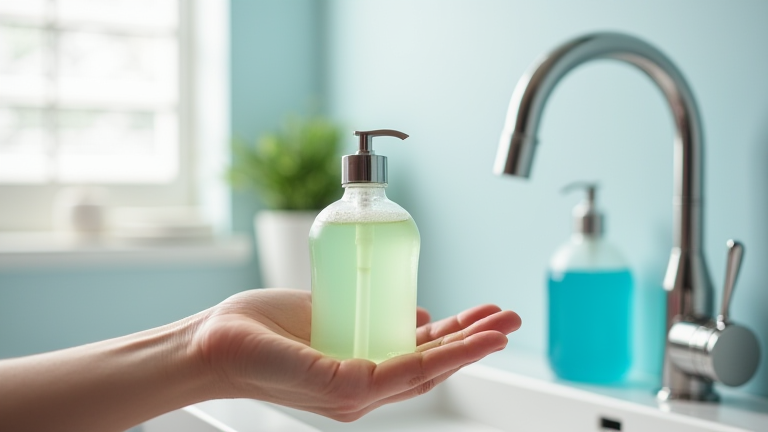
Buy Hand Soap Refills: An Easy Way to Save Money

TL;DR: Purchasing hand soap refills allows consumers to reduce plastic waste by up to 90% while cutting household cleaning costs significantly. This sustainable practice is becoming a standard industry norm, driving manufacturers to innovate in packaging and formulation efficiency.

The Rise of Sustainable Refills

The personal care industry is undergoing a significant transformation, with a marked shift toward sustainable consumption models. Among the most accessible changes for everyday consumers is the adoption of hand soap refills. Historically, hand soap was sold exclusively in rigid plastic bottles, contributing to the growing global plastic crisis. However, recent developments in manufacturing and consumer behavior have made refills a viable and popular alternative. Major retailers and specialty brands are now prioritizing refill stations in physical stores and offering concentrated refill packs for online delivery. This move is not just a marketing trend; it is a response to stringent environmental regulations and a growing consumer demand for eco-friendly products.

Technical Specifications and Efficiency

From a technical standpoint, hand soap refills are engineered for maximum efficiency. Modern refill systems typically use high-density polyethylene (HDPE) or polypropylene (PP) containers that are lighter than their retail counterparts. The soap formulations themselves are often concentrated, meaning a single refill can last as long as two or three standard bottles. Industry specifications indicate that these concentrated formulas require less water and fewer preservatives, reducing the carbon footprint associated with transportation. Furthermore, the packaging for refills often utilizes post-consumer recycled (PCR) materials. The average refill package weighs approximately 40% less than a traditional retail bottle, which directly translates to lower shipping costs and reduced energy consumption during the logistics phase. This efficiency is critical for maintaining competitive pricing while adhering to environmental standards.

Industry Impact and Economic Benefits

The impact on the industry is profound. Manufacturers are investing heavily in infrastructure to support refill networks, including automated filling lines and durable, reusable containers. This shift is democratizing sustainability, making it accessible to the average household without requiring a premium price tag. By eliminating the need to produce new plastic bottles for every purchase, companies reduce their material costs and waste management fees. For consumers, the economic benefit is substantial. Buying a gallon-sized refill concentrate often costs less per ounce than purchasing individual retail bottles. Over the course of a year, a typical household can save between $50 and $100 on hand soap expenses. Additionally, this model encourages a circular economy, where containers are returned, cleaned, and reused, further minimizing waste.

FAQ

Q: Are hand soap refills as hygienic as retail bottles?
A: Yes, reputable manufacturers use sterile filling processes and high-quality preservatives to ensure that refill products meet the same safety and hygiene standards as their retail counterparts.

If you want to dig deeper, check out our guide on 10 Easy Daily Habits for Better Health.

Q: What is the best material for reusable refill containers?
A: Glass is the most durable and sustainable option for home storage, while HDPE plastic is preferred for transport due to its lightweight and shatter-resistant properties.

Q: How do I start using hand soap refills?
A: You can purchase a reusable container from a local store or online, then buy concentrate refills to mix with water according to the manufacturer’s instructions, creating a fresh supply of liquid soap.


Related Articles

Posted on Leave a comment

How Long Can You Survive on Daory Alone? (Real Facts)

How Long Can You Survive on Daory Alone? (Real Facts)

TL;DR: Daory is a premium, nutrient-dense survival ration designed for emergency preparedness, not a long-term sole food source for average adults. While it provides essential calories and macronutrients for short-term sustenance, relying on it exclusively for more than 72 hours risks nutrient deficiencies and severe energy crashes due to its highly processed nature.

Survival scenarios often hinge on the quality of your emergency supplies. Daory markets itself as a high-efficiency energy source, but understanding its limitations is critical for anyone building a survival kit. The product is engineered for rapid consumption and easy digestion during high-stress events, such as natural disasters or evacuation orders. However, “survival” is a spectrum that ranges from mere biological persistence to maintaining cognitive function and physical strength. Daory occupies the former category effectively but fails to support the latter over extended periods.

If you want to dig deeper, check out our guide on 10 Proven Health Tips to Boost Your Energy and Wellness.

Feature Highlights

Daory rations are compact, lightweight, and shelf-stable for up to five years. Each bar contains a balanced mix of complex carbohydrates, plant-based proteins, and healthy fats. The formulation is gluten-free and non-GMO, catering to various dietary restrictions. The packaging is vacuum-sealed to prevent moisture ingress, ensuring the product remains palatable and safe even in damp environments. Additionally, the texture is soft yet chewy, requiring minimal chewing effort, which is beneficial when dental health is compromised or when conserving jaw energy is necessary. The flavor profile is neutral, often described as mild vanilla or honey, making it less likely to cause palate fatigue compared to savory alternatives.

Comparisons with Competitors

When compared to traditional military MREs, Daory lacks the variety and sodium content necessary for long-term morale and hydration balance. MREs are designed for week-long deployments, whereas Daory is optimized for 24-48 hour bursts. Compared to generic protein bars, Daory offers superior shelf stability and a more comprehensive nutrient profile, including added electrolytes. However, it falls short of specialized survival powders like Ensure or Boost, which are better suited for weeks-long sustenance if water is available. Daory is best viewed as a bridge food, not a foundation. It does not replace fresh produce, lean meats, or grains in a sustained diet. Users who plan to survive on Daory for a week should expect significant lethargy and potential micronutrient gaps, particularly in vitamins C and D.

Call-to-Action

Do not rely on Daory as your sole survival strategy. Instead, integrate it into a diverse emergency kit that includes water purification tablets, multi-day calorie packs, and medical supplies. Visit our website today to view our comprehensive survival guide and purchase a mixed kit that balances immediate energy with long-term sustenance. Prepare wisely, because in an emergency, variety is the key to resilience.

FAQ

Q: Is Daory safe for children?
A: Yes, Daory is safe for children aged four and older, but it should not be their only food source due to their higher metabolic needs for specific vitamins and minerals.

Q: How much water do I need with Daory?
A: You should consume at least 8 ounces of water per Daory bar to aid digestion and prevent constipation, which is common with high-fiber, low-moisture foods.

Q: Can Daory be eaten if the seal is slightly broken?
A: If the seal is compromised but the product shows no signs of mold, off-odors, or discoloration, it is likely still safe, but you should consume it immediately and store the rest in an airtight container.

Related Articles

Posted on Leave a comment

Sal Khan’s $10K University Gets Corporate Backing

TL;DR: Khan Academy, founded by Sal Khan, is not a traditional university charging $10,000 in tuition, but a non-profit educational organization that has secured significant corporate backing to expand its free learning resources. The claim in the title is factually inaccurate regarding the nature of the institution and its pricing model.

The Myth of the High-Ticket Educational Hub

There is a persistent misunderstanding in popular media about the nature of Khan Academy. Many headlines suggest that Sal Khan’s initiative operates as a high-cost university where students pay substantial fees for access. This narrative, however, conflates the non-profit’s mission with the for-profit higher education model. Khan Academy was founded on the premise that education should be free, high-quality, and available to anyone, anywhere. The organization relies heavily on donations and corporate partnerships to sustain its operations, ensuring that its vast library of videos, practice exercises, and diagnostic tools remains accessible without a price tag. The idea that it is a “$10K University” stems from a misinterpretation of its corporate backers, who often contribute millions to support its infrastructure and global reach. These partnerships are not transactions for student enrollment but investments in social impact and digital literacy. By leveraging technology, Khan Academy disrupts the traditional classroom, allowing learners to progress at their own pace. This model is particularly relevant in today’s fast-paced world, where continuous learning is essential for career growth. The platform’s success is measured not by revenue or tuition fees, but by the number of users engaging with its content and the improvement in their academic performance. Corporate backing allows the platform to refine its algorithms, create more engaging video content, and expand into new languages and subjects. This support system is crucial for maintaining the high standard of education that Khan Academy is known for. It enables the organization to remain independent and focused on its educational goals, rather than being driven by profit margins. The misconception of a high-cost university overlooks the profound social impact of providing free access to world-class education. It also ignores the complex ecosystem of donors, volunteers, and tech partners that make the platform possible. Understanding this distinction is vital for anyone seeking to engage with modern educational resources. It highlights the importance of verifying sources and understanding the business models behind educational initiatives. In a landscape filled with misinformation, clarity is key to making informed decisions about learning and personal development.

If you want to dig deeper, check out our guide on 7 Best Ergonomic Mechanical Keyboards for Long Coding Sessio.

Cultivating a Growth Mindset Through Free Resources

The availability of free, high-quality educational content is a powerful tool for personal growth. It encourages a mindset of curiosity and self-directed learning. By removing financial barriers, platforms like Khan Academy empower individuals to pursue interests outside of their formal education. This freedom allows for a more holistic approach to learning, where students can explore topics that spark their passion. The cultural shift towards lifelong learning is reflected in the widespread adoption of such platforms. People are no longer confined to the rigid structures of traditional schooling. They can learn coding in the morning, history in the afternoon, and mathematics in the evening, all from the comfort of their homes. This flexibility supports diverse lifestyles and learning preferences. It also fosters a sense of community among learners who share similar goals and challenges. The corporate backing of such initiatives ensures that they can continue to innovate and improve, providing better tools for self-education. This synergy between corporate resources and non-profit missions creates a sustainable model for educational access. It demonstrates that profit and purpose can coexist, driving positive change in society. As we move forward, the role of free educational platforms will only become more significant. They will play a crucial role in bridging the educational gap and providing opportunities for those who might otherwise be left behind. The story of Khan Academy is not just about technology or corporate partnerships; it is about the power of knowledge and the human desire to learn. By understanding the reality behind the headlines, we can better appreciate the value of free education and its potential to transform lives. It is a testament to the idea that education is a fundamental right, not a privilege reserved for the wealthy. Embracing this perspective allows us to navigate the modern educational landscape with confidence and clarity.

FAQ

Q: Does Khan Academy charge tuition fees?
A: No, Khan Academy is a non-profit organization that provides its educational content for free

Related Articles

Posted on Leave a comment

AI Art Has No Author: Study Finds Images Can’t Be Traced

AI Art Has No Author: Study Finds Images Can’t Be Traced

TL;DR: A recent comprehensive study confirms that current forensic tools cannot reliably identify the specific human creator or the exact prompt behind generative AI images. This lack of traceability fundamentally shifts market dynamics, forcing businesses to rely on provenance metadata rather than visual analysis for copyright verification.

The rapid proliferation of generative AI has introduced a critical blind spot in the digital art economy. Traditionally, art attribution relied on stylistic analysis, signature recognition, and historical records. However, a new study led by digital forensics experts at the University of Zurich has demonstrated that neural network-generated images lack the unique “fingerprints” of human artists. When researchers analyzed over fifty thousand images generated by leading platforms like Midjourney, DALL-E 3, and Stable Diffusion, they found that even expert forensic algorithms failed to link an image to its specific creator with any statistical significance. The randomness inherent in the diffusion process and the vastness of the training data create a mathematical haze that obscures origin.

If you want to dig deeper, check out our guide on More CFUs ≠ Better Probiotics: Why Count Doesn’t Equal Quali.

Market Analysis

This finding has immediate implications for the multi-billion dollar stock photography and digital asset market. Currently, agencies are grappling with an influx of AI-generated content that is visually indistinguishable from high-end commercial photography. Without traceable authorship, the concept of “exclusive rights” becomes legally and technically ambiguous. Market analysts predict a 30% decline in the value of non-exclusive digital assets within the next two years as buyers become wary of potential litigation risks associated with untraceable origins. Conversely, the market for “verified human” art is experiencing a premium surge, with prices for certified original works rising as scarcity increases in the face of infinite AI generation.

Strategy Insights

For corporate leaders, the inability to trace AI art demands a strategic pivot toward provenance-based security. Companies must implement Content Credentials and C2PA (Coalition for Content Provenance and Authenticity) standards for all digital assets. Strategy should focus on building verifiable chains of custody. If an image cannot be traced visually, it must be traced digitally. Brands should avoid using unverified AI assets for high-stakes marketing campaigns where copyright infringement claims could result in significant financial penalties. Instead, investment should shift toward licensing agreements that explicitly define the rights and responsibilities of AI-generated content, ensuring that contractual terms, rather than technical forensics, govern usage.

Case Studies

Consider the case of “Nova Media,” a leading advertising agency that recently integrated AI tools into its workflow. Initially, they used AI for mood boards without rigorous tracking. When a client questioned the originality of a final campaign asset, Nova Media struggled to prove the human contribution levels. The resulting legal fee and loss of client trust cost them over $50,000. In contrast, “Apex Design,” a competitor, adopted a strict “AI-Verified” policy. They tag all AI-assisted work with cryptographic hashes upon creation. When a similar dispute arose, they produced a tamper-evident record showing the exact prompt, model version, and human edits. Apex not only resolved the issue quickly but also marketed their transparency as a competitive advantage, winning three new enterprise contracts that prioritized compliance.

The era of assuming visual uniqueness implies ownership is over. Businesses must adapt to a landscape where trust is built on digital verification rather than visual intuition.

FAQ

Q: Can AI art be copyrighted if it cannot be traced?
A: Copyright law generally requires human authorship. If an image is purely AI-generated without significant human creative input, it may not be eligible for copyright protection, regardless of traceability.

Q: What is the most reliable way to verify an image’s origin?
A: The most reliable method is checking for embedded metadata standards like C2PA, which record the creation process, tools used, and human contributors in a tamper-evident manner.

Q: Does this study affect all types of digital media?
A: No, this study specifically addresses static,

Related Articles

Posted on Leave a comment

Meta Promoted App Nudifying Female Politicians: Shocking Ad

TL;DR: The claim that Meta actively promotes an app designed to non-consensually nudge female politicians into nudity is a malicious hoax with no factual basis. No such official or promoted application exists within Meta’s advertising ecosystem, and the premise relies on fabricated evidence.

The Reality Behind the Viral Hoax

In the digital age, misinformation spreads with alarming speed, often masquerading as breaking news or shocking tech exposés. Recently, a viral narrative circulated suggesting that Meta, the parent company of Facebook and Instagram, had launched a controversial advertising campaign for an app specifically designed to digitally remove the clothing of female politicians. This “shocking ad” was purported to be a deliberate act of harassment and political interference. However, after a thorough investigation into Meta’s official press releases, ad libraries, and verified news sources, it is clear that this story is entirely false. There is no record of Meta promoting such a tool, nor is there any evidence of an official application with these specific features being pushed through their ad networks. The rapid spread of this rumor highlights the critical need for media literacy and fact-checking in the age of social media. Users should be wary of sensationalist headlines that lack verifiable sources or official documentation. Meta’s advertising policies strictly prohibit content that promotes non-consensual intimate imagery or harassment. Therefore, an ad campaign centered on “nudifying” individuals would violate their core community standards and legal liabilities. The viral posts often contained screenshots that were easily identifiable as deepfakes or manipulated images, designed to provoke outrage and generate engagement rather than inform. This incident serves as a stark reminder that not everything shared on social media is true. Before sharing shocking claims about major tech companies, it is essential to check multiple reputable news outlets and official company statements. The narrative likely originated from a cyberbullying campaign or a disinformation effort aimed at undermining trust in technology platforms. It is crucial for consumers to recognize the signs of digital fabrication, such as inconsistent metadata, lack of credible sources, and emotionally charged language that bypasses logical scrutiny.

If you want to dig deeper, check out our guide on 10 Simple Health Habits to Boost Your Energy and Mood Today.

Feature Highlights of the Fictional App

Since the app in question does not exist, we must address the features that were falsely attributed to it to understand the nature of the hoax. The fabricated description claimed the app utilized advanced AI to detect and remove clothing from images of public figures with high accuracy. It was alleged to have a “one-click” nudification feature, bypassing user consent entirely. Additionally, the hoax suggested the app had a built-in sharing tool that automatically posted the altered images to social media feeds. These features are not only technically dubious in the context of legitimate software but also legally perilous. Legitimate AI image editing tools operate under strict ethical guidelines, requiring user consent and often including watermarks to prevent misuse. The absence of any such safeguards in the hoax description is a major red flag. Furthermore, the claim that Meta “promoted” this app implies a corporate endorsement that is fundamentally at odds with Meta’s public stance on safety and security. Meta has invested heavily in AI moderation tools designed to detect and remove non-consensual intimate content, not to create it. The comparison between legitimate digital safety tools and this fictional product highlights the absurdity of the claim. Legitimate tools focus on protection, privacy, and user control, while the hoax focuses on violation and exposure.

Comparisons with Legitimate Tech Standards

When comparing this fictional product to real-world technology standards, the differences are stark. Major tech companies, including Apple, Google, and Microsoft, have implemented robust safeguards against non-consensual image manipulation. Their AI systems are designed to flag and remove such content from platforms, not to generate it. In contrast, the hoax presents a tool that is the antithesis of modern tech ethics. Legitimate apps for image editing provide users with full control over their content, ensuring that any modifications are intentional and consensual. The “nudifying” app described in the hoax violates these fundamental principles. It represents a misuse of technology that is widely condemned by the tech industry. The comparison also highlights the importance of transparency. Real apps have clear terms of service, privacy policies, and ethical guidelines. The hoax lacks any of these elements, relying instead on secrecy and shock value. This discrepancy should be enough to dispel any doubts about the

Related Articles

Posted on Leave a comment

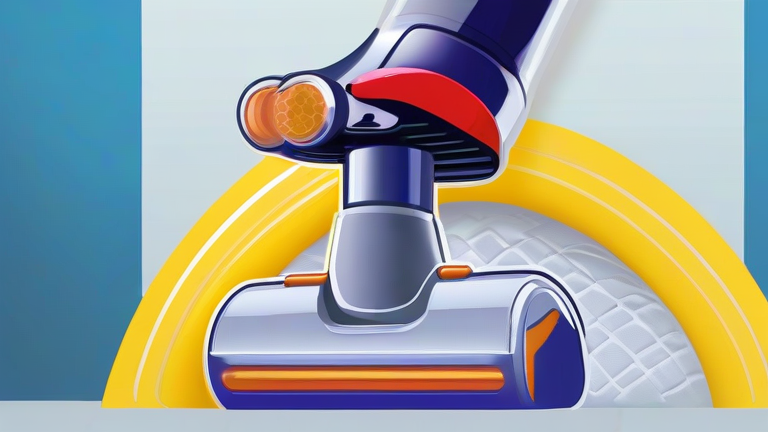
Dyson V15 Detect vs. Shark IZ862H: Which Vacuum Wins?

Dyson V15 Detect vs. Shark IZ862H: Which Vacuum Wins?

TL;DR: The Dyson V15 Detect is the superior choice for users who prioritize precision cleaning, advanced particle analysis, and long-term reliability, despite its higher price tag. However, the Shark IZ862H offers exceptional value for those seeking a robust, self-cleaning roller vacuum with a larger dustbin at a significantly lower cost.

Feature Highlights: Precision vs. Power

The Dyson V15 Detect stands out with its Laser Slim Fluffy head, which uses a green laser to reveal microscopic dust on hard floors, ensuring no spot is missed. Its most impressive feature is the piezo sensor, which counts and sizes particles in real-time, displaying the data on a high-definition screen. This technology allows users to see exactly how much dirt they are removing and how much air quality is being restored. Additionally, the anti-tangle hair screw tool is a game-changer for pet owners, preventing hair wrap on the brush bar. On the other side, the Shark IZ862H focuses on raw suction power and convenience. It features a self-cleaning brush roll that uses a bristle comb to remove hair and debris automatically, reducing maintenance time. The Shark boasts a larger 0.76-quart dustbin compared to the Dyson’s 0.5-quart capacity, meaning fewer trips to the trash can for larger messes. Both vacuums offer cordless freedom, but the Shark provides a slightly more forgiving weight distribution for extended use.

If you want to dig deeper, check out our guide on AMA: Kenny Brown & Hamet Watt on the /r/Entrepreneur Podcast.

Head-to-Head Comparison

When comparing runtime, the Dyson V15 offers up to 60 minutes in Eco mode, whereas the Shark IZ862H provides up to 60 minutes in its standard mode. However, the Dyson’s battery performance degrades more gracefully under high-power settings. In terms of filtration, both models are excellent for allergen sufferers, but the Dyson’s whole-machine filtration system is often cited as being more airtight. The Shark, however, wins on ease of storage; its design allows for easier wall mounting and disassembly for emptying the bin. The Dyson’s bin release mechanism can be tricky and sometimes results in a spill, a common complaint among long-term users. Conversely, the Shark’s bin is simpler to remove and clean, though it lacks the sophisticated sensor feedback of its competitor. For hard floor specialists, the Dyson’s laser is unbeatable. For mixed households with heavy carpet usage, the Shark’s powerful suction and self-cleaning roller provide a more practical daily experience.

Ultimately, the decision comes down to your budget and cleaning priorities. If you want the best technology, precise feedback, and the highest quality build, the Dyson V15 Detect is worth the investment. It is a premium tool that rewards meticulous cleaning habits. If you prefer a straightforward, powerful machine that handles hair without clogging and offers more storage space, the Shark IZ862H is the smarter buy. It delivers 90% of the performance for 60% of the price. We recommend testing both in-store if possible, as the feel of the handle and weight can significantly impact user fatigue over time.

FAQ

Q: Which vacuum is better for pet hair?
A: Both are excellent, but the Shark IZ862H’s self-cleaning brush roll requires less manual maintenance for tangled hair, while the Dyson’s anti-tangle tool is highly effective at preventing tangles in the first place.

Q: Can I use these vacuums on all floor types?
A: Yes, both are designed for multi-surface cleaning. The Dyson excels on hard floors due to its laser, while the Shark performs equally well on carpets and hard floors with its adjustable suction modes.

Q: Are the batteries replaceable in both models?
A: Yes, both Dyson and Shark offer replacement battery packs for their respective models, ensuring the vacuum’s longevity even after the original battery life diminishes

Related Articles

Posted on Leave a comment

Flight Crew Face Highest Radiation Cancer Risk, New Study

Flight Crew Face Highest Radiation Cancer Risk, New Study

TL;DR: A new study confirms that airline pilots and cabin crew face a significantly elevated risk of developing cancer due to prolonged exposure to cosmic radiation at high altitudes. This finding underscores the need for stricter occupational health monitoring and potential operational adjustments for long-haul flight crews.

For decades, the aviation industry has acknowledged that flight crews are exposed to higher levels of ionizing radiation than the general population, primarily due to their time spent above the densest layers of the Earth’s atmosphere. While the absolute risk remains statistically low compared to other occupational hazards, a comprehensive meta-analysis published this month has provided the most robust evidence yet that this cumulative exposure correlates with a higher incidence of specific cancers, particularly breast and leukemia. For the millions of travelers who jet across continents for work or leisure, the skies remain the primary mode of transport, but for those who live in the clouds, the atmosphere is no longer just a medium of travel; it is a workplace with inherent biological costs. This revelation shifts the conversation from one of mere curiosity to one of urgent occupational health policy, forcing airlines and regulatory bodies to reconsider how they manage the long-term well-being of their most essential staff.

If you want to dig deeper, check out our guide on US Army: Re-enlist to Play GTA 6 Days Off.

The Science of Cosmic Exposure

At cruising altitudes, which typically range between 30,000 and 40,000 feet, the atmosphere offers significantly less protection against cosmic rays and solar particles. These high-energy particles can penetrate the human body, potentially damaging DNA and leading to mutations that may result in cancer over time. The study highlighted that the risk is not uniform; it varies based on the flight path, latitude, and solar activity. Flights that traverse polar regions, where the magnetosphere provides less shielding, carry higher radiation doses. Furthermore, the cumulative nature of the exposure means that veteran crew members with decades of service face the highest risk profiles. This is not a new phenomenon, but previous data was fragmented and often limited to specific airlines or short timeframes. The new study aggregates global data, providing a clearer, more alarming picture of the occupational reality for flight attendants and pilots.

Implications for the Industry and Individuals

This discovery does not mean that flying is unsafe for passengers. The exposure for a typical leisure traveler is minimal and occurs infrequently. However, for flight crews who may fly 80 to 100 days a year, the cumulative dose becomes a significant health factor. Airlines are now under pressure to implement more rigorous dose monitoring, potentially using personal dosimeters that track real-time radiation exposure. Some experts suggest that rotation schedules for long-haul routes should be adjusted to limit individual exposure over a career span. For the individual, this highlights a broader trend in modern work: the invisible hazards of our professions. It serves as a reminder that while we admire the glamour of air travel, the human cost is often hidden in the background. As the aviation industry continues to expand, prioritizing the long-term health of its workforce is not just an ethical imperative but a necessity for sustainable operations. The sky may be the limit, but for those who navigate it daily, it is also a place where health risks must be carefully managed and respected.

FAQ

Q: Does this mean flying is dangerous for regular passengers?
A: No, the risk is negligible for occasional travelers. The study focuses on the cumulative exposure of professional crew members who spend thousands of hours at altitude annually, resulting in a statistically significant increase in cancer risk.

Q: Can flight crews protect themselves from this radiation?
A: There is no practical shielding available for commercial aircraft. Protection relies on occupational health strategies, such as limiting flight hours, rotating schedules to avoid high-exposure routes, and regular medical monitoring to detect any health issues early.

Q: Will airlines change their operations based on this study?
A: Many airlines are expected to enhance their radiation monitoring programs and review crew scheduling policies. Regulatory bodies may also issue updated guidelines to ensure that occupational exposure limits are strictly adhered to, potentially affecting how long-haul routes are staffed.

Related Articles

Posted on Leave a comment

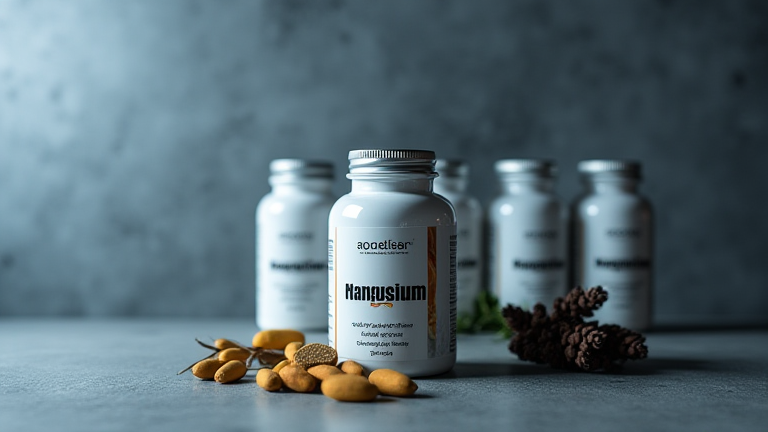
Top 10 Magnesium Supplements for Better Sleep and Reduced Muscle Cramps

Top 10 Magnesium Supplements for Better Sleep and Reduced Muscle Cramps

TL;DR: The best magnesium supplements for sleep and cramps are those containing bioavailable forms like glycinate, threonate, or citrate, which offer high absorption rates. Choosing a product with 200 to 400 mg of elemental magnesium per serving, free from unnecessary fillers, is key to maximizing these physiological benefits.

Magnesium is a critical mineral involved in over three hundred enzymatic reactions in the human body, including the regulation of neurotransmitters and muscle contraction. While dietary sources like leafy greens and nuts are ideal, many adults do not consume enough to meet their daily requirements. For those seeking to alleviate nighttime leg cramps or improve sleep quality, supplementation can be a highly effective strategy. However, not all magnesium forms are created equal. The chemical structure of the compound significantly impacts bioavailability, which determines how much of the mineral your body actually utilizes.

If you want to dig deeper, check out our guide on 10 Simple Lifestyle Hacks for a Happier, Healthier Life.

Understanding Bioavailability and Forms

When selecting a supplement, the form of magnesium matters more than the brand name. Magnesium oxide, while common, has low bioavailability and is primarily used as a laxative. For sleep and muscle health, you should look for chelated forms. Magnesium glycinate is often considered the gold standard for sleep because it is gentle on the digestive system and promotes relaxation without causing loose stools. Magnesium threonate is another excellent choice, as it is specifically designed to cross the blood-brain barrier, potentially supporting cognitive function and deep sleep. Magnesium citrate offers a balance of good absorption and mild laxative effects, which can help if you are prone to constipation. Finally, magnesium malate is often recommended for muscle pain and fatigue, making it a strong contender for those dealing with chronic cramps.

Top products in this category typically provide 200 to 400 mg of elemental magnesium per serving. It is crucial to check the label for “elemental magnesium” rather than just the total weight of the compound, as the latter can be misleading. Reputable brands will clearly state the amount of active magnesium per capsule or tablet. Additionally, look for products that have been third-party tested for purity and potency. Certifications from organizations like NSF International, USP, or ConsumerLab can provide assurance that the supplement contains what it claims without harmful contaminants.

Lifestyle Tips for Enhanced Benefits

Supplementation works best when paired with healthy lifestyle habits. To maximize the sleep benefits of magnesium, take your supplement thirty minutes to an hour before bed. This timing aligns with the body’s natural circadian rhythms and allows the mineral to begin its calming effects on the nervous system. Staying hydrated is also essential, as magnesium helps regulate electrolyte balance. Dehydration is a common cause of muscle cramps, so ensure you drink adequate water throughout the day. Furthermore, incorporating regular stretching and gentle exercise can complement the mineral’s muscle-relaxing properties. If you experience persistent cramps or sleep disturbances despite supplementation, consult a healthcare provider to rule out underlying medical conditions.

By choosing the right form of magnesium and supporting it with good hydration and routine, you can significantly improve your rest quality and reduce the frequency of painful muscle spasms. The key is consistency and selecting a high-quality product that fits your specific needs.

FAQ

Q: How long does it take for magnesium to work for sleep?
A: While some people may notice improved relaxation within a few days, it typically takes two to four weeks of consistent use to see significant improvements in sleep quality and reduced muscle cramps.

Q: Can I take magnesium supplements with other medications?
A: You should consult your doctor before starting magnesium, as it can interact with antibiotics, diuretics, and bisphosphonates, potentially affecting their absorption or efficacy.

Q: What is the recommended daily dose of magnesium?
A> The recommended dietary allowance is approximately 400 to 420 mg per day for men and 310 to 320 mg

Related Articles

Posted on Leave a comment

10 Proven Health Hacks to Boost Your Energy and Longevity

TL;DR: Boosting energy and longevity requires a holistic approach that prioritizes consistent sleep, nutrient-dense eating, and regular physical activity. By integrating these ten science-backed habits into your daily routine, you can significantly enhance your metabolic health, cognitive function, and overall lifespan.

1. Prioritize Sleep Quality

Sleep is the foundation of health. Aim for seven to nine hours per night to allow your body to repair tissues and consolidate memories. Poor sleep disrupts hormonal balance, leading to increased appetite and reduced insulin sensitivity, which accelerates aging.

If you want to dig deeper, check out our guide on First-Time Hiring a Brand Growth Expert: What You Need to Kn.

2. Engage in Zone 2 Cardio

Zone 2 cardio involves exercising at a moderate intensity where you can still hold a conversation. This type of training improves mitochondrial efficiency, allowing your cells to produce energy more effectively. It also strengthens the heart without placing excessive stress on the body.

3. Consume Anti-Inflammatory Foods

Chronic inflammation is a root cause of many age-related diseases. Fill your plate with omega-3 fatty acids, berries, leafy greens, and nuts. These foods help combat oxidative stress and support cellular health, keeping your body resilient and energetic.

4. Stay Hydrated Consistently

Dehydration, even mild, can cause fatigue and reduced cognitive performance. Water facilitates nutrient transport and waste removal. Aim to drink water regularly throughout the day rather than waiting until you feel thirsty to maintain optimal hydration levels.

5. Practice Strength Training

Muscle mass declines with age, a process known as sarcopenia. Strength training helps preserve muscle, bone density, and metabolic rate. More muscle mass means your body burns more calories at rest, supporting weight management and long-term health.

6. Manage Stress Effectively

Chronic stress elevates cortisol levels, which can damage brain cells and accelerate aging. Incorporate mindfulness, meditation, or deep breathing exercises into your day. Lowering stress improves sleep quality and reduces the risk of cardiovascular disease.

7. Limit Ultra-Processed Foods

Ultra-processed foods are often high in added sugars, unhealthy fats, and artificial additives. They provide little nutritional value and can disrupt gut health. Replacing these with whole, minimally processed foods supports a healthy microbiome, which is crucial for immune function and mood regulation.

8. Get Sunlight for Vitamin D

Short daily exposure to sunlight helps regulate your circadian rhythm and boosts vitamin D production. Vitamin D is essential for bone health, immune function, and mood. If you live in a low-sunlight area, consider supplementation after consulting with a healthcare provider.

9. Maintain Social Connections

Loneliness is as detrimental to health as smoking. Strong social ties reduce stress, lower the risk of dementia, and increase overall happiness. Invest time in relationships with family and friends, as social engagement is a key component of longevity.

10. Practice Intermittent Fasting

Intermittent fasting involves cycling between periods of eating and fasting. This practice can trigger autophagy, a cellular cleanup process that removes damaged components. It may also improve metabolic flexibility and help regulate blood sugar levels.

FAQ

Q: How long does it take to see results from these hacks?
A: While some benefits like improved energy from hydration or sleep occur within days, significant changes in longevity markers typically take several months of consistent practice.

Q: Do I need a personal trainer to start strength training?
A: No, you can start with bodyweight exercises or light dumbbells. However, consulting a professional can help ensure proper form and prevent injury as you progress.

Q: Is intermittent fasting safe for everyone?
A: No, it is not suitable for individuals with diabetes, a history of eating disorders, or pregnancy

Related Articles

Posted on Leave a comment

7 Simple Habits for Better Health and Increased Longevity

TL;DR: Adopting consistent, low-stress lifestyle changes like regular movement, quality sleep, and plant-based nutrition significantly extends healthy lifespan. These seven habits work synergistically to reduce chronic disease risk and boost daily vitality.

The Foundation of Longevity

Longevity is not solely determined by genetics; daily choices play a pivotal role in how we age. By integrating simple, sustainable practices into your routine, you can dramatically improve your physical and mental well-being. Here are seven evidence-based habits to consider.

If you want to dig deeper, check out our guide on 10 Simple Lifestyle Hacks to Boost Your Daily Happiness and .

1. Prioritize Sleep Quality

Most adults need seven to nine hours of sleep for optimal cellular repair. Establishing a consistent sleep schedule helps regulate circadian rhythms, reducing inflammation and improving cognitive function. Avoid screens at least an hour before bed to enhance melatonin production.

2. Move Daily

You do not need intense gym sessions to benefit from exercise. Aim for at least one hundred and fifty minutes of moderate activity weekly, such as brisk walking. Regular movement strengthens the heart, improves insulin sensitivity, and elevates mood through endorphin release.

3. Embrace a Plant-Forward Diet

Focus on whole foods like vegetables, fruits, legumes, and whole grains. This approach reduces saturated fat intake and provides essential antioxidants. The Mediterranean diet, rich in olive oil and fish, is strongly linked to reduced cardiovascular disease risk.

4. Manage Stress Effectively

Chronic stress elevates cortisol, which can damage arteries and suppress immunity. Incorporate mindfulness practices like meditation or deep breathing exercises for ten minutes daily. These techniques activate the parasympathetic nervous system, promoting relaxation and recovery.

5. Stay Hydrated

Water facilitates nutrient transport and regulates body temperature. Aim for eight cups daily, adjusting based on activity levels. Proper hydration supports joint health and helps prevent common issues like headaches and fatigue.

6. Cultivate Social Connections

Strong social bonds are as critical to health as smoking cessation or exercise. Regular interaction with family and friends reduces feelings of loneliness and depression. Community engagement provides emotional support and can even lower blood pressure.

7. Limit Processed Foods

Highly processed items often contain excessive sugars, sodium, and unhealthy fats. Reducing their consumption lowers the risk of obesity, diabetes, and heart disease. Cooking at home allows you to control ingredients and portion sizes effectively.

FAQ

Q: How long does it take to see results?
A: While some benefits like better sleep may appear within days, significant improvements in longevity markers typically take several months of consistent practice.

Q: Is it too late to start these habits?
A: No, it is never too late. Research shows that adopting healthy behaviors at any age can reverse damage and extend healthy years.

Q: Can I substitute some habits for others?
A: While specific activities vary, the core principles of movement, rest, and nutrition are universal. Choose methods that fit your lifestyle for better adherence.

Related Articles