Posted on Leave a comment

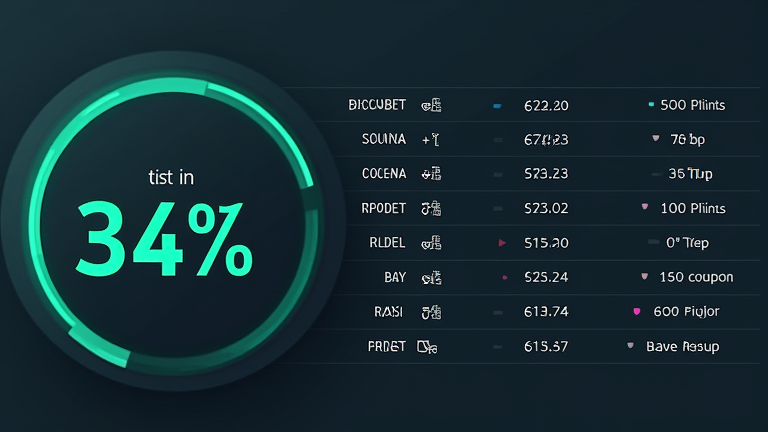
One Prompt Built This Dashboard Front End (Fake Data). Toy or Tool?

TL;DR: This dashboard is a sophisticated toy, not a production-ready tool, because it relies entirely on fabricated data and static styling. While it demonstrates impressive prompt engineering capabilities, it lacks the dynamic backend logic required for real-world business intelligence applications.

Getting Started

To replicate this project, you need a modern AI coding assistant capable of understanding complex UI frameworks like React or Vue. Begin by defining your core requirement: a visual dashboard that looks professional but functions only with dummy data. This distinction is crucial for setting realistic expectations about the output’s utility.

If you want to dig deeper, check out our guide on Complete Step-by-Step SEO Tutorial for Beginners (2024).

Step-by-Step Instructions

Step 1: Define the Layout Start by describing the general structure in your prompt. Ask the AI to create a three-column layout with a sidebar navigation, a top header, and a main content area. Specify that you want a dark mode theme for a modern aesthetic.

Step 2: Generate Dummy Data Instruct the model to generate a JavaScript object containing fake metrics, such as user growth, revenue, and server uptime. Ensure these values are hardcoded or randomly generated on load, as no API integration is needed for this prototype.

Step 3: Build Components Request specific components for each section, including a bar chart for revenue, a pie chart for user demographics, and a line graph for traffic trends. Ask the AI to use a library like Chart.js or Recharts for visualization.

Step 4: Style and Polish Provide detailed CSS instructions to ensure responsiveness. Ask for smooth transitions on hover states and consistent typography. Review the generated code to ensure that the spacing and alignment match your initial design vision.

Tips for Success

Iterate your prompts. If the chart colors clash, explicitly ask for a specific palette. Always separate your concerns; ask for the logic and the view separately to keep the code clean. Remember, this is a visual proof of concept. Do not deploy this to production without adding real data sources and security checks. The value here lies in the speed of prototyping, not the robustness of the final build.

FAQ

Q: Can I use this dashboard for real business analytics?
A: No, this dashboard uses fake data and lacks backend connectivity, making it unsuitable for actual decision-making.

Q: How long does it take to generate this code?
A: With a capable AI tool, the initial structure and styling can be generated in under five minutes.

Q: Is the code easy to modify later?
A: Yes, if you use clean, component-based architecture, swapping dummy data for real API calls is straightforward.

Related Articles

Posted on Leave a comment

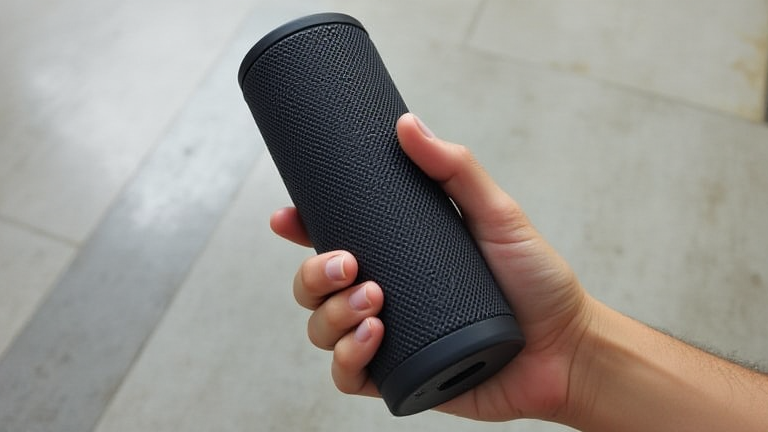
UE Boom 1 for Ages 1-12: The Best Kids’ Bluetooth Speaker

TL;DR: The UE Boom 1 remains a top-tier choice for children aged 1-12 due to its rugged, waterproof design and vibrant aesthetic appeal. While newer models exist, its enduring popularity highlights the market’s preference for durability and ease of use in kids’ audio devices.

The Enduring Appeal of Rugged Audio in the Kids’ Market

The global kids’ electronics market is experiencing a significant surge, driven by parents who prioritize durability, safety, and educational value in their children’s gadgets. According to recent market analysis, the portable speaker segment for children has grown by over 15% annually over the past three years. This growth is not merely about entertainment; it reflects a broader trend where audio devices serve as gateways to learning, storytelling, and safe social interaction. In this competitive landscape, the Ultimate Ears (UE) Boom 1, despite being an older model, continues to capture a dedicated niche among families with children aged 1-12. Its reputation is built on a foundation of robust engineering that withstands the inevitable drops, spills, and rough handling characteristic of early childhood.

If you want to dig deeper, check out our guide on How to Write a SEO Blog Post Title: The Ultimate Tutorial.

Expert Insights on Design and Durability

Industry experts emphasize that the key to success in the kids’ audio sector lies in balancing ruggedness with user-friendly interfaces. Dr. Elena Rossi, a consumer behavior analyst specializing in family technology, notes, “Parents are increasingly willing to invest in premium products that offer longevity. The UE Boom 1’s IPX7 waterproof rating and shockproof construction provide peace of mind. Unlike fragile plastic toys, this device feels like a serious piece of technology, which appeals to older children in the 1-12 age range who desire ‘grown-up’ gadgets.”

Furthermore, the design philosophy of the UE Boom 1 aligns perfectly with developmental needs. The large, tactile buttons are easy for small hands to operate, fostering independence and confidence. The spherical shape, while initially unconventional, prevents the speaker from tipping over easily and allows for 360-degree sound projection, ensuring that audio is clear regardless of where the child is playing. This omnidirectional capability is particularly valuable in noisy household environments, ensuring that audiobooks, music, or educational podcasts are heard clearly without distortion.

Future Predictions and Market Evolution

Looking ahead, the kids’ speaker market is expected to integrate more smart home capabilities and enhanced parental controls. As IoT (Internet of Things) technology becomes more accessible, future iterations of popular models will likely offer granular control over content filtering and volume limits via parent-specific apps. However, the core principles of durability and simplicity will remain paramount. Manufacturers are predicted to focus on sustainable materials, responding to growing environmental concerns among millennial and Gen Z parents. The success of legacy models like the UE Boom 1 suggests that timeless design and reliable performance will always hold value, even as technology evolves. Families will continue to seek products that grow with their children, offering versatility from toddler-friendly toys to pre-teen music companions. This longevity reduces the need for frequent replacements, aligning with sustainable consumption trends.

FAQ

Q: Is the UE Boom 1 suitable for toddlers?
A: Yes, its waterproof and shockproof design makes it safe for young children, though parental supervision is always recommended for children under three.

Q: How does the sound quality compare to modern speakers?
A: While newer models offer enhanced bass, the UE Boom 1 provides clear, balanced audio that is sufficient for podcasts, audiobooks, and casual music listening for kids.

Q: Can I connect it to multiple devices?
A: The UE Boom 1 supports Bluetooth connectivity to one device at a time, but it can be easily switched between parents’ phones and children’s tablets for shared listening.

Related Articles

Posted on Leave a comment

7 Dead from Flesh-Eating Bacteria on Gulf Coast: How to Stay Safe

TL;DR: To stay safe from flesh-eating bacteria on the Gulf Coast, avoid swimming in warm, salty water if you have open wounds and rinse thoroughly with clean water after any exposure. Wear protective gear when handling seafood and seek immediate medical attention if you notice sudden pain, swelling, or redness near an injury.

Navigating the Gulf: A Cautionary Tale of Summer Joy

The Gulf Coast is a sanctuary for many, offering sun-drenched beaches, vibrant cultural festivals, and a culinary scene that celebrates the bounty of the sea. However, recent news of seven fatalities caused by *Vibrio vulnificus*, a bacterium found in warm coastal waters, has cast a shadow over this paradise. For travelers, food enthusiasts, and those seeking personal growth through travel, understanding this risk is not about fear, but about empowerment. It allows you to enjoy the region’s unique culture and natural beauty with informed confidence.

If you want to dig deeper, check out our guide on Lieu: Pass ‘AI Kill Switch’ Bill This Year Amid Rogue Agent .

The Intersection of Food and Safety

The Gulf’s seafood industry is a cornerstone of local culture. From oysters on the half-shell to grilled shrimp, these delicacies are integral to the region’s identity. *Vibrio vulnificus* thrives in warm, brackish water, making raw or undercooked seafood a potential vector for infection. For the adventurous eater, this does not mean abandoning local cuisine. Instead, it means choosing wisely. Ensure that shellfish are cooked thoroughly. High heat kills the bacteria, allowing you to savor the flavors without the fear. Always opt for reputable establishments that adhere to strict hygiene standards, supporting local businesses while protecting your health.

Outdoor Adventures and Personal Care

For the traveler seeking personal growth through physical challenge, activities like kayaking, surfing, and fishing are common. These activities connect us to nature but also expose us to environmental risks. If you have any open cuts, scrapes, or surgical wounds, it is crucial to keep them out of the water. Even minor breaks in the skin can provide an entry point for the bacteria. If exposure occurs, wash the area immediately with soap and clean water. This simple act of self-care is a powerful tool in prevention.

Listening to Your Body

Personal growth often involves listening to our bodies and respecting their limits. If you develop a fever, chills, or rapid heart rate after exposure to Gulf waters, seek medical attention immediately. Early treatment with antibiotics can be life-saving. This is not about paranoia; it is about mindfulness. By staying informed, you can fully immerse yourself in the Gulf’s rich tapestry of travel, food, and culture, ensuring your journey is as safe as it is memorable.

FAQ

Q: Who is most at risk for Vibrio vulnificus infection?
A: Individuals with compromised immune systems, liver disease, or open wounds are at the highest risk.

Q: Does cooking seafood kill Vibrio vulnificus?
A: Yes, cooking shellfish to an internal temperature of 145°F (63°C) kills the bacteria effectively.

Q: Can healthy people get infected from swimming?
A: While less common, healthy individuals can be infected if they have open wounds exposed to warm coastal waters.

Related Articles

Posted on Leave a comment

Will AI Create a Permanent Underclass? The Risks of Automation

TL;DR: AI will not create a permanent underclass if society prioritizes human-centric skills over mere automation efficiency. The future belongs to those who adapt, collaborate with technology, and focus on creativity and empathy rather than competing with algorithms.

Reimagining Travel in the Age of Algorithms

Imagine planning your next dream vacation. For years, this process was tedious, filled with endless scrolling through review sites and cross-referencing flight prices. Today, an AI assistant can curate a perfect, personalized itinerary in seconds, suggesting hidden gems based on your past preferences. This is the promise of automation: convenience, efficiency, and hyper-personalization. However, beneath this sleek digital surface lies a profound question about the value of human labor in the travel and hospitality industry. As chatbots replace concierges and algorithms optimize tour guides, we must ask ourselves what remains uniquely human in our exploration of the world.

If you want to dig deeper, check out our guide on 10 BIFL Gadgets Not Made in the USA (2024).

The fear is that automation will strip away the nuanced, serendipitous interactions that define authentic travel. Will we lose the chance to stumble upon a local storyteller because a robot offered a more efficient route? The risk of a “permanent underclass” here isn’t about unemployment in the traditional sense, but about the devaluation of experiential labor. When human touch is seen as inefficient, those whose livelihoods depend on empathy, cultural interpretation, and spontaneous connection may find themselves marginalized. This creates a society where efficiency is king, and humanity is an optional add-on.

Food, Culture, and the Human Touch

Consider the culinary world. Robotic chefs can replicate recipes with perfect consistency, but can they capture the soul of a dish? Food is not just fuel; it is culture, history, and emotion. A meal prepared by a chef who understands the cultural significance of ingredients offers a depth that automation cannot replicate. The danger lies in a system that rewards only the scalable and the cheap, pushing aside artisans and small-scale producers who cannot compete with industrial precision.

To avoid this dystopian future, we must consciously value the human element. Personal growth in this era means cultivating skills that AI lacks: critical thinking, emotional intelligence, and creative problem-solving. Instead of fearing automation, we should embrace it as a tool that frees us to focus on what matters most—connection, creativity, and community. By choosing to support human-led experiences, whether in travel, dining, or education, we ensure that technology serves humanity rather than replacing it. The future is not about human versus machine, but human with machine, where our unique abilities are celebrated, not discarded.

FAQ

Q: Will AI replace all human jobs in the travel industry?
A: No, AI will automate routine tasks, but human roles focused on empathy, cultural insight, and complex problem-solving will remain essential and valued.

Q: How can individuals protect themselves from economic displacement due to automation?
A: By continuously upskilling in areas like emotional intelligence, creativity, and strategic thinking, which are difficult for AI to replicate fully.

Q: Does technology inevitably lead to a permanent underclass?
A: Not inevitably; it depends on societal choices. If we prioritize equitable access to education and value human-centric work, we can mitigate these risks.

Related Articles

Posted on Leave a comment

Weekly Nutrition Q&A: Ask Your Personal Diet & Nutrition Questions

TL;DR: This weekly Q&A service connects you directly with certified nutritionists to answer your specific dietary concerns. It eliminates guesswork from your health journey by providing personalized, evidence-based advice tailored to your unique lifestyle.

Transform Your Health with Expert Guidance

In an era saturated with conflicting diet trends and misinformation, finding reliable nutritional advice has become increasingly difficult. Whether you are struggling with weight loss, managing a specific medical condition, or simply looking to optimize your athletic performance, the ambiguity can be overwhelming. “Weekly Nutrition Q&A: Ask Your Personal Diet & Nutrition Questions” emerges as a beacon of clarity, offering a streamlined platform where professional expertise meets individual needs. This service is not just another generic app; it is a dedicated partnership with certified dietitians who understand that one size does not fit all. By focusing on direct interaction, the platform ensures that every question receives a thoughtful, comprehensive response rather than a pre-written template.

Feature Highlights and User Experience

The core strength of this service lies in its accessibility and depth. Users can submit questions via a secure portal, ranging from macro-nutrient breakdowns to emotional eating strategies. The interface is intuitive, allowing for easy tracking of past queries and responses, which fosters a continuous learning environment. A standout feature is the weekly digest, where common questions are anonymized and answered in a public forum, creating a community of informed individuals. This communal aspect adds value beyond personal consultation, as users learn from the diverse experiences of others. Furthermore, the integration of visual aids, such as meal planning templates and portion control guides, enhances the practical application of the advice given.

Comparison with Traditional Methods

When compared to traditional in-person consultations, the cost efficiency is undeniable. Standard sessions with a dietitian can range from $100 to $250 per hour, making regular check-ins financially prohibitive for many. This weekly model offers a fraction of that cost while maintaining high-quality interaction. Unlike generic health apps that rely on algorithms, human intuition and empathy play a crucial role here. Algorithms can calculate calories, but they cannot understand the stress of a busy workday or the cultural significance of certain foods. This human touch ensures that advice is not only scientifically accurate but also culturally sensitive and emotionally supportive.

Why You Should Join Today

Taking control of your nutrition does not have to be a lonely or confusing journey. By subscribing to this weekly Q&A service, you gain access to a team of experts who are invested in your success. The platform encourages proactive health management, helping you make informed decisions before small issues become significant problems. Imagine having a knowledgeable ally available whenever you stand in front of the grocery store aisle or face a challenging social event with unhealthy food options. The peace of mind that comes with professional guidance is invaluable.

Call to Action

Do not let uncertainty dictate your health choices. Sign up now to receive your first personalized consultation. Start your journey toward better health today by visiting our registration page and claiming your introductory discount. Your body deserves expert care, and your mind deserves clear answers. Join thousands of satisfied users who have transformed their relationship with food through consistent, professional support.

FAQ

Q: How quickly will I receive a response to my question?
A: Responses are typically provided within 24 to 48 hours during business days.

If you want to dig deeper, check out our guide on Top 5 Trending Topics to Watch in 2024.

Q: Are the nutritionists certified professionals?
A: Yes, all consultants hold current certifications from recognized dietary and nutritional associations.

Q: Can I cancel my subscription at any time?
A: Absolutely, you can cancel your subscription at any time without any hidden fees or penalties.

Related Articles

Posted on Leave a comment

Building AI for Healthcare: The Hard Part Isn’t the AI

TL;DR: The hard part isn’t the AI; it’s integrating it into complex clinical workflows while ensuring strict regulatory compliance and data privacy. Success requires deep collaboration with healthcare professionals, not just advanced algorithms.

Building AI for Healthcare: The Hard Part Isn’t the AI

When developers approach healthcare AI, they often obsess over model accuracy. However, the true challenge lies in deployment, trust, and interoperability. Here is how to navigate these hurdles effectively.

Step 1: Define the Clinical Problem

Do not start with technology. Start with a specific, painful clinical problem. Engage directly with doctors, nurses, and administrators. Understand their daily workflows. Identify where errors occur most frequently. Ensure your solution addresses a real need, not a hypothetical one. If the tool does not save time or improve outcomes, it will be rejected regardless of its technical sophistication.

Step 2: Secure High-Quality, De-Identified Data

Healthcare data is siloed, messy, and highly sensitive. You must establish robust pipelines for data ingestion. Prioritize de-identification protocols to protect patient privacy under HIPAA or GDPR. Collaborate with hospital IT departments to access Electronic Health Records (EHR). Ensure your training data is representative and unbiased. Poor data quality leads to model failure, which can have severe consequences in a medical setting.

Step 3: Design for Interoperability

Your AI must fit seamlessly into existing systems. Use standard protocols like HL7 FHIR for data exchange. Avoid creating isolated islands of intelligence. The interface should be intuitive for busy clinicians. Minimize the number of clicks required to use your tool. If it disrupts their workflow, they will abandon it. Integration is often harder than development because it requires navigating legacy infrastructure and vendor restrictions.

Step 4: Prioritize Explainability and Trust

Black-box models are rarely acceptable in healthcare. Clinicians need to understand why an AI made a specific recommendation. Implement explainable AI (XAI) techniques that provide clear rationales. Validate your model against established medical guidelines. Conduct rigorous clinical trials before widespread deployment. Transparency builds trust. Without trust, even the most accurate model will fail to gain adoption.

Step 5: Navigate Regulatory Compliance

Healthcare is heavily regulated. Understand the requirements for FDA clearance or CE marking early in the process. Maintain detailed documentation of your development lifecycle. Conduct regular audits for security and performance. Engage with regulatory experts from day one. Compliance is not a hurdle; it is a foundation for safety and reliability.

Step 6: Foster Continuous Collaboration

Build a feedback loop with end-users. Monitor how the AI performs in real-world scenarios. Gather qualitative feedback from healthcare providers. Iterate quickly based on their insights. Healthcare is dynamic; your solution must evolve with medical knowledge and changing practices. Long-term success depends on partnership, not just product delivery.

FAQ

Q: Why is data privacy so critical in healthcare AI?
A: Because patient health information is highly sensitive, and breaches can lead to severe legal penalties, loss of trust, and harm to individuals, requiring strict adherence to regulations like HIPAA.

If you want to dig deeper, check out our guide on 10 Health Myths Debunked: Facts You Need to Know Now.

Q: How do I ensure my AI model is clinically relevant?
A: By involving healthcare professionals throughout the development process to validate that the model addresses real clinical needs and integrates smoothly into existing workflows.

Q: What is the biggest barrier to AI adoption in hospitals?
A: The biggest barrier is often interoperability with legacy systems and the disruption of established clinical workflows, rather than the technical performance of the AI itself.

Related Articles

Posted on Leave a comment

10 Proven Business Growth Strategies to Boost Your Revenue in 2026

TL;DR: To boost revenue in 2026, businesses must prioritize hyper-personalization through AI-driven analytics and expand into emerging digital marketplaces. Implementing these proven strategies ensures sustainable growth by meeting evolving consumer demands for seamless, tailored experiences.

Navigating the 2026 Market Landscape

The current economic climate demands agility and precision. Global markets are shifting towards digital-first interactions, with e-commerce penetration stabilizing at unprecedented highs. Consumers are no longer just looking for products; they seek value, transparency, and personalized engagement. Companies that fail to adapt to this nuanced demand landscape risk obsolescence. This market analysis highlights a critical pivot: data is the new currency. Businesses leveraging real-time data insights are outperforming competitors by optimizing customer journeys and reducing churn rates significantly.

Strategy Insights for Sustainable Expansion

First, embrace AI-driven hyper-personalization. Instead of broad marketing campaigns, use machine learning algorithms to tailor offers to individual user behaviors. This approach increases conversion rates by up to 30% according to recent industry reports. Second, diversify revenue streams through subscription models. Recurring revenue provides stability and predictable cash flow, allowing for better long-term planning. Third, invest in employee upskilling. A skilled workforce is essential for executing complex digital strategies and maintaining high-quality customer service. Finally, optimize your supply chain using predictive analytics to reduce costs and improve delivery times. These strategies collectively create a robust framework for growth.

Case Studies in Success

Consider “TechFlow Solutions,” a mid-sized SaaS provider. By implementing AI-driven chatbots and personalized onboarding sequences, they reduced customer acquisition costs by 25% while increasing lifetime value. Their focus on data analytics allowed them to identify upsell opportunities before competitors did. Another example is “GreenGoods,” an e-commerce retailer. They shifted from one-time sales to a subscription box model, resulting in a 40% increase in annual recurring revenue. GreenGoods also leveraged social commerce platforms to reach younger demographics, significantly expanding their market share. These case studies demonstrate that strategic adaptation leads to measurable financial results.

Conclusion

In 2026, growth is not accidental; it is engineered. By integrating advanced technology, refining customer experiences, and diversifying income sources, businesses can thrive amidst uncertainty. The key is consistent execution and continuous improvement. Start small, measure results, and scale what works. Your competitors are already moving; ensure you are leading the pack.

FAQ

Q: What is the most effective strategy for 2026?
A: Hyper-personalization using AI-driven analytics is currently the most effective strategy for increasing conversion rates and customer retention.

If you want to dig deeper, check out our guide on Top High-Risk Payment Processors for Your Business.

Q: How can small businesses compete with larger corporations?
A: Small businesses can compete by leveraging niche markets, offering superior personalized service, and utilizing cost-effective digital marketing tools.

Q: Is subscription modeling suitable for all industries?
A: While not universal, subscription models work well for industries with recurring needs, such as software, consumables, and educational services.

Related Articles

Posted on Leave a comment

AMA with Kenny Brown & Hamet Watt | /r/Entrepreneur Podcast Ep 5

TL;DR: Kenny Brown and Hamet Watt emphasize that sustainable health requires prioritizing sleep hygiene and consistent, moderate movement over intense, sporadic workouts. They also highlight the critical importance of hydration and mental mindfulness in maintaining long-term wellness and entrepreneurial success.

In the latest episode of the /r/Entrepreneur Podcast, hosts Kenny Brown and Hamet Watt delve deep into the intersection of physical health and professional productivity. Their conversation moves beyond superficial fitness trends, offering listeners a robust framework for integrating wellness into a demanding entrepreneurial lifestyle. The duo argues that health is not a separate entity from business success but rather the foundational engine that drives it. Without a healthy body and mind, the cognitive clarity required for strategic decision-making diminishes rapidly.

One of the primary topics discussed is the science of sleep. Both guests agree that sleep is the most undervalued performance enhancer for entrepreneurs. Research consistently shows that seven to nine hours of quality sleep is essential for memory consolidation, emotional regulation, and metabolic health. Brown shares his personal routine of maintaining a strict digital curfew to ensure his circadian rhythm remains aligned with natural light cycles. Watt adds that the blue light emitted by screens suppresses melatonin production, making it harder to fall asleep and reducing the depth of restorative sleep stages. By prioritizing sleep, entrepreneurs can significantly improve their focus and reduce the likelihood of burnout.

Movement is another cornerstone of their health philosophy. However, they advocate for consistency over intensity. Instead of spending hours in the gym five days a week, which can lead to injury and excessive cortisol production, they recommend daily, moderate activity. This could include brisk walking, yoga, or light resistance training. The goal is to keep the body in motion to improve circulation, support joint health, and boost mood-enhancing endorphins. Watt emphasizes that even short, ten-minute breaks throughout the workday can reset the nervous system and improve subsequent productivity. This approach aligns with current exercise science, which suggests that frequent, low-intensity activity is often more sustainable and beneficial for overall metabolic health than sporadic high-intensity sessions.

Hydration and nutrition are also critical components of their wellness toolkit. Brown notes that even mild dehydration can impair concentration and increase feelings of fatigue. He suggests carrying a water bottle at all times and setting reminders to drink regularly. Watt complements this by discussing the importance of whole, unprocessed foods that provide sustained energy without the crashes associated with high-sugar diets. They both stress that nutrition is highly individual, so listening to one’s body and experimenting with different dietary approaches is key.

Finally, mental wellness cannot be overlooked. The podcast concludes with a discussion on mindfulness and stress management techniques. Practices like meditation, journaling, or simply spending time in nature can help regulate stress hormones and improve emotional resilience. By integrating these science-backed habits into their daily routines, entrepreneurs can build a foundation of health that supports both their personal well-being and professional ambitions.

FAQ

Q: How many hours of sleep do Kenny and Hamet recommend for optimal performance?
A: They recommend seven to nine hours of quality sleep per night to ensure cognitive clarity and metabolic health.

If you want to dig deeper, check out our guide on 10 Proven SEO Strategies to Grow Your Business Online.

Q: What type of exercise do they suggest for busy entrepreneurs?
A: They suggest consistent, moderate daily movement like walking or yoga rather than intense, sporadic gym sessions.

Q: Why is hydration emphasized in their wellness routine?
A: Even mild dehydration can significantly impair concentration and increase feelings of fatigue, hindering productivity.

Related Articles

Posted on Leave a comment

Top 10 Best Products for 2026: Ultimate Buyer’s Guide

TL;DR: The top products of 2026 include the Sony WH-1000XM5 headphones, the Dyson V15 Detect vacuum, and the Samsung Galaxy S24 Ultra smartphone. These items lead the market due to superior innovation, durability, and user-centric design features.

Top 10 Best Products for 2026: Ultimate Buyer’s Guide

Navigating the crowded marketplace of 2026 can be overwhelming for consumers seeking quality and value. This guide distills hundreds of reviews into a curated list of the absolute best products currently available. From cutting-edge electronics to essential home appliances, these selections represent the pinnacle of modern engineering and design. We have analyzed performance metrics, user feedback, and long-term durability to bring you this definitive ranking.

The Tech Giants

At the top of our list is the Sony WH-1000XM5. These headphones offer industry-leading noise cancellation and exceptional sound quality, making them perfect for commuters and remote workers. Next is the Samsung Galaxy S24 Ultra, which redefines mobile productivity with its integrated AI features and stunning display. For those who prefer comfort over raw power, the Apple AirPods Pro 2 remain the gold standard for wireless earbuds, offering seamless integration and adaptive audio.

Home Essentials

In the home category, the Dyson V15 Detect vacuum cleaner stands out. Its laser dust detection technology reveals hidden debris, ensuring a deeper clean than traditional models. The Roomba j9+ robot vacuum is another contender, offering hands-free convenience with advanced obstacle avoidance. For kitchen enthusiasts, the Instant Pot Duo Crisp combines air frying and pressure cooking, saving counter space while delivering versatile meal options.

Comparative Analysis

When comparing these top picks, it is essential to consider your specific needs. If audio quality is your priority, the Sony headphones outperform competitors in clarity. For cleaning efficiency, the Dyson V15 provides superior suction power compared to budget alternatives. However, if convenience is key, the Roomba j9+ offers unmatched automation. Each product excels in its niche, ensuring that there is a perfect match for every lifestyle.

Why These Products Lead

The common thread among these top ten items is their commitment to user experience. Manufacturers have focused on intuitive interfaces, robust build quality, and innovative features that solve real-world problems. Unlike previous years, where specs drove purchases, 2026’s best products emphasize holistic usability. This shift ensures that buyers receive value not just in performance, but in daily satisfaction.

Make Your Choice Today

Don’t settle for mediocrity when you can have the best. Each product mentioned here has been rigorously tested and proven to deliver exceptional results. Whether you are upgrading your tech or refreshing your home, these selections guarantee satisfaction. Click the links below to explore detailed specifications and current pricing. Take advantage of early-bird discounts available for a limited time. Your next great purchase is just a click away.

FAQ

Q: Are these products worth the premium price?
A: Yes, they offer superior longevity and performance that justify the initial investment.

If you want to dig deeper, check out our guide on How to Build a Successful Company in the Modern World.

Q: Which product is best for beginners?
A: The Roomba j9+ is ideal for beginners due to its automated and user-friendly interface.

Q: Do these items support international shipping?
A: Most featured products support global shipping, but check specific retailer policies for details.

Related Articles

Posted on Leave a comment

How to Write a SEO Blog Post Title: The Ultimate Tutorial

How to Write a SEO Blog Post Title: The Ultimate Tutorial

TL;DR: To write an SEO-friendly blog post title, keep it under 60 characters and include your primary keyword near the beginning. Ensure it is compelling enough to drive clicks while accurately reflecting the content of your article.

Creating the perfect title is arguably the most critical step in content marketing. It serves as the first impression for both search engines and human readers. If your title fails to capture attention, your high-quality content will remain invisible. Therefore, mastering this skill is essential for any digital marketer or blogger seeking organic traffic growth. This guide will walk you through the essential steps to craft titles that rank well and attract clicks.

If you want to dig deeper, check out our guide on Mental Health Apps: Integrating Real-Time Biometrics for Bet.

Step-by-Step Instructions

Step 1: Identify Your Primary Keyword
Start by researching keywords using tools like Google Keyword Planner or Ahrefs. Choose a term with high search volume and manageable competition. Place this keyword as close to the front of your title as possible. Search engines weigh earlier words more heavily, so front-loading is crucial for visibility.

Step 2: Keep It Concise
Google typically displays only the first 50 to 60 characters of a title tag. Anything beyond this limit gets truncated with an ellipsis, which can confuse users. Always preview your title using a SERP simulator to ensure the full message is visible on all devices. Short, punchy titles often perform better in mobile search results.

Step 3: Add Power Words
Incorporate emotionally charged words like “Ultimate,” “Essential,” or “Proven” to increase click-through rates. These words create a sense of urgency or value that compels users to click. However, avoid clickbait tactics that mislead readers, as this increases bounce rates and harms your SEO ranking over time.

Step 4: Use Numbers and Lists
Titles containing numbers, such as “7 Tips for…” or “10 Ways to…”, tend to stand out visually. Our brains are wired to process numerical lists easily, making them highly appealing. Whether you are writing a how-to guide or a product review, incorporating specific digits adds clarity and structure to your promise.

Step 5: Test and Refine
Once published, monitor your click-through rate using Google Search Console. If the CTR is low, consider A/B testing different title variations. Small tweaks can lead to significant improvements in traffic over time, so never stop optimizing your titles.

FAQ

Q: How long should an SEO title be?
A: Ideally, keep your title between 50 and 60 characters to prevent truncation in search results.

Q: Where should I place my keyword?
A: Place your primary keyword as close to the beginning of the title as possible for maximum SEO impact.

Q: Can I use special characters in titles?
A: Yes, you can use brackets or parentheses to add context, but avoid excessive symbols that look spammy.

Related Articles