Posted on Leave a comment

Personalized Nutrition: Real-Time Microbiome Data

Personalized Nutrition: Real-Time Microbiome Data

Unlock your health potential by moving beyond generic diet plans. Modern science reveals that your gut microbiome is as unique as your fingerprint, influencing everything from energy levels to immune function. By leveraging real-time microbiome data, you can tailor your nutrition precisely to your body’s biological needs. This guide walks you through the process of harnessing this powerful tool for optimal wellness.

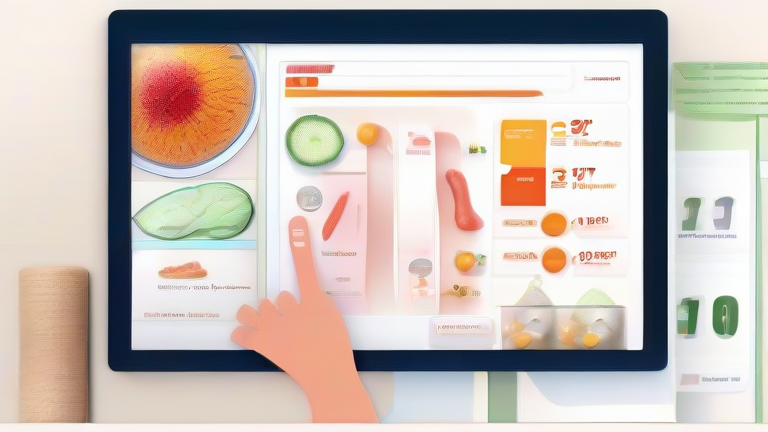
A close-up shot of a modern microbiome testing kit with collection vials and a digital tablet displaying colorful gut health analytics

Step 1: Choose a Reputable Testing Provider
Begin by selecting a certified company offering at-home stool analysis kits. Look for providers that utilize next-generation sequencing technology to identify specific bacterial strains, not just broad categories. Ensure the company prioritizes data privacy and offers clear, actionable insights rather than just raw scientific jargon.

If you want to dig deeper, check out our guide on How Neurotech Is Revolutionizing Mental Health Treatment.

Step 2: Collect Your Sample Correctly
Follow the kit instructions meticulously. Usually, this involves collecting a small stool sample using a specialized collection tube. Timing is crucial; many tests require you to avoid certain antibiotics or probiotics for two weeks prior to sampling. Store the sample in a cool, dry place and mail it back immediately using the prepaid shipping envelope provided. Accuracy here determines the reliability of your results.

A smartphone screen showing a personalized nutrition app with green charts indicating high microbial diversity and specific food recommendations

Step 3: Analyze Your Results
Once your lab analysis is complete, you will receive a digital report. Focus on metrics like microbial diversity, the ratio of Firmicutes to Bacteroidetes, and the presence of beneficial strains like Bifidobacterium or Lactobacillus. Identify any gaps or imbalances, such as low levels of short-chain fatty acid producers, which indicate a need for specific prebiotic fibers.

Step 4: Implement Personalized Dietary Changes
Use the

Related Articles

Posted on Leave a comment

Biofeedback Sensors in Mental Health Apps

Biofeedback Sensors in Mental Health Apps

In the rapidly evolving landscape of digital wellness, biofeedback has emerged as a powerful tool for managing mental health conditions such as anxiety, stress, and PTSD. By leveraging wearable technology and smartphone sensors, users can gain real-time insights into their physiological state, allowing for immediate intervention and long-term behavioral change. This guide provides a comprehensive walkthrough on integrating and utilizing biofeedback sensors within mental health applications to enhance therapeutic outcomes.

Diagram showing the connection between wearable sensors and a smartphone app interface for mental health monitoring

Step 1: Select the Appropriate Sensor Hardware

The first critical step is choosing the right hardware. For mental health applications, two primary types of sensors are most effective: Electrodermal Activity (EDA) sensors and Photoplethysmography (PPG) heart rate monitors. EDA sensors measure skin conductance, which correlates with sweat gland activity and sympathetic nervous system arousal, making them ideal for detecting acute stress. PPG sensors, typically found in smartwatches, track heart rate variability (HRV). High HRV is often associated with emotional regulation and resilience. Ensure your chosen device offers open API access or robust SDK compatibility with your development platform to ensure seamless data flow.

Step 2: Establish Secure Data Connectivity

Once the hardware is selected, focus on the software integration. Most modern biofeedback devices connect via Bluetooth Low Energy (BLE). Implement a secure pairing protocol within your app to prevent unauthorized access to sensitive health data. It is crucial to use encryption standards such as AES-256 for data transmission. Additionally, configure the app to handle intermittent connectivity issues gracefully, ensuring that data points are stored locally on the device and synced when the connection is restored. This ensures continuity of care and prevents data loss during critical moments of stress.

Step 3: Calibrate and Personalize Baselines

Biological data varies significantly between individuals. A raw heart rate of 80 beats per minute might be normal for one user but indicative of high stress for another. Therefore, the onboarding process must include a calibration phase. Guide users through a five-minute resting

Posted on Leave a comment

Mental Wellness Apps Gain Mainstream Trust

Mental Wellness Apps Gain Mainstream Trust

In recent years, the digital landscape has shifted dramatically. What began as a niche interest for tech enthusiasts has blossomed into a ubiquitous component of modern daily life. Among the most significant transformations is the rise of mental wellness applications. No longer viewed as a fringe alternative to traditional therapy, these digital tools are now integrated into the routines of millions, gaining unprecedented mainstream trust. This shift is not merely about convenience; it represents a fundamental change in how society perceives and prioritizes psychological health, blending the boundaries between technology, personal growth, and holistic well-being.

The Journey from Stigma to Sanctuary

Imagine starting your morning not with the jarring sound of an alarm, but with a gentle, guided breathing exercise that sets a calm tone for the day. This is the reality for many users of leading mental wellness platforms. The stigma surrounding mental health issues has slowly eroded, replaced by a culture of openness and proactive care. Apps like Headspace, Calm, and BetterHelp have played pivotal roles in this cultural renaissance. They offer accessible, affordable, and discreet avenues for individuals to manage stress, anxiety, and sleep issues. By democratizing access to mindfulness techniques and professional counseling, these platforms have made mental hygiene as routine as brushing one’s teeth.

A person using a meditation app on their smartphone in a serene park setting

The key to this mainstream acceptance lies in the user experience. Modern applications are designed with empathy and intuitive interfaces that reduce the friction often associated with seeking help. Gamification elements, progress tracking, and community support features create a sense of accountability and belonging. Users are no longer passive recipients of advice; they are active participants in their own healing journeys. This engagement fosters a deeper trust in the efficacy of digital interventions, proving that technology can be a powerful ally in mental health management.

Integrating Wellness into Daily Life

The integration of mental wellness apps into daily life extends beyond mere usage statistics. It reflects a broader lifestyle shift towards intentional living. In a world that is increasingly fast-paced and disconnected, these tools provide anchors of stability. They encourage users to pause, reflect, and reconnect with themselves. Whether it is a

Posted on Leave a comment

AI Agents Are Replacing Middle Management: What You Need to Know

AI Agents Are Replacing Middle Management: What You Need to Know

Visual representation of AI agents interacting with corporate data streams

The corporate hierarchy is undergoing a seismic shift. For decades, middle managers have served as the vital connective tissue between executive strategy and operational execution. However, the rise of sophisticated AI agents is fundamentally altering this dynamic. These intelligent systems are not merely automating routine tasks; they are assuming roles traditionally reserved for human supervisors, such as progress tracking, resource allocation, and performance evaluation. This transformation is not a distant future scenario but a present reality for many forward-thinking organizations.

Market Analysis: The Speed of Adoption

Recent market data indicates an accelerating pace of adoption. According to industry reports, over 60% of Fortune 500 companies are currently piloting or deploying AI agents for workflow management. The market for enterprise AI is projected to reach $1.8 trillion by 2030, with a significant portion driven by automation in management layers. Investors are prioritizing companies that can demonstrate reduced overhead through AI-driven operational efficiency. The cost-benefit analysis is compelling: AI agents operate 24/7 without fatigue, offer consistent decision-making based on data, and eliminate the biases inherent in human supervision. Consequently, capital is flowing rapidly toward firms that can integrate these technologies seamlessly, leaving traditional hierarchical structures behind.

Strategic Insights: Redefining Human Roles

For business leaders, the key strategy is not to resist this change but to redefine the value of human capital. The role of the middle manager is evolving from a monitor of tasks to a facilitator of complex problem-solving and emotional intelligence. AI agents excel at data aggregation and routine coordination, freeing humans to focus on strategic innovation, client relationships, and team culture. Companies must invest in upskilling their workforce, transitioning employees from operational oversight to creative and empathetic leadership. This shift requires a cultural overhaul, emphasizing adaptability and continuous learning. Organizations that fail to retrain their management layers risk obsolescence, while those that embrace the hybrid model will see significant gains in productivity and employee satisfaction.

Case Studies: Success in Practice

Posted on Leave a comment

7 Proven Business Growth Strategies to Boost Your Revenue in 2026

7 Proven Business Growth Strategies to Boost Your Revenue in 2026

The business landscape in 2026 is defined by rapid technological shifts and evolving consumer behaviors. As inflation stabilizes and digital transformation accelerates, companies must adopt agile strategies to remain competitive. Market analysis reveals that businesses leveraging data-driven insights outperform their peers by nearly 23% in revenue growth. This article explores seven proven strategies designed to enhance profitability and sustainability in the current economic climate.

If you want to dig deeper, check out our guide on Quantum Computing Hits Early Commercial Viability.

1. Embrace AI-Driven Personalization

Artificial intelligence is no longer a luxury but a necessity. By implementing AI tools for customer segmentation and personalized marketing, businesses can significantly increase conversion rates. A recent case study of a mid-sized e-commerce retailer showed a 40% increase in average order value after integrating machine learning algorithms for product recommendations.

2. Optimize Customer Retention

Acquiring new customers is expensive; retaining existing ones is cost-effective. Strategies such as loyalty programs, proactive support, and community building foster long-term relationships. Data indicates that increasing customer retention rates by just 5% can increase profits by 25% to 95%. Companies like Starbucks have mastered this through their robust rewards app, driving consistent repeat purchases.

3. Diversify Revenue Streams

Relying on a single product or service line is risky. Businesses should explore complementary offerings or subscription models. For instance, software companies are increasingly offering consulting services to enhance their core products, creating a steady recurring revenue stream that buffers against market volatility.

4. Leverage Strategic Partnerships

Collaborating with non-competing businesses can expand your reach. Joint ventures and co-marketing efforts allow companies to share resources and access new audiences. A notable example is the partnership between Spotify and Uber, which allowed both brands to enhance user experience while cross-promoting services to millions of users.

5

Related Articles

Posted on Leave a comment

Top 10 Emerging Trends Shaping 2024: What You Need to Know

Top 10 Emerging Trends Shaping 2024: What You Need to Know

The business landscape of 2024 is defined by rapid technological integration and a renewed focus on sustainable growth. As we navigate through the year, organizations are shifting from reactive strategies to proactive innovation. This article highlights the critical movements driving industry evolution, supported by recent market data and expert analysis.

Graph showing emerging business trends in 2024

First, Artificial Intelligence has moved beyond hype into practical application. According to a recent McKinsey report, over 60% of organizations are now using AI in at least one business function. This shift is not just about efficiency but about creating new value propositions. Experts predict that by the end of 2024, generative AI will contribute significantly to global GDP, transforming sectors from healthcare to finance.

Secondly, sustainability is no longer optional; it is a competitive necessity. The rise of green finance has led to a 30% increase in ESG-linked investments. Companies that fail to adopt transparent environmental practices risk losing investor confidence. Industry leaders emphasize that net-zero commitments must be backed by measurable actions, not just marketing slogans.

Third, the hybrid work model has stabilized, but its management has evolved. Data shows that remote work productivity remains high, yet collaboration tools are becoming more sophisticated. Leaders must now focus on digital culture and employee well-being to prevent burnout. The future of work is flexible, requiring robust digital infrastructure and trust-based management styles.

Chart illustrating growth in ESG investments

Fourth, cybersecurity threats are becoming more sophisticated, necessitating advanced defense mechanisms. With ransomware attacks increasing by 40% last year, companies are investing heavily in zero-trust architectures. Security is no longer an IT issue but a boardroom priority.

Fifth, the consumer experience is being redefined by hyper-personalization. Brands leveraging data analytics to offer tailored experiences are seeing higher retention rates. The key lies in balancing personalization with privacy, ensuring customer data is used ethically.

Posted on Leave a comment

How AI Agents Handle Complex Enterprise Workflows

How AI Agents Handle Complex Enterprise Workflows

The modern enterprise landscape is a labyrinth of intricate processes, requiring seamless coordination between disparate systems and human teams. At the heart of this transformation are AI agents, sophisticated digital entities capable of executing complex workflows with unprecedented speed and accuracy. However, for the human professionals who design, monitor, and collaborate with these agents, the integration of such powerful technology brings both immense opportunity and significant cognitive load. To thrive in this new era, it is crucial to understand not just how these agents function, but how to maintain your own health and wellness amidst the digital surge.

Understanding the Architecture of Efficiency

AI agents operate by breaking down monolithic tasks into manageable, autonomous sub-tasks. Unlike traditional automation scripts that follow rigid, linear paths, modern AI agents utilize large language models and decision-making frameworks to adapt to real-time variables. They can negotiate with other software systems, retrieve relevant data from multiple databases, and execute actions without human intervention. This capability reduces the burden of repetitive administrative work, allowing employees to focus on high-value, creative, and strategic activities. The science behind this efficiency is rooted in cognitive offloading. By delegating routine processing to AI, the human brain is freed from the “attention residue” that often plagues multitasking, leading to deeper focus and reduced mental fatigue.

Preserving Mental Clarity in a High-Tech Environment

While AI handles the heavy lifting of data processing, the human role shifts to oversight, ethical judgment, and creative problem-solving. This shift requires a new approach to workplace wellness. Research in occupational health suggests that the constant connectivity enabled by AI-driven workflows can lead to burnout if boundaries are not strictly maintained. To counter this, experts recommend implementing “digital detox” periods during the workday. Even short breaks, such as five minutes of mindful breathing or stepping away from the screen to look at distant objects, can reset your attention span and reduce eye strain.

Furthermore, the posture and ergonomics of your workspace play a critical role in long-term health. As AI agents manage more tasks, you may find yourself spending more time in deep analytical states, which can lead to sedentary behavior

Related Articles

Posted on Leave a comment

Top 10 Must-Have Products for 2026: Ultimate Buyer’s Guide

Top 10 Must-Have Products for 2026: Ultimate Buyer’s Guide

As we navigate through the rapidly evolving landscape of 2026, finding the right technology and lifestyle essentials can feel overwhelming. With countless innovations flooding the market, discerning quality from hype is more important than ever. This guide cuts through the noise to highlight the essential items that define this year, ensuring you invest in products that enhance your daily life without breaking the bank. Whether you are a tech enthusiast, a home office professional, or simply someone looking to upgrade your routine, these selections promise performance, durability, and style.

If you want to dig deeper, check out our guide on Metaverse Enterprise Spaces Gain Traction: The Future of Wor.

1. The AI-Integrated Smartwatch

Leading our list is the latest generation of wearable technology. Unlike previous models that merely tracked steps, the 2026 flagship smartwatch integrates on-device AI to provide predictive health insights. It monitors cortisol levels, suggests personalized workout routines based on your current stress state, and even adjusts your sleep environment recommendations in real-time. Compared to last year’s models, the battery life has improved by forty percent, lasting a full week on a single charge. While competitors offer similar tracking, this device’s seamless integration with major operating systems makes it the superior choice for cross-platform users.

2. The Noise-Canceling Headphones

For those who value silence in a chaotic world, these over-ear headphones are a sanctuary. Featuring adaptive noise cancellation that learns your environment, they automatically adjust audio profiles whether you are in a busy café or a quiet library. The sound signature is warm and balanced, appealing to audiophiles and casual listeners alike. In direct comparison to industry giants, these headphones offer superior comfort for long wear sessions and faster pairing speeds, making them the ideal companion for remote work and travel.

3. The Modular Robot Vacuum

Cleaning has never been smarter. This robot vacuum features a unique modular design, allowing users to swap attachments for different tasks, such as window cleaning or upholstery dusting.

Related Articles

Posted on Leave a comment

Metaverse Retail Integrates Spatial Computing Gear

Metaverse Retail Integrates Spatial Computing Gear

The retail landscape is undergoing a seismic shift, moving beyond traditional e-commerce and physical storefronts into a hybrid reality defined by spatial computing. As major technology firms accelerate the development of mixed-reality headsets and haptic feedback suits, the integration of spatial computing gear into retail strategies has transitioned from speculative futurism to urgent business necessity. This evolution promises to redefine consumer engagement, offering immersive experiences that bridge the digital and physical worlds with unprecedented fidelity.

If you want to dig deeper, check out our guide on Genetic Privacy Laws Under Global Scrutiny.

Market Analysis: The Rise of Immersive Commerce

Recent market analyses indicate a robust growth trajectory for the spatial computing sector within retail. Industry experts project that the global market for augmented reality (AR) and virtual reality (VR) in retail will exceed $40 billion by 2026. This surge is driven by consumer demand for personalized, interactive shopping experiences that reduce uncertainty in online purchases. Spatial computing allows shoppers to visualize products in their own environments or on their own bodies before buying, significantly reducing return rates—a persistent pain point for digital retailers.

Furthermore, the adoption rate of spatial computing hardware is accelerating. With lighter, more affordable headsets entering the consumer market, the barrier to entry for both retailers and shoppers is lowering. Data suggests that customers engaged in spatial shopping experiences spend 30% more on average than those using traditional 2D interfaces. This increased dwell time and higher conversion rates make the integration of spatial gear a high-ROI investment for forward-thinking brands.

Strategic Insights: Beyond the Gimmick

Successful integration of spatial computing requires a strategic approach that prioritizes utility over novelty. Retailers must focus on solving real consumer problems, such as fit uncertainty or product visualization, rather than merely creating flashy virtual billboards. A key strategy involves leveraging digital twins of physical stores, allowing customers to navigate a virtual replica of a flagship store from their living room. This not only enhances accessibility but also provides valuable data analytics on customer movement and interaction patterns.

Additionally, brands are adopting a “phygital” strategy, where physical purchases unlock digital assets, and vice

Related Articles

Posted on Leave a comment

Complete Tutorial: How to Master Public Speaking in 10 Easy Steps

Complete Tutorial: How to Master Public Speaking in 10 Easy Steps

Person confidently speaking at a podium with a microphone

Public speaking is a skill that separates leaders from followers. It is not about innate talent, but rather structured practice. Follow these ten steps to transform your anxiety into authority.

Step 1: Define Your Core Message

Before writing a single word, identify the single most important takeaway for your audience. What do you want them to remember? Clarity is king. If you cannot explain your idea in one sentence, you do not understand it well enough yet.

Step 2: Know Your Audience

If you want to dig deeper, check out our guide on How Neurotech Is Revolutionizing Mental Health Treatment.

Research who will be listening. What are their pain points? What do they already know? Tailoring your content to their specific needs creates an immediate connection and demonstrates empathy, which builds trust rapidly.

Step 3: Structure Your Narrative

Use the classic three-part structure: Introduction, Body, and Conclusion. Start with a hook—a story, a shocking statistic, or a provocative question. The body should support your main point with evidence, and the conclusion must reinforce your call to action.

Step 4: Write for the Ear

Do not write like you are writing an essay. Write like you are speaking. Use short sentences, active voice, and simple vocabulary. Read your draft aloud. If you stumble over a phrase, simplify it. Rhythm matters more than complex vocabulary.

Step 5: Visual Aids Support, Don’t Lead

Slides should complement your words, not replace them. Avoid walls of text. Use high-quality images and minimal bullet points. Your audience should look at you, not read your screen. The visual aid is a backdrop, not the star.

Step 6: Practice Out Loud

Silent reading does not count. You must hear your own voice. Record yourself on your phone. Listen for filler words like “um” and “ah.” Notice your pace. Are you rushing? Slow down. Silence is powerful; use pauses to let ideas sink in.

Related Articles