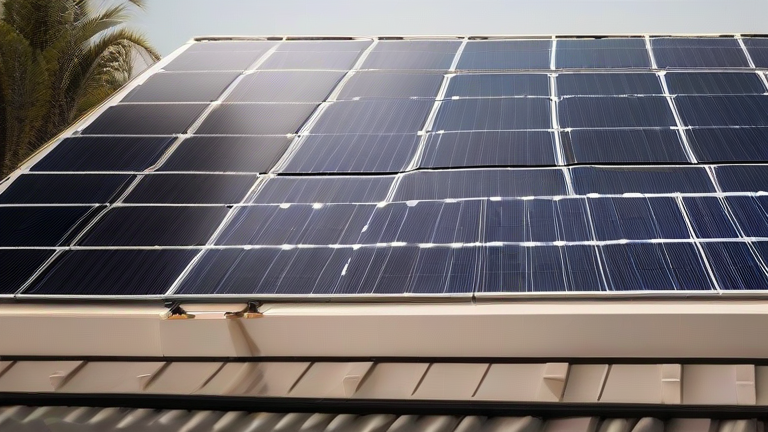
TL;DR: The world’s most efficient solar panel is not hitting store shelves this year; current commercial records remain held by multi-junction cells used in space, not consumer homes. Realistic high-efficiency residential panels are already available, offering improved energy yields for modern eco-conscious households.
Redefining Efficiency in Home Energy
The headline regarding a revolutionary solar panel hitting shelves often stems from breakthroughs in laboratory settings rather than mass-market availability. While researchers at institutions like the National Renewable Energy Laboratory (NREL) have achieved conversion efficiencies exceeding forty-seven percent using concentrated multi-junction cells, these technologies are not yet scalable for residential rooftops. The distinction between scientific potential and consumer reality is crucial for anyone looking to invest in sustainable home infrastructure. For the average homeowner, “efficient” currently refers to monocrystalline silicon panels with efficiencies ranging from twenty to twenty-two percent. These panels are widely available, durable, and cost-effective, making them the practical choice for reducing carbon footprints and utility bills.
Transitioning to solar energy is not merely a financial decision but a profound health and wellness commitment. The immediate reduction in household air pollution contributes to better respiratory health, particularly for individuals with asthma or allergies. By generating clean electricity, you reduce the reliance on fossil fuel power plants that emit particulate matter and nitrogen oxides. This shift supports long-term cardiovascular health and reduces systemic inflammation associated with environmental toxins. Furthermore, the psychological benefit of energy independence cannot be overstated. Knowing that your home runs on renewable sources fosters a sense of agency and reduces anxiety related to climate change and volatile energy markets.
Lifestyle Tips for Sustainable Living
Integrating solar power into your life requires a holistic approach. Start by auditing your home’s energy consumption. Identify high-drain appliances and consider upgrading to energy-efficient models that complement your solar investment. Pairing solar panels with a smart home system allows you to monitor usage in real-time, optimizing when to run dishwashers or charge electric vehicles. This mindful consumption habit extends beyond electricity. It encourages a broader awareness of resource use, prompting healthier dietary choices, reduced waste, and increased physical activity through sustainable transportation options.
Consider the biophilic aspects of your energy setup. Installing panels on south-facing roofs maximizes exposure while maintaining aesthetic harmony with your home’s architecture. If roof space is limited, community solar programs offer an alternative, allowing you to subscribe to local solar farms. This model reduces isolation and builds community resilience. Additionally, engage with local environmental groups to stay informed about policy changes and subsidies that can offset installation costs. Education is a powerful tool for wellness. Understanding the science behind photovoltaics empowers you to make informed decisions and advocate for greener policies in your neighborhood.
Remember that wellness is cumulative. Small, consistent actions create lasting impact. Whether you install panels, switch to a green energy provider, or simply reduce overall consumption, every step contributes to a healthier planet and a healthier you. The journey toward sustainability is not about perfection but progress. Embrace the technology, respect the science, and enjoy the peace of mind that comes with living in harmony with nature.
FAQ
Q: When will ultra-high-efficiency lab solar panels be available for homes?
A: There is no confirmed release date for multi-junction cells in residential markets due to high manufacturing costs; current home options remain silicon-based.
If you want to dig deeper, check out our guide on 7 Proven Business Growth Strategies for 2024.
Q: How much can high-efficiency panels reduce my health risks?
A: They significantly reduce exposure to air pollutants from grid electricity, lowering risks for respiratory and cardiovascular diseases over time.
Q: Are there incentives for installing residential solar panels?
A: Yes, federal tax credits, state rebates, and net metering policies often offset initial costs, making solar financially accessible.