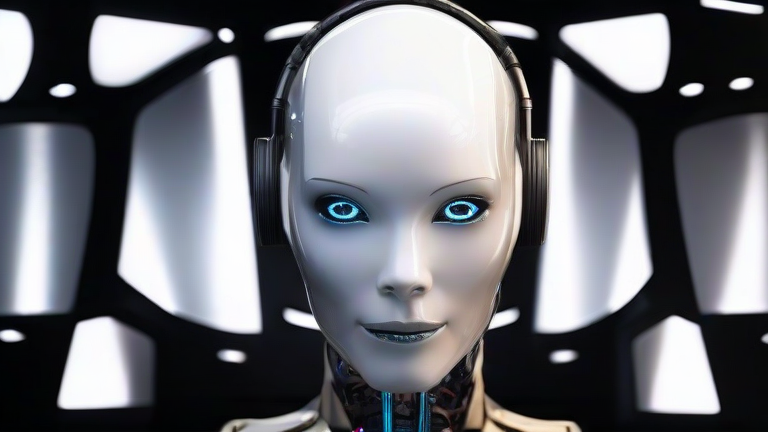
TL;DR: The US push for humanoid robots faces significant technological and financial hurdles that make immediate commercial viability unlikely. While ambitious, the industry must overcome critical engineering challenges before these machines can compete effectively in real-world environments.
US Push for Humanoid Robots Faces Major Hurdles
America’s Humanoid Robot Ambition: Harder Than Expected. The United States has long been a pioneer in artificial intelligence and robotics, but the recent surge in humanoid robot development has revealed a stark reality: the path to general-purpose domestic and industrial robots is far more complex than initially projected. Despite billions in venture capital funding and relentless innovation from tech giants and startups alike, the dream of ubiquitous, human-like machines performing delicate tasks in unstructured environments remains elusive. This article explores the critical bottlenecks stifling progress and examines why the timeline for widespread adoption may need to be extended significantly.
If you want to dig deeper, check out our guide on 2026 Reddit Subreddit Changes: What You Need to Know.
One of the primary challenges lies in hardware durability and cost. Current prototypes often rely on expensive, lightweight materials that struggle with the wear and tear of daily use. Unlike industrial arms fixed to factory floors, humanoid robots must navigate uneven terrain, lift heavy objects, and interact with fragile items without breaking. The energy density of batteries remains a limiting factor, often restricting operational time to mere hours. Furthermore, the precision required for fine motor skills, such as folding laundry or handling raw eggs, demands sensors and actuators that are currently prohibitively expensive to mass-produce. These physical constraints mean that early adopters will likely be limited to controlled industrial settings rather than home environments.
Feature Highlights and Comparative Analysis
Leading companies are attempting to differentiate their products through advanced AI integration. Key features include real-time environmental mapping, adaptive gait algorithms, and natural language processing capabilities. For instance, recent models boast improved balance systems that allow them to recover from pushes or slips on slippery surfaces. However, when compared to specialized robots designed for single tasks, such as autonomous forklifts or surgical assistants, general-purpose humanoids often lag in efficiency and reliability. A specialized robot can perform a specific task faster and with greater accuracy because it does not need to allocate computational resources to general mobility or social interaction. This trade-off highlights a fundamental strategic dilemma: should developers focus on narrow, high-value applications or strive for broad, versatile utility?
Another significant hurdle is the data gap. Training robots to understand the physical world requires vast amounts of diverse, high-quality data. Unlike software, which can be updated instantly, physical robots require physical testing, which is slow and costly. Competitors in Asia are gaining ground by leveraging large-scale manufacturing ecosystems to iterate designs rapidly. The US approach, often characterized by iterative software updates and hardware refinement, struggles to match this speed. Consequently, American firms must find ways to accelerate physical testing through advanced simulation technologies or risk falling behind in the global race.
Despite these obstacles, the potential impact of successful humanoid robots is transformative. They could address labor shortages in aging societies, enhance workplace safety by taking over dangerous jobs, and provide companionship for the elderly. To achieve this, stakeholders must invest in long-term research rather than seeking immediate returns. Collaboration between academia, industry, and government is essential to establish safety standards and ethical guidelines. Consumers and investors should remain cautious but optimistic, recognizing that breakthroughs may come sooner than expected if current bottlenecks are addressed through interdisciplinary innovation.
We encourage you to follow the latest developments in this rapidly evolving field. Subscribe to our newsletter for exclusive insights, expert interviews, and detailed analysis of emerging robotics technologies. Join the conversation on social media and share your thoughts on the future of human-machine collaboration. Your engagement helps shape the narrative and supports the growth of a transparent, informed community dedicated to understanding the true potential and limitations of humanoid robotics.
FAQ
Q: When will humanoid robots be available for home use?
A: Most experts predict that affordable, safe humanoid robots for general home use are still at least a decade away due to current technical and cost barriers.
Q: Which US companies are leading the humanoid robot race?
A> Leading companies include Boston Dynamics, Figure AI, and Agility Robotics, all of which are developing