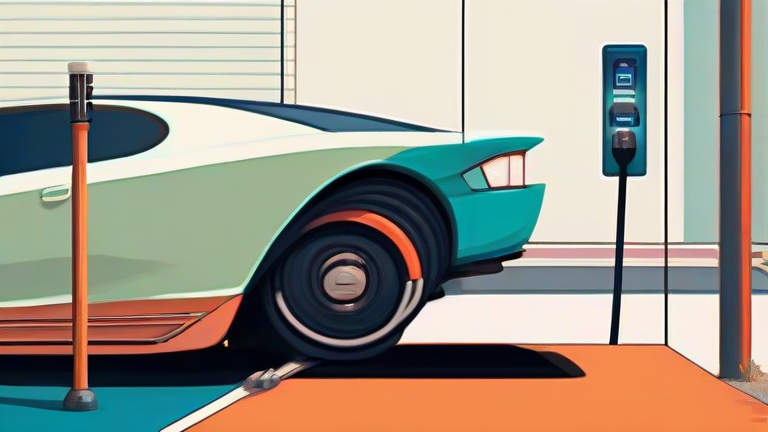
Rapid Expansion of Electric Vehicle Charging Infrastructure
The landscape of personal transportation is undergoing a seismic shift, driven by the rapid expansion of electric vehicle (EV) charging infrastructure. This transformation is not merely a logistical upgrade for automakers and utility companies; it is a profound change that directly impacts our collective physical and mental well-being. As charging stations proliferate across urban centers, highways, and residential neighborhoods, the friction associated with electric mobility is disappearing, paving the way for a healthier, more sustainable lifestyle for millions of drivers worldwide.

From a physiological perspective, the transition to electric vehicles offers significant health benefits that extend far beyond reduced tailpipe emissions. Internal combustion engines generate substantial noise pollution, a silent killer linked to increased stress levels, elevated blood pressure, and sleep disturbances. By replacing gas-guzzling engines with quiet electric motors, we create quieter neighborhoods, which science confirms leads to lower cortisol levels and improved cardiovascular health for residents. Furthermore, the reduction in particulate matter and nitrogen oxides from traditional cars directly correlates with a decrease in respiratory ailments such as asthma and chronic obstructive pulmonary disease (COPD). The clean air generated by this infrastructure shift is a public health victory, reducing the burden on healthcare systems and improving overall life expectancy.
Beyond the environmental health benefits, the evolution of charging infrastructure encourages active lifestyle changes. Many new charging hubs are designed as “destination charging” sites, often located in parks, shopping centers, and community spaces. This integration invites drivers to step out of their vehicles and engage in physical activity. A ten-minute charging session becomes an opportunity for a brisk walk, stretching, or fresh air intake, combating the sedentary nature of modern commuting. Health experts recommend incorporating these small bursts of movement into daily routines to improve metabolic health and reduce the risks associated with prolonged sitting.
To maximize these benefits, individuals should adopt a proactive approach to EV adoption. First, utilize smart charging apps to plan routes that include stops at parks or green spaces, turning necessary downtime into wellness time. Second, advocate for local infrastructure that prioritizes pedestrian safety and greenery around charging stations, ensuring that the environment supports active living. Third,