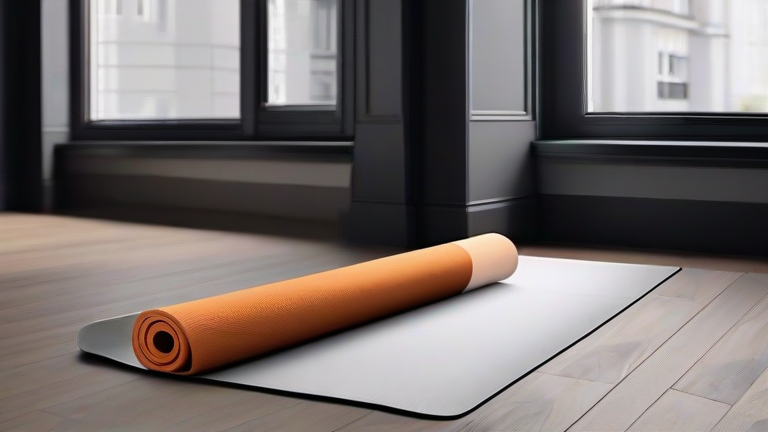
TL;DR: The leading trends for enhanced yoga mat grip and stability include natural rubber bases, microfiber tops, and textured surface designs. These innovations address slipperiness during intense practices, ensuring safer and more effective yoga sessions for practitioners worldwide.
Top 10 Yoga Mat Trends for Better Grip and Stability
The global yoga mat market is experiencing a significant shift toward performance-oriented designs, driven by a growing demand for safety and durability. As the industry expands, reaching a projected value of several billion dollars by 2027, manufacturers are prioritizing material science to solve the persistent issue of slippage. This article explores the top ten trends defining this evolution, focusing on grip and stability.
First, natural rubber has emerged as the gold standard for base layers. Unlike synthetic TPE or PVC, natural rubber offers superior elasticity and non-slip properties, especially when moist. Second, open-cell foam structures are gaining popularity for their ability to absorb sweat without becoming slippery. Third, microfiber tops paired with rubber bottoms create a dual-action surface that grips the floor while providing a towel-like feel on top.
Fourth, laser-etched textures are replacing traditional embossed patterns. These precise, microscopic grooves channel sweat away from the hands and feet, maintaining traction during hot yoga sessions. Fifth, cork surfaces are rising in prominence due to their natural antimicrobial properties and increasing grip when wet. Sixth, jute blends are being incorporated for added friction and eco-friendly appeal.
Seventh, thicker mats with high-density cores provide better joint support and stability, reducing the risk of ankle rolls. Eighth, alignment lines printed directly onto the mat help practitioners maintain proper positioning, enhancing overall stability. Ninth, reversible mats with two distinct textures allow users to switch between dry and wet grips as needed. Tenth, sustainable materials like recycled ocean plastics are becoming common, appealing to environmentally conscious consumers without compromising performance.
Market data indicates that sales of eco-friendly mats have increased by over twenty percent annually. Experts predict that smart mats embedded with sensors to track balance and alignment will dominate the next decade. These technological integrations will offer real-time feedback, further enhancing safety and technique. As yoga continues to globalize, the focus on high-performance equipment will only intensify, pushing innovation forward. Consumers are no longer satisfied with basic utility; they demand mats that actively contribute to their practice’s success. This trend reflects a broader movement toward holistic wellness, where every detail, from the air we breathe to the ground beneath us, matters. The future of yoga gear is sleeker, smarter, and significantly safer.
FAQ
Q: What material offers the best grip for hot yoga?
A: Natural rubber and microfiber are considered the best materials for hot yoga, as they provide excellent traction even when saturated with sweat.
If you want to dig deeper, check out our guide on Anthropic CEO: AI Wins Public Trust by Actually Curing Cance.
Q: Are eco-friendly mats less durable than synthetic ones?
A: No, modern eco-friendly mats made from natural rubber or cork are highly durable and often outperform synthetic alternatives in longevity and grip.
Q: How often should I replace my yoga mat?
A: You should replace your mat every one to two years, or sooner if you notice significant wear, tearing, or a loss of grip and cushioning.